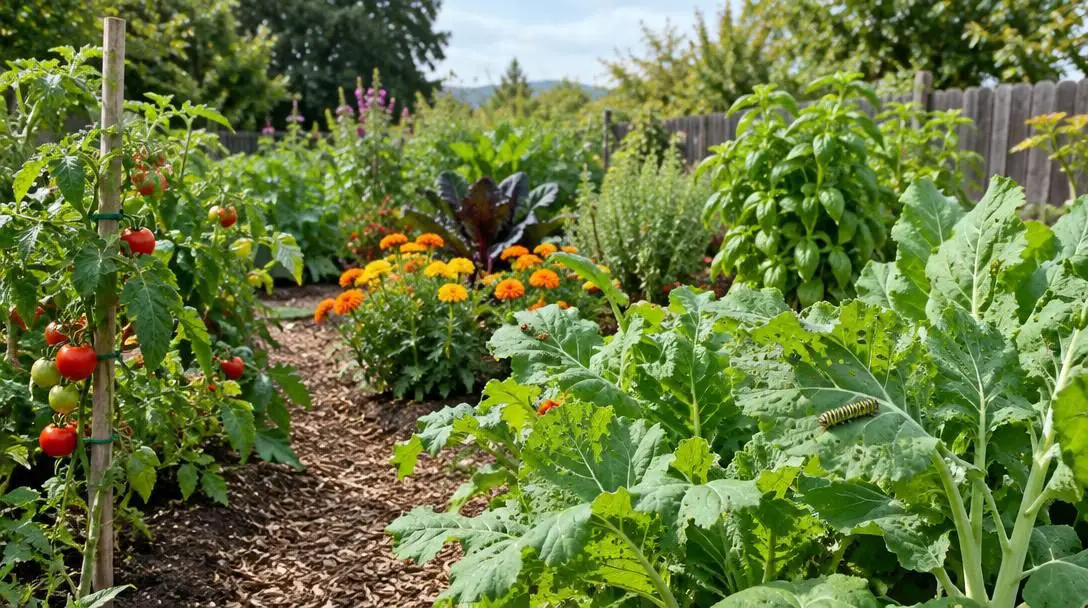
The Art of Companionship in Gardening: Choosing Plants That Thrive Together
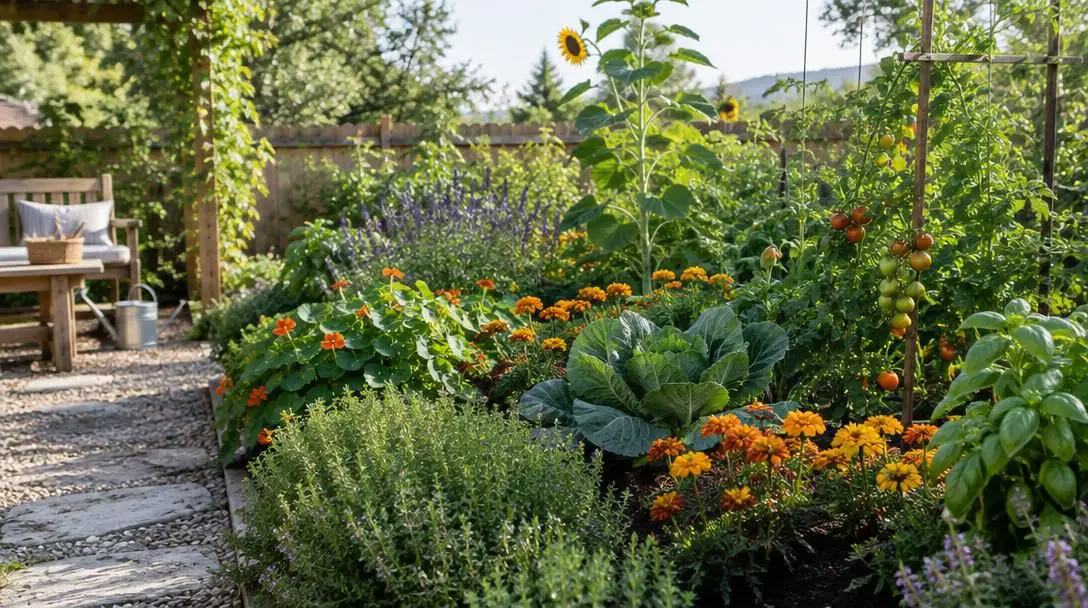
Gardening is an art that requires patience, skill, and knowledge. Throughout history, growers have looked for natural ways to cultivate healthy plots, and one aspect of gardening that is often overlooked is the concept of companion planting. Rather than treating a garden as an isolated set of identical rows, companion planting views the garden space as an interactive community where different plants are grown together to benefit each other by improving soil health, repelling pests, and attracting beneficial insects.
This approach has been practiced for centuries, mimicking wild ecological systems where diverse plant varieties coexist side by side. In traditional agriculture, diversity served as the primary defense against total crop failure, ensuring that an unexpected blight or insect swarm would not wipe out an entire plot. Today, gardeners can use these reliable combinations to create sustainable gardens that rely on natural synergies rather than heavy chemical interventions.
Key takeaways
- Companion planting mimics natural ecosystems by grouping species that improve soil vitality, deter destructive pests, and attract pollinators.
- Vegetable and herb partnerships, such as carrots with onions or tomatoes with basil, protect yields and can enhance plant flavor.
- Certain combinations, such as onions with beans or tomatoes with potatoes, must be avoided due to resource competition, allelopathy, or shared disease risks.
- Structured methods like intercropping, succession planting, and trap cropping maximize bed space and keep harvests continuous throughout the season.
The Four Functional Types of Companion Plants
The mechanics of companion planting rely on natural biological, chemical, and physical interactions among different species. Modern gardens use four primary functional categories of companion plants to build resilience and boost overall productivity.
Nitrogen Fixers
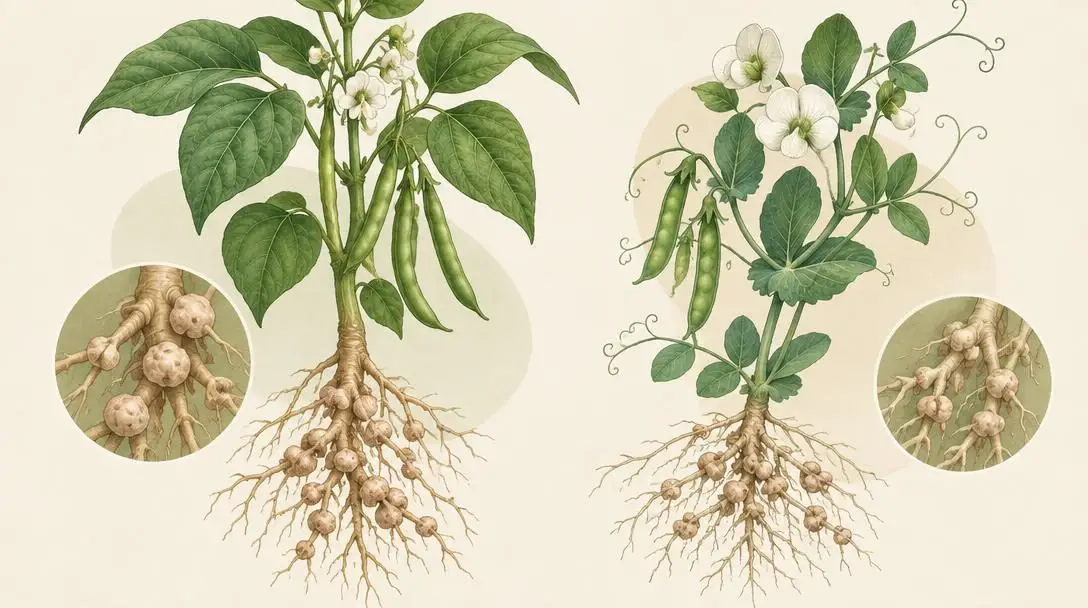
Nitrogen fixers, such as beans and peas, have the remarkable ability to fix nitrogen in the soil. While nitrogen is an essential building block for plant tissue, foliage development, and chlorophyll production, most garden crops cannot draw it directly from the air. Legumes collaborate with soil-dwelling bacteria to convert atmospheric nitrogen into a bioavailable form, leaving the surrounding earth enriched for heavy-feeding neighbors that require nitrogen to grow vigorously.
Insect Repellents
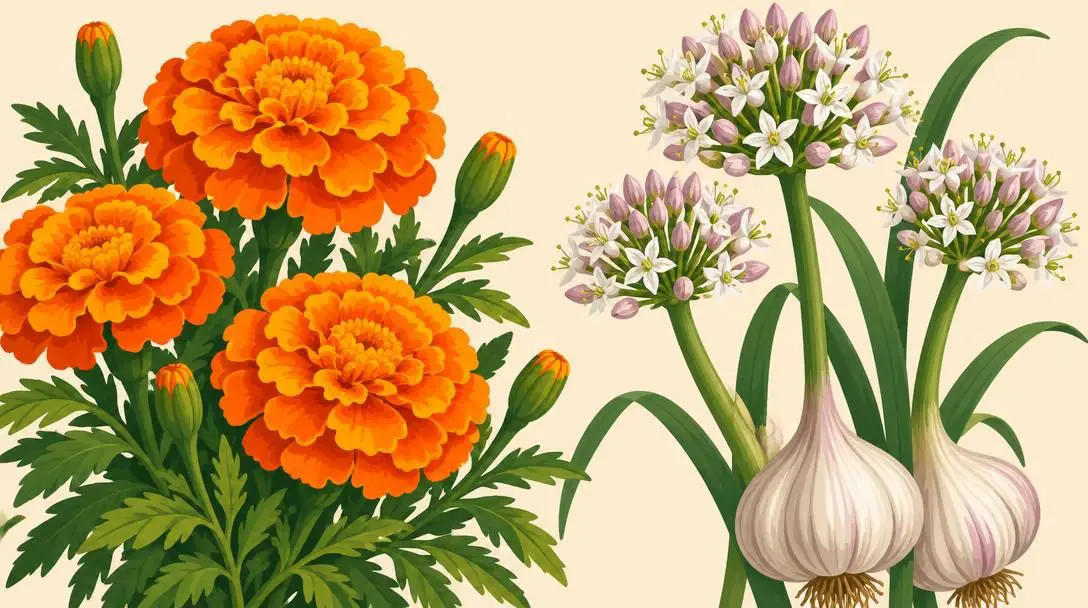
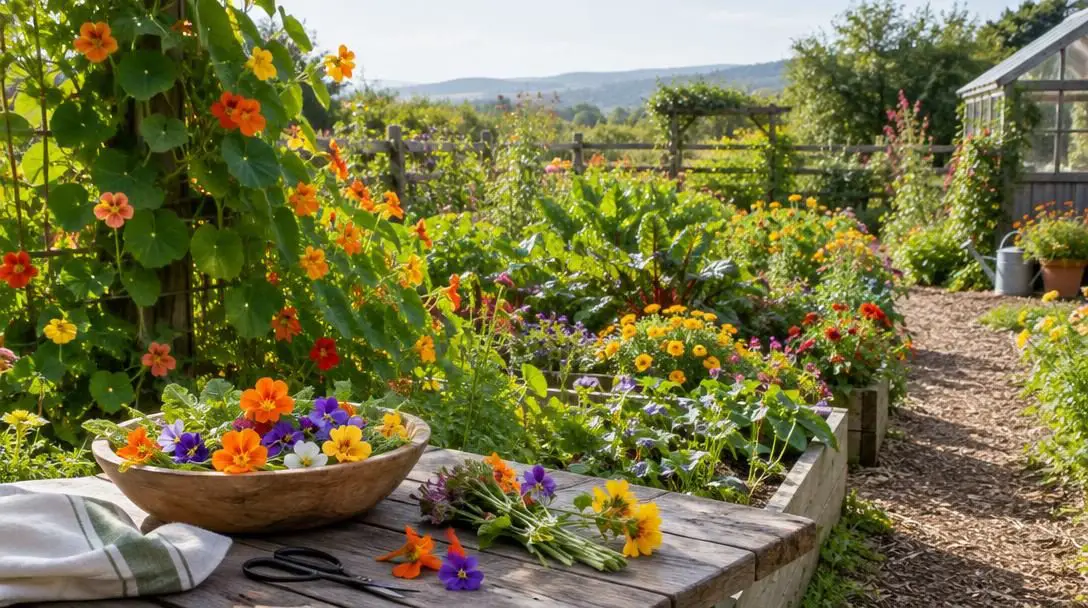
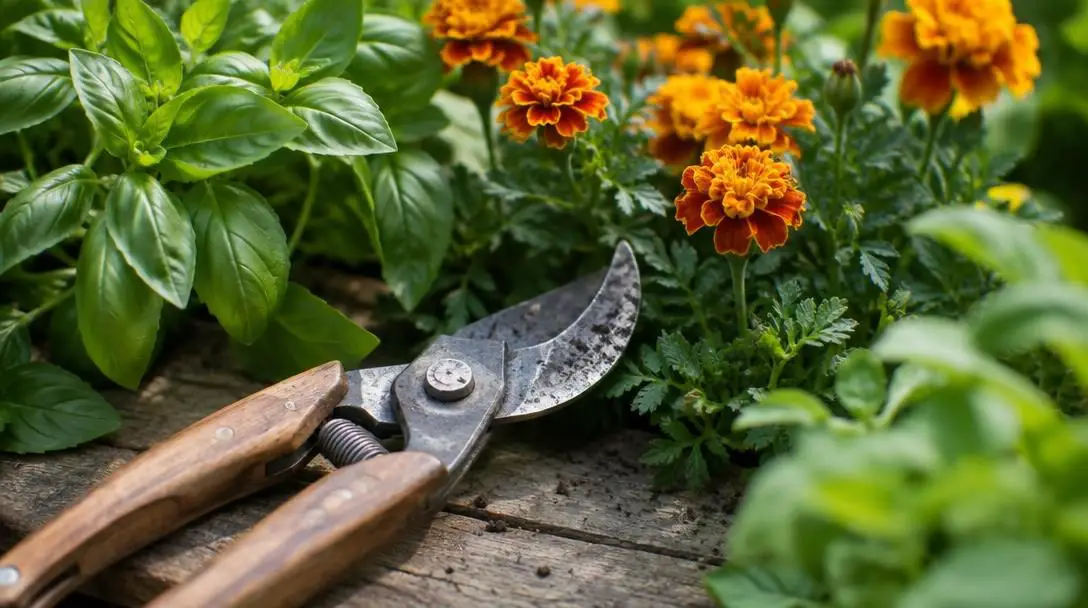
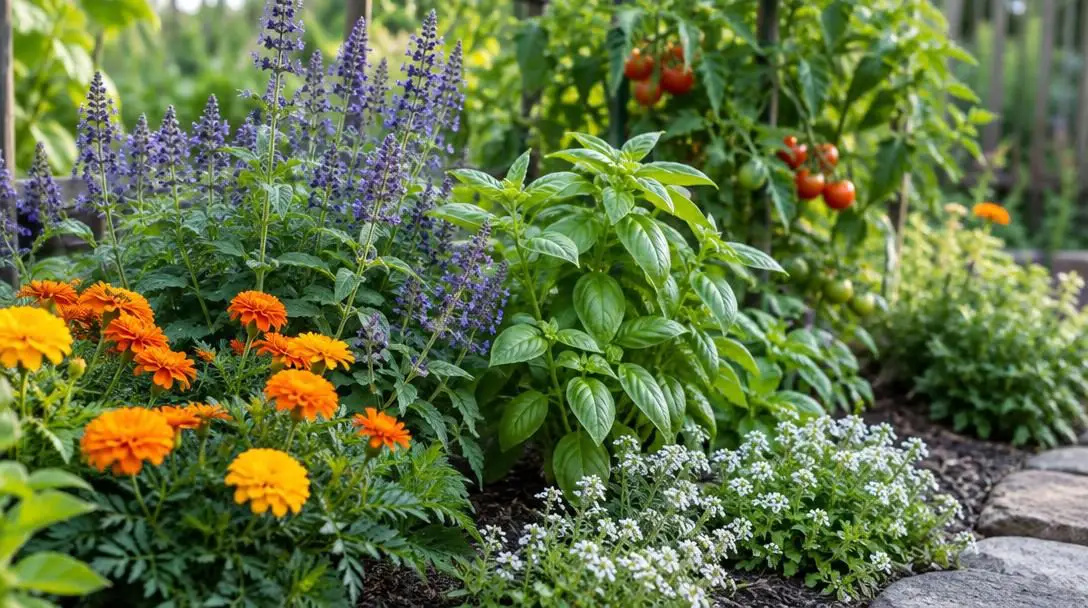
Insect-repellent plants, such as marigolds and garlic, naturally reduce the need for synthetic chemical sprays. These plants produce pungent scents or natural biochemical compounds that confuse, deter, or drive away destructive insects. For instance, marigolds are celebrated for repelling microscopic nematodes in the soil as well as whiteflies on leafy foliage, while aromatic herbs like basil help shield vulnerable fruiting crops from aggressive pests.
Soil Improvers
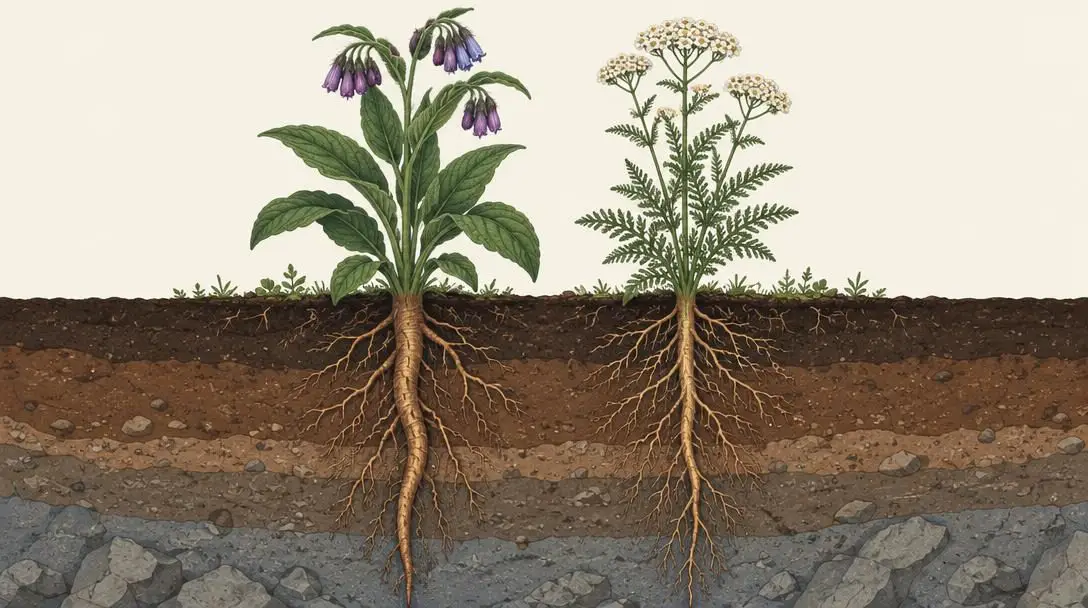
Soil improvers, such as comfrey and yarrow, possess deep taproots that mine vital nutrients from deep subsoil layers. Standard annual vegetables often have shallow root zones that cannot reach these subterranean mineral reserves. Soil improvers draw essential elements upward into their extensive foliage; as their leaves drop or break down, they deposit those minerals near the topsoil level, enhancing the fertility and biological vitality of the upper garden bed.
Pollinator Attractors

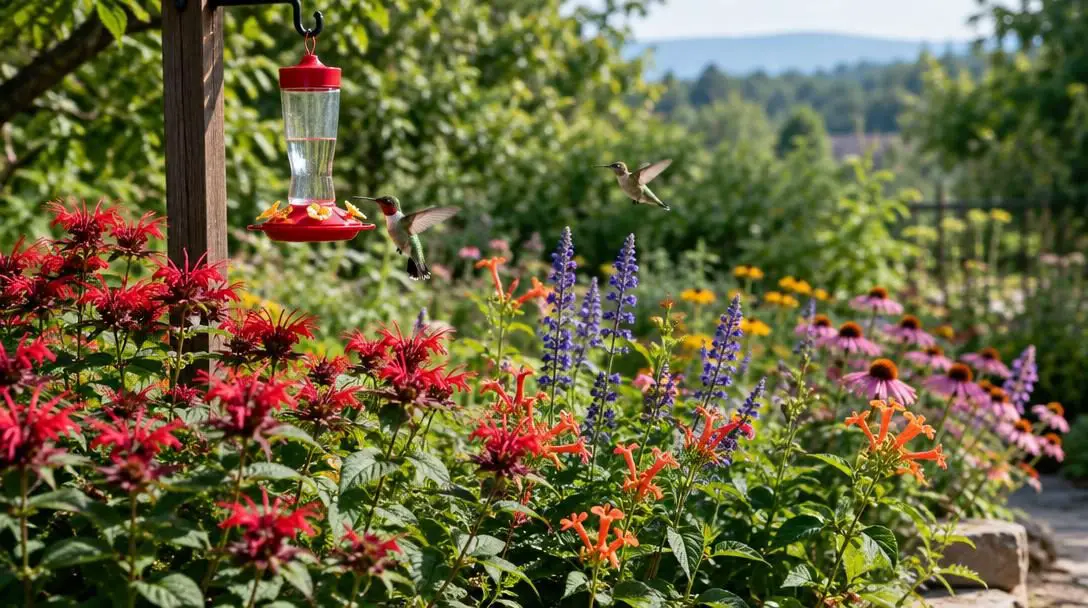
Pollinator attractors, including nectar-rich flowering annuals and blooming herbs, entice essential winged helpers such as bees and butterflies to the plot. When these beneficial insects arrive to feed on companion flowers, they simultaneously visit adjacent vegetable blooms. This cross-pollination is critical for crops that require insect fertilization to set abundant, well-formed fruit.
| Plant Category | Primary Mechanism | Key Garden Benefits | Representative Species |
|---|---|---|---|
| Nitrogen Fixers | Biological conversion of atmospheric nitrogen | Supplies natural fertility to nitrogen-hungry neighbors | Beans, peas, and other legumes |
| Insect Repellents | Strong scents and natural biochemical secretions | Masks host plants, drives off whiteflies and hornworms | Marigolds, garlic, basil |
| Soil Improvers | Deep root penetration into lower subsoil | Accumulates minerals and improves topsoil nutrient availability | Comfrey, yarrow |
| Pollinator Attractors | Nectar-rich blooms and vivid floral displays | Increases cross-pollination rates and fruit set | Flowering herbs, companion blooms |
Time-Tested Pairings for Garden Beds
Pairing vegetables, herbs, and flowers allows growers to combine physical support, pest suppression, and microclimate moderation within a single planting area.
Rather than treating a garden as an isolated set of identical rows, companion planting views the garden space as an interactive community.
The Three Sisters
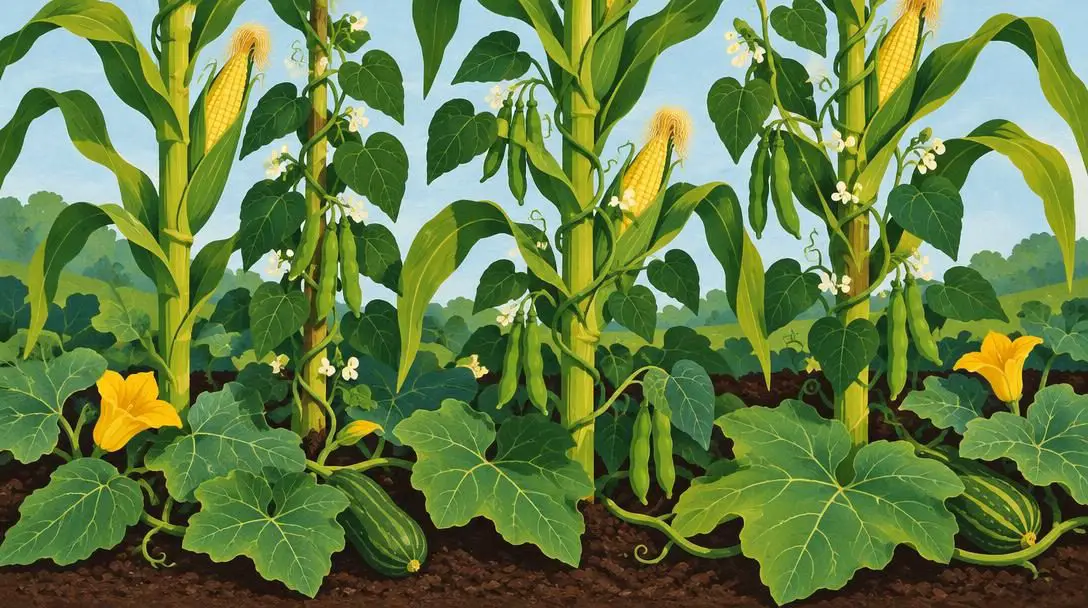
The Three Sisters method—combining corn, beans, and squash—is the most famous example of vegetable-on-vegetable partnership. In this traditional arrangement, each plant fills an essential physical and biological niche:
- The rigid corn stalks provide a living trellis for climbing pole beans.
- The beans stabilize the corn against heavy winds while fixing nitrogen in the soil to feed the corn and squash.
- The broad, prickly leaves of squash sprawl across the ground, acting as a living mulch that suppresses weed germination and retains soil moisture.
Tomatoes and Basil
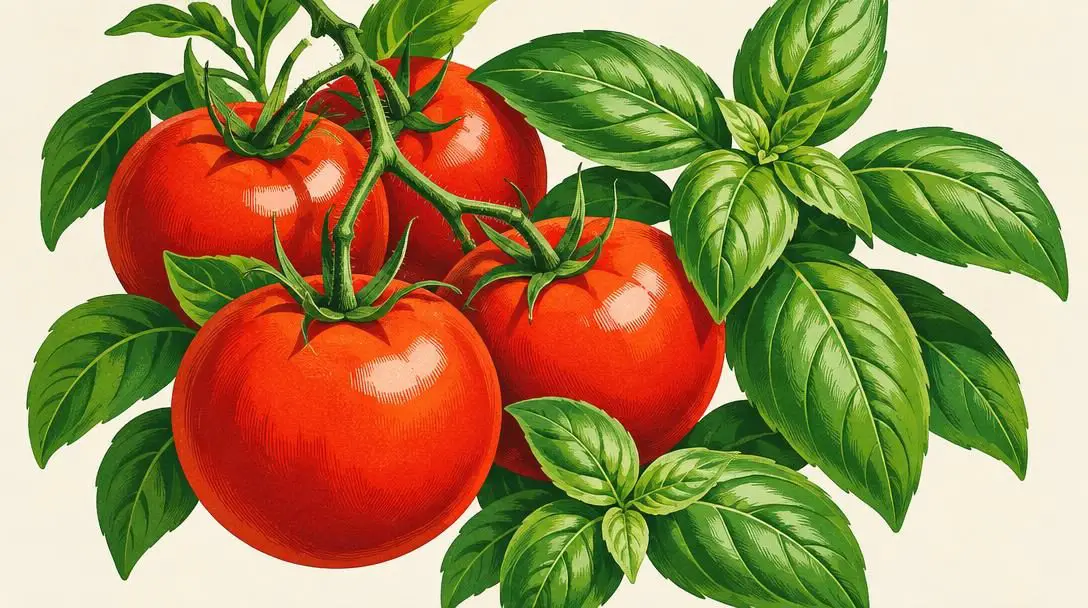
Pairing basil alongside tomato plants is a classic companion strategy. Basil produces strong aromatic compounds that help to repel hornworms and other destructive garden insects. In addition to offering physical protection, this combination is widely noted by growers for helping to improve the overall flavor of the tomatoes as they ripen.
Carrots and Onions
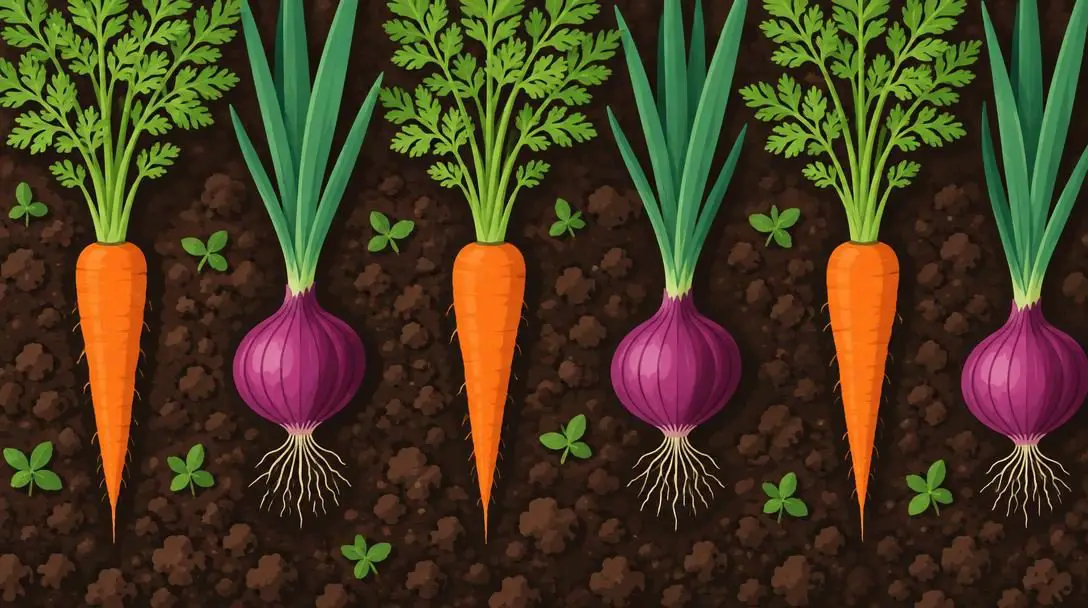
Carrots and onions form a mutually protective barrier against specialized garden pests. The pungent scent of onions effectively masks the earthy aroma of carrots, preventing carrot flies from locating and destroying the root crop. In turn, the scent profile of carrots helps disrupt pests that target alliums, making this a compact, highly efficient pair for small beds.
Cucumbers and Dill
Cucumbers benefit significantly from the presence of dill. As dill matures and flowers, its delicate umbels attract predatory insects like beneficial wasps that prey on common garden pests. Dill thrives in the same moist, fertile conditions that cucumbers favor, making them simple to manage within the same bed.
Lettuce and Chives
Planting shallow-rooted lettuce alongside chives creates a compact partnership ideal for small containers or raised beds. Chives provide gentle pest deterrence around the tender leaves of salad greens, keeping soft-bodied insects at bay without competing heavily for root space.
Incompatible Plants to Keep Apart
Just as some species thrive together, others actively hinder each other when planted in close proximity. Pairing incompatible species can lead to stunted development, nutrient starvation, or devastating disease outbreaks.
Onions and Beans
Planting onions or other members of the allium family adjacent to beans can stunt bean development. Alliums produce biochemical secretions that disrupt the root systems of legumes, preventing them from forming the symbiotic nodules necessary to fix nitrogen in the soil.
Tomatoes and Potatoes
Tomatoes and potatoes should never share the same planting bed. Because both plants belong to the nightshade family, they are vulnerable to the exact same destructive pathogens, including blight. Placing them side by side creates an open corridor that allows fungal and viral infections to spread rapidly through both crops.
When assessing why certain plants fail together, growers generally look at three distinct limiting factors:
- Competition for resources: Species with identical root depths or heavy requirements for the exact same micronutrients deplete the soil quickly, leaving both plants stressed.
- Allelopathy: Certain plants naturally exude biochemical compounds from their roots, leaves, or decomposing plant matter that inhibit the germination and growth of neighboring varieties.
- Pest and disease risks: Grouping closely related botanical varieties concentrates host plants in one area, inviting targeted insect infestations and accelerating disease transmission.
Core Companion Planting Techniques
Growers use several distinct planting arrangements to translate companion principles into an organized, productive growing space.
Intercropping
Intercropping is the practice of planting two or more different crops in close physical proximity. By matching plants with contrasting root depths—such as deep taproots alongside shallow fibrous roots—gardeners maximize space efficiency and minimize direct competition for water and nutrients.
Succession Planting
Succession planting involves staggering planting dates throughout the season to ensure a steady, continuous harvest. When an early-season companion finishes its life cycle, a later variety is sown in its place, preventing harvest gluts and keeping the garden bed actively covered and productive.
Trap Cropping
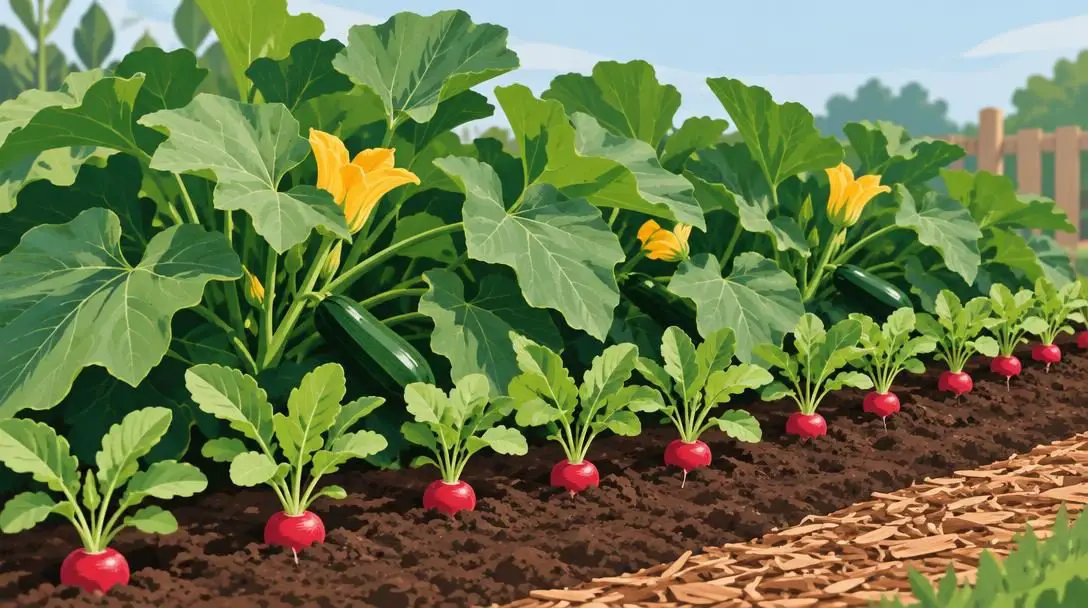
Trap cropping uses sacrificial plants to lure insects away from the main harvest. For example, planting radishes alongside squash plants attracts destructive squash bugs directly to the radishes, leaving the primary squash vines unmolested and healthy.
Polyculture
Polyculture involves cultivating a diverse mosaic of crops across the entire bed rather than planting single-crop blocks. This ecological diversity mimics natural systems, making it difficult for specialized pests to establish a foothold while providing a welcoming habitat for beneficial predatory insects.
Step-by-Step Guide to Designing a Companion Bed
Designing an organized companion garden requires proactive planning before seeds or seedlings are placed in the ground. Following a methodical setup ensures each pairing receives appropriate light, water, and root space.
- Map your garden beds: Sketch the dimensions of your growing area. Note where tall plants like corn or trellised tomatoes will cast afternoon shade, allowing you to position cool-season companions in their shadow and sun-loving crops in full exposure.
- Select your anchor crops: Identify the primary high-value vegetables you intend to harvest, such as tomatoes, squash, or sweet corn. These key selections serve as the structural anchors of your layout.
- Choose beneficial secondary partners: Select complementary herbs, flowers, and vegetables to support your anchors. Pair nitrogen-fixing legumes with heavy-feeding corn, or surround tomatoes with marigolds and basil.
- Assign pest-management zones: Position dedicated trap crops along the outer edges or corners of the bed. Reserving specific pockets for radishes will draw pests away from your main crops before they cause damage.
- Plan for planting timing: Use succession schedules to align sowing dates. Determine which early greens can be harvested before sprawling vine crops expand and require the remaining surface area.
- Monitor and adjust throughout the season: Watch the physical interactions of your plants as they mature. Check whether taller foliage is blocking needed sunlight or whether specific companion herbs are successfully warding off pests.
Common Companion Planting Mistakes to Avoid
First-time companion gardeners often face unexpected challenges when balancing multiple plant species in tight spaces. Steering clear of common oversights will keep your garden vigorous and high-yielding.
- Ignoring mature growth habits: Failing to plan for full adult dimensions can cause tall crops to shade out sun-loving plants, while aggressive ground creepers can strangle neighboring seedlings.
- Pairing incompatible species: Overlooking botanical incompatibilities, such as positioning onions alongside beans or tomatoes near potatoes, invites stunted growth and shared blight.
- Overcrowding garden beds: While intercropping saves space, planting too tightly restricts airflow, elevating humidity levels and inviting powdery mildew and fungal diseases.
- Relying on single plant types: Planting only one or two varieties limits the ecosystem benefits of companion planting. Incorporating a broad mix of fixers, repellents, and attractors yields far better pest resilience.
- Neglecting baseline soil maintenance: Companion planting supports soil vitality, but it cannot replace fundamental care such as organic mulching, consistent watering, and regular compost applications.
Long-Term Strategies for Sustainable Plots
Once you establish successful plant partnerships, you can refine your layout over subsequent growing seasons to compound your garden's health and productivity.
Integrating companion groupings into a comprehensive crop rotation schedule is vital. Because different plant families extract unique nutrients and attract specific pests, moving companion clusters to different beds each year keeps the soil balanced. Following heavy-feeding groups with legume-based nitrogen-fixing pairings ensures that soil fertility naturally rebuilds without relying heavily on synthetic inputs.
In addition, observing local pest and pollinator cycles helps tailor companion selections to your microclimate. Keeping detailed annual notes on which trap crops succeeded, which pairings produced the best harvests, and how different plant structures interacted will allow you to continually improve your plot year after year.
Frequently asked questions
How does companion planting reduce the need for chemical pesticides?
Companion planting reduces chemical use by introducing insect-repellent varieties like marigolds and garlic, which mask host plants with pungent aromas, and trap crops like radishes that lure pests away from primary crops. Additionally, flowering companions attract beneficial predatory insects that naturally control pest populations.
Why shouldn't tomatoes and potatoes be planted together?
Tomatoes and potatoes belong to the same botanical family (Solanaceae) and are susceptible to the exact same diseases, particularly blight. Planting them adjacent to each other makes it easy for pathogens to spread rapidly across both crops, potentially ruining the entire harvest.
What makes the Three Sisters combination so effective?
The Three Sisters method combines corn, beans, and squash to create a self-sustaining system. The corn provides physical support for climbing beans, the beans fix nitrogen in the soil to feed the other two crops, and the wide leaves of the squash act as living mulch to retain soil moisture and suppress weed growth.
Can companion planting completely replace organic fertilizers?
While nitrogen-fixing legumes and deep-rooted dynamic accumulators like comfrey bring valuable nutrients into the upper soil, companion planting is not an absolute replacement for baseline soil maintenance. Gardeners should still provide proper compost, organic matter, and balanced watering to maintain healthy beds.
How do carrots and onions protect each other in the garden?
Onions emit a pungent aroma that masks the scent of carrots, preventing carrot rust flies from detecting the root crop. Simultaneously, the aromatic foliage of carrots helps confuse and deter insects that target alliums, creating mutual protection.
The bottom line
Companion planting transforms a simple vegetable plot into a diverse, self-supporting ecosystem. By combining nitrogen fixers, insect repellents, dynamic soil accumulators, and pollinator magnets, gardeners can maximize yields and protect plant health naturally. By respecting natural plant growth habits, steering clear of incompatible pairings, and planning beds with care, you can build a sustainable, bountiful garden that thrives season after season.