The Art of Deadheading: Tips for Promoting More Blooms in Your Garden
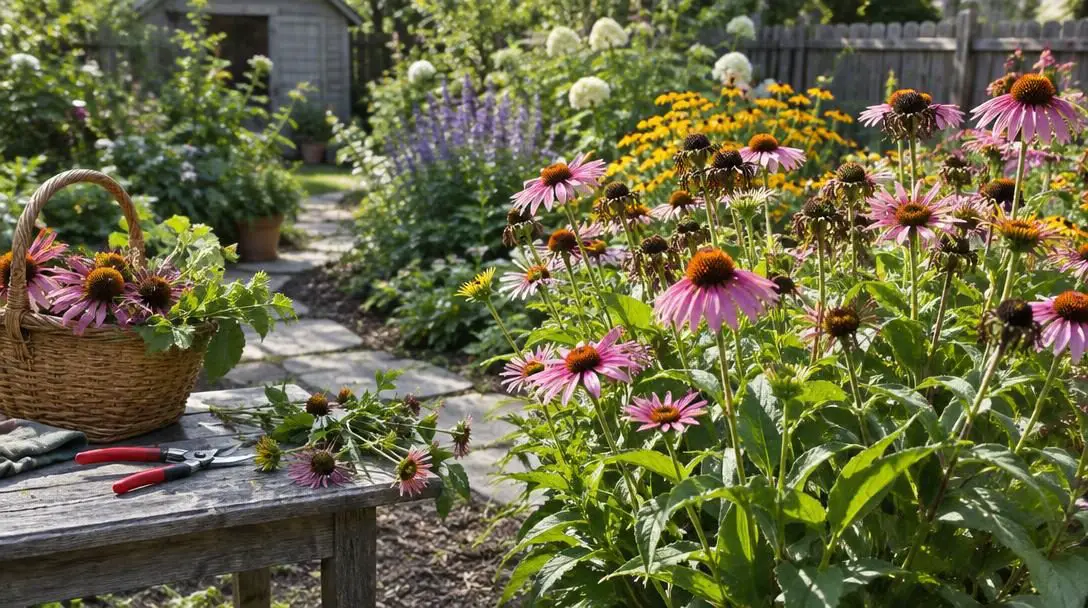
For gardening enthusiasts, the satisfaction of maintaining a flourishing landscape goes far beyond the initial planting and spring preparation. As flowering annuals, perennials, and shrubs move through their natural lifecycles, blossoms unfurl, achieve their peak vibrancy, and eventually fade. When left unattended, spent flowers turn brown, wither, and leave flower beds and patio containers looking tired and disorderly.
The traditional horticultural remedy for this mid-season decline is deadheading, the deliberate practice of clipping or pinching off spent blooms before they transition into seed development. By stepping in to remove faded flower heads, gardeners can dramatically transform untidy borders into lush, perpetually flowering showcases that remain vibrant from early summer straight through to the end of the growing season.
Key takeaways
- Deadheading halts the reproductive cycle, redirecting energy away from seed formation and into new buds and foliage.
- Using clean, sharp tools prevents the spread of bacteria and fungi while protecting tender stem tissue from tearing.
- Different plant species require specific pruning methods, ranging from fingertip pinching to broad shearing.
- Removing more than one-third of a plant's foliage at a single time risks inducing shock and stalling growth.
- Spring-blooming bulbs such as tulips and daffodils manage their cycles naturally and do not rebloom after deadheading.
How Deadheading Redirects Plant Energy and Drives New Blooms
To grasp why deadheading works so reliably, it is necessary to examine the biological priorities of flowering plants. From a botanical standpoint, a flower does not exist simply for aesthetic appeal; its ultimate function is reproduction. Once a blossom opens and successful pollination occurs, the petals begin to senesce and wither. At this point, the plant shifts its metabolic priorities away from bud generation and channels its reserves into developing viable seeds and auxiliary structures like seed capsules, pods, or rose hips.
Producing seeds demands an immense expenditure of a plant's stored carbohydrates and nutrients. When gardeners allow spent flowers to linger, the specimen registers that its reproductive imperative has been met, which naturally shuts down further flower production. By deliberately removing these fading blooms before fertilization and seed maturation can take full hold, you disrupt that natural sequence. The plant is denied its goal of setting seed, prompting it to redirect its stored resources into fresh vegetative shoots and secondary flower buds.
Interrupting seed production channels a plant's vital energy into generating fresh buds rather than maturing seed heads.
This continuous diversion of energy does more than simply lengthen the flowering calendar; it also dramatically improves the quality and density of the display. Instead of an unkempt plant covered in dried brown capsules and sparse, leggy growth, regular deadheading encourages a compact, bushy habit crowded with colorful petals.
Essential Tools for Clean Trimming
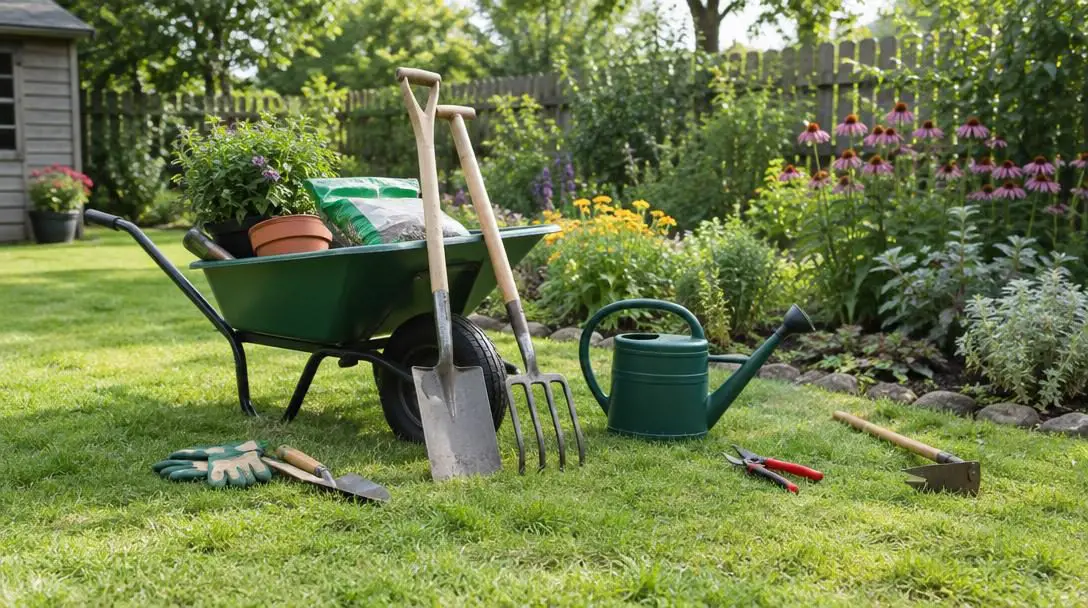
Using the proper cutting implement ensures that each cut heals smoothly without crushing plant tissues or opening entry points for environmental pathogens. The physical density of the stem and the accessibility of the bloom determine which tool is best suited for the task.
| Tool | Ideal Stem Type | Key Advantage | Recommended Maintenance |
|---|---|---|---|
| Pruning Shears | Thick, woody, or fibrous stems | Delivers clean, decisive cuts without crushing tissue | Sharpen blades regularly; oil pivot point |
| Garden Scissors | Tender, thin, or delicate stems | High maneuverability within tight foliage clusters | Wipe clean after use to prevent sap buildup |
| Sharp Knife | Single stems and clustered branch junctions | Quick, flat cuts directly at the base of the bloom | Hone blade frequently for an effortless slicing edge |
| Bare Fingers | Succulent, soft, and brittle annual stems | Instant convenience with zero equipment needed | Wash hands thoroughly to remove sticky plant juices |
Pruning Shears
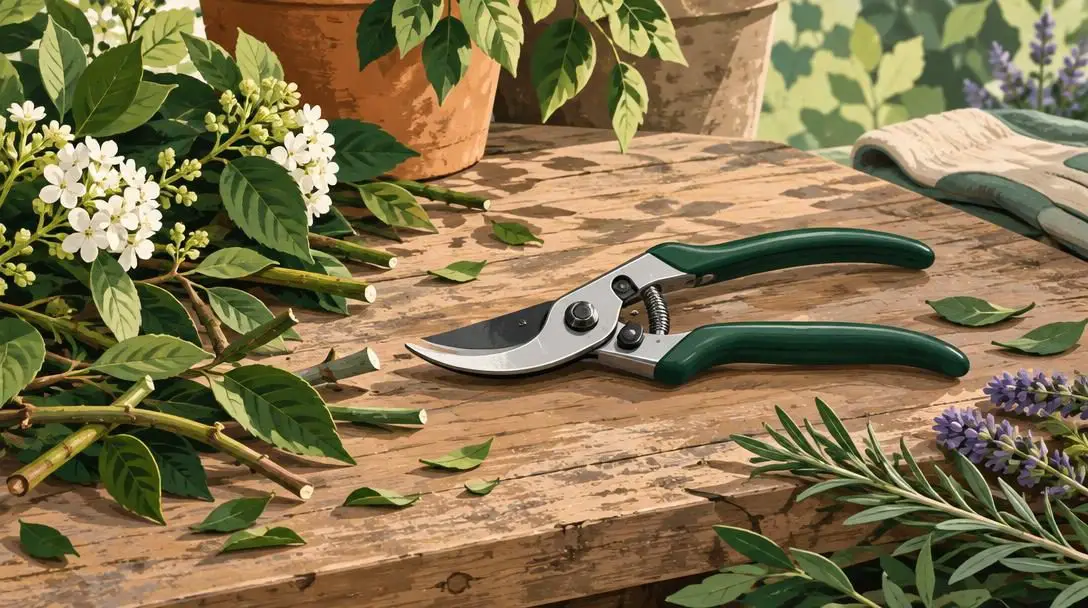
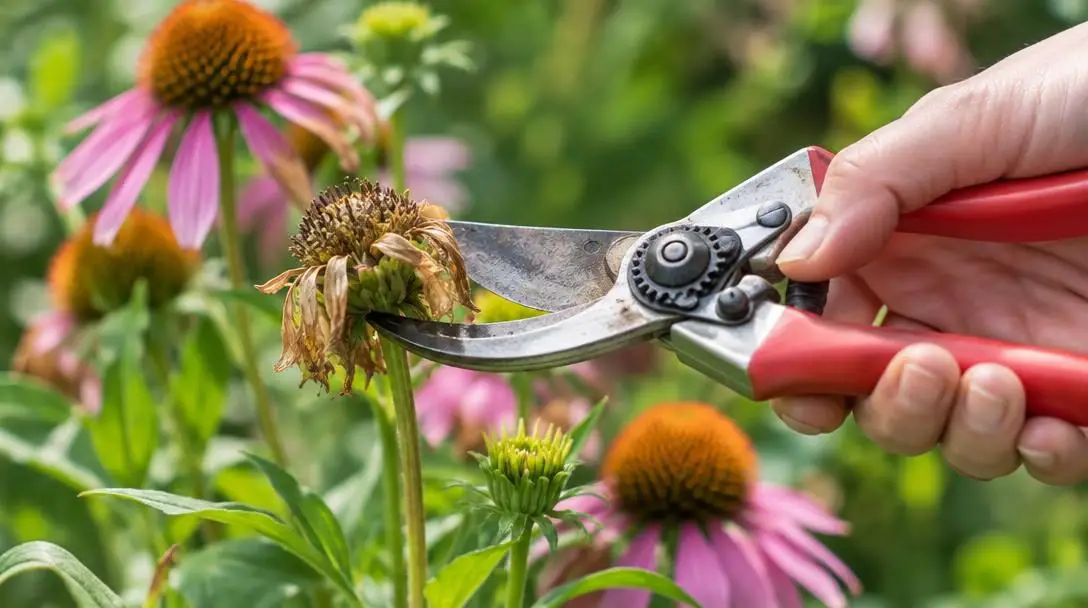
Pruning shears, particularly bypass models, represent the standard choice for trimming thicker, woody, or fibrous stems. When dealing with sturdy stems like those found on mature rose bushes or thick-stemmed perennials, shears provide the necessary mechanical leverage to execute a clean, decisive slice. Dull or improper blades risk crushing the vascular bundle of the stem, which invites dieback and fungal decay.
Garden Scissors
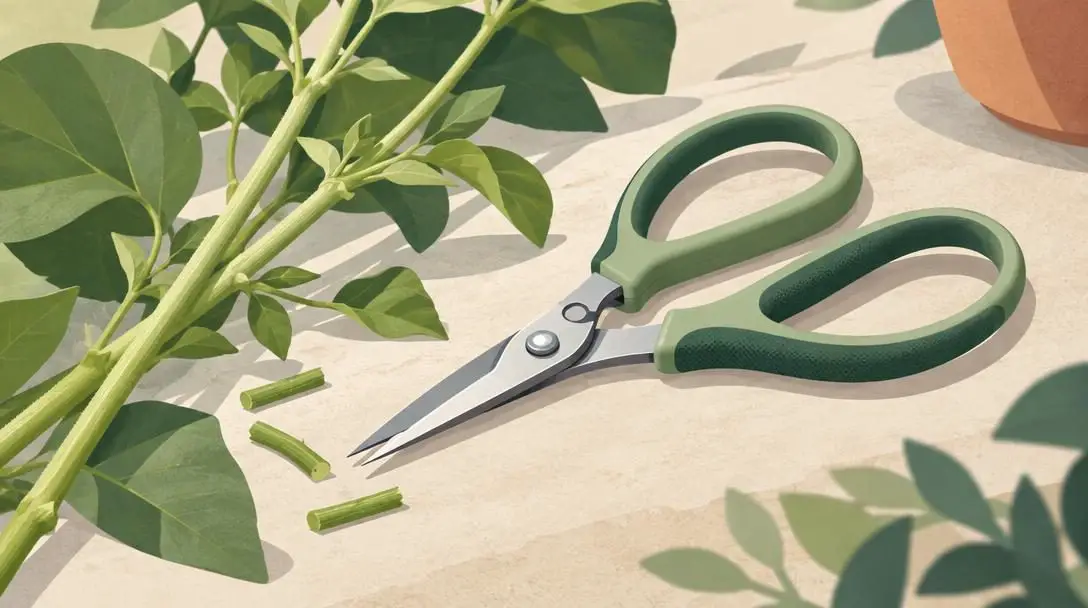
Lightweight garden scissors excel when working with tender, slender stems positioned in cramped arrangements. Their compact profile allows you to weave between tight leaf nodes and fragile new buds without accidentally snipping nearby growth. Scissors are particularly useful for container plantings, hanging baskets, and delicate border flowers where bulky pruning shears prove too unwieldy.
A Sharp Knife
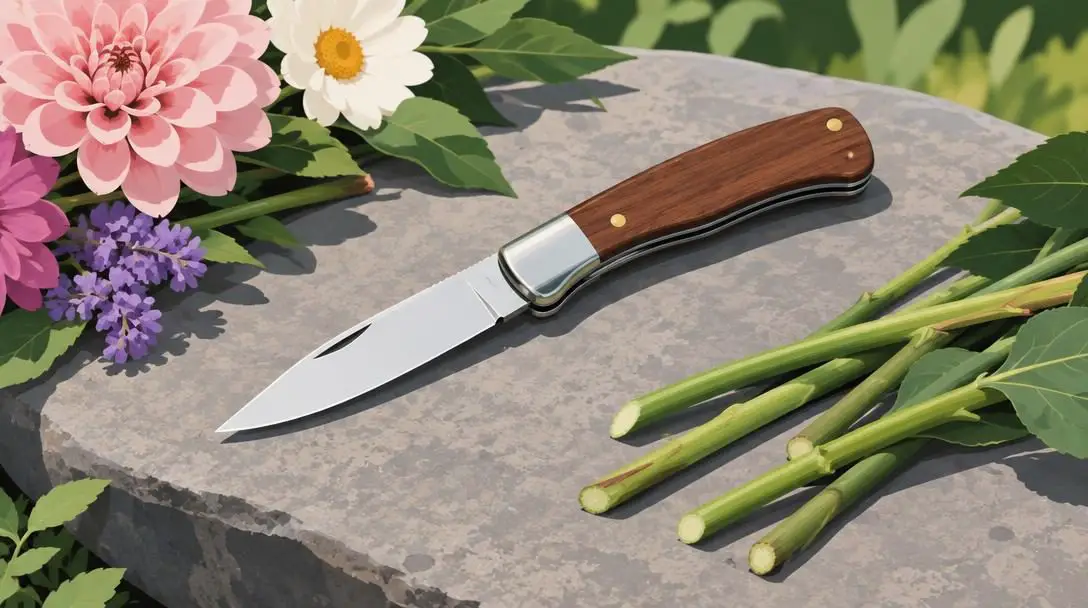
A well-maintained utility or pocket knife offers an effective alternative for slicing individual flower stems cleanly away from main branches or dense foliage clusters. A sharp blade minimizes friction and eliminates the pinching pressure that dull shears might inflict. It requires a steady hand to avoid slipping into adjacent stems or fingers.
Bare Fingers
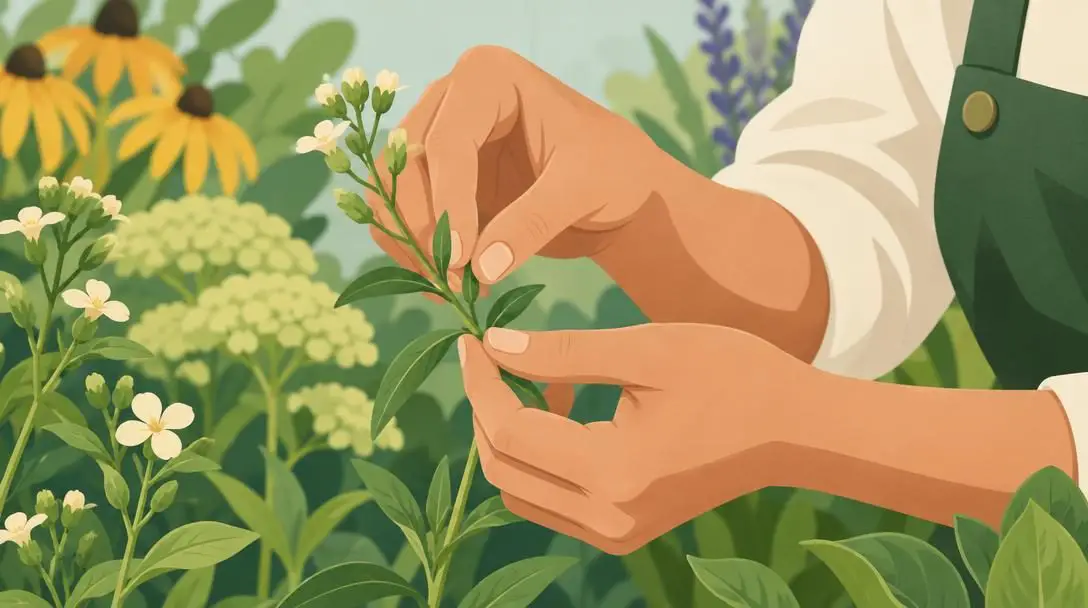
For soft-stemmed ornamentals, your own thumb and forefinger serve as the quickest and most efficient tools. Simply pinching the stem right behind the spent flower head snaps it cleanly at the natural joint. This technique is well suited for quick daily walkthroughs when fetching dedicated tools from the garden shed is impractical.
Primary Deadheading Techniques for Garden Varieties
Every plant exhibits distinct growth habits, branching patterns, and floral architectures. Selecting the deadheading method matched to a plant's physical structure guarantees optimal recovery and rapid reblooming.
Pinching
The pinching method relies entirely on manual dexterity and works best on plants with succulent, brittle stems. By securing the stem between the thumbnail and forefinger just below the flower head, a gentle squeeze and snap breaks the stem cleanly. Plants with soft stems snap off at their nodes with negligible resistance, leaving an undamaged node poised to branch out.
Cutting
Cutting is required for plants featuring thick, fibrous, or solitary flower stalks that resist pinching. Attempting to pinch a fibrous stem often tears the outer bark and leaves a ragged wound. Using shears or scissors, gardeners cut the stem directly beneath the spent blossom or trace it back to the first healthy set of leaves, ensuring a flat, sanitary wound that calluses quickly.
Shearing
When cultivating low-growing groundcovers or dense perennials covered in hundreds of tiny blossoms, attending to each spent flower individually is practically impossible. Shearing involves trimming the entire plant back across its canopy using hedge shears or large garden scissors. This broad trim clears away hundreds of faded petals simultaneously and revitalizes the plant's shape, encouraging a unified flush of fresh foliage and new buds.
Step-by-Step Guide to Deadheading Your Garden
Adopting an orderly approach prevents accidental damage to budding stems and makes routine garden care both rewarding and time-efficient. Follow these steps to deadhead effectively:
- Inspect the garden bed: Walk through your planting areas regularly to evaluate the condition of individual blooms. Look for petals that have begun to wilt, lose their vivid coloration, drop to the ground, or turn dry and brown.
- Sanitize your cutting tools: Clean the blades of your shears, scissors, or garden knife before making your first cut. Proper sanitization eliminates bacterial and fungal residues that could colonize exposed stem cuts.
- Identify the correct cut location: Trace the spent flower down the stalk until you reach a healthy set of leaves, a lateral shoot, or an emerging bud. For single-stem blooms, identify the junction just below the flower base.
- Execute a clean removal: Apply your chosen technique—pinching soft stems, slicing cleanly with shears, or shearing broad mats to a uniform height. Ensure cuts are smooth and perpendicular to the stem without tearing the outer bark.
- Monitor total removal volume: Be mindful of how much green foliage you prune away while cutting off spent flowers. Retaining abundant leaves is necessary for ongoing photosynthesis and plant vigor.
- Gather and dispose of garden debris: Collect all severed blooms and petals from the surface of the soil around the base of your plants. Removing fallen litter keeps the root zone clean and discourages pests and diseases.
Plants That Rely on Deadheading to Continue Blooming
Certain flowering varieties respond enthusiastically to regular trimming, repaying the gardener's efforts with wave after wave of vibrant color throughout the season.
Marigolds
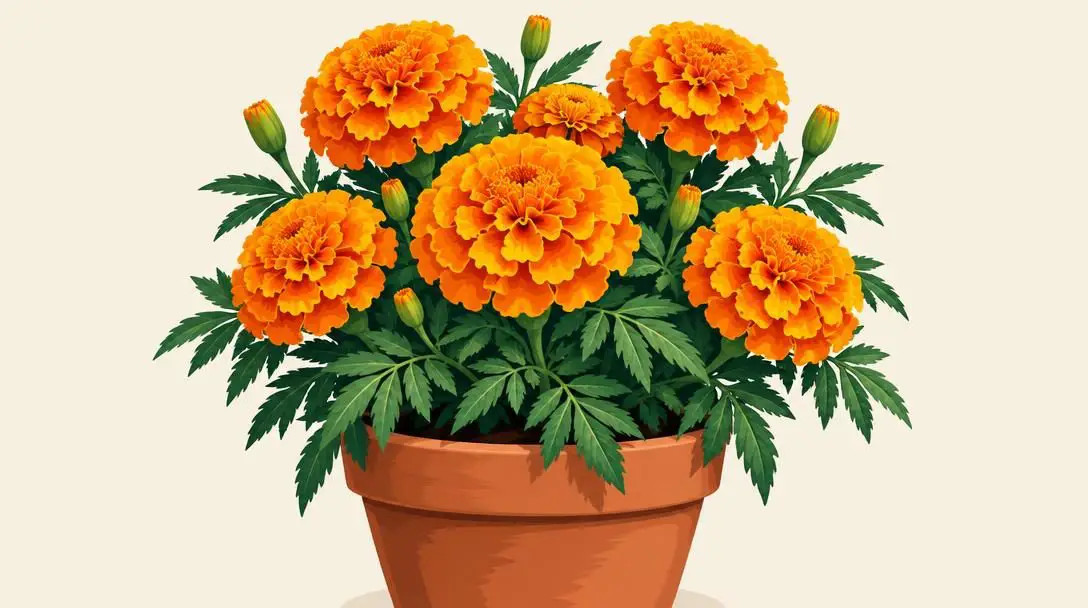
- Stem Type: Brittle and succulent
- Recommended Method: Pinching or snipping
- Flowering Response: Continuous branching and bud set
Marigolds are warm-season garden staples that produce an abundance of bright yellow, orange, and bronze blooms. Their primary objective during warm weather is rapid seed production. When deadheaded regularly, marigolds stop channeling nutrients into their seed heads, resulting in bushier foliage and a steady succession of blooms until the first killing frost.
Petunias
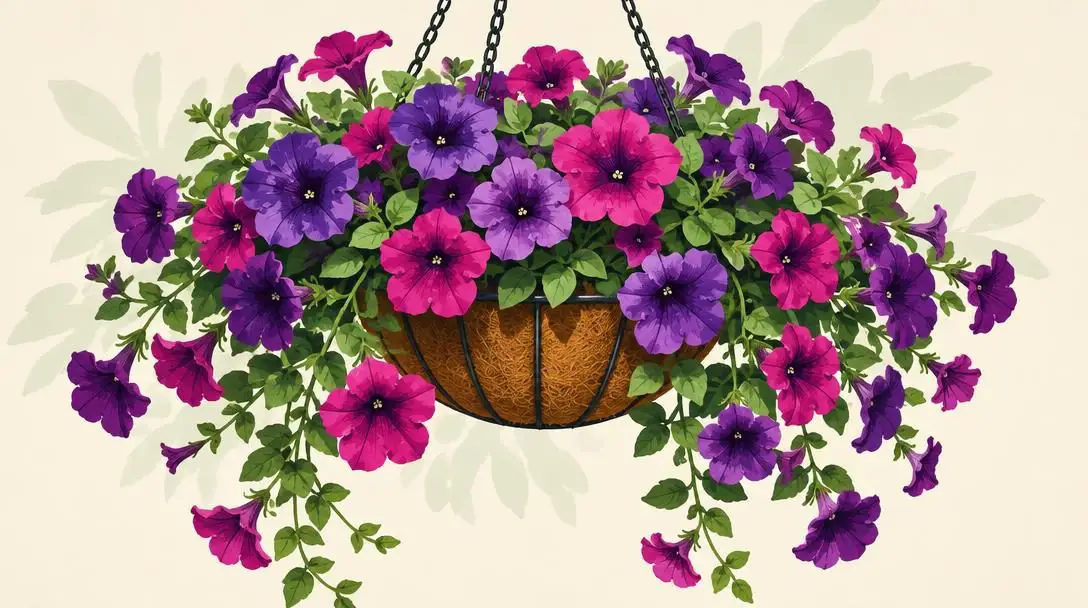
- Stem Type: Soft, slender, and slightly sticky
- Recommended Method: Pinching with fingernails
- Flowering Response: Rapid production of secondary stems
Petunias tend to become leggy and sluggish if left to their own devices in late summer. As the tubular flowers fade, they collapse into limp, sticky husks. Pinching off the faded blossom along with the green base prevents seed formation and encourages lateral shoots, keeping window boxes, containers, and beds dense and covered in color.
Geraniums
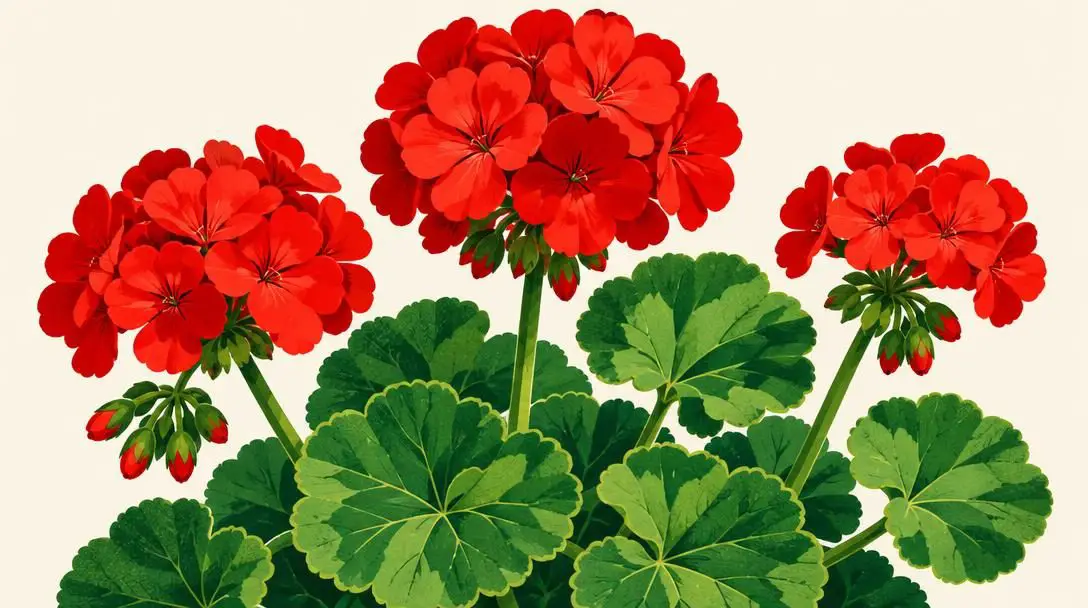
- Stem Type: Fleshy and semi-succulent
- Recommended Method: Snapping or clean cutting
- Flowering Response: Emergence of fresh floral umbels
Zonal and regal geraniums produce their flowers in rounded clusters known as umbels. As individual florets inside the cluster fade and turn brown, the entire head loses its decorative value. Tracing the flower stem down to where it joins the main branch and snapping it downward cleanly removes the spent stalk, encouraging the plant to throw up new flower spikes.
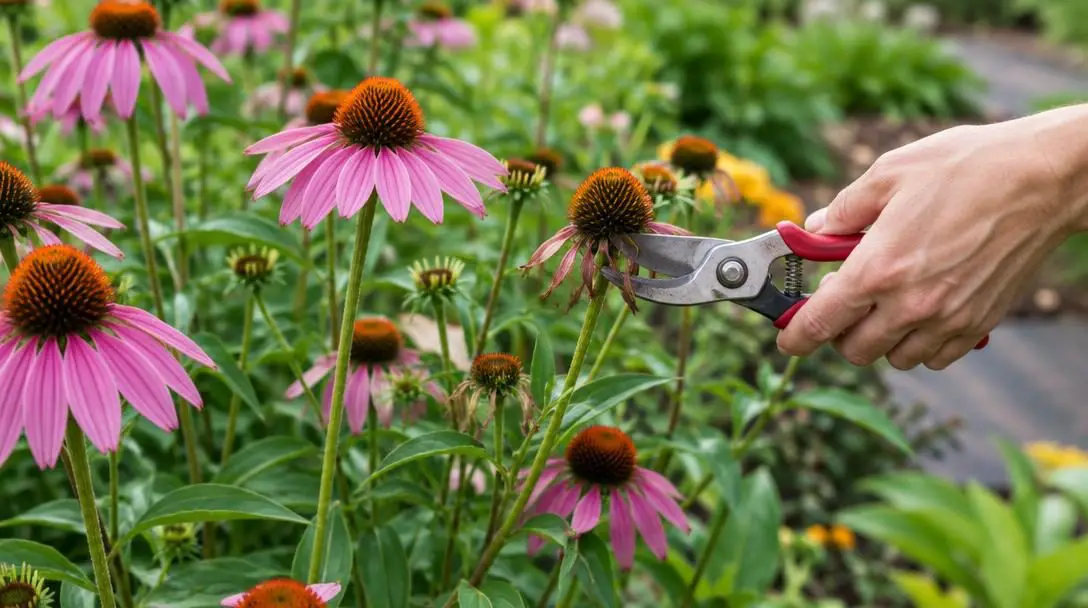
Daisies
- Stem Type: Sturdy and fibrous
- Recommended Method: Cutting with garden scissors
- Flowering Response: Prolonged blooming through mid-to-late summer
Daisies produce prominent central disks that quickly transition into seed pods once their outer ray petals droop. Because their stems are fibrous and resist clean pinching, snipping spent daisy heads off down to the nearest healthy leaf axle prevents the central cone from sapping the plant's stamina, prolonging their characteristic summer show.
Roses
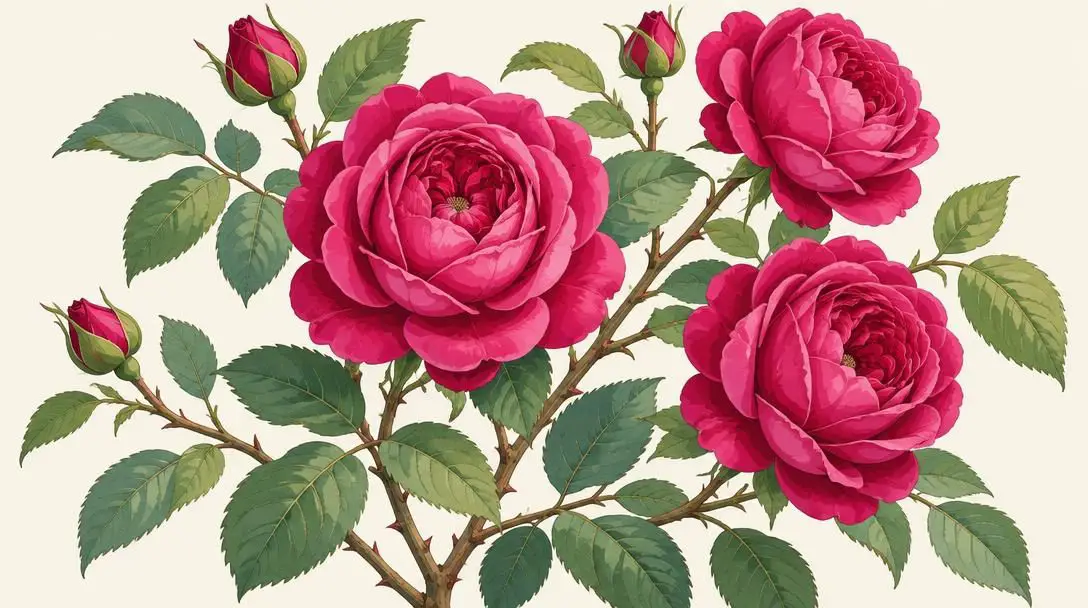
- Stem Type: Woody and thorny
- Recommended Method: Pruning shears
- Flowering Response: Interruption of hip development to spark new buds
Roses are famous for producing vitamin-rich seed pods known as hips once their blossoms shed their petals. Producing these hips requires massive amounts of internal energy. By using sharp pruning shears to cut back spent rose stems just above an outward-facing leaf bud, gardeners stop hip formation and cue the bush to generate a new flush of fragrant blooms.
Sunflowers
- Stem Type: Heavy, fibrous, and rough
- Recommended Method: Pruning shears or sharp knife
- Flowering Response: Lateral bud growth on branching varieties
While giant single-stem sunflowers produce only one large head that must be left intact if seeds are desired, multi-branching sunflower varieties respond well to deadheading. Trimming faded terminal flowers just underneath the head preserves lower foliage and forces the plant to direct its energy into smaller lateral flower buds positioned lower on the stalk.
Varieties That Do Not Benefit from Deadheading
While deadheading works wonders across many garden favorites, applying it universally is unnecessary and, in some cases, counterproductive. Several popular plant species operate under biological rhythms that deadheading cannot influence.
Spring-flowering bulbs like tulips and daffodils are prime examples of plants that manage their lifecycles naturally. Once a tulip or daffodil blossom fades in mid-spring, clipping the stem will not induce a second wave of blooms. These species possess a predetermined flowering cycle regulated by winter chilling and seasonal temperatures. After their spring show ends, the plants must allow their green foliage to photosynthesize undisturbed, storing carbohydrates in the underground bulb to support next year's single bloom.
Common Deadheading Mistakes That Damage Plants
Although deadheading is an accessible gardening task, several common oversights can undermine plant health and reduce future flowering:
- Using dull or uncleaned cutting tools: Dull blades crush delicate vascular pathways instead of severing them cleanly, leaving jagged wounds that take longer to heal and inviting bacterial blights or pests into the tissue.
- Cutting away excessive foliage: Pruning off more than one-third of the plant's overall mass in one pass deprives the specimen of vital photosynthetic area, sending the root system into shock and stunting bud development.
- Leaving plant clippings beneath the canopy: Allowing severed flower heads to collect on top of damp garden soil creates a moist breeding ground for mold, mildew, and soil-dwelling pests.
- Inconsistent or delayed trimming: Waiting until an entire bed has completely turned brown forces plants deep into the seed-maturation cycle, making it far harder to coax out a vigorous second wave of blooms.
- Deadheading spring bulbs to force reblooming: Expecting repeat flushes from species with fixed single-bloom cycles, such as tulips, wastes effort and can disrupt the natural replenishment of the bulb.
Waste Management and Ongoing Maintenance Routines
Maintaining a flourishing garden requires pacing your efforts to match your plants' growth rates. Fast-paced annuals in hot midsummer weather often require daily check-ins, while slower perennial beds may only demand attention once a week or once a month. Establishing a consistent rhythm ensures fading petals are removed before seed development can drain the plant's resources.
Responsible disposal of your garden waste completes the cycle. Discarded flower heads and trimmed stems should be collected from the ground immediately after cutting. Healthy, disease-free trimmings can be placed directly into a well-managed compost pile. Over time, microbial decomposition converts these spent blooms into dark, crumbly organic compost that can be worked back into your garden beds, providing essential nutrients that will support future flushes of blooms.
Frequently asked questions
Does deadheading hurt the plant?
No, deadheading does not harm a plant when performed correctly with sharp, clean tools. It benefits the plant by preventing it from wasting resources on seed production, redirecting that energy into new stems, leaves, and flower buds.
How often should I deadhead my flowering plants?
Inspection frequency depends on the plant variety and weather conditions. Fast-growing annuals like petunias and marigolds may require daily attention during warm summer peaks, whereas hardier perennials often only need trimming on a weekly or monthly schedule.
Can I compost the flowers I remove?
Yes, healthy flower heads and stem trimmings make excellent additions to a backyard compost pile. However, if the spent blooms show signs of fungal infection, rot, or insect infestation, they should be discarded in household trash instead.
Why shouldn't I deadhead tulips and daffodils for more flowers?
Tulips and daffodils have a predetermined growth cycle that produces only one bloom per bulb per season. Deadheading will not force them to produce new flowers, as their post-bloom energy is directed into recharging the underground bulb for next spring.
What happens if I forget to deadhead my garden?
If you skip deadheading, plants will proceed with their natural reproductive cycles, directing their energy into maturing seeds and fruit. This typically leads to fewer new flowers, a leggier plant habit, and an unkempt appearance.
The bottom line
Deadheading is one of the most rewarding and straightforward maintenance tasks a gardener can master. By removing spent blossoms before they produce seed, you channel valuable resources back into healthy foliage and fresh flower buds. Armed with sharp tools, proper pruning methods, and a regular schedule, you can easily keep your beds, borders, and containers lush, healthy, and colorful all season long.