The Art of Pruning: How to Shape Your Garden’s Trees and Shrubs
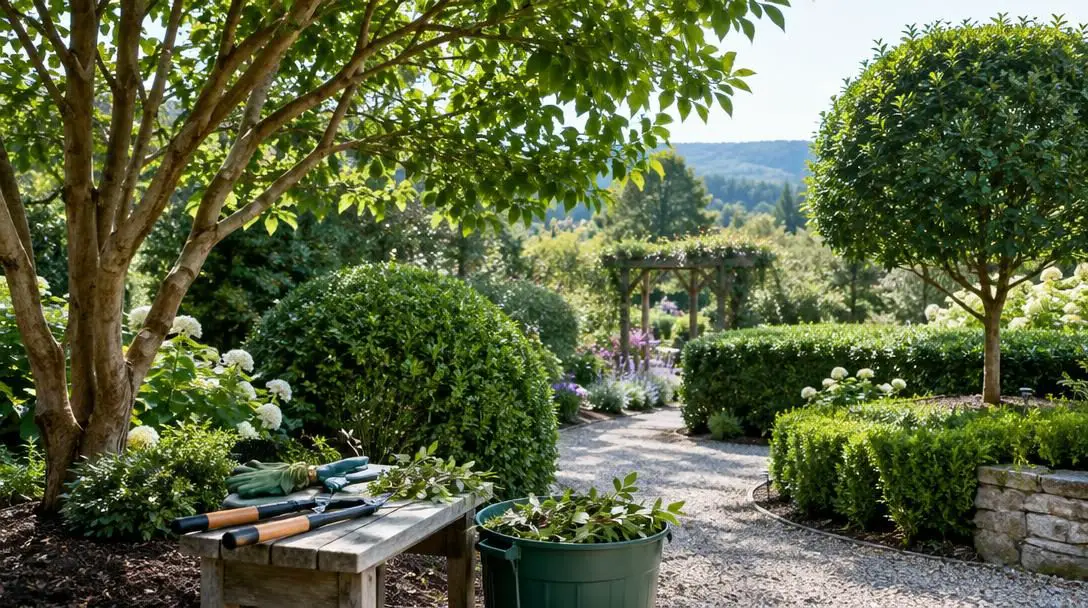
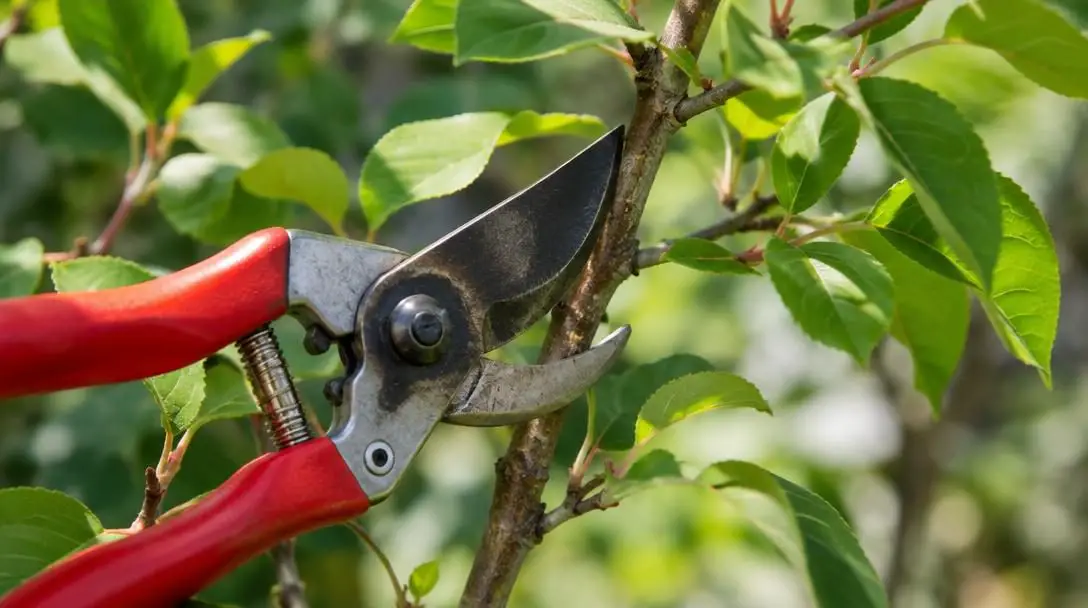
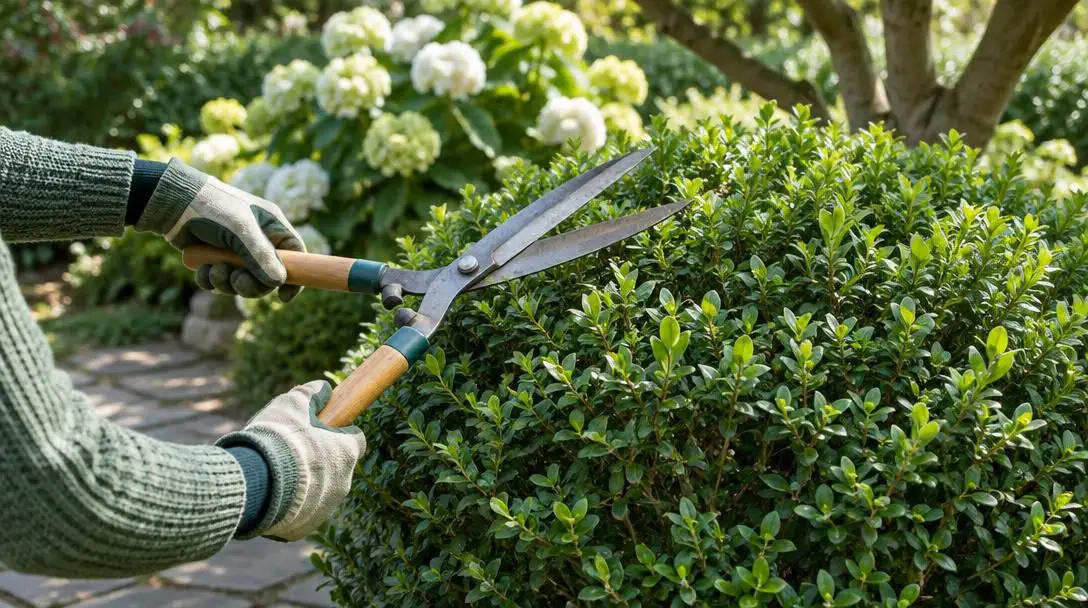
Pruning is one of the most transformative practices in horticulture, bridging the gap between wild, unmanaged plant habit and intentional garden design. Left entirely to nature, woody trees and shrubs will steadily produce stems and foliage, but this unrestrained growth often creates dense tangles of crowded branches, weak structural joints, and heightened susceptibility to environmental stress. By taking an active hand in guiding plant development, gardeners direct precious energetic resources toward sturdy scaffolding, rich foliage, and an abundance of seasonal blossoms or fruit. Mastering this garden discipline requires balancing the visual goals of symmetry, proportion, and scale with the biological realities of woody vegetation. Every cut made with a shear or saw triggers a direct hormonal reaction within the plant, altering its growth trajectory for months or years to come. Understanding the science behind these botanical responses allows you to work alongside natural cycles, transforming unruly thickets into resilient, thriving focal points that enhance your outdoor living space. <div class="takeaways"> <h2>Key takeaways</h2> <ul> <li>Pruning removes dead, damaged, or crowded growth to optimize sunlight exposure, air circulation, and structural integrity.</li> <li>Cutting the terminal bud removes hormonal suppression and forces dormant lateral buds to develop fuller side branches.</li> <li>Gardeners must never remove more than 25 percent of a plant's foliage in a single season to prevent photosynthetic starvation and acute stress.</li> <li>Deciduous trees are best pruned during late winter dormancy, whereas spring-flowering shrubs must be pruned immediately after blooming.</li> </ul> </div> <h2>The biological mechanisms behind pruning cuts</h2> <p>To prune with confidence, a gardener must first appreciate how woody plants function on a cellular level. Growth does not occur uniformly throughout a branch; instead, it is driven by specialized clusters of actively dividing cells known as <strong>meristems and buds</strong>. The tip of each primary shoot houses a terminal bud, which produces signaling hormones that travel downward through the stem. These hormones exert apical dominance, a biological mechanism that suppresses the dormant buds situated lower down along the branch from sprouting prematurely.</p> <p>When you intervene with a cutting tool, you fundamentally redirect these hormonal signals. Interrupting apical dominance forces the plant to distribute its sap and energetic reserves outward into the dormant lateral buds. As a result, the plant transforms from a tall, sparse, or leggy stem into a dense, well-branched specimen. By understanding this natural feedback loop, you can guide how tightly or loosely a shrub develops over successive growing seasons.</p> <blockquote class="pull">Thoughtful pruning balances aesthetic garden design with the living requirements of woody plants, redirecting vital resources to build resilient, long-lived specimens.</blockquote> <p>Light penetration and air movement are equally critical to plant physiology. The leaves within a dense canopy rely on sunlight to drive <strong>photosynthesis</strong>, the process that generates the carbohydrates necessary for cellular repair, root expansion, and seasonal growth. When an overgrown thicket shades its own interior, inner leaves wither and die, leaving behind a hollow core filled with dead twigs. Thinning out crowded branches allows sunlight to bathe interior foliage and permits breezes to dry damp surfaces, sharply lowering the moisture conditions favored by destructive fungal pathogens.</p> <aside class="callout warn"><strong>Watch out:</strong> Never cut away more than 25 percent of a plant's live canopy at one time. Stripping too much green tissue deprives the root system of vital photosynthetic energy and can lead to severe stunting or plant decline.</aside> <h2>Three essential pruning methods</h2> <p>Different structural dilemmas require distinct cutting strategies. Choosing the right method ensures that the plant responds with healthy, vigorous shoots rather than erratic, weakened growth.</p> <p>The first foundational approach is the <strong>heading back</strong> technique. Heading back involves trimming off the terminal bud of a branch, which breaks hormonal suppression and stimulates dormant side buds beneath the cut. This technique is favored when a gardener wants to shorten an unruly stem, create denser foliage along an open perimeter, or shape a shrub into a more compact outline.</p> <p>The second primary strategy is <strong>thinning</strong>, which entails removing a whole branch back to its point of origin on a parent limb or to the main trunk. Rather than stimulating localized bushy tufts, thinning reduces branch density throughout the canopy. By selectively clearing congested stems, you significantly enhance interior air circulation and light penetration, creating a balanced, open framework without disrupting the plant's overall natural form.</p> <p>For woody specimens that have suffered years of neglect, overcrowding, or progressive decline, <strong>rejuvenation pruning</strong> provides a radical alternative. This severe technique involves cutting the entire plant down to ground level. Rejuvenation relies on the deep, healthy root system to send up an entirely new flush of vigorous shoots from the root crown or base, resetting the plant's life cycle over several subsequent seasons.</p> <h2>Essential tools for trees and shrubs</h2> <p>Using the proper cutting implement preserves the physical integrity of plant tissues. Attempting to sever a thick branch with an undersized pair of hand clippers crushes delicate inner bark, tearing tissue and creating ragged wounds that struggle to close. Equipping yourself with the correct tools guarantees clean, surgical cuts that support rapid recovery.</p> <h3>Pruning Shears</h3> <p>Pruning shears, also known as hand pruners, are the most frequently used tool in any landscape. These compact, hand-operated cutters are designed for smaller branches and excel at making fine, precise cuts. Their compact profile allows you to slip between tightly packed stems to sever wood directly beside developing buds without damaging adjacent growth.</p> <h3>Loppers</h3> <p>Loppers feature long, sturdy handles that provide substantial mechanical leverage, making them the ideal choice when branches are too thick for hand shears. Loppers can effortlessly cut branches up to two inches in diameter. The extended handles also allow gardeners to reach deeper into congested canopies without scratching their arms on rough bark or thorns.</p> <h3>Pruning Saws</h3> <p>When dealing with mature limbs that exceed the two-inch capacity of hand loppers, a pruning saw is indispensable. Engineered with narrow, curved or straight blades and aggressive, razor-sharp teeth, these saws cut through dense wood on both the push and pull strokes. Their slender design fits smoothly into narrow branch crotches where bulky lopper blades cannot maneuver.</p> <h3>Hedge Shears</h3> <p>Hedge shears feature elongated, straight steel blades designed specifically for shaping and trimming formal hedges. Unlike hand pruners, which cut individual stems at distinct anatomical nodes, hedge shears act like giant scissors that trim numerous small twigs simultaneously, creating formal, uniform surfaces along the exterior boundary of hedgerows.</p> <table> <thead> <tr> <th>Tool</th> <th>Primary Purpose</th> <th>Branch Capacity</th> <th>Key Mechanical Feature</th> </tr> </thead> <tbody> <tr> <td>Pruning Shears</td> <td>Precise, detailed cuts on small stems</td> <td>Small twigs and thin shoots</td> <td>Compact, one-handed grip for tight junctions</td> </tr> <tr> <td>Loppers</td> <td>Medium limbs and dense interior wood</td> <td>Up to two inches in diameter</td> <td>Long handles providing high leverage</td> </tr> <tr> <td>Pruning Saws</td> <td>Thick structural branches</td> <td>Exceeding two inches in diameter</td> <td>Narrow blade with aggressive push-pull teeth</td> </tr> <tr> <td>Hedge Shears</td> <td>Shaping perimeter surfaces of hedges</td> <td>Multiple slender twigs at once</td> <td>Long, straight blades for broad shearing</td> </tr> </tbody> </table> <aside class="callout tip"><strong>Tip:</strong> Always maintain sharp cutting edges on your equipment. Dull blades produce jagged cuts that rip protective bark and fray internal wood fibers, inviting rot and pest infestations.</aside> <p>Personal safety should never be treated as an afterthought during pruning sessions. Always equip yourself with heavy-duty gardening gloves to shield your hands from blisters, thorns, and rough bark. Impact-resistant eye protection is mandatory to guard against springing twigs and falling sawdust, while sturdy shoes ensure stable footing when you navigate uneven ground and handle falling timber.</p> <h2>Determining the right seasonal timing</h2> <p>Timing determines whether a pruning cut invigorates a plant or strips away its seasonal potential. Cutting at the wrong time of year can ruin a floral display, expose tender tissue to seasonal stress, or deplete essential energy reserves.</p> <p>For most <strong>deciduous trees</strong>, the ideal pruning window arrives in late winter or early spring, just before active growth begins. Because the leaves have dropped, the gardener enjoys an unobstructed view of the tree's structural scaffolding, making it simple to spot crossing limbs and structural flaws. Furthermore, making dormant cuts ensures that stored energy within the root system remains undisturbed, ready to fuel vigorous spring development.</p> <p>When working with <strong>flowering shrubs</strong>, the pruning schedule is dictated entirely by when flower buds are set. Species that produce blossoms on old wood formed during the previous summer—such as lilacs and hydrangeas—must be pruned right after they have finished blooming. Pruning these shrubs in late winter or early spring mistakenly strips away the dormant flower buds, eliminating the entire season's floral display. Cutting them directly after their blossoms fade gives the plants the rest of the summer to generate fresh wood and set flower buds for the coming year.</p> <p>In contrast, <strong>fruit trees</strong> require routine thinning to improve both fruit quality and overall harvest yield. By systematically opening up the central canopy and eliminating upright water sprouts or crossing limbs, you allow direct sunlight to reach developing fruit clusters. Improved interior air movement dries foliage rapidly after rains, reducing disease pressure and helping the branch scaffolding support heavy loads of mature fruit without snapping.</p> <aside class="callout note"><strong>Good to know:</strong> Avoid pruning during periods of extreme temperatures. Pruning during severe summer heat or deep winter freezes introduces sudden thermal shock and desiccation stress to freshly exposed tissues.</aside> <p>Plant age is another critical factor in scheduling. Young trees and shrubs should not be subjected to structural pruning during their first few years in the ground. Newly transplanted specimens need every single leaf to conduct photosynthesis, build energy reserves, and establish a deep root foundation. Premature canopy thinning during this fragile establishment phase can stunt development permanently.</p> <h2>Step-by-step pruning process</h2> <p>Executing cuts in a systematic, orderly fashion minimizes mistakes and prevents unintended damage to the canopy framework. Follow this structured process whenever you approach an established tree or shrub:</p> <ol class="steps"> <li><strong>Assess the specimen:</strong> Step back several paces and examine the plant from multiple vantage points. Identify its natural form, trace the dominant structural limbs, and locate areas of dense congestion, crossing wood, or dieback.</li> <li><strong>Sanitize and inspect tools:</strong> Confirm that your pruning shears, loppers, and saws are clean, sharp, and free of rust. Working with clean edges prevents crushing wood fibers and ensures clean, quick-healing wounds.</li> <li><strong>Eliminate dead and broken wood:</strong> Begin cuts by excising dead, broken, or diseased branches. Trace these compromised stems back to clean, healthy wood or to their branch collar, cutting without tearing the surrounding bark.</li> <li><strong>Thin out competing branches:</strong> Locate stems that rub against one another, grow inward toward the center, or cross at awkward angles. Use thinning cuts to remove the offending branch back to its parent limb, maximizing interior air circulation and light.</li> <li><strong>Shape through heading back:</strong> Address stray or overextended outer shoots. Trim these branches using heading back cuts, severing just above a bud to redirect growth and promote bushy side branching.</li> <li><strong>Control the overall reduction:</strong> Step back regularly to evaluate the balance and proportion of the plant. Verify that your total cuts have not stripped away more than 25 percent of the functional, healthy foliage.</li> <li><strong>Clear debris:</strong> Gather and dispose of all pruned branches and clippings from the garden floor. Removing diseased or pest-damaged material prevents pathogens from lingering in the surrounding soil.</li> </ol> <h2>Post-pruning care and recovery</h2> <p>Because pruning creates open wounds that must be closed by the plant's internal defenses, conscientious aftercare is necessary to support swift recovery. Pruning shock can temporarily weaken a plant, making post-pruning care vital to long-term success.</p> <p>Consistent <strong>watering</strong> is the single most important step after pruning. Hydration helps the plant manage stress, supports fluid transport across freshly cut stems, and fuels the activation of dormant lateral buds. Ensure that moisture reaches deep into the root zone rather than wetting only the topsoil.</p> <p>Applying a balanced <strong>fertilizer</strong> replenishes depleted soil nutrients, giving the plant the nitrogen, phosphorus, and potassium required to generate fresh shoots and strong cellular walls. Combine this with a protective layer of <strong>mulch</strong> spread across the root zone. Mulching regulates soil moisture, moderates underground temperatures, and suppresses competing weeds that would otherwise rob the plant of water and nutrients.</p> <p>Finally, keep a vigilant watch for opportunistic <strong>pests and disease</strong>. Fresh cut surfaces emit volatile plant scents that can attract insects, and temporarily stressed specimens have lowered defenses against fungal spores. Use organic pest control methods when problems arise and maintain strict garden hygiene by discarding fallen leaves and infected clippings immediately.</p> <h2>Common pruning mistakes to avoid</h2> <p>Even well-intentioned gardeners can cause irreversible damage by neglecting fundamental horticultural guidelines. Keep these common pitfalls in mind before making your first cut:</p> <ul> <li><strong>Over-pruning the canopy:</strong> Exceeding the 25 percent removal limit strips away the photosynthetic engine of the plant, causing acute stress, dieback, and stunted growth.</li> <li><strong>Pruning young specimens too early:</strong> Cutting back newly planted trees and shrubs in their first few years deprives them of the foliage needed to develop a robust, anchoring root system.</li> <li><strong>Working with dull or dirty cutting tools:</strong> Dull blades crush woody stems, leaving ragged edges and ripped bark that struggle to heal and invite wood-boring pests.</li> <li><strong>Pruning during extreme weather:</strong> Making cuts during scorching summer heatwaves or bitter winter cold snaps exposes tender interior tissues to desiccation and thermal injury.</li> <li><strong>Ignoring species-specific timing:</strong> Trimming spring-flowering varieties like lilacs before they have finished blooming cuts away developed flower buds and spoils the upcoming season's display.</li> </ul> <section class="faq"> <h2>Frequently asked questions</h2> <details> <summary>How much foliage can I safely remove when pruning?</summary> <p>You should never remove more than 25 percent of a plant's live canopy during a single pruning session. Cutting away more than this threshold deprives the specimen of the green leaf tissue required for photosynthesis, leading to energetic starvation and severe stress.</p> </details> <details> <summary>When should I prune spring-flowering shrubs like lilacs and hydrangeas?</summary> <p>Spring-flowering shrubs should be pruned immediately after they finish blooming. Pruning them in late winter or early spring eliminates the flower buds formed during the previous year, leaving the shrub without blossoms for the season.</p> </details> <details> <summary>Why is late winter considered ideal for pruning deciduous trees?</summary> <p>Late winter provides an unobstructed view of the tree's branching structure because the leaves have fallen. Additionally, the tree is dormant, meaning root energy reserves remain protected and wounds dry before spring growth starts.</p> </details> <details> <summary>What is rejuvenation pruning and when is it necessary?</summary> <p>Rejuvenation pruning involves cutting an entire overgrown, declining, or neglected plant down to ground level. This drastic technique forces the specimen to generate brand-new, healthy growth directly from its established root crown.</p> </details> <details> <summary>Should young, newly planted trees be pruned right away?</summary> <p>No, you should avoid pruning young trees and shrubs during their first few years of growth. Young specimens need all their foliage to conduct photosynthesis and establish a strong, healthy root network in the ground.</p> </details> </section> <h2>The bottom line</h2> <p>Successful pruning is rooted in patience, observation, and an understanding of how woody plants respond to human intervention. By tailoring your timing to individual species, investing in clean, sharp tools, and avoiding the temptation to over-prune, you can shape a landscape that grows more beautiful and resilient with every passing season. Take the time to study your garden's architecture, work with the natural tendencies of your trees and shrubs, and enjoy the lasting benefits of a healthy, thoughtfully tended landscape.</p>