The Art of Trellising: Tips for Growing Vertical Gardens and Maximizing Space
Gardening provides a deeply grounding personal retreat, offering measurable physical and psychological benefits. Working with living soil, fresh water, and growing plants lowers daily stress, encourages gentle physical movement, and cultivates mental clarity. Yet for millions of aspiring growers, physical square footage presents an immediate stumbling block. Urban apartment balconies, narrow suburban side yards, and paved courtyards frequently lack the horizontal ground space necessary for a sprawling, traditional garden plot.
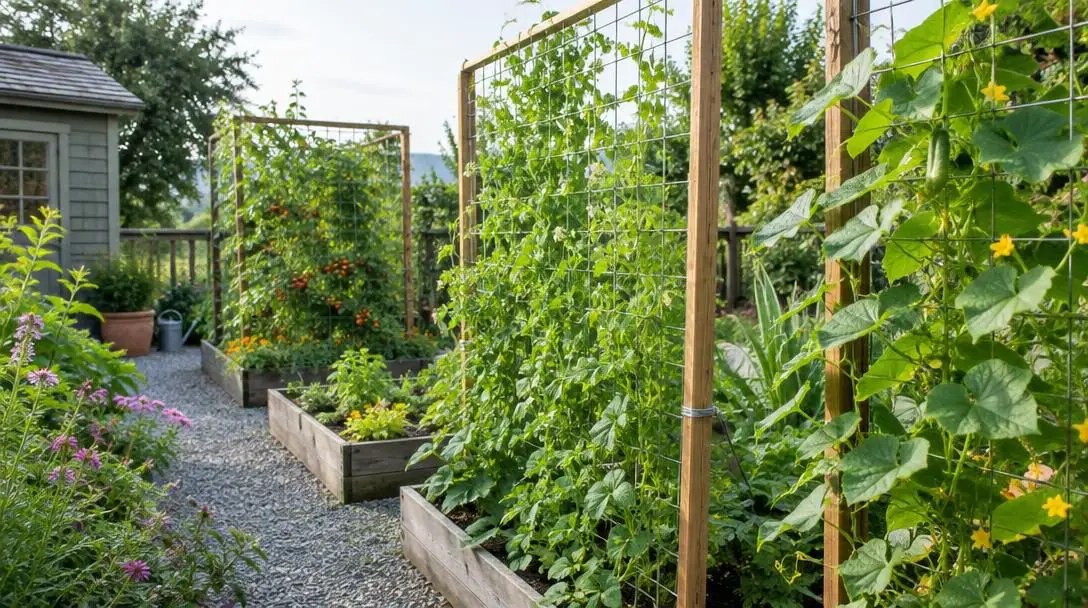
The solution to tight spatial limitations is vertical gardening, a space-saving cultivation method that redirects plant development upward rather than outward. Central to this approach is the art of trellising: erecting durable architectural supports that guide vining stems, elevate foliage, and suspend heavy produce above the ground. By shifting cultivation toward the sky, gardeners can turn modest patios and cramped boundaries into lush, highly productive growing spaces.
Key takeaways
- Vertical trellising maximizes limited yard or balcony space by guiding plant growth upward rather than across horizontal beds.
- Lifting foliage and fruit off the soil dramatically improves air circulation, optimizes sunlight capture, and protects produce from ground pests and damp conditions.
- Matching the structural strength of your trellis to the ultimate mature weight of your chosen crop prevents catastrophic mid-season collapses.
- Installing frameworks prior to planting and fastening stems with flexible, loose ties protects fragile root systems and vascular tissue from damage.
How trellising works: support, airflow, and light
To design an effective vertical garden, it helps to examine the mechanical and biological mechanisms that make vertical support systems work so well in the garden. Left untended in open ground, sprawling plants naturally trail across the earth, forming dense, multi-layered mats of overlapping foliage. While this wild sprawl functions well in unmanaged natural environments, it introduces significant obstacles in a home garden. Introducing a trellis fundamentally changes the plant's microclimate and physical structure in several key ways.
First, vertical supports provide directional training. By utilizing natural clinging structures—such as curling tendrils and twiners—or by gently fastening stems with ties, growers guide flexible vines upward along a clean, two-dimensional plane. This structural orientation prevents stems from competing with one another for space along the soil line.
By shifting growth from outward to upward, vertical gardening turns architectural height into productive cultivation space.
Second, trellising promotes enhanced air circulation throughout the entire vegetative canopy. When stems are spread across an open grid, ambient breezes pass easily through interior branches. This continuous airflow accelerates the evaporation of morning dew and irrigation droplets, preventing stagnant moisture buildup that encourages fungal pathogens and leaf decay.
Third, vertical arrangements deliver optimized sunlight exposure. Spreading branches across an upright framework prevents top leaves from shading lower limbs. As a result, photosynthetic activity remains active throughout the entire height of the column, which is vital for heavy-feeding, sun-loving fruiting crops.
Finally, trellises provide essential weight distribution and produce protection. Suspending developing vegetables and flower blossoms high above damp soil prevents surface rot, keeps crops free of splashing mud, and dramatically reduces pest access. As fruiting bodies expand, the load distributes across the rigid frame rather than snapping fragile side branches under the burden of a heavy harvest.
Choosing the right plants for vertical systems
The foundation of a thriving vertical garden lies in pairing plant varieties with structures tailored to their growth habits and weight requirements. Some plants grow naturally upright and need straightforward vertical stakes to stay upright in high winds, while true climbers rely on tendrils, twining stems, or clinging roots to scale structural grids. Before building, gardeners must also evaluate their site's daily sun patterns, matching high-sunlight cultivars to open, exposed exposures and shade-tolerant choices to sheltered spots.
Tomatoes
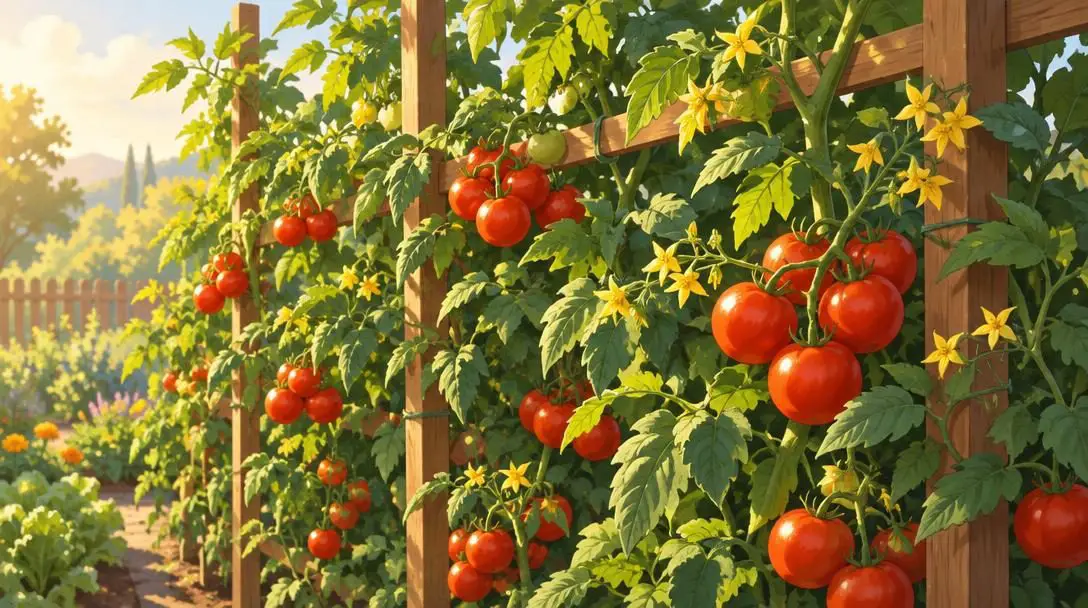
Vigorous, indeterminate tomato varieties produce continuous lateral growth and fruit clusters throughout the entire summer. Without tall vertical supports, these heavy plants collapse into tangled, ground-hugging mounds. Training tomatoes upward keeps fruit clusters clean, maximizes sun exposure for even ripening, and simplifies pruning unwanted suckers. Sturdy wooden stakes, heavy-duty wire cages, or string trellises suspended from overhead beams provide the structural backbone required to carry these prolific, dense vines.
Cucumbers
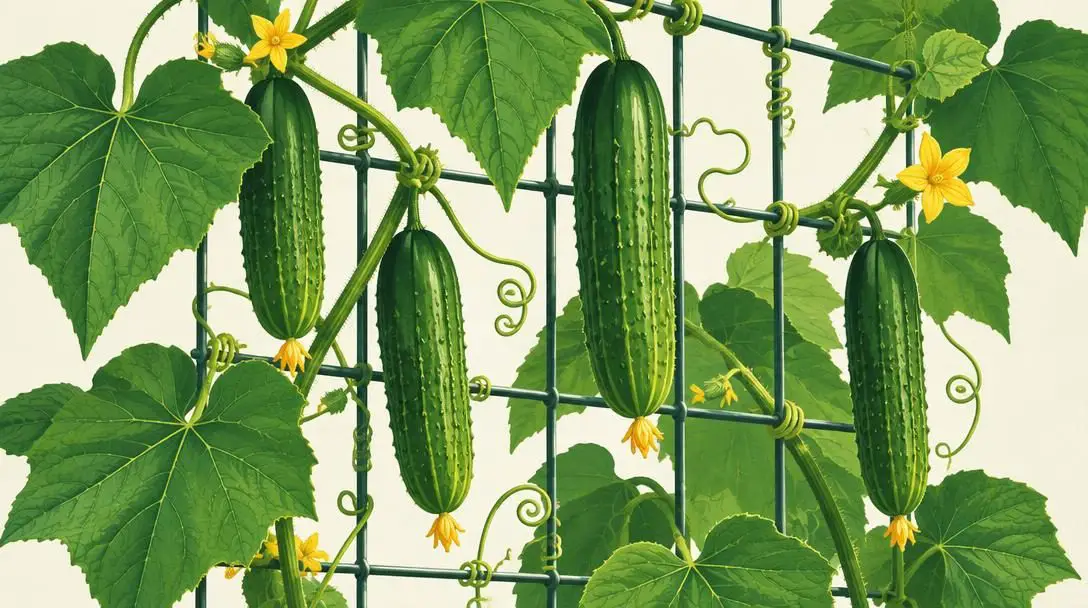
Cucumbers are ideal natural climbers, equipped with sensitive curling tendrils that eagerly grip thin wire mesh, netting, and narrow wooden slats. Directing cucumber vines upward preserves valuable soil space and produces straight, uniformly green fruit free of yellow belly spots caused by contact with damp ground. Elevated cucumbers also hang in plain sight beneath the leaf canopy, making harvesting quick and preventing overgrown, bitter fruit from hiding unnoticed.
Melons
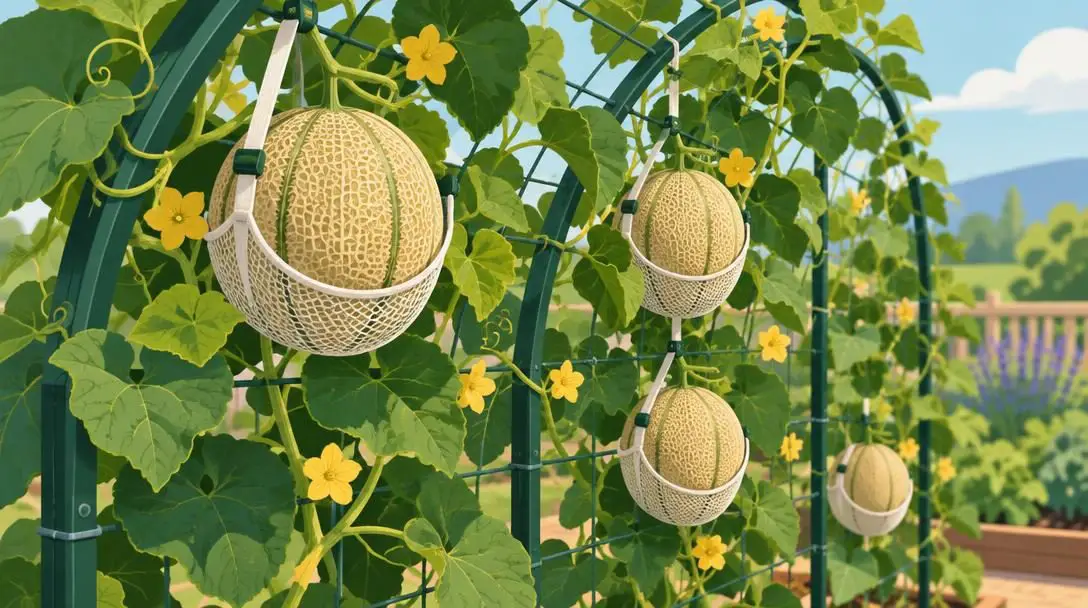
Melons produce vigorous, spreading vines that yield remarkably dense, heavy fruit. While traditionally grown across sprawling ground mounds, melons can easily be trained up vertical trellises provided the framework is constructed from heavy-duty materials like steel cattle panels or rigid timber. As individual melons swell, gardeners often support the developing fruit with small mesh slings or fabric hammocks tied directly to the trellis framework to prevent them from slipping off the vine before peak maturity.
Flowering Climbers

Ornamental woody climbers, such as climbing roses and wisteria, bring dramatic vertical beauty, sweet fragrances, and pollinator activity to outdoor spaces. Unlike annual vegetables that die back in winter, perennial flowering climbers develop thick, heavy woody trunks that remain anchored for decades. These vigorous vines require exceptionally solid arbors, pergolas, or wall-anchored steel lattices capable of carrying hundreds of pounds of dense foliage and sprawling seasonal blooms.
| Plant Type | Climbing Mechanism | Structural Requirement | Primary Trellising Benefit |
|---|---|---|---|
| Tomatoes | Vining stems (non-clinging; requires manual tying) | Sturdy wooden posts, heavy cages, or overhead string frames | Keeps fruit off moist soil and organizes sprawling branches |
| Cucumbers | Active curling tendrils | Wire mesh, nylon netting, or narrow wooden lattices | Produces straight, unblemished fruit and simplifies picking |
| Melons | Strong curling tendrils with heavy fruiting mass | Reinforced steel cattle panels or rigid timber A-frames | Prevents ground rot while concentrating sun on sweetening fruit |
| Flowering Climbers | Twining woody stems or sprawling thorny canes | Permanent, wall-mounted steel or heavy timber structures | Creates long-lived vertical living walls and flower displays |
Selecting and building garden trellis structures
Gardeners must weigh the benefits of pre-fabricated retail products against custom-built installations. Store-bought trellises offer rapid setup and polished ornamental looks, making them great choices for balconies, container plantings, and decorative borders. However, commercial models can struggle under the weight of wet, fully mature vining crops like melons or indeterminate tomatoes. Designing a custom build lets you tailor exact dimensions, select resilient raw materials, and achieve the structural strength needed for heavy seasonal loads.
Four primary materials form the backbone of both home-built and commercial vertical garden systems:
- Traditional Metal Stakes: Made from powder-coated steel or rebar, metal stakes take up negligible ground space and drive easily into compacted soil. They are best suited for single-stem tomatoes, individual flowering stems, or as stabilizing anchor posts for broader netting.
- Wooden Trellises: Built using framed timber, cedar slats, or pre-assembled lattice panels, wood frames bring classic warmth to garden borders. They offer high structural rigidity, provide multiple attachment points for heavy ties, and hold up well against strong lateral winds.
- Fencing and Wire Mesh: Utilizing steel wire grids, wire fencing, or heavy galvanized cattle panels creates an expansive, long-lasting climbing surface. Wire panels provide uniform spacing that lets multiple vigorous plants climb side by side without crowding.
- Bamboo Canes: Bamboo is lightweight, remarkably strong, and readily biodegradable. Gardeners can easily lash bamboo poles together with natural twine to construct three-dimensional teepees, sturdy A-frames, or flat grid systems suited for peas, beans, and climbing flowers.
Step-by-step guide to installing and training vertical plants
Setting up a vertical garden requires thoughtful sequencing. Rushing the process or adding supports as an afterthought often leads to structural failure or damaged root systems. Following a methodical, step-by-step process ensures your vertical setup remains stable and productive from seed to harvest.
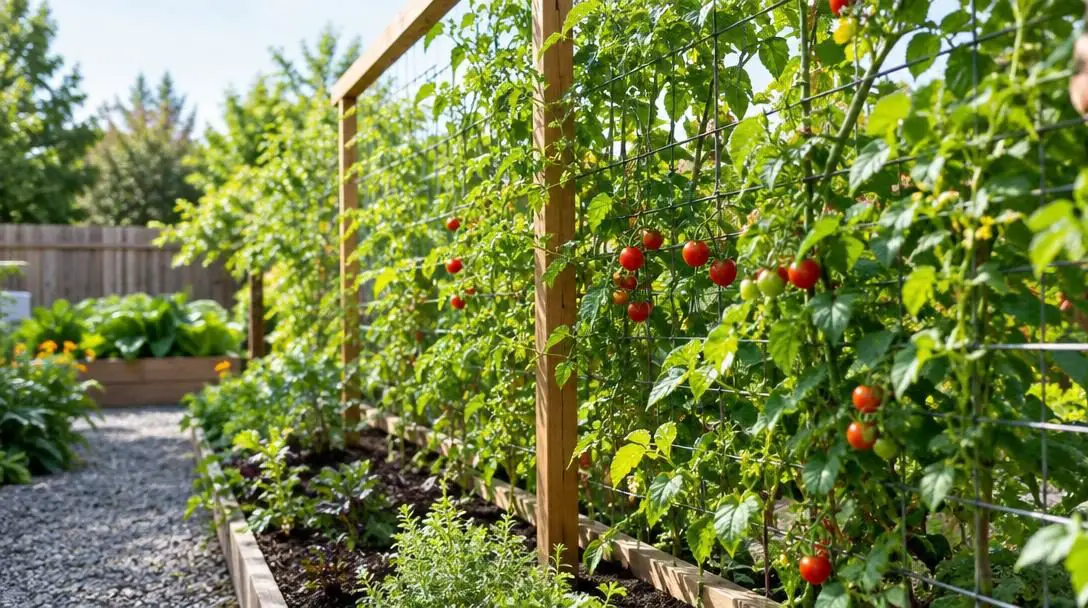
- Evaluate site and sunlight: Track sunlight across your designated garden footprint throughout the day. Confirm the site receives adequate direct light for your target crops, and ensure you have comfortable walking clearance to access both sides of the structure for routine pruning and harvesting.
- Install the trellis first: Erect your vertical framework before sowing seeds or planting transplants. Driving support stakes, footings, or anchors into the soil early avoids crushing delicate juvenile roots beneath the soil surface.
- Secure and anchor the frame: Drive ground stakes deeply into solid earth, or anchor the frame securely to adjacent masonry walls, raised bed corners, or fence posts. Push and pull the frame firmly to confirm it will not sway, tip, or shift under the weight of mature, rain-soaked foliage.
- Plant at the base: Dig planting holes along the base line of the trellis framework. Space individual plants evenly according to their mature varietal requirements, leaving adequate space between stems to ensure sufficient air passage once the canopy matures.
- Begin early training: When young plants produce their first vigorous vegetative shoots, gently lead the main growth tips toward the lowest rungs of the frame. Guide brittle stems gradually rather than bending them sharply, which can fracture vascular tissue.
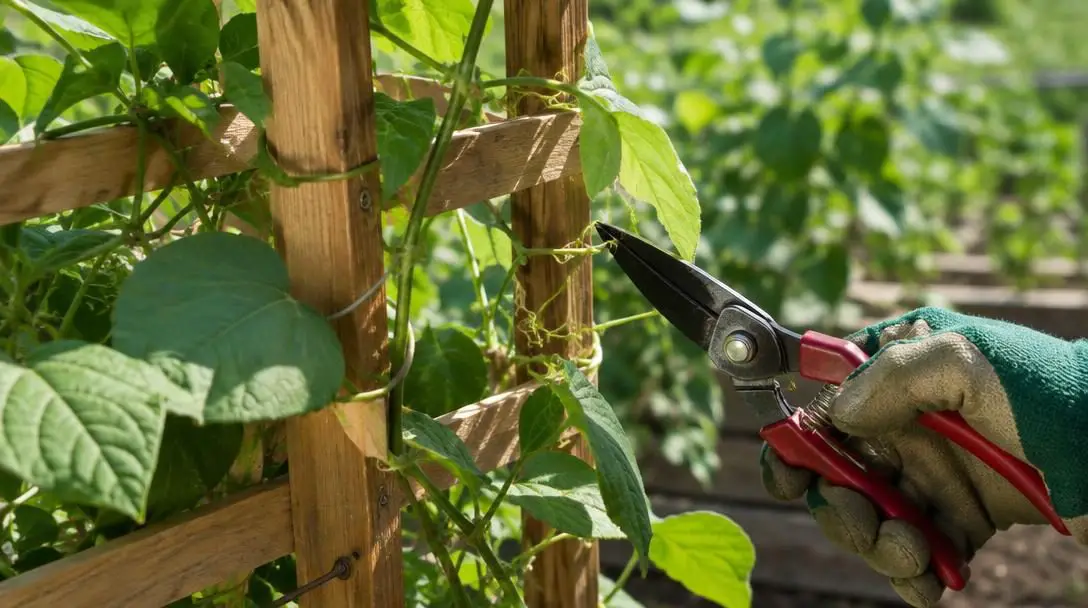
- Tie plants securely: Fasten primary stems to the structural supports using flexible garden twine, soft cloth strips, or specialized plant clips. Tie stems loosely, leaving enough slack for the trunk to expand naturally without constricting nutrient transport.
- Weave and direct continuous growth: Inspect the trellis weekly during the rapid growth phase of early summer. Continue guiding leading shoots upward across unpopulated areas of the grid, weaving flexible stems through openings to maintain an even, uncluttered distribution.
Ongoing maintenance and plant health
Vertical cultivation changes how plants interact with their immediate environment. Because trellised foliage is elevated into moving air currents and exposed to direct solar radiation, vertical gardens dry out noticeably faster than ground-level plantings. Consistent, deep watering is essential. Apply water directly to the base soil zone, ensuring moisture penetrates deeply to the root crown without unnecessarily wetting the elevated leaves.
High vegetative production within a small footprint also depletes soil nutrients quickly. Incorporating balanced organic fertilizers, compost top-dressings, or liquid foliar feeds throughout the peak growing season sustains continuous vegetative vigor and steady fruit development.
Targeted pruning is equally critical for vertical health. Regularly clip out non-productive side shoots, yellowing lower leaves, and broken foliage. Thinning the canopy redirects the plant's metabolic energy toward flower and fruit production, preserves clear sightlines for maintenance, and keeps dense vines from trapping humid air pockets.
Finally, maintain a regular harvesting routine. Leaving mature crops hanging on the vine places unnecessary physical strain on the framework and signals the plant to slow its reproductive cycle. Promptly harvesting ripe produce lightens structural weight and encourages your plants to continuously set fresh blossoms, keeping your kitchen supplied with crisp vegetables throughout the summer and fall.
Five costly trellising mistakes to avoid
While vertical gardening provides remarkable yields in compact footprints, operational missteps can derail your efforts. Avoiding these common mistakes will save time, protect your plants, and maximize your seasonal harvest:
- Underestimating mature plant weight: Light plastic stakes and thin string trellises may look completely sufficient for young spring seedlings, but they often buckle when burdened by full-grown vines laden with heavy, moisture-rich melons or tomatoes. Always design structures to handle the crop's maximum late-season weight.
- Delayed structural installation: Waiting to insert supports until plants begin to flop over inevitably severs roots, compacts soil, and stresses developing root systems. Always secure frames before placing plants in the soil.
- Binding stems too tightly: Fastening vines rigidly against metal or wood with tight wire or abrasive twine constricts expanding stem tissues, girdling the plant and cutting off critical water and sugar flow. Always leave loose, flexible loops.
- Neglecting interior canopy pest inspections: A dense wall of climbing foliage makes an ideal hiding spot for insect pests. Skipping regular checks inside the plant canopy allows small colonies of aphids or caterpillars to expand into destructive infestations before they are spotted.
- Ignoring shade orientation: Setting up a tall, solid vertical trellis directly south or east of low-growing root crops or herbs can cast deep, unwanted shade over smaller specimens. Always align tall structures to prevent depriving nearby beds of essential sunlight.
Frequently asked questions
Why should a trellis be installed before planting seeds or seedlings?
Installing your trellis framework before planting prevents unintentional root damage. Driving heavy stakes, posts, or anchors into the soil after crops have established severs delicate root systems, stunting plant growth and creating open wounds where soil-borne pathogens can enter.
How does trellising help prevent fungal diseases?
Lifting foliage off damp garden soil and spreading stems across an open framework maximizes air circulation around every leaf. This continuous airflow quickly dries morning dew and irrigation water, eliminating the humid, stagnant microclimates that allow fungal spores like powdery mildew and blight to take hold.
Can heavy fruits like melons really grow vertically without falling?
Yes, heavy crops like melons can be grown vertically if supported by a sturdy framework, such as steel cattle panels or rigid timber. As individual melons expand and gain weight, gardeners support the hanging fruit with small mesh slings, cloth hammocks, or netting tied directly to the trellis to prevent the fruit from snapping the vine before harvest.
What are the best materials for building a homemade garden trellis?
Top homemade options include rot-resistant cedar or redwood timber, durable bamboo poles lashed with natural twine, and galvanized steel cattle panels. Wire fencing and metal rebar also offer long-lasting, weather-resistant strength that can bear substantial vegetative loads season after season.
How do I prevent ties from damaging plant stems as they grow?
Use soft, flexible tying materials such as stretchy plant tape, cotton twine, or fabric strips. Fasten ties in a loose figure-eight configuration around the support and stem, leaving plenty of slack so the vine can expand in diameter throughout the season without being choked or girdled.
The bottom line
Vertical gardening through trellising transforms tight spatial boundaries into thriving, highly productive outdoor sanctuaries. By selecting the right structural materials, anchoring your frames before planting, and matching crops to their ideal climbing supports, you can optimize sunlight, boost air circulation, and shield crops from common soil pests. Whether cultivating climbing vegetables for daily harvest or building a lush wall of perennial blossoms, trellising unlocks the full productive potential of your garden by using the space overhead.