The Benefits of Companion Planting for Flavor: Tips for a Delicious Harvest
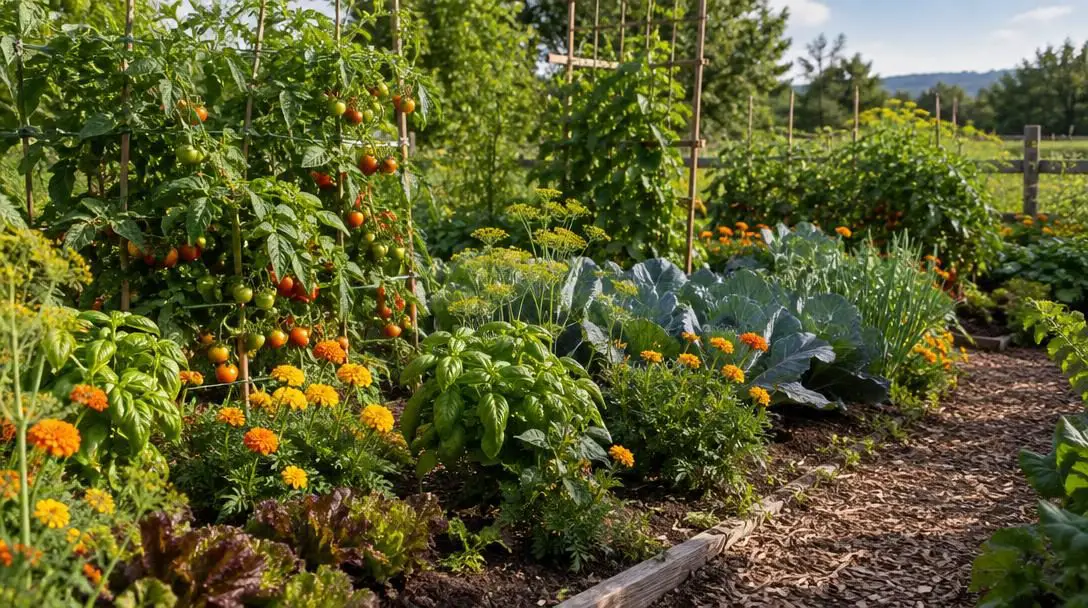
Companion planting is an age-old agricultural technique that transforms ordinary garden beds into thriving, mutually supportive ecosystems. Rather than treating crops as solitary entities arranged in monoculture rows, this traditional methodology groups diverse vegetables, culinary herbs, legumes, and fruit trees to interact synergistically both above and below the soil level. By mimicking the cooperative plant communities found in wild nature, growers can cultivate spaces where plants assist one another instead of competing for survival.
While companion planting offers well-documented advantages for pest management and yield size, its influence on harvest flavor is among its most compelling benefits. Placing complementary root systems, foliage structures, and aromatic essences in close proximity can create micro-environments that lower plant stress, enhance sugar and acid synthesis, and concentrate essential volatile oils. With thoughtful planning, you can tap into these biological partnerships to produce a more vibrant and delicious harvest from your own garden.
Key takeaways
- Strategic companion planting reduces crop stress, enabling plants to redirect biological energy toward producing sugars, organic acids, and complex flavor compounds.
- Pairing aromatic herbs and root vegetables—such as basil with tomatoes or onions with carrots—confuses pests while enhancing the depth of culinary flavors.
- Legumes and cover crops like beans, peas, clover, and alfalfa naturally replenish soil nitrogen to nourish heavy feeders and fruit trees.
- Careful spatial planning, soil enrichment with organic matter, and proper succession planting prevent resource competition and nutrient depletion.
The flavor connection: How plant partnerships enhance taste
The quest for exceptional culinary flavor begins long before ingredients reach the kitchen. When vegetables and herbs share root zones and atmospheric canopies, they release natural aromas, volatile oils, and biochemical compounds into their immediate surroundings. These physiological interactions alter the localized microclimate and trigger beneficial defensive and metabolic pathways in neighboring vegetation.
Plant flavor is largely driven by the balance of natural sugars, acids, and secondary metabolites like aromatic esters and terpenes. When a crop is besieged by invasive insects or forced to struggle in poor soil, it expends significant energy on survival and tissue repair. Companion planting relieves this continuous pressure. By deploying natural insect repellents, improving nutrient availability, and regulating soil hydration, companion groupings minimize physiological strain on vulnerable crops.
In response to reduced pest damage and ideal neighboring conditions, plants direct their energy away from defense and toward producing the rich sugars, acids, and aromatic compounds that define culinary flavor.
Under these cooperative conditions, edible plants allocate their surplus resources toward producing dense cellular structures and concentrated sap. The result is produce with a noticeably richer profile, crisper texture, and more nuanced flavor compared to crops raised in sterile, solitary monocultures.
Beyond flavor: Soil vitality and ecological benefits
While harvesting vegetables packed with rich taste is the primary culinary objective, companion planting establishes broader ecological foundations that keep garden ecosystems robust and sustainable across multiple seasons.
Underground, diverse root architectures build a complex soil food web. Taproots, fibrous root networks, and creeping rhizomes explore different subterranean depths, preventing soil compaction and improving aeration without disrupting delicate soil strata. Additionally, surface-level companion plants serve as living mulches, protecting delicate topsoil from wind erosion, buffering ground temperatures, and preventing rapid moisture evaporation during blistering summer afternoons.
Above ground, a biologically varied garden provides ongoing ecological benefits:
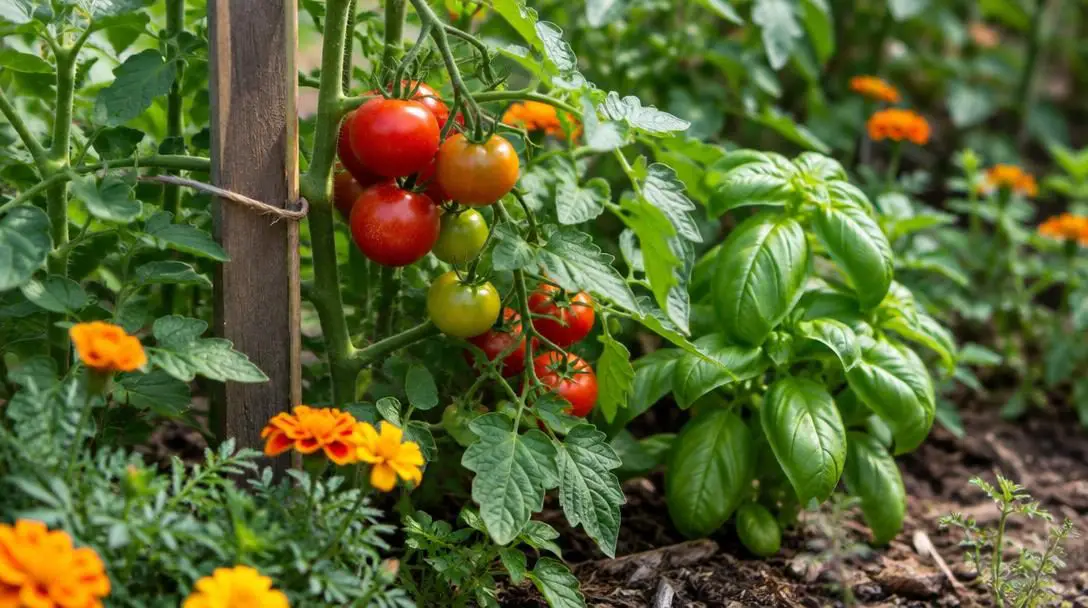
- Natural pest suppression: Aromatic companion plants release pungent aromatic oils that confuse and mask the scent of tender host crops from foraging garden pests.
- Pollinator recruitment: Flowering companion crops attract bees, hoverflies, and other beneficial pollinators, which boosts fruit set rates and improves produce quality.
- Microclimate management: Sturdy, upright crops serve as living sunscreens and windbreaks, shielding delicate, shade-tolerant greens from heat scorch.
- Space optimization: Layering crops with contrasting growth habits allows gardeners to maximize overall yields within a compact footprint.
Proven companion pairings for superior taste and yield
Not all plants make good neighbors, but certain classic combinations have earned acclaim for their cooperative effects on flavor, defense, and nutrient cycling. Review the table below for a quick look at these field-tested partnerships.
| Main Crop | Ideal Companion | Primary Flavor & Garden Benefit | Functional Mechanism |
|---|---|---|---|
| Tomatoes | Sweet Basil | Sweeter, richer fruit; protection from leaf pests | Aromatic oils deter pests; tomato reserves energy for sugars and acids |
| Carrots | Onions | Enhanced root sweetness; reciprocal pest deterrence | Onion scent masks carrots; complementary root depths share nutrients |
| Beans | Peas | Improved soil fertility; robust seasonal growth | Atmospheric nitrogen fixation and enhanced physical soil structure |
| Fruit Trees | Clover, Alfalfa, or Beans | Sweeter, larger fruit; heightened tree vigor | Continuous biological nitrogen supply to heavy-feeding tree roots |
| Fruit Trees | Strawberries or Herbs | Maximizes ground space; prevents weed growth | Living ground cover minimizes bare earth and shields root moisture |
Tomatoes and basil
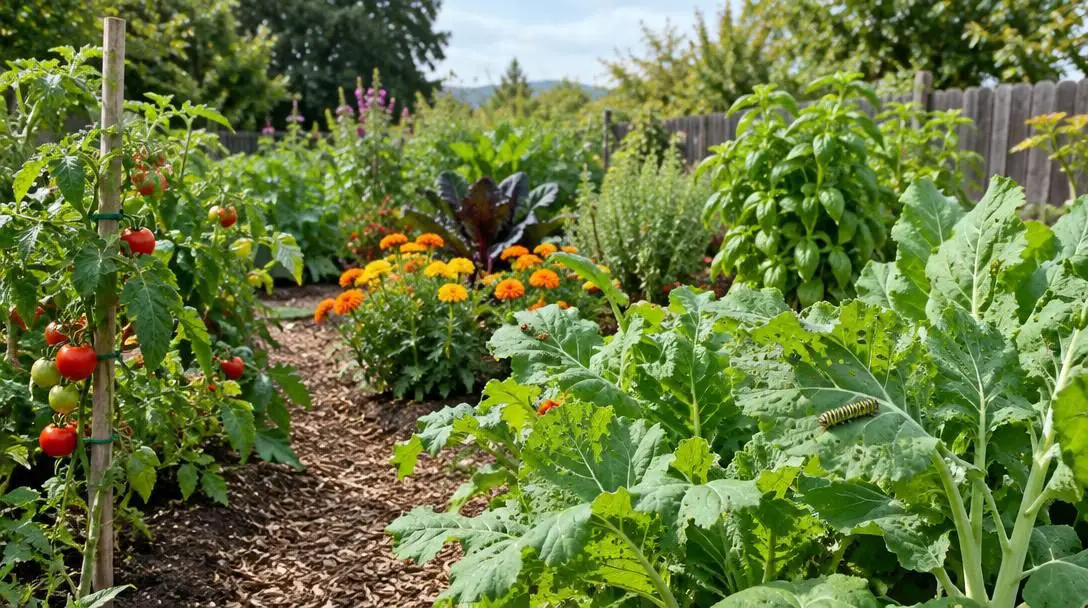
The combination of tomatoes and basil is celebrated both in the garden bed and on the plate. Basil produces potent aromatic oils that act as a natural pest shield, driving away insects that would otherwise damage tomato foliage and tender stems. By minimizing pest-induced distress, the tomato plant can channel its physiological energy directly into manufacturing sugars, organic acids, and flavor-rich volatile compounds. Gardeners routinely observe that tomatoes grown alongside aromatic basil develop a more intense, balanced flavor profile by the time they are harvested.
Carrots and onions
Growing carrots and onions together is an exemplary partnership that yields subterranean and culinary advantages. The pungent sulfurous aroma released by onion foliage confuses insect pests seeking out sweet carrot roots. Beneath the surface, the two crops make an ideal pair: carrots develop deep, vertical taproots, whereas onions produce shallower root clusters. This natural spatial separation allows both plants to pull moisture and nutrients harmoniously without underground crowding, leading to crisp, richly flavored harvests for both crops.
Beans and peas
Legume partnerships like beans and peas function as natural fertility engines for the garden. Beans are celebrated for their nitrogen-fixing capabilities, drawing atmospheric nitrogen and storing it in root nodules with the help of symbiotic bacteria. Peas contribute by developing expansive root structures that loosen the soil and improve its underlying texture. When planted together or in close succession, these crops replenish depleted soil beds, leaving a nutrient-rich foundation that enhances the taste and vigor of future vegetable rotations.
Fruit trees with nitrogen-fixing crops
Orchard plantings benefit immensely from deliberate understory management. Establishing fruit trees with nitrogen-fixing crops like clover, alfalfa, or beans supplies a slow-release, biological stream of nitrogen directly to the tree's root zone. Because fruit trees require significant nutritional support to produce concentrated sugars and aromatic flesh, this organic fertility partnership fosters lush leaf canopies and results in noticeably sweeter, more flavorful fruit.
Fruit trees with understory companions
Pairing fruit trees with understory companions such as strawberries or perennial culinary herbs maximizes spatial efficiency in the orchard. Rather than leaving the drip line of a fruit tree bare or overrun with invasive weeds, intercropping low-stature crops establishes a functional living carpet. This understory layer shades the ground, moderates root temperature fluctuations, stabilizes moisture reserves, and creates a productive micro-environment that benefits both the ground-level fruit and the tree canopy overhead.
Combinations to avoid: Incompatible garden pairings
Just as compatible companion plantings can elevate crop quality, pairing incompatible varieties can cause severe setbacks. Plants with conflicting nutrient appetites or overlapping root structures will actively compete for limited soil resources, suppressing growth and washing out natural flavors.
When heavy-feeding crops are placed next to each other without sufficient soil amendment, they deplete vital minerals before either plant can fully mature. Furthermore, grouping crops that share identical disease vulnerabilities makes it easy for pathogens to sweep through the bed. Keeping conflicting vegetable families in separate zones is just as critical to producing great flavor as grouping beneficial allies together.
Practical steps for creating a companion garden
Designing an intentional companion planting system requires practical coordination across soil care, spatial arrangement, and seasonal timing. Following these structured steps will help you establish a resilient, flavor-forward garden from the start of the season.
- Prepare and amend the soil: Establish raised beds or aerated in-ground plots and incorporate rich organic matter, such as finished compost or aged manure. Well-amended, biologically active soil provides the micronutrients necessary for crops to synthesize complex sugars and essential oils.
- Map the spatial layout: Arrange crops according to their mature dimensions. Position taller plants where they cast gentle afternoon shade over cool-season companions without blocking sun-hungry crops. Integrate low-growing herbs or trailing strawberries around the bases of larger vegetables and fruit trees to cover exposed soil.
- Coordinate seasonal planting times: Check the germination and growth schedules for every crop in your pairing. Some companion varieties need to be seeded weeks ahead of the primary crop to establish defensive scents or root networks, while other pairings are best planted at the same time.
- Maintain consistent care and hydration: Supply steady, deep moisture and organic nutrition throughout the growing cycle. Inconsistent watering places crops under acute drought stress, which can trigger bitter, underdeveloped flavors in root vegetables and fruiting crops alike.
- Minimize synthetic chemical interventions: Avoid relying on broad-spectrum pesticides and synthetic herbicides. Allowing predatory insects and pollinators to thrive protects your garden's natural balance and prevents chemical residues from altering the pure taste of your harvest.
Common mistakes to avoid
Even seasoned gardeners can stumble when implementing companion planting systems. Recognizing and avoiding these frequent pitfalls will safeguard your garden's health and flavor potential:
- Overcrowding garden beds: Packing companion plants too tightly restricts airflow, invites fungal issues, and forces neighboring crops into desperate competition for sunlight and moisture.
- Pairing out of convenience: Grouping plants simply because you have spare seedlings often leads to bad pairings, such as placing competing root vegetables side by side in crowded soil.
- Ignoring planting calendars: Seeding a protective companion herb too late means it will not mature in time to deter seasonal insect populations or provide essential canopy shade.
- Neglecting seasonal crop rotation: Even with nitrogen-fixing companions, growing the same crop families in the same location year after year depletes targeted soil nutrients and allows soil-borne pests to accumulate.
Planning ahead: Long-term garden success
To continually build on your companion planting results, approach your garden as an evolving, multi-season project. Maintaining a dedicated garden journal is one of the most effective ways to refine your technique. Document the specific pairings you implemented, noting planting dates, weather trends, insect activity, and, most importantly, the flavor and texture of your harvest. Because soil compositions and microclimates vary between properties, personal notes will show you which plant partnerships perform best in your specific dirt.
Additionally, plan your crop rotations well in advance. Keep track of where legumes like peas, beans, clover, and alfalfa were grown, and use those nitrogen-enriched beds for heavy-feeding crops like brassicas or nightshades in the following season. Rotating your companion groupings maintains healthy soil biology, disrupts pest life cycles, and ensures your garden will reliably deliver delicious, nutrient-dense produce year after year.
Frequently asked questions
Does companion planting really make vegetables taste better?
Yes. Companion planting enhances flavor by reducing external stresses on crops. When companion plants deter harmful insects and improve soil nutrient availability, the main crop can redirect its metabolic energy away from defense and repair toward manufacturing higher concentrations of sugars, acids, and aromatic compounds.
Why should tomatoes and carrots not be planted together?
Tomatoes and carrots compete directly for root space and essential soil nutrients. When grown in close proximity, their competing root systems can stunt the physical development of the carrot roots and diminish the flavor complexity of both crops.
How do legumes like beans and peas help neighboring plants?
Beans and peas work symbiotically with soil bacteria to draw atmospheric nitrogen and convert it into a plant-usable form in the soil. Furthermore, pea roots help loosen dense soil, leaving behind enhanced fertility and better soil texture that benefits current neighbors and future plantings.
Can companion planting eliminate the need for chemical pesticides?
While companion planting may not eliminate every garden pest, it substantially reduces the need for synthetic chemicals. Aromatic companions mask the scents of vulnerable crops and draw in predatory insects, establishing a natural biological defense system that keeps chemical residues off your homegrown food.
What is the best way to utilize the empty space under fruit trees?
You can intercrop the ground beneath fruit trees with nitrogen-fixing cover crops like clover and alfalfa, or shallow-rooted crops such as strawberries and culinary herbs. These understory plantings act as living mulch to hold soil moisture and suppress weeds while delivering extra harvests from otherwise uncultivated ground.
The bottom line
Companion planting is more than a traditional gardening habit; it is a practical approach to building an interconnected, biologically active food system. By pairing crops that naturally balance nutrient demands, confuse pests, and shelter soil life, you create an environment where plants thrive with minimal artificial inputs. The ultimate payoff is found in the kitchen, where crops harvested from a balanced companion garden reward you with extraordinary, complex flavor.