The Benefits of Companion Planting: Maximizing Your Garden’s Potential
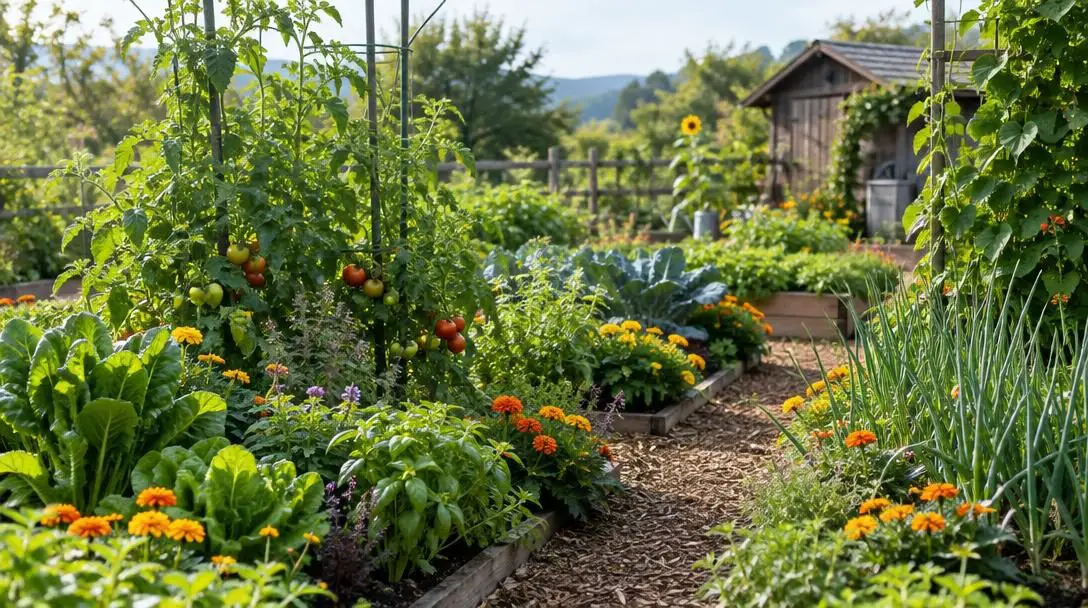
Gardening is a cherished pastime across the globe, offering outdoor recreation, a sense of personal accomplishment, and daily enjoyment. Yet cultivating a vibrant, productive plot often presents demanding challenges. Growers regularly grapple with sluggish plant growth, aggressive weeds, unpredictable environmental stressors, and destructive pest invasions. To overcome these persistent obstacles without resorting to synthetic chemicals, an increasing number of growers are adopting companion planting.
At its core, companion planting is the time-tested agricultural practice of placing diverse plant species next to each other to improve overall health, resilience, and seasonal yields. Instead of treating crops as isolated specimens growing in sterile, separate rows, companion planting views the entire garden as a cohesive, living biological community. By arranging mutualistic plants together, growers create a self-sustaining ecosystem where neighboring roots, foliage, and blossoms actively defend, feed, and shelter one another.
Key takeaways
- Companion planting manages gardens as integrated biological communities rather than separate, isolated monocultures.
- Strategic pairings improve soil fertility through natural biological nitrogen fixation and reduce reliance on synthetic fertilizers.
- Aromatic herbs and flowering companions deter destructive insects, shelter beneficial predators, and reduce chemical pesticide applications.
- Combining tall structural crops with ground-hugging living mulches maximizes garden space and naturally suppresses weed germination.
- Long-term success requires careful crop spacing, compatible environmental requirements, and routine seasonal crop rotation.
Core Benefits of Companion Planting
Transitioning from conventional monoculture beds to a polycultural companion garden introduces significant ecological advantages. By understanding how diverse species interact, gardeners can systematically address the most persistent difficulties of food production.
Improved soil fertility stands out as one of the primary advantages. Rather than depleting topsoil of uniform nutrients, companion groupings optimize biological absorption, minimize erosion, and build organic matter. Legumes, for example, house symbiotic root bacteria capable of taking atmospheric nitrogen and fixing it directly into the ground in a bioavailable form. When planted beside heavy-feeding vegetables, these nitrogen-fixing crops deliver essential nourishment naturally throughout the growing cycle.
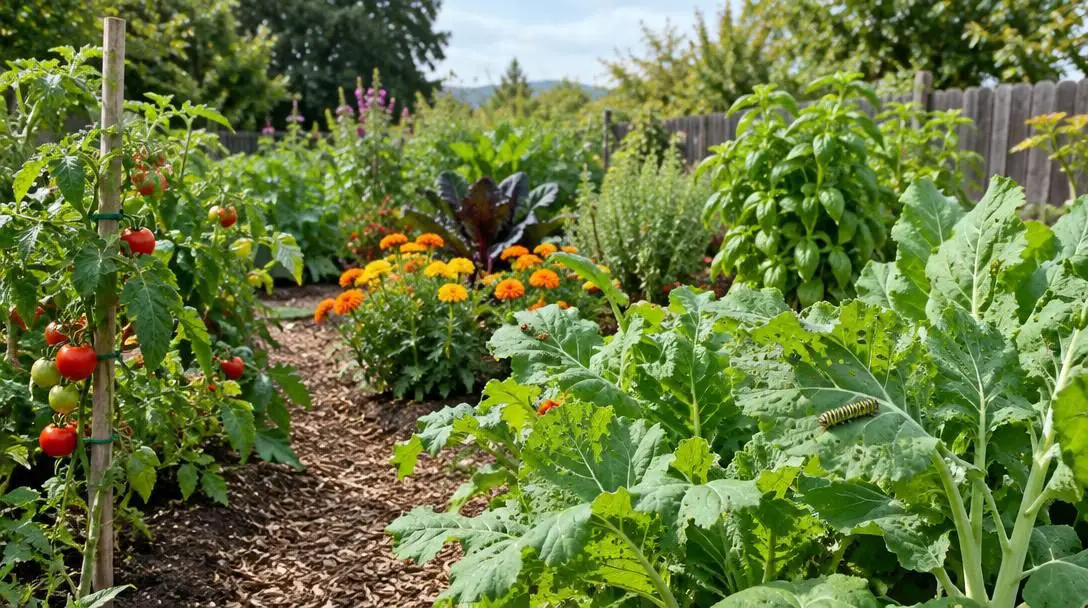
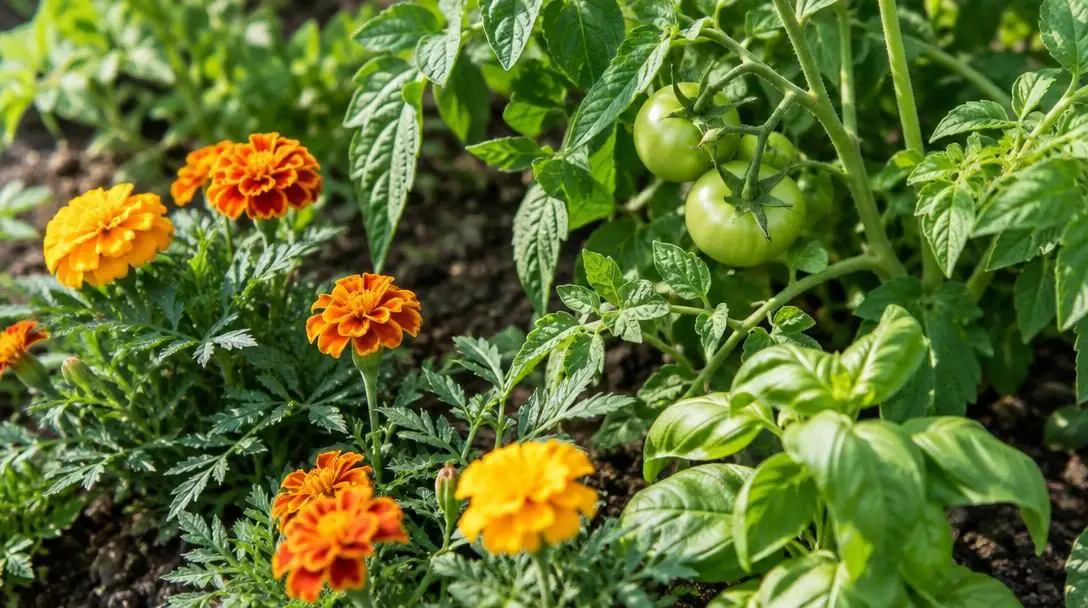
The practice also delivers powerful natural pest control. Instead of blasting garden beds with broad-spectrum chemical sprays that kill off vital pollinators, companion planting harnesses biological pest management. Certain flowers and herbs emit volatile organic compounds that disguise host plants from destructive herbivores, while others offer nectar and habitat to predatory insects that consume nuisance bugs. A classic example is the integration of marigolds alongside tomatoes; the root exudates of marigolds actively repel destructive root-knot nematodes, while their above-ground scent disrupts harmful flying pests.
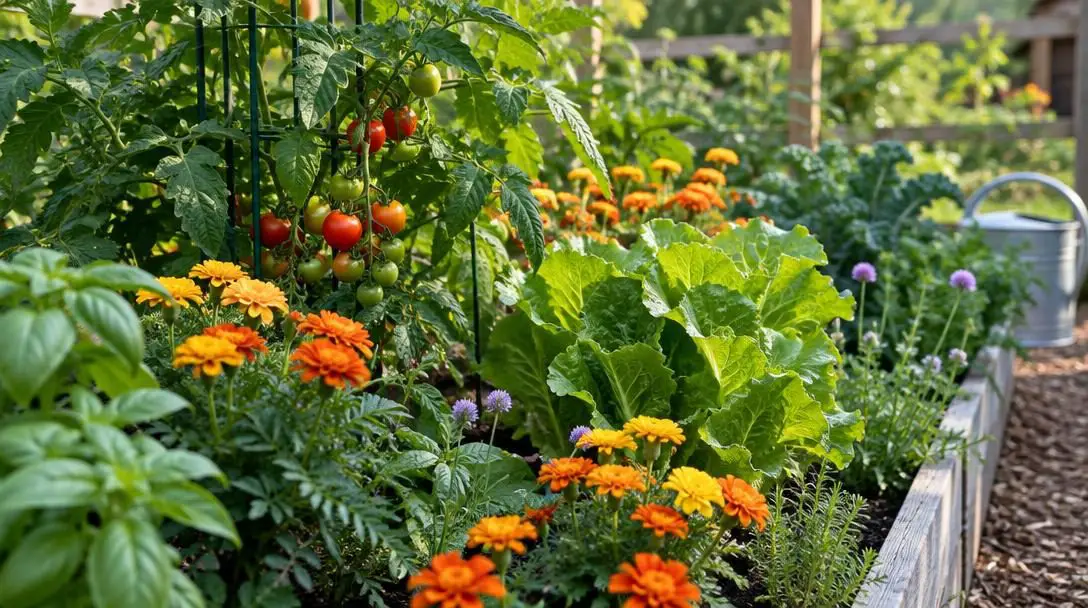
Establishing optimal growing conditions through complementary pairings improves soil quality, protects neighboring plants from disease, and stimulates vigorous seasonal growth.
Alongside natural protection, companion arrangements generate increased crop yields and enhanced plant vitality. When crops share soil with compatible neighbors, their root systems experience reduced resource competition, resulting in sweeter fruit, stronger cell walls, and greater disease resistance. Planting basil near tomatoes, for instance, not only wards off pests but noticeably elevates the flavor and aroma profile of ripening tomatoes.
Furthermore, companion systems drastically limit weed emergence. Fast-growing, low-lying plants like clover or vetch function as living, natural mulch, blanketing exposed soil beneath taller vegetables. This vegetative carpet deprives weed seeds of the sunlight they need to germinate, lowers soil temperatures during peak summer heat, and preserves precious soil moisture. Welcoming this structural variety also expands wider biodiversity, attracting birds, hoverflies, ladybugs, and native bees that build long-term ecological balance.
The Underlying Biological Mechanisms
Companion planting functions through distinct biological, chemical, and physical mechanisms beneath and above the garden soil:
- Nutrient sharing and biological conversion: Heavy-feeding vegetables deplete specific elements from topsoil rapidly. Leguminous plants partner with subterranean bacteria to transform inert atmospheric nitrogen into plant-accessible nitrates, steadily replenishing the rhizosphere for nearby companion roots.
- Chemical masking and olfactory deterrence: Insects locate target food sources through keen olfactory receptors. Highly aromatic herbs and pungent alliums emit strong essential oils that mask the scent of vulnerable host vegetables, effectively hiding them from airborne pests. Underground, defensive root exudates deter microscopic soil parasites like nematodes.
- Physical architecture and environmental microclimates: Combining plants of varying heights creates mutually supportive vertical layers. Sturdy, tall crops serve as living trellises for delicate climbing species, while spreading bottom leaves cast cool shade that slows water evaporation and keeps topsoil damp.
- Root stratification and soil conditioning: Deep-rooting taproots drill downward into hardpan subsoil, pulling up trace minerals and aerating dense dirt, while shallow, fibrous root networks secure upper soil layers against erosion from rain and wind.
Proven Companion Planting Combinations
Decades of practical gardening have revealed reliable plant combinations that thrive together in shared beds. The following pairings demonstrate how structural support, pest defense, and nutrient exchange operate in home gardens.
| Companion Pairing | Primary Benefit | Biological Mechanism | Garden Function |
|---|---|---|---|
| Tomatoes and Basil | Flavor enhancement and pest defense | Aromatic essential oils repel insects | Culinary pairing; protects vulnerable vines |
| Carrots and Onions | Insect confusion and soil aeration | Pungent scent masks carrots; taproots loosen soil | Mutual root-and-bulb pest protection |
| Beans and Corn | Nitrogen fixation and physical support | Legume root nodules enrich soil; rigid stalks trellis | Structural vertical layering |
| Cabbage and Dill | Brassica pest defense | Blossoms recruit parasitic beneficial predators | Protective floral perimeter |
Tomatoes and Basil
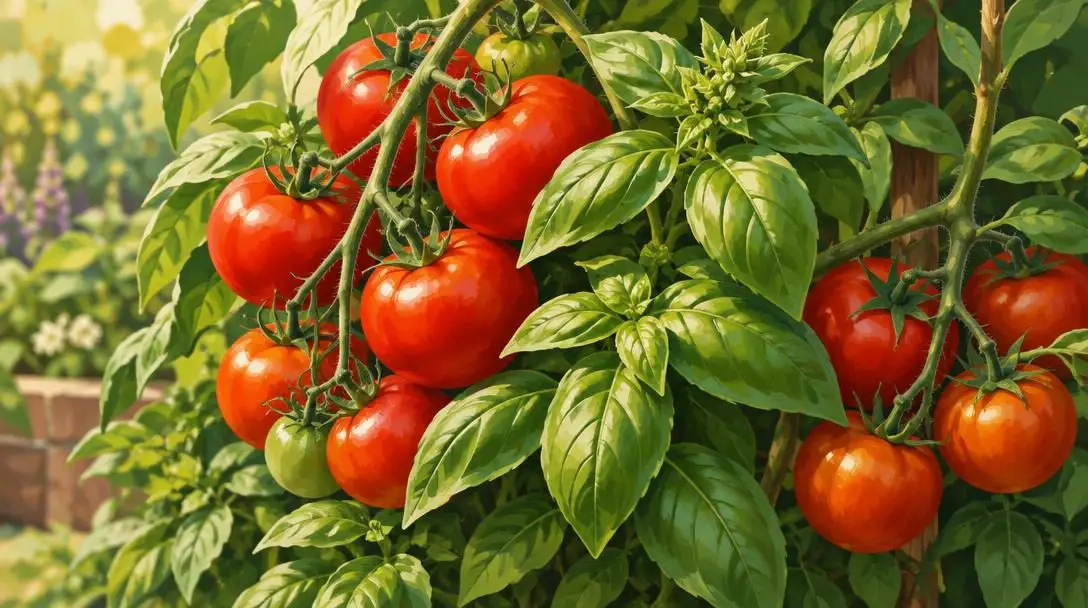
- Primary Benefit: Insect deterrence and enhanced fruit flavor
- Key Mechanism: Aromatic volatile oil masking
- Ideal Placement: Interplanted along tomato base
The relationship between tomatoes and basil is one of the most celebrated in organic gardening. Basil plants produce strong essential oils that serve as a natural insect repellent, confusing pests that would otherwise feed on delicate tomato foliage and soft fruit. Simultaneously, cultivating basil in close contact with tomato vines stimulates overall vigor and enhances the flavor profile of the harvest. Because basil remains relatively compact, it fills the bare understory beneath tall indeterminate tomato vines without competing for upper-canopy sunlight.
Carrots and Onions
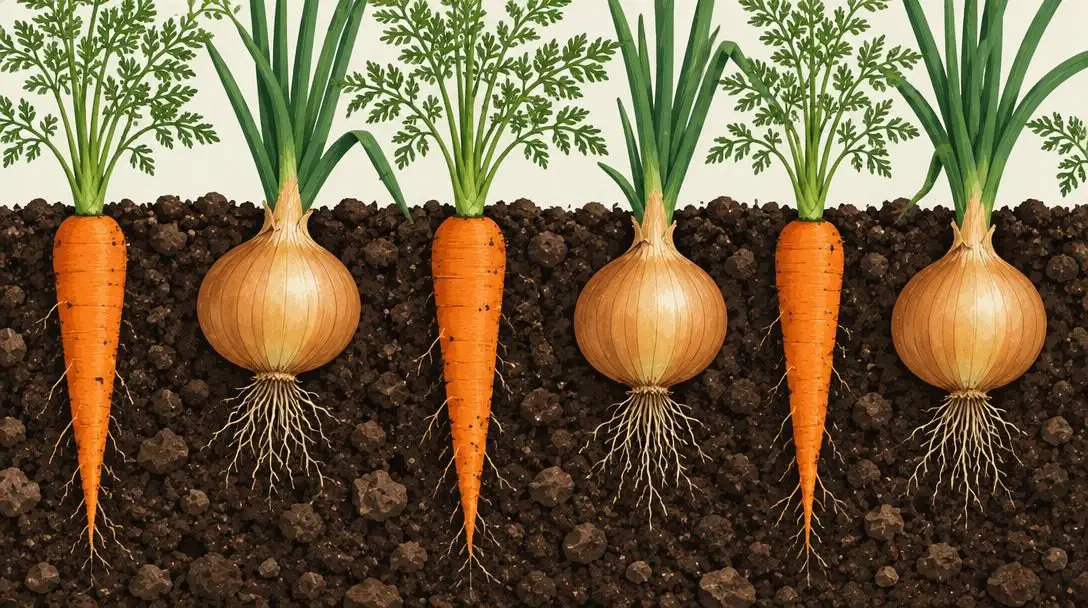
- Primary Benefit: Pest disruption and soil texturing
- Key Mechanism: Olfactory masking and contrasting root depths
- Ideal Placement: Alternating rows within raised beds
Pairing carrots and onions offers symmetrical, two-way pest defense. The pungent sulfurous aroma released by growing onions disorients the carrot fly, an insect whose larvae cause extensive root tunneling. In return, the sweet foliage of the carrot masks the presence of onion flies. Beyond scent deterrence, these two species exhibit complementary root habits: the deep, tapered roots of carrots loosen compacted soil textures, allowing neighboring onion bulbs to swell unimpeded in well-aerated earth.
Beans and Corn

- Primary Benefit: Soil enrichment and natural trellising
- Key Mechanism: Nitrogen-fixing root nodules and rigid vertical stalks
- Ideal Placement: Pole beans seeded around established corn stalks
The combination of beans and corn provides living structural support combined with natural soil fertilization. Corn is an aggressive consumer of soil nitrogen that requires sturdy structural stability. Beans, as legumes, host symbiotic bacteria that gather nitrogen from the air and deposit it into the soil root zone, providing a constant nutrient feed for the corn. In return, the thick, tall stalks of corn act as strong, living trellises, enabling climbing bean varieties to wind upward without the need for manufactured wooden stakes or plastic netting.
Cabbage and Dill
- Primary Benefit: Brassica defense and predator recruitment
- Key Mechanism: Aromatic deterrence and floral nectar attraction
- Ideal Placement: Clustered along bed perimeters near brassicas
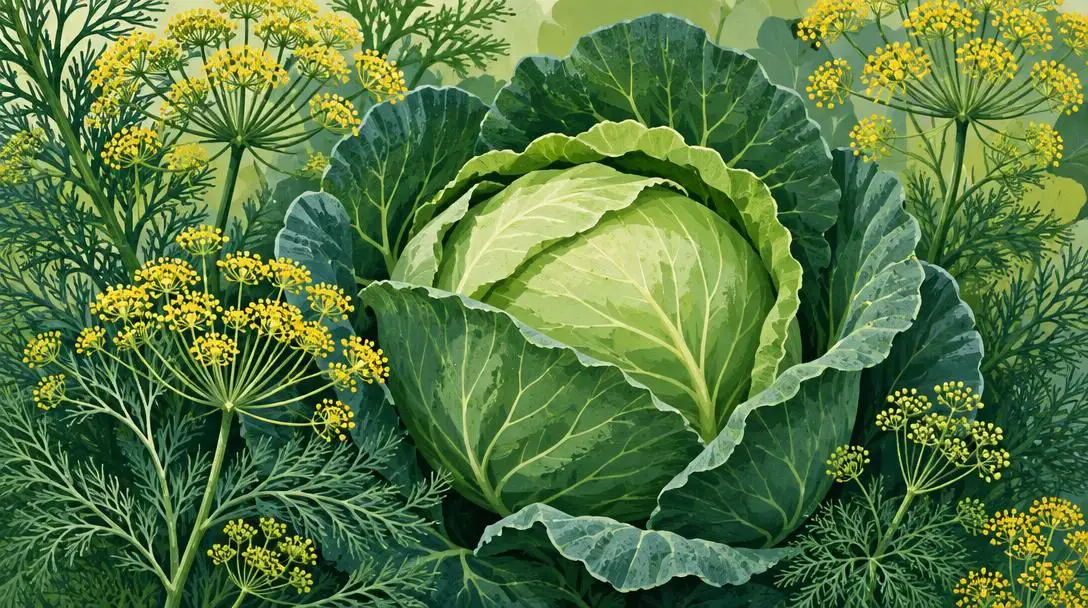
Brassica crops regularly suffer from heavy feeding by cabbage moths and destructive caterpillars. Interplanting cabbage and dill shields vulnerable leaves through biological warfare. The herbal aroma of dill helps repel egg-laying cabbage moths, while its broad, delicate yellow flower umbels attract beneficial predatory wasps, hoverflies, and ladybugs. These beneficial insects consume harmful caterpillars and aphids, controlling pest populations before they can damage cabbage heads.
Step-by-Step Guide to Establishing a Companion Garden
Transitioning an existing garden into an organized companion system requires thoughtful planning. Implementing these practical steps ensures that every plant receives adequate light, airflow, and root space.
- Map your garden bed layout: Sketch your planting area, factoring in sun exposure. Place taller species, like corn and staked tomatoes, along the northern or rear edge of the bed so they do not cast unwanted shadows on shorter plants.
- Select complementary plant groupings: Pair crops that share identical soil moisture, pH, and fertility needs. Avoid matching moisture-loving vegetables alongside herbs that prefer dry, fast-draining conditions.
- Calculate spacing accurately: Base planting distances on the mature spread of each crop rather than seedling sizes. Proper spacing preserves open airflow, prevents fungal spread, and ensures root systems do not choke one another.
- Incorporate cover crops and green manures: Sow low-growing legumes like clover or vetch as ground covers. These living mulches protect exposed topsoil, fix nitrogen, and suppress weed germination beneath main crops.
- Apply organic mulch: Spread a consistent blanket of clean organic mulch, such as shredded leaves or straw, across open bed spaces. Mulch moderates soil temperatures, limits moisture evaporation, and enriches soil quality as it degrades.
- Employ layered natural pest control: Reinforce your plant defenses with non-chemical tactics. Regularly handpick larger caterpillars, set up mechanical traps, and preserve pollinator-friendly flowers throughout the season.
- Implement crop rotation: Shift plant families to different garden beds every season. Rotating crops interrupts the reproductive cycles of soil-borne pests and prevents localized nutrient exhaustion.
- Conduct regular monitoring: Inspect leaf undersides, stem bases, and the surrounding soil every few days. Catching early pest or disease symptoms allows for fast physical removal before issues spread across the ecosystem.
Common Companion Planting Mistakes to Avoid
While the advantages of companion planting are substantial, small missteps during bed preparation can reduce harvest quality. Be mindful of these common mistakes:
- Overcrowding garden beds: Packing plants too closely together restricts healthy air circulation, traps excess humidity against stems, and sparks powdery mildew and fungal blights. Close spacing must still accommodate mature plant widths.
- Grouping mismatched environmental profiles: Placing drought-tolerant Mediterranean herbs next to water-hungry root crops results in either rot from overwatering or stunted growth from drought. Group crops with compatible hydration requirements.
- Neglecting standard garden maintenance: Companion planting improves ecosystem balance, but it cannot replace foundational chores. You must still provide supplemental watering during heatwaves, install physical supports when necessary, and pull aggressive perennial weeds.
- Omitting seasonal crop rotation: Relying on identical companion pairings in the same bed season after season encourages specialized soil pathogens to establish permanent footholds. Rotate your plant families systematically every year.
Long-Term Strategies and Next Steps
Once your initial companion arrangements are thriving, you can refine your layout to suit your specific microclimate. Begin by maintaining a detailed garden journal. Document the specific combinations you planted, planting dates, seasonal weather fluctuations, pest appearances, and final harvest yields. Reviewing these personal records over multiple seasons will reveal which pairings deliver optimal vigor in your garden's unique soil.
Next, monitor changes in your soil health through periodic testing. Keep track of how cover crops, organic mulches, and nitrogen-fixing legumes influence your soil's structure, water retention, and organic matter content. Over time, you can expand simple pairs into intricate, multi-tiered polycultures that combine root crops, ground covers, climbing vines, and insectary flowers into a resilient, high-yielding garden landscape.
Frequently asked questions
Does companion planting eliminate the need for chemical pesticides?
Yes, in most home gardens companion planting dramatically reduces or completely removes the need for synthetic chemical sprays. Pairings work by emitting scents that mask host plants, producing natural pest-repellent compounds, and attracting beneficial predatory insects that control destructive pests naturally.
How does companion planting suppress weed growth?
Companion planting controls weeds by using living mulches and low-growing ground covers like clover or vetch. These spreading plants carpet bare soil beneath taller crops, shading the ground to prevent weed seeds from germinating while keeping the soil cool and moist.
Can companion plants share nutrients directly with each other?
Certain companion species enrich the soil directly. For instance, plants in the legume family partner with subterranean soil bacteria to convert atmospheric nitrogen into a bioavailable form within the soil, naturally nourishing neighboring heavy-feeding vegetables.
What is the most common mistake beginners make with companion planting?
The most common error is overcrowding beds. Planting seedlings too close together under the assumption that higher density creates a stronger ecosystem often leads to poor air circulation, intense root competition, and fungal diseases.
Why is crop rotation still necessary when companion planting?
Even though companion species actively support each other, growing the same plant families in the same spot year after year exhausts specific nutrients and allows soil-borne pathogens and specialized pests to overwinter and multiply in the soil.
The bottom line
Companion planting transforms standard gardening from an uphill battle against nature into an efficient, collaborative biological system. By pairing plants with complementary root architectures, nutrient profiles, and defensive scents, you can naturally enrich soil fertility, repel harmful pests, suppress weeds, and harvest healthier produce. With proper spacing, thoughtful bed mapping, and routine crop rotation, companion planting unlocks the full productive potential of any garden space.