The Benefits of Cover Crops: A Guide to Healthier Soil and Easier Maintenance
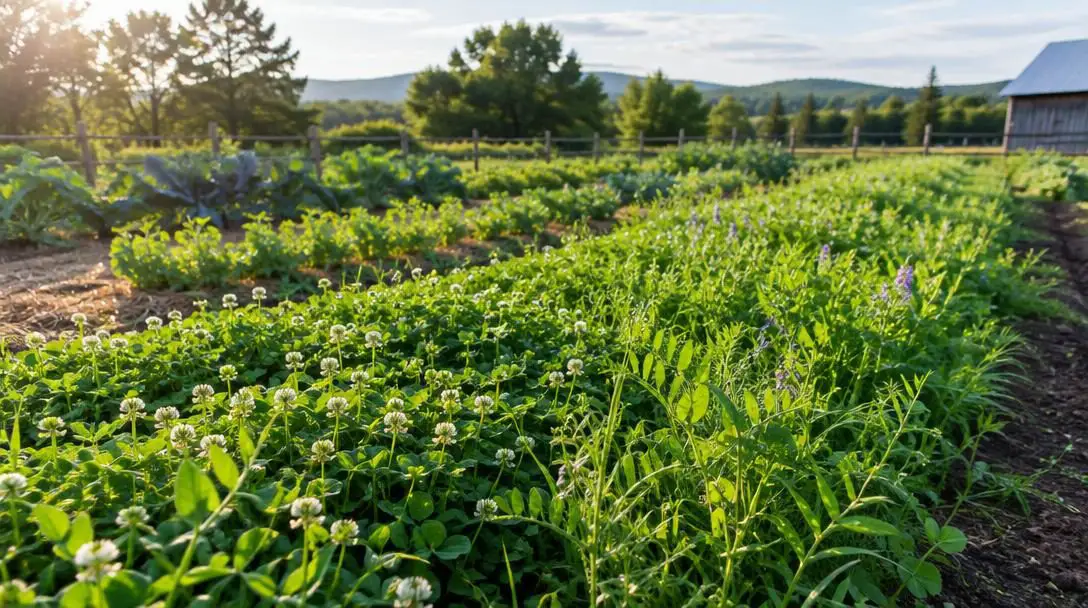
As modern gardeners, smallholders, and agricultural producers seek sustainable strategies to cultivate nutrient-dense ground, the deliberate cultivation of cover crops has experienced a widespread resurgence. Frequently described as green manure or living mulch, cover crops represent an ecological framework that prioritizes the natural renewal of the earth over continuous, extractive harvesting. Rather than sowing a plot strictly for produce to sell at market or bring to the kitchen table, growers cultivate these specialized crops exclusively to nurture, defend, and enrich the subterranean ecosystem beneath them.
In standard gardening and farming routines, field space is routinely stripped bare following the primary harvest, remaining fully exposed to the elements until the subsequent planting season arrives. Leaving arable soil open to harsh weather invites severe ecological drawbacks, such as topsoil erosion, severe compaction, rampant weed growth, and catastrophic nutrient loss. By maintaining living roots and leafy canopies across dormant intervals, thoughtful land managers transform what would otherwise be vacant land into self-sustaining biological powerhouses.
Key takeaways
- Cover crops safeguard vulnerable ground against wind and rain erosion while simultaneously restoring biological fertility.
- Green manures are grown and tilled under to supply organic matter, whereas living mulches carpet the earth around standing cash crops.
- Deep-rooting species such as cereal rye fracture dense subsoil, while legumes such as clover capture atmospheric nitrogen for future plants.
- Timing is critical when terminating cover crops to prevent unwanted seed distribution and seasonal nutrient immobilization.
The Principles of Green Manure and Living Mulch
To grasp the practical versatility of cover cropping, land managers must distinguish between two primary management approaches: green manure and living mulch. While growers occasionally use these phrases interchangeably, each serves a specific cultural role and targets distinct stages of the seasonal growth cycle.
Green manure refers to plant biomass cultivated for a determined timeframe and then cut down and worked directly into the topsoil while the vegetative tissue is still succulent or just entering bloom. As this leafy mass breaks down in the damp earth, it deposits captured minerals, boosts organic content, and fuels microbiological feeding frenzies. In contrast, living mulch functions as an enduring vegetative understory. Grown in the aisles between crop rows or nestled underneath primary cash plants, living mulch acts as a dynamic shield that tempers soil temperature, retains moisture, and prevents invasive weeds from surfacing.
For centuries, conventional agricultural guidance urged leaving vacant ground fallow so that tired earth could rest. Contemporary soil science reveals that unplanted ground is acutely fragile. Without root systems to anchor soil particles and a leaf canopy to cushion violent precipitation, wind and downpours wash away essential topsoil. Furthermore, harsh sunlight degrades delicate microbiological communities in the surface layers. Implementing cover crops eliminates the hazards of bare ground, making fallow windows an opportunity for physical restoration and biological rejuvenation.
| Management Strategy | Primary Placement | Soil Impact | Biomass Fate |
|---|---|---|---|
| Bare Fallow | Unplanted fields between seasons | Vulnerable to compaction, erosion, and nutrient runoff | No vegetative biomass generated |
| Green Manure | Occupies entire plot during off-seasons | Loosens subsoil, restores organic matter, and recycles minerals | Tilled or incorporated into soil while green |
| Living Mulch | Planted between or beneath main cash crops | Moderates surface heat, suppresses weeds, and preserves moisture | Maintained alongside crops as a persistent living cover |
How Cover Crops Transform Soil Biology and Structure
The primary incentive for introducing cover crops into an annual crop plan is the substantial improvement of the physical and biological profile of the ground. Because these plants occupy empty ground when it would otherwise suffer heavy exposure, they actively collect solar energy and store ambient carbon dioxide within their tissues. When these plants finish their vegetative cycles, the resulting biological decay generates a continuous, slow-release reservoir of essential plant nutrition, bypassing the intense chemical surges associated with synthetic additives.
This steady arrival of plant tissue establishes an abundant habitat for beneficial organisms beneath the surface. Earthworms, insects, beneficial fungi, and microscopic bacteria depend on decaying foliage and root exudates to survive. As these subterranean populations expand, they develop natural biological balances that help suppress hazardous soil-borne pathogens. A soil ecosystem fortified with constant biological activity yields durable plants capable of tolerating external stresses throughout the growing season.
Healthier soil creates sturdier, more resilient plants that can naturally withstand seasonal pests and environmental diseases.
Beyond microbiological benefits, cover crops solve profound structural issues within the soil. Heavy foot traffic, heavy agricultural machinery, and natural settling frequently compress subsoil into a dense, impermeable hardpan. This compacted boundary prevents irrigation and rainwater from draining efficiently and keeps delicate cash crop roots from reaching deep water tables. Deep-rooting cover crops force their way through these dense layers, carving open porous networks that permit moisture and air to circulate freely. When subsequent crops are planted, their root systems use these established biological pathways to reach deeper subterranean resources.
Prominent Cover Crop Varieties
Selecting the proper plant family determines how effectively your cover crop addresses the specific limitations of your growing space. Two of the most reliable and widely utilized varieties demonstrate how distinct botanical traits achieve specific land management goals.
Cereal Rye
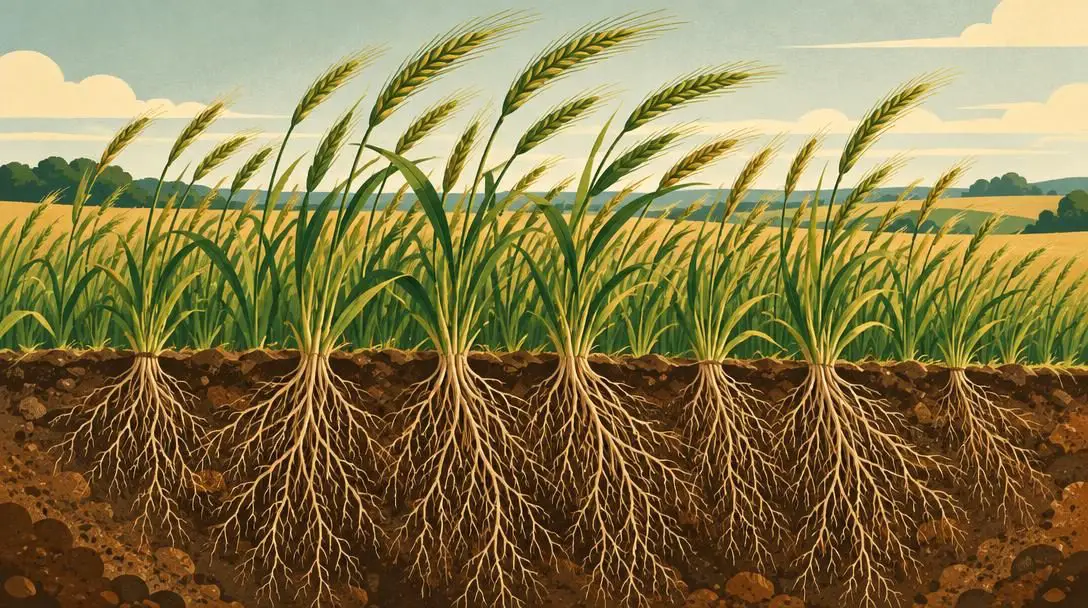
- Primary function: Subsoil decompaction and winter ground protection
- Root structure: Expansive, fibrous, deep-reaching root system
- Environmental tolerance: Exceptional cold-weather resilience
Cereal rye is a powerhouse among cool-season cover crops, celebrated for its ability to thrive when lower temperatures bring standard vegetative activity to a halt. Its standout attribute is an extraordinarily expansive, fibrous root matrix that penetrates hardpan and mechanically compacted soil profiles. As cereal rye roots weave deeply through dense dirt, they loosen rigid subsoil strata and create structural channels that remain stable long after the crop is terminated. In addition to deep mechanical aeration, the dense top growth of cereal rye develops into a thick physical barrier that insulates the ground against freezing winter winds and heavy rains, preventing sediment erosion throughout the cold season.
Clover

- Primary function: Atmospheric nitrogen fixation and pollinator habitat
- Plant family: Legume (Fabaceae)
- Fertility benefit: Converts airborne gas into plant-available fertility
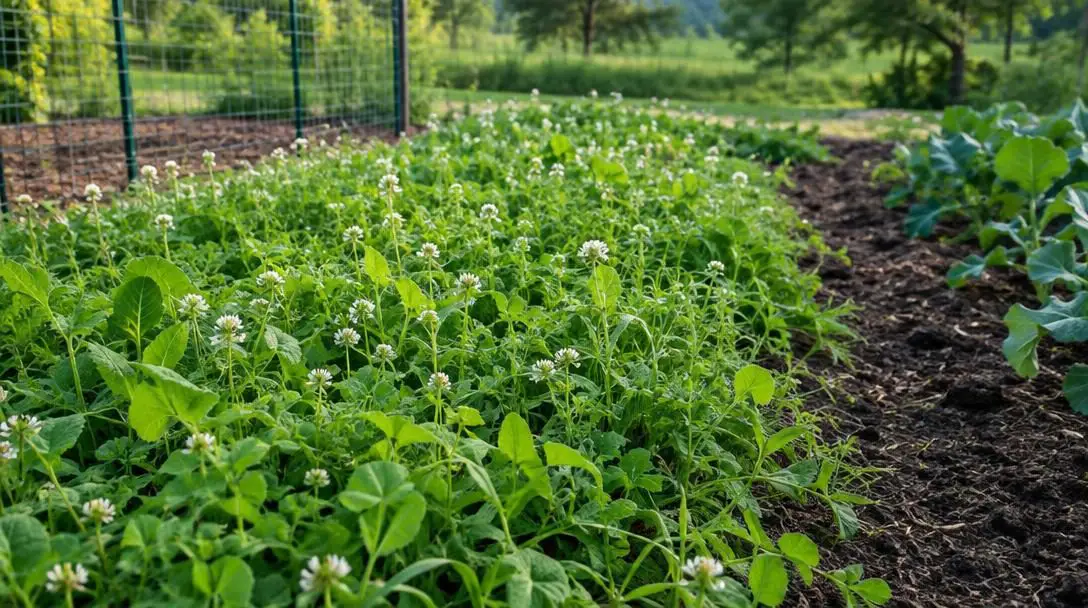
Clover represents the premier standard for growers focused on natural fertility generation without relying on artificial fertilizers. As a prominent legume, clover forms symbiotic relationships with beneficial root bacteria that convert atmospheric nitrogen gas into plant-available chemical compounds. Rather than drawing down existing fertility reserves, a stand of vigorous clover steadily builds available nitrogen directly within the root zone. Once the clover is terminated and its biomass is returned to the soil, this sequestered nitrogen is released gradually to support subsequent garden vegetables or primary cash crops. Additionally, clover forms a low-lying, lush canopy that covers bare earth, shielding vulnerable topsoil from pounding rains while providing blossoms for native pollinators.
Practical Field Advantages and Maintenance Reductions
While the long-range enhancement of soil chemistry remains a core objective, cover cropping provides practical day-to-day efficiencies that streamline field tasks and reduce maintenance labor across every phase of the season.
- Preventing Topsoil Erosion: Unprotected ground is highly vulnerable to heavy weather. Rains quickly dissolve fine topsoil aggregates, and strong winds carry away dry surface particles. Cover crops provide a protective canopy that breaks the physical impact of driving rain, while underground root networks anchor topsoil securely in place, sparing the land manager the expensive burden of replacing eroded soil.
- Suppressing Aggressive Weeds: Bare patches of ground provide ideal real estate for opportunistic weeds. By filling bare spots between crops and planting over vacant winter beds, you establish a thick, living ground cover. This natural competition starves emergent weed seeds of sunlight and root space, significantly cutting down on grueling hand-weeding.
- Capturing Residual Nutrients: After a cash crop finishes its production, loose residual nutrients often linger in the soil. Without living plants to capture them, winter downpours wash these valuable compounds deep into the subsoil or out into neighboring waterways. Cover crops act as biological catch basins, locking nitrogen and potassium into their stems and leaves until the ground is prepared for the next season.
For operations that integrate livestock alongside crop cultivation, cover crops yield immediate financial dividends. Pasturing animals on cover crops during seasonal transition periods offers fresh, nutrient-dense forage that lowers feed bills. As the animals browse the lush vegetation, they speed up the physical breakdown of plant materials and cycle manure directly onto the plot, accelerating biological activity across the field.
A Step-by-Step Guide to Establishing Cover Crops
Integrating cover crops into an existing garden or farm rotation requires disciplined planning and an understanding of seasonal timing. To establish a thriving stand that achieves your soil goals, execute the process using these sequential steps.
- Assess Soil Conditions and Define Objectives: Inspect your soil before ordering seed. Determine whether the primary challenge on the plot is severe compaction, poor drainage, nitrogen deficiency, or out-of-control weed growth. Identifying the root issue allows you to select the exact botanical family suited for the task.
- Select the Appropriate Plant Variety: Match the species to your soil's diagnostic profile. Choose strong-rooting grains such as cereal rye if you must break up packed subsoil or safeguard fields over cold winters. Choose nitrogen-fixing legumes such as clover when restoring fertility for future nitrogen-hungry crops.
- Prepare the Seedbed: Clear away thick debris, diseased vines, and heavy residue from previous harvests that could prevent seeds from settling against bare ground. Check that underlying moisture is adequate so seeds germinate promptly after contact.
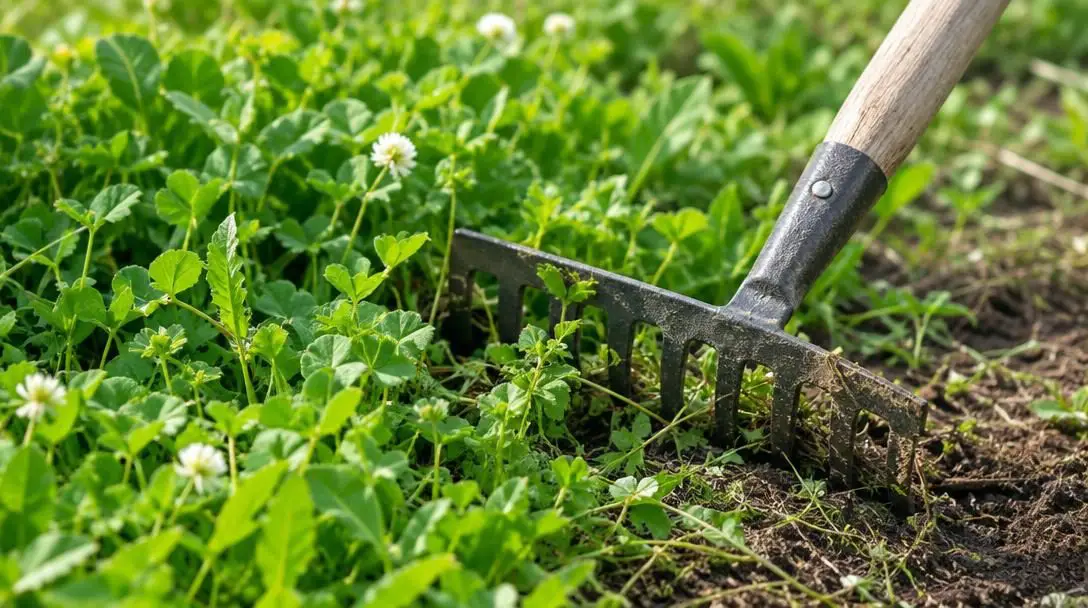
- Execute Your Sowing Technique: Choose a planting method based on your scale and equipment. For smaller areas, broadcast the seed evenly over the surface by hand and lightly rake it into the top quarter-inch of dirt. For larger plots where soil preservation is paramount, utilize no-till sowing equipment to insert seeds directly into untilled soil, preserving existing micro-ecosystems and preventing unnecessary disruption.
- Establish a Clear Termination Strategy: Schedule the exact lifespan of your cover crop before sowing. Determine whether the stand will be naturally killed off by winter frosts, cut down with a mower, tilled under as green manure, or rolled down flat using a roller-crimper before it sets seed.
Common Cover Cropping Pitfalls and How to Avoid Them
Although the advantages of cover crops are substantial, improper execution can undermine your hard work. Understanding frequent management mistakes will keep your soil improvement efforts on track.
- Overplanting the Seedbed: Scattering seed too densely sparks fierce competition among the seedlings. Overcrowded plants fight for limited light and moisture, producing spindly stems and shallow roots that fail to penetrate deep ground or form an adequate leaf canopy.
- Underplanting the Plot: Spreading seed too sparsely leaves open ground across the bed. These vacant zones defeat the purpose of the cover crop, providing opportunist weeds room to take root while exposing topsoil to erosion.
- Assembling Unbalanced Seed Mixes: Blending diverse plant families can be beneficial, but mixing aggressive, rapid-growing grains with slow-starting legumes can cause the taller grains to smother the legumes before they can fix nitrogen. Always verify plant compatibility and growth rates before blending seeds.
- Letting Plants Go to Seed: One of the most disruptive operational errors is allowing cover crops to flower and drop mature seed. Once seed heads open, your beneficial cover crop transforms into an aggressive weed that will plague subsequent cash crops for seasons to come.
- Misjudging Termination Windows: Terminating a crop too late in the spring allows mature vegetation to dry out the soil profile through transpiration. Furthermore, when large amounts of carbon-heavy mature plant stems are tilled under, soil microbes temporarily tie up available soil nitrogen to break them down, depriving incoming cash crops of vital nutrition.
Long-Term Rotation Planning and Next-Crop Succession
Cover cropping should never be treated as an isolated, single-season task; it functions best as a pillar of long-term field management. Every plant you cultivate modifies the soil's moisture, structure, and nutrient levels for the next planting. Matching your cover crop's gifts to the nutritional needs of your incoming cash crops produces a balanced, self-sustaining growing system.
Consider what your incoming primary crop will demand from the soil. If you plan to cultivate heavy-feeding vegetables that require ample nitrogen, planting a preceding stand of clover provides a biological head start. Conversely, if an area suffers from chronic pooling, poor drainage, or heavy compaction from past equipment traffic, a preceding cover of cereal rye will open deep structural conduits that help incoming roots penetrate deep into the ground.
Finally, account for the biological transition window needed between terminating a cover crop and sowing subsequent seeds. When fresh green manure is worked into the ground, soil microorganisms multiply rapidly to consume the fresh organic material. During this active breakdown period, these microbes consume significant amounts of loose nitrogen and moisture. Allowing a rest window of several weeks between working in cover crops and planting your next crop guarantees that decomposition is well underway, freeing up nitrogen and water for your cash crops.
Frequently asked questions
Can cover crops replace commercial fertilizers entirely?
While cover crops dramatically improve biological fertility, fix atmospheric nitrogen, and scavenge residual minerals, they work best as part of an integrated soil health strategy. Depending on baseline soil deficiencies, they drastically lower the need for synthetic fertilizers, but regular soil testing will determine if supplemental minerals are required.
What is the difference between green manure and living mulch?
Green manure is planted during fallow seasons and incorporated directly into the earth while still succulent to enrich the soil with organic matter. Living mulch is grown concurrently with or between rows of active cash crops to serve as a persistent ground shield that suppresses weeds and preserves moisture.
How does cereal rye break up compacted soils?
Cereal rye produces an expansive, exceptionally deep fibrous root network. These tough roots exert physical force against dense subsoil strata and hardpan, carving open channels that improve internal water drainage and allow future cash crop roots to penetrate deeper.
Why must cover crops be terminated before they produce seed?
If cover crops are permitted to produce viable seed, they drop those seeds into your growing beds. When the subsequent cash crop is planted, the cover crop seeds will sprout aggressively, transforming your beneficial cover crop into an invasive weed that demands extensive weeding labor.
How do cover crops benefit livestock operations?
On properties that combine farming and livestock, cover crops offer high-value grazing during transition windows when standard pasture may be depleted. This decreases external feed costs while the animals naturally cycle nutrients back into the plot through grazing and manure.
The bottom line
Cover crops provide an effective, time-tested approach to natural land care, turning barren fallow periods into opportunities for deep ecological restoration. By keeping living roots anchored in the ground throughout the year, you shield precious topsoil from wind and rain erosion, disrupt hardpan compaction, suppress stubborn weeds, and build a flourishing underground food web that nourishes subsequent crops.
Success with cover cropping depends on matching the right plant varieties to your specific property goals. Whether you sow deep-rooting cereal rye to open tight clay beds or establish nitrogen-fixing clover to build natural fertility, managing your planting density and terminating crops before they produce seed will secure lasting dividends. With thoughtful rotation planning and consistent management, green manures and living mulches will transform tired plots into fertile, resilient, and productive growing spaces for years to come.