The Benefits of Gardening for the Environment: How to Make a Positive Impact
Gardening has long been celebrated as a grounding and rewarding hobby, offering individuals a peaceful outdoor retreat to tend plants, nurture seeds, and cultivate beauty. Yet the true reach of gardening extends far beyond personal recreation or visual curb appeal. When managed through an ecological lens, backyards, balcony containers, and shared community plots operate as vital pieces of the wider environmental landscape, interacting directly with local air, water, soil, and living organisms.
Everyday modern lifestyle patterns often rely on sprawling commercial supply chains, heavy fossil fuel expenditures, and resource-intensive agriculture that place sustained pressure on natural ecosystems. Thoughtful domestic gardening offers an accessible, micro-level counterweight to these challenges. By designing outdoor spaces that mirror natural balances, home cultivators can directly support conservation, curb household waste, and transform ordinary plots into high-functioning ecological assets.
Key takeaways
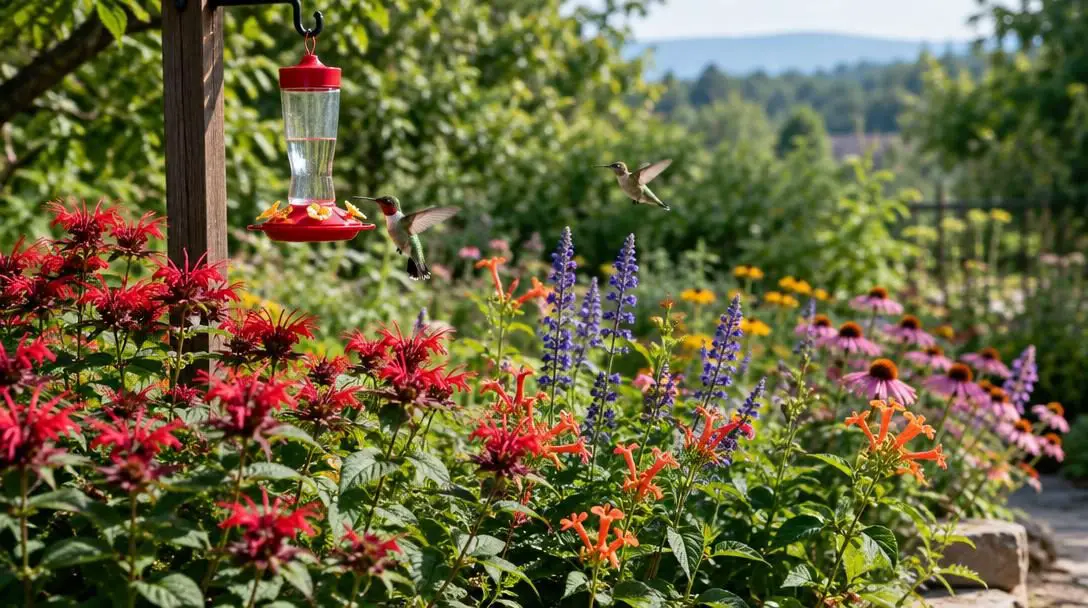
- Cultivating diverse and native plants provides vital food and seasonal shelter for local wildlife and beneficial insects.
- Producing food at home and composting organic matter reduces fossil fuel emissions from transit and diverts methane-generating waste from landfills.
- Maintaining continuous soil cover with living roots and organic mulch locks in moisture and prevents topsoil erosion.
- Connecting with community plots and food distribution networks maximizes surplus harvests while broadening regional environmental awareness.
How Ecological Gardening Works
Ecological gardening is grounded in the principle of building miniature ecosystems that work alongside natural biological cycles rather than attempting to dominate them. In a balanced garden, diverse flora, microscopic soil organisms, predatory insects, and visiting wildlife form a cooperative network. This dynamic enhances biological resilience, allowing the garden to regenerate soil, regulate pest populations, and withstand weather extremes with minimal outside intervention.
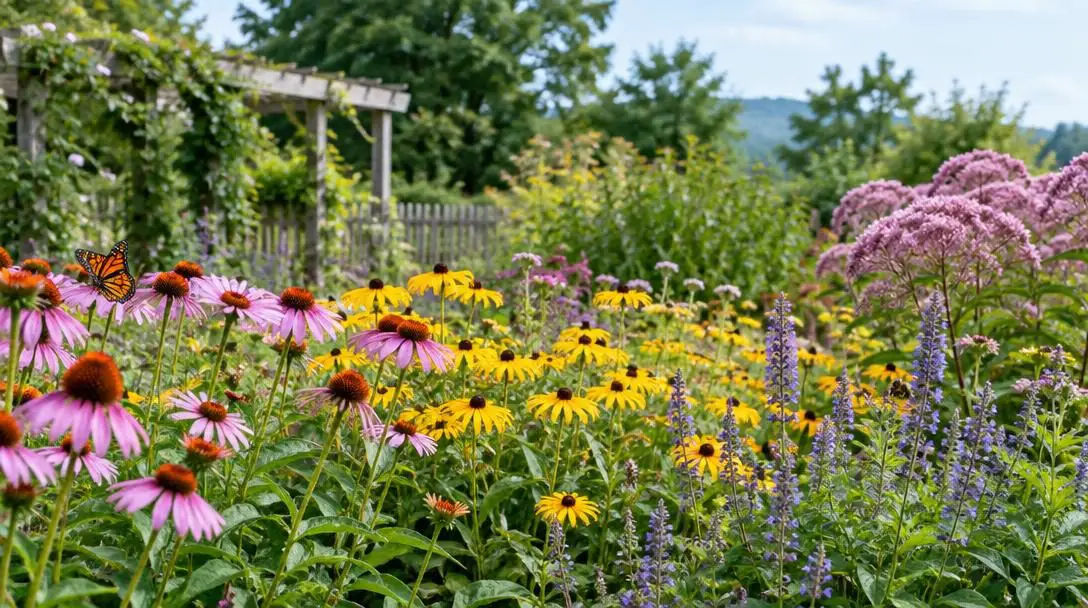
Central to this functioning is biodiversity enhancement. Monoculture landscapes—such as expansive turf lawns or isolated single-crop plantings—offer little nutritional or structural value to local fauna. In contrast, introducing a multi-tiered plant community of ground covers, perennials, shrubs, and trees generates layered microhabitats. Incorporating native flora is particularly impactful because local insects, birds, and small mammals evolved in tandem with these specific plants, relying on them for specialized nectar, pollen, foliage, and nesting materials.
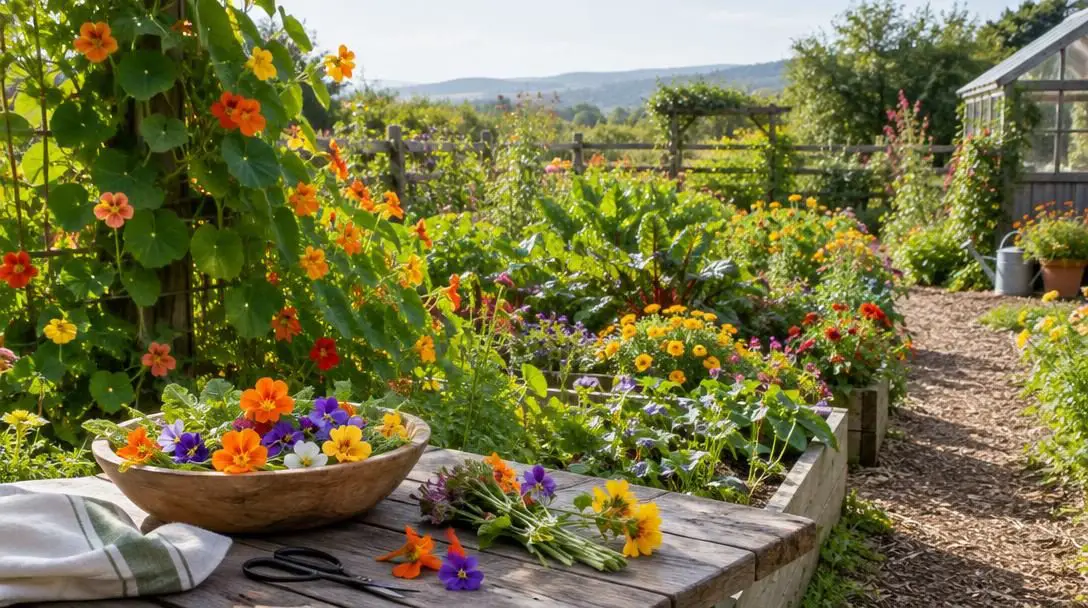
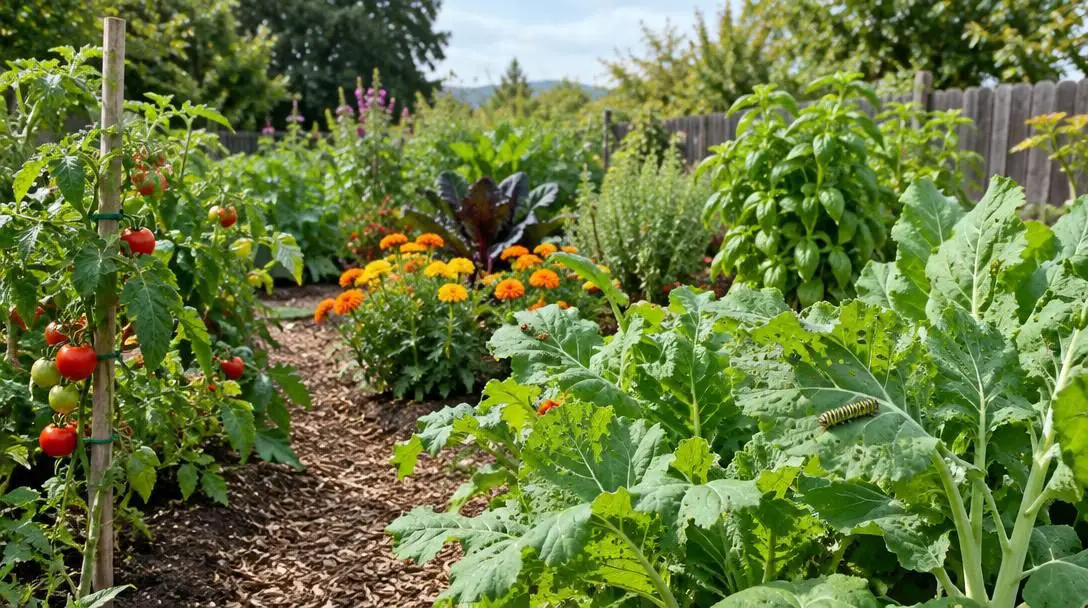
Gardening also alters household resource and energy flows. Conventional retail food distribution relies on long-distance refrigerated transportation and energy-demanding climate-controlled warehouses. By growing herbs, fruits, and vegetables outside the kitchen door, gardeners eliminate the fuel, packaging, and emissions tied to commercial transit routes. Simultaneously, recycling organic scraps through backyard composting intercepts discarded nutrients before they reach municipal landfills, preventing the anaerobic decay that produces potent methane emissions.
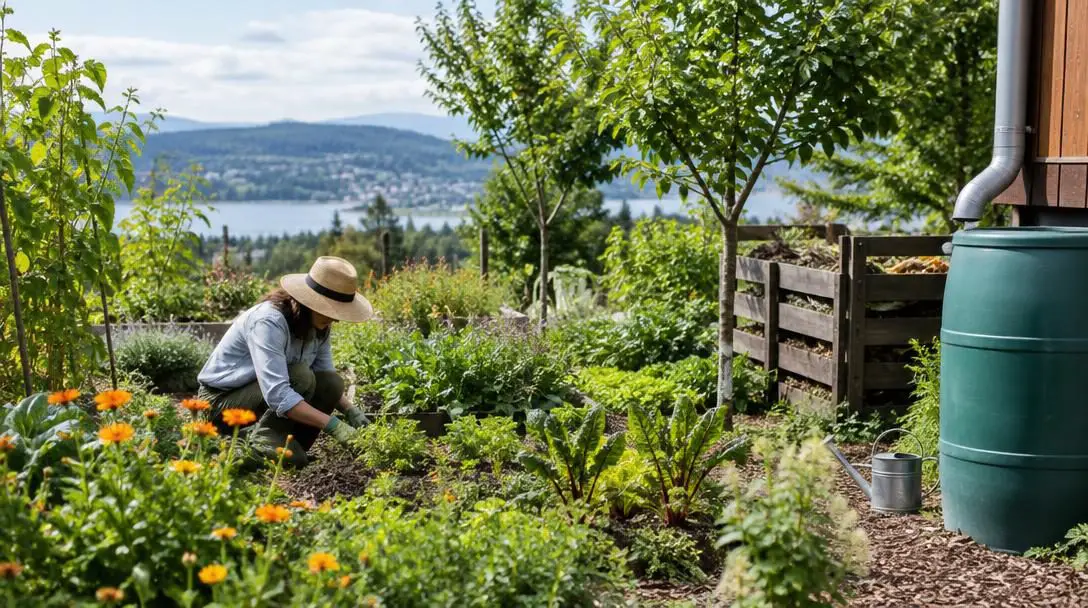
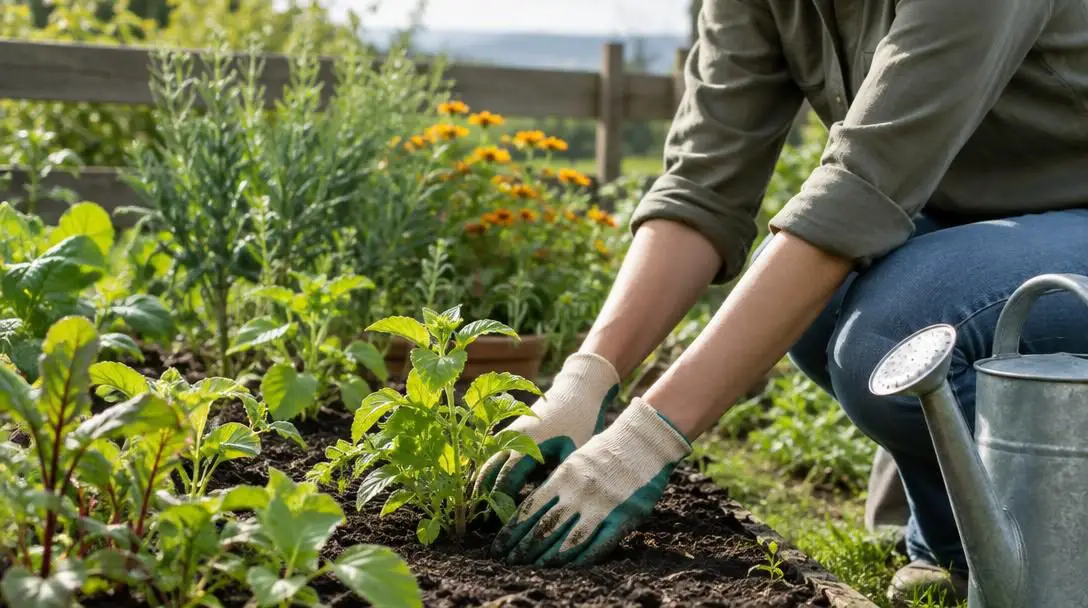
By creating green spaces that mimic natural balances, home and community gardeners contribute directly to environmental preservation and conservation.
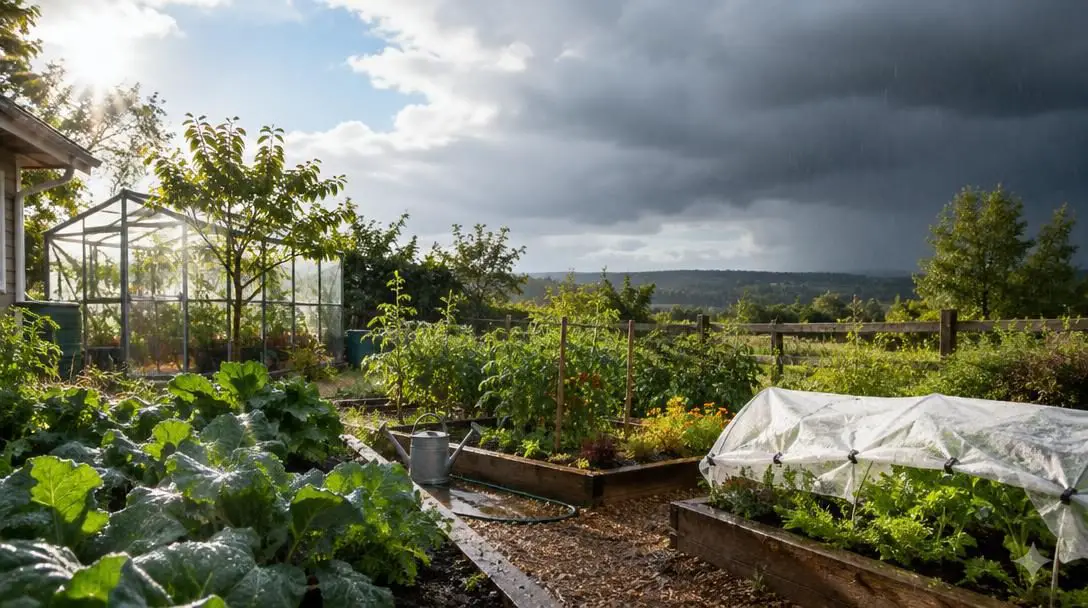
Furthermore, an ecologically managed plot safeguards the physical landscape through soil stabilization and hydrological efficiency. Unprotected topsoil is susceptible to being displaced by high winds and torrential downpours, leading to silt-heavy runoff that contaminates local waterways. By establishing dense root structures, planting low-growing living covers, and blanketing beds with organic mulch, gardeners anchor the soil matrix. This protective mantle keeps the ground cool, suppresses evaporation, and fosters an open, sponge-like soil texture capable of absorbing and retaining rainfall.
Core Environmental Benefits of Sustainable Cultivation
Transitioning from conventional yard upkeep to an ecologically focused model creates distinct, measurable benefits across natural systems. The following table highlights how specific gardening approaches directly counter prevalent environmental challenges.
| Conservation Domain | Environmental Challenge | Garden Solution | Ecological Outcome |
|---|---|---|---|
| Wildlife Support | Habitat loss and declining pollinator populations | Planting diverse native flora and layered vegetation | Provides sustained forage, nesting sites, and predator-prey balance |
| Emissions Reduction | Fossil fuel consumption from commercial transport | Harvesting edible crops on-site for household use | Shortens the farm-to-table supply chain to zero transit miles |
| Waste Diversion | Landfill overload and methane generation | Establishing backyard or communal composting bins | Recycles organic scraps into biological soil nutrients |
| Soil Health | Topsoil degradation and agricultural erosion | Maintaining living ground covers and applying organic mulch | Anchors topsoil particles and prevents stormwater runoff |
| Water Conservation | Aquifer depletion and municipal water strain | Building porous, organic-rich soil structures | Maximizes moisture retention and decreases irrigation frequency |
| Community Resilience | Centralized, vulnerable grocery distribution | Cultivating shared plots and sharing harvest yields | Supplies fresh, chemical-free food to local neighborhoods |
Practical Steps to Make a Positive Impact
Shifting toward an environmentally beneficial garden does not demand an instantaneous, full-scale redesign of your outdoor space. Systematic, incremental adjustments to daily care routines and planting decisions produce substantial cumulative benefits over time.
- Select native plant species: Research flowering perennials, grasses, and shrubs that naturally occur within your geographical region. Prioritize these over non-native ornamentals to ensure your garden aligns with the natural life cycles of regional pollinators and birds.
- Build a functioning compost system: Establish an open pile or closed tumbler in a dedicated corner of the yard. Combine nitrogen-rich kitchen peelings and fresh cuttings with carbon-heavy dry leaves and shredded materials to cultivate rich, home-grown soil amendments.
- Protect every square foot of soil: Interplant tall specimens with compact culinary herbs or creeping ground covers. Cover all remaining bare earth across your beds with a generous layer of coarse mulch, wood chips, or shredded leaves.
- Incorporate high-yield edible plants: Designate bed space or containers for staple culinary produce your household eats regularly. Harvesting your own greens, tomatoes, and herbs immediately offsets store-bought produce.
- Transition to integrated pest management: Eliminate broad-spectrum chemical sprays entirely. Hand-pick unwanted insects during routine checks, plant companion herbs to disorient pests, and let predatory ladybugs, lacewings, and garden birds manage infestations.
- Plug into regional gardening groups: Locate community gardens, seed swaps, and cooperative growing spaces within your town. Shared plots provide access to bulk tools, local planting advice, and communal food production.
Common Mistakes to Avoid
Even passionate, environmentally conscious gardeners can fall into habits that inadvertently degrade local habitats. Watching out for these common missteps keeps your garden aligned with conservation goals:
- Introducing aggressive non-native varieties: Planting fast-spreading exotic plants often leads to escapees migrating beyond garden borders, where they can outcompete indigenous vegetation and disrupt native food webs.
- Relying on synthetic chemicals: Chemical pesticides and high-nitrogen synthetic fertilizers wipe out non-target beneficial insects, sterilize vital subterranean microbial life, and wash into local storm drains during heavy rains.
- Leaving garden beds bare: Naked topsoil exposed to direct sunlight quickly bakes dry, kills off beneficial surface-level soil organisms, and blows away in strong winds.
- Discarding clean yard trimmings: Bagging fallen leaves and plant prunings for municipal landfill collection discards valuable organic biomass that could otherwise restore your garden's nutrient cycle.
- Allowing abundant harvests to spoil: Overplanting without a clear harvest strategy leads to rotten vegetables on the vine, squandering the primary sustainability benefit of homegrown food.
- Operating in complete isolation: Gardening without engaging with regional growers cuts you off from localized wisdom about soil conditions, pest pressures, and native varieties that thrive without assistance.
Expanding Your Ecological Impact
Once your garden plot is humming with biological activity, several pathways allow you to scale your positive environmental contributions into the wider community.
First, evaluate whether your plot provides multi-seasonal wildlife support. Many gardeners cut down all vegetation at the first sign of autumn chill, sanitizing the landscape. However, leaving dried seed heads intact through the winter offers critical sustenance for non-migratory songbirds, while hollow plant stems and undisturbed piles of dry leaves provide safe overwintering quarters for hibernating native bees and beneficial beetles.
Second, address neighborhood food security by developing relationships with local community kitchens, hunger relief centers, and produce-sharing tables. When planning spring sowings, purposefully allocate an extra row or dedicated container to grow calorie-dense, durable crops intended specifically for donation. This transforms sustainable gardening from an individual hobby into an engine of neighborhood nourishment.
Finally, engage directly in local environmental advocacy. Backyard conservation gains exponential power when supported by municipal policy. Gardeners can attend town council meetings, advocate for native plant protections on public property, push for city-wide organic waste collection programs, and champion zoning ordinances that protect community gardens and public green spaces.
Frequently asked questions
How does home composting help lower greenhouse gas emissions?
When food scraps and yard waste are sent to municipal landfills, they become buried deep beneath other trash without access to oxygen. This causes anaerobic decomposition, a biological process that produces potent methane gas. Home composting introduces oxygen through regular turning and aerated structures, allowing aerobic microbes to break down the material cleanly into nutrient-rich humus without generating massive landfill methane emissions.
Why are native plants better for the environment than non-native ornamentals?
Native plant species have evolved over thousands of years alongside your region's native insects, birds, and weather conditions. Because of this evolutionary pairing, they provide the exact nutrients and shelter regional wildlife requires to survive. Additionally, native plants are naturally adapted to local rainfall patterns and soil types, meaning they thrive without the need for synthetic fertilizers, heavy watering, or chemical pest interventions.
How does keeping soil covered prevent erosion and conserve water?
Bare soil exposed to harsh sun and wind loses moisture rapidly through surface evaporation, while heavy rain droplets dislodge unprotected topsoil particles and wash them away. Dense ground covers and layers of organic mulch physically shield the soil surface, cushioning rainfall impacts, shading the earth to lower surface temperatures, and maintaining an open, moisture-retentive soil structure.
What should I do if my edible garden produces more food than my family can eat?
To avoid food waste, prepare a plan before the peak harvest period. You can preserve the surplus through canning, dehydrating, or freezing. Alternatively, share excess produce with neighbors, coworkers, and friends, or coordinate with local food pantries and community kitchens that accept fresh, garden-grown donations to feed food-insecure families.
What makes broad-spectrum chemical sprays so damaging to a garden ecosystem?
Broad-spectrum sprays do not discriminate between destructive garden pests and beneficial organisms. In addition to targeting unwanted bugs, they inadvertently kill vital pollinators like bees and predatory insects like ladybugs and predatory wasps that naturally keep pest populations down. Over time, eliminating these natural predators creates pest resurgence cycles that demand even heavier chemical applications.
The bottom line
Transforming a garden into an ecologically functional sanctuary does not depend on sprawling acreage or complex equipment. Meaningful conservation begins right at the soil level through practical, conscientious decisions: substituting native plants for aggressive exotics, retaining organic biomass on-site, sheltering the ground with mulch, and nurturing natural predator populations over chemical dependency.
When domestic growers view their plots as connected outposts of the greater natural world, routine outdoor tasks become active steps toward environmental restoration. By linking personal horticultural efforts with community food networks and conservation advocacy, individual gardeners collectively construct a healthier, more resilient landscape for generations to come.