The Benefits of Hügelkultur: A Guide to Raised Bed Gardening with Wood
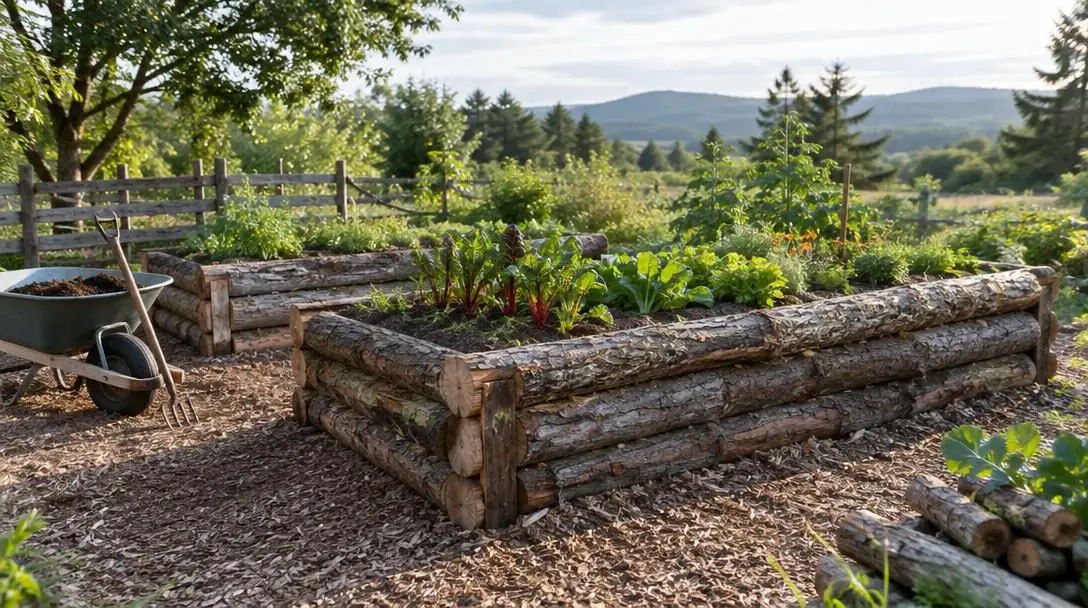
Raised bed gardening takes many forms, but few methods integrate natural woodland cycles as completely as Hügelkultur. Originating as a traditional agricultural technique across Central and Eastern Europe, the German word translates literally to "hill culture" or "mound culture." Instead of relying on milled timber, synthetic planters, or manufactured soil amendments, this centuries-old method uses decaying timber, fallen branches, plant residues, and compost to build high-yielding, self-fertilizing elevated mounds.
By replicating the natural decay seen on undisturbed forest floors, Hügelkultur establishes a dynamic biological engine beneath the soil. Over seasons of slow breakdown, the buried logs transform into moisture-laden subterranean sponges that feed crops, moderate soil temperature, and loosen dense soils. Whether you are managing excess yard waste, attempting to cultivate food in arid regions, or seeking low-irrigation gardening options, building a Hügelkultur bed offers a regenerative solution to backyard cultivation.
Key takeaways
- Hügelkultur is an ancient European gardening method that uses buried logs and branches to create elevated, self-sustaining growing mounds.
- Decaying wood inside the bed absorbs seasonal precipitation, releasing moisture and trace nutrients to surrounding plant roots during dry weather.
- Passive heat generated by microbial and fungal decomposition warms the mound's soil, effectively extending both spring and autumn growing seasons.
- Seasoned hardwoods like oak, maple, and ash are ideal for construction, whereas resinous softwoods like pine, cedar, and spruce should be avoided.
- Careful crop succession and slope-specific planting maximize the productivity of the mound as its internal wood softens into rich humus over multiple years.
The Science of Forest Floor Mimicry
In mature forests, falling trees do not go to waste. As mature trunks fall and rest upon the forest floor, they are slowly buried under layers of autumn leaves, twigs, shed bark, and airborne sediment. Fungi, subterranean microbes, and macro-organisms quickly colonize the dead wood, breaking down tough lignin and cellulose into porous organic matter known as humus. This spongy layer holds vast reserves of rainfall, suppresses drought stress for surrounding vegetation, and creates a nursery floor for new plant life.
Hügelkultur deliberately compresses this multi-decade woodland dynamic into a garden-scale timeline. By assembling a concentrated mound of carbonaceous wood layered with nitrogenous organic waste and topsoil, gardeners initiate an accelerated composting process directly beneath their crops. Rather than isolating plants from the wider soil ecology, this mound structure acts as a living bioreactor, driving root respiration and establishing extensive fungal networks.
A well-built Hügelkultur mound functions as a living underground sponge, capturing rainfall deep within its core and feeding moisture back to plant roots through sustained summer heat.
The Anatomical Layers of a Hügelkultur Mound
A resilient Hügelkultur bed depends on intentional, structured stratification. Layering coarse materials at the bottom and finer materials at the top maintains structural stability while fueling the biological activity required for steady decomposition.
Base Wood Layer
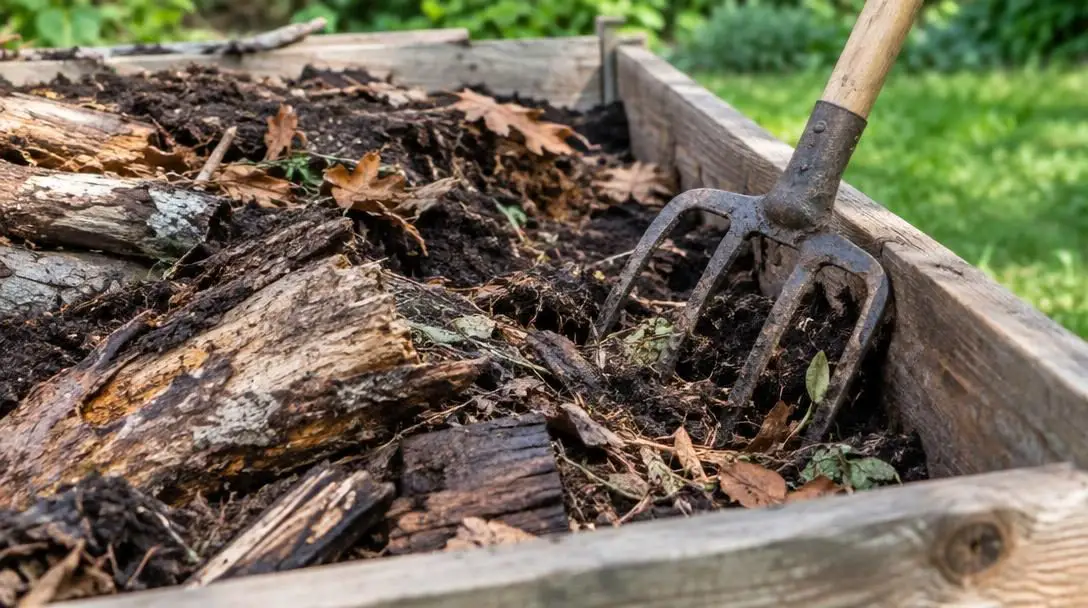
The foundation of the mound consists of the heaviest, thickest wood available, including tree trunks, thick limbs, and large logs. This bottom stratum provides the physical architecture of the mound, preventing soil collapse and resisting heavy winds or rainfall. Over several years, these massive pieces of wood slowly break down, acting as the primary water reservoir and long-term carbon source for the bed.
Intermediate Wood and Brush Layer
Directly above the base layer, gardeners place medium-sized branches, pruned limbs, twigs, and woody brush. This intermediate web serves two distinct purposes: it fills the broad voids between massive bottom logs to prevent topsoil from washing straight to the bottom, and it creates natural channels that allow oxygen to circulate deep within the mound's core.
Organic Nitrogen and Decomposition Accelerators
Uncooked wood possesses a high ratio of carbon to nitrogen. To jump-start the activity of decomposing microbes and prevent the wood from temporarily locking up surrounding nitrogen, generous coatings of nitrogen-rich organic amendments are packed between and above the branches. This layer includes finished compost, well-aged animal manure, green yard waste, or decomposing vegetable trimmings.
Topsoil and Planting Cap
The mound is completed with a substantial layer of quality topsoil, typically applied between four and six inches deep across the summit and sloping flanks. This layer serves as the initial germination and root zone for seedlings and transplants. As young crops establish themselves, their taproots push downward through the topsoil to tap the moisture and nutrients residing in the decomposing organic layers below.
How Hügelkultur Enhances Garden Dynamics
The unique internal conditions of a Hügelkultur bed offer clear agronomic benefits over standard flat garden plots and framed boxes.
Subterranean Water Storage: The wood fiber at the center of the bed acts like an expansive underground sponge. During wet spells, it swells with absorbed water. When seasonal rain subsides and surface conditions dry out, capillary action and root seeking pull moisture upward from the saturated interior, dramatically reducing overall irrigation needs.
Passive Soil Warming: Microbial decomposition generates subtle, continuous heat. By keeping root-zone temperatures several degrees higher than native surrounding soil, Hügelkultur creates a warm subterranean microclimate. Gardeners can plant earlier in spring without frost damage to roots and keep harvest cycles running later into the autumn months.
Natural Aeration: As fungal mycelium and insects dismantle the wood, they carve out minute passageways and porous chambers. This persistent activity prevents the soil compaction that often plagues high-traffic in-ground plots, providing plant roots with steady access to oxygen and facilitating healthy drainage after cloudbursts.
Self-Renewing Fertility: The continuous release of micro- and macronutrients from slowly rotting hardwood limits the need for commercial fertilizers. Over a multi-year timeline, the wood matrix breaks down completely into dark, rich humus that feeds successive generations of plants.
Comparing Garden Bed Systems
Evaluating Hügelkultur alongside conventional cultivation methods helps determine whether building a timber-based mound matches your landscape goals and material availability.
| Feature | Conventional In-Ground Bed | Framed Raised Bed | Hügelkultur Mound |
|---|---|---|---|
| Irrigation Demand | High; moisture quickly evaporates or leaches into subsoil | Moderate to High; soil dries out quickly along frame walls | Low; internal wood sponge retains and wicks water over dry periods |
| Material Input Costs | Low; requires basic tillage and periodic amendments | Moderate to High; involves milled lumber, masonry, and bulk soil blends | Very Low; built using repurposed logs, pruning debris, and compost |
| Soil Warmth & Season Length | Standard; dictated solely by ambient weather and sunlight | Moderate; elevated soil warms faster than flat native ground | High; internal biological decomposition delivers subterranean heat |
| Aeration & Compaction | Prone to compaction from foot traffic and rainfall impact | Resistant to foot traffic, but soil settles over seasons | Naturally aerated over years as decaying wood opens subterranean voids |
Step-by-Step Construction Guide
Constructing a functional Hügel bed requires physical effort, but it does not demand specialized carpentry tools or complicated plans. Gathering materials ahead of time makes the assembly process straightforward and efficient.
- Select and clear the site: Choose a garden location that receives adequate sunlight for your intended crop varieties. Strip away aggressive perennial weeds, heavy turf, or surface debris to expose bare soil, creating an unhindered base for moisture and microbial exchange.
- Assemble your materials: Collect your inputs before beginning construction. You will need thick logs or tree trunks, medium-sized branches, twigs, well-rotted animal manure or finished compost, and enough rich topsoil to cap the mound.
- Lay down the base logs: Arrange your heaviest, thickest timber tightly along the center of the footprint. Aligning them closely establishes the primary structural core and structural spine of your raised bed.
- Infill with intermediate brush: Layer medium branches, trimmed limbs, and twigs directly over and beside the base wood. Pack these smaller pieces into large open gaps to build a stable, interwoven wood lattice that maintains airflow.
- Apply decomposition accelerators: Spread a thick coating of compost or aged manure directly across the timber structure. Use a rake or shovel to work the rich organic material down between the branches, ensuring immediate biological contact with the carbon-heavy wood.
- Cap with topsoil: Cover the entire mound with four to six inches of high-quality topsoil. Smooth the soil along the summit and sloped sides to form an even, accessible planting surface.
- Saturate and plant: Give the entire mound an extensive, thorough soaking with a hose. This initial watering settles loose soil into remaining interior voids and primes the wood fibers to begin absorbing moisture. Plant your seeds or transplants immediately, or dress the mound with light mulch to prevent surface erosion.
Selecting Wood Varieties and Avoiding Mistakes
The materials you bury determine how smoothly your mound develops. Using the wrong timber or failing to plan for physical settling can compromise your bed's health.
Opt for Seasoned Hardwoods: Species such as oak, ash, and maple are exceptional options for Hügelkultur. Hardwoods break down slowly, provide balanced structural support, absorb large quantities of water, and steadily discharge minerals and nutrients over several years.
Avoid Toxic or Resinous Softwoods: Steer clear of high-tannin and resin-dense softwoods like cedar, pine, and spruce. These species contain high levels of aromatic compounds and natural resins that actively resist decomposition and can inhibit the growth of sensitive vegetable roots.
To keep your mound productive, watch out for these frequent mistakes:
- Applying a rigid watering schedule: Because the wood base acts like a sponge, watering on a standard raised-bed schedule can saturate the mound's core. Overwatering risks anaerobic conditions, root rot, and stalled decomposition. Always feel the soil several inches down before irrigating.
- Ignoring natural settling: As the internal branches decay and compress, the mound will lose height and settle. If left unattended, outer soil can form a hardened, impermeable crust. Break up compacted patches annually and top-dress the mound with compost and fresh topsoil.
- Building without enough nitrogen: Piling massive logs under soil without compost, aged manure, or green plant scraps forces microbes to draw nitrogen out of the surrounding soil to break down the carbon, leaving young crops nutrient-starved.
Long-Term Management and Crop Succession
A Hügelkultur mound changes every year it remains in the garden. Designing your planting strategies around the mound's orientation and physical age ensures continuous harvests.
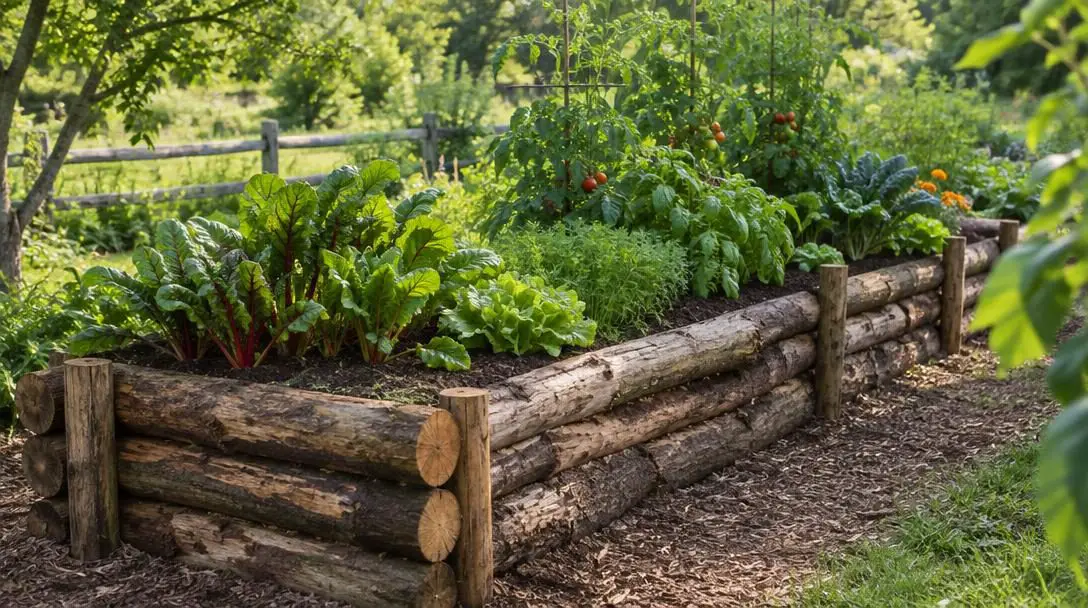
Harnessing Microclimates: Because the mound features sloping sides, one flank will naturally receive more sun exposure than the other. Position heat-loving, sun-hungry nightshades like tomatoes and peppers on the sun-facing slope. Reserve the cooler, partially shaded opposite slope for cool-season greens, radishes, spinach, and brassicas that tend to bolt in excessive direct heat.
First-Year Plantings: During its first growing season, the buried timber is still firm, and the mound will undergo its most noticeable structural shifting. Focus your initial planting on shallow-rooted crops, nitrogen-fixing legumes, leafy greens, and sprawling squash or melon vines that can crawl over the mound's slopes while anchoring topsoil against heavy rain.
Subsequent Seasons: By the second, third, and fourth years, the subterranean wood transforms into friable, rich humus. Deep taproots can easily penetrate the softened interior. This is the ideal stage to introduce deep-rooting carrots, parsnips, perennial culinary herbs, and even small berry bushes.
Managing Moisture and Pests: The moist, sheltered environment created by decaying wood makes the lower edges of the mound attractive to garden slugs and snails. Early morning walks to hand-pick pests off sensitive plants, along with keeping a clear perimeter around the base of the mound, will keep populations under control without chemical sprays. In the first year, before the core wood is fully softened, monitor moisture carefully during hot summer spells and provide deep, slow soaks whenever the upper layers run dry.
Frequently asked questions
How long does a Hügelkultur bed last before needing to be rebuilt?
A properly assembled mound typically lasts between five and ten years, depending on the thickness and species of wood used at the base. Over time, the mound will gradually lower in height as the timber breaks down into rich, spongy soil.
Do I have to dig a trench before laying down the base logs?
Digging a shallow trench into the ground before placing your base logs is optional, but it helps anchor large timber, increases overall mound stability, and allows the buried wood to absorb moisture directly from deeper native subsoils.
Will burying wood in the garden steal nitrogen from my plants?
Raw wood draws on nitrogen during initial microbial breakdown, but adding ample nitrogen-rich layers—such as well-aged manure, finished compost, and green waste—directly over the wood prevents nitrogen lockup in your topsoil layer.
Can I build a Hügelkultur bed inside an existing wooden or metal frame?
Yes. Many gardeners place logs and brush in the bottom half of tall wooden, stone, or corrugated metal raised beds to save money on bagged soil blends, conserve irrigation water, and establish long-term soil biology.
Why are pine and cedar logs discouraged in Hügelkultur mounds?
Pine, cedar, and spruce contain natural resins, tannins, and aromatic oils that slow decomposition and can release compounds that inhibit seed germination and vegetable root development.
The bottom line
Hügelkultur bridges the gap between waste management and regenerative horticulture. By transforming unwanted timber, pruned limbs, and yard trimmings into a multi-layered growing system, gardeners can build self-watering, biologically vibrant raised beds that last for years. The method eases summer drought stress, lengthens seasonal harvests through natural subsoil heat, and continuously feeds crops from the bottom up. With thoughtful wood selection and proper layering, a Hügelkultur mound creates an enduring, resilient foundation for a productive garden.