The Benefits of Mulching: A Guide to Healthier Soil and Easier Maintenance
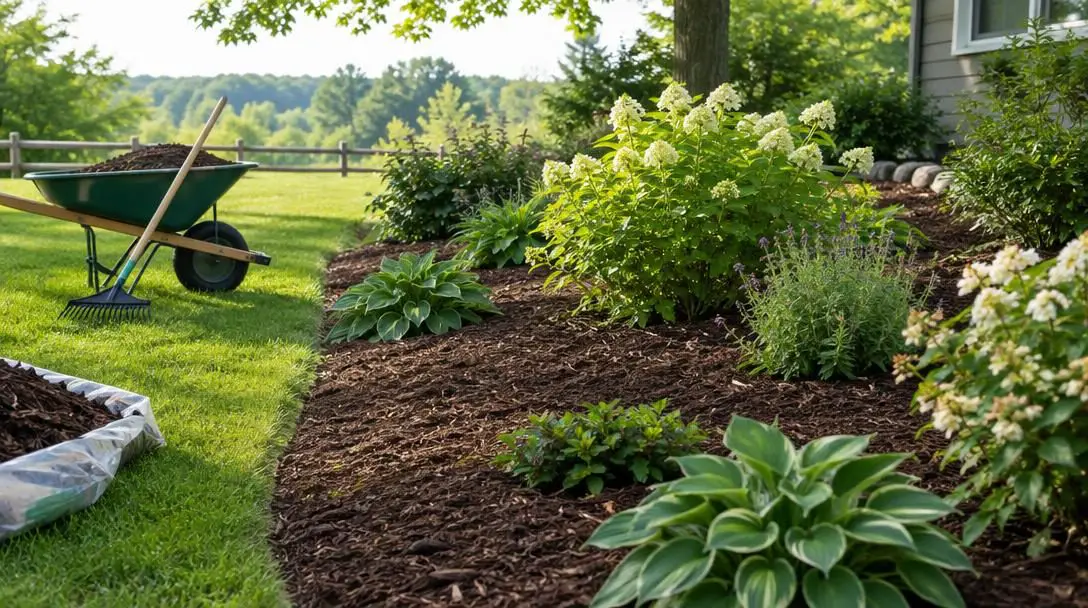
Soil quality serves as the cornerstone of every thriving garden, landscape, and lawn. When the earth beneath your plants is well-nourished, balanced, and structurally sound, root systems grow deep, foliage flourishes, and plants produce abundant harvests and vibrant blooms. Conversely, when topsoil is left bare and neglected, plants struggle against chronic moisture loss, severe temperature swings, and nutrient starvation. One of the simplest and most dependable ways to protect and revitalize this vital growing environment is mulching.
Mulching is the horticultural practice of blanketing the soil surface surrounding plants with a protective barrier of material. By establishing a dedicated buffer between raw dirt and the surrounding atmosphere, mulch stabilizes the subterranean environment, insulates sensitive roots, and conserves life-giving hydration. Whether you cultivate sprawling vegetable beds, manicured ornamental borders, or functional lawn edges, understanding the practical mechanics of mulching will significantly elevate plant health while slashing routine maintenance hours.
Key takeaways
- Mulch acts as a protective shield that locks in essential moisture, stops topsoil wind erosion, and moderates root zone temperatures.
- Organic mulches decay naturally to feed beneficial soil microbes and improve soil structure, whereas inorganic varieties offer long-term wind resistance and heat absorption.
- Spreading mulch at an optimal depth of two to three inches suppresses weeds by starving unwanted seeds of necessary sunlight.
- Keeping mulch clear of plant stems and foliage prevents trapped moisture that causes rot and soil-borne infections.
- Old organic mulch should be cleared annually and transferred to a compost pile to enrich future planting seasons.
Understanding soil health: how mulch protects the underground ecosystem
Soil is far more than an inactive substance designed to anchor plant roots upright. In reality, healthy garden soil is a complex living ecosystem that relies on a delicate balance of moisture, aeration, and biological activity. When left exposed to the open elements, this subterranean habitat deteriorates under sun, wind, and sudden environmental fluctuations. Mulch provides the continuous physical barrier required to preserve this dynamic environment.
A primary function of mulch is moisture retention. Bare soil loses water rapidly to the atmosphere through evaporation, particularly during extended dry spells or hot summer afternoons. When a uniform layer of mulch is placed over the ground, it forms a protective cover that drastically slows moisture loss. This barrier ensures that plant root zones remain evenly hydrated over prolonged periods, shielding delicate vegetation from dehydration stress and reducing the frequency of artificial irrigation.
Beyond moisture conservation, mulching provides vital defense against soil erosion. Unprotected topsoil consists of fine, nutrient-rich particles that are easily dislodged and carried away by strong gusts of wind. Over time, persistent winds strip planting beds of their most fertile components. Mulch serves as a physical buffer, absorbing wind energy and anchoring the fertile upper soil horizon firmly in place.
Furthermore, mulch establishes the perfect conditions for thriving microbial life. Healthy soil is densely populated by beneficial bacteria and microscopic fungi that break down organic matter and transform complex minerals into simpler, bioavailable nutrients that roots can absorb. Because beneficial microbes require a stable, moist habitat to multiply and perform these ecological functions, the insulating blanket of mulch directly fosters underground biological vitality.
Maintenance advantages: weed suppression, thermal buffers, and disease control
Beyond bolstering soil vitality, mulching drastically reduces the physical labor required to manage ornamental beds, vegetable plots, and borders. Uncultivated, open ground invites continuous maintenance headaches, but an established mulch layer naturally streamlines ongoing yard work.
Weed suppression is among the most immediate labor-saving benefits of mulching. Airborne weed seeds constantly settle into garden beds, while dormant seeds already present within the earth wait for favorable conditions to sprout. Mulch prevents weed seeds from germinating by blocking the solar radiation they require to trigger active growth. Denied sunlight, the vast majority of weed seedlings wither before they can establish competitive root systems, sparing gardeners countless hours of arduous hand-weeding.
By establishing a physical barrier over the earth, mulch shields the subterranean ecosystem from extreme elements and prevents the spread of soil-borne pathogens.
Thermal regulation is another essential benefit. Exposed soil absorbs intense heat during mid-day sun and loses warmth rapidly as soon as night falls. These sudden fluctuations cause root shock, stressing sensitive plants and stalling active growth. A protective mulch blanket functions as thermal insulation, keeping the underlying ground significantly cooler during hot daylight hours and conserving warmth during cold nights. This moderating effect minimizes root stress, allowing plants to direct their energy into foliage and fruit production.
Mulch also plays a crucial role in disease management by suppressing soil-borne pathogens. Countless plant diseases live naturally within the upper layers of topsoil. When heavy rain drops hit bare earth, the force of the water splashes contaminated mud particles directly onto the low-hanging leaves and stems of nearby plants. A continuous blanket of mulch cushions water impacts, prevents muddy splashing, and keeps foliage clean and dry, thereby substantially decreasing the incidence of foliar infections.
Organic mulch types: enriching soil through natural decomposition
Garden mulches fall into two distinct groups: organic and inorganic. Organic mulch varieties are manufactured from natural plant materials that decompose gradually over time. As these materials break down, they release macro- and micronutrients into the earth, progressively enhancing the soil's physical texture, moisture capacity, and chemical composition while fueling beneficial soil microbes.
Bark
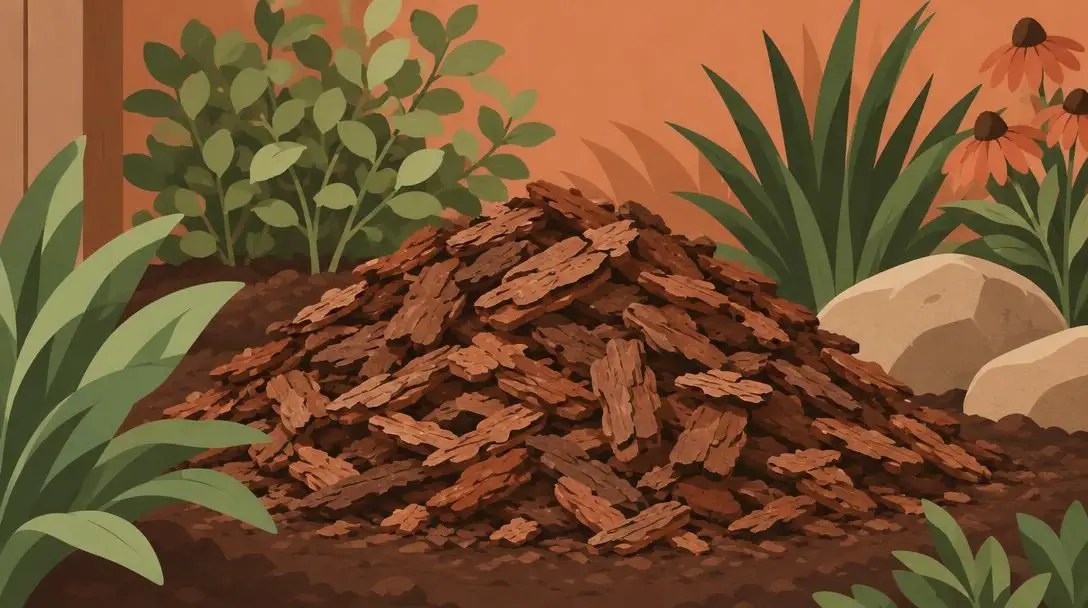
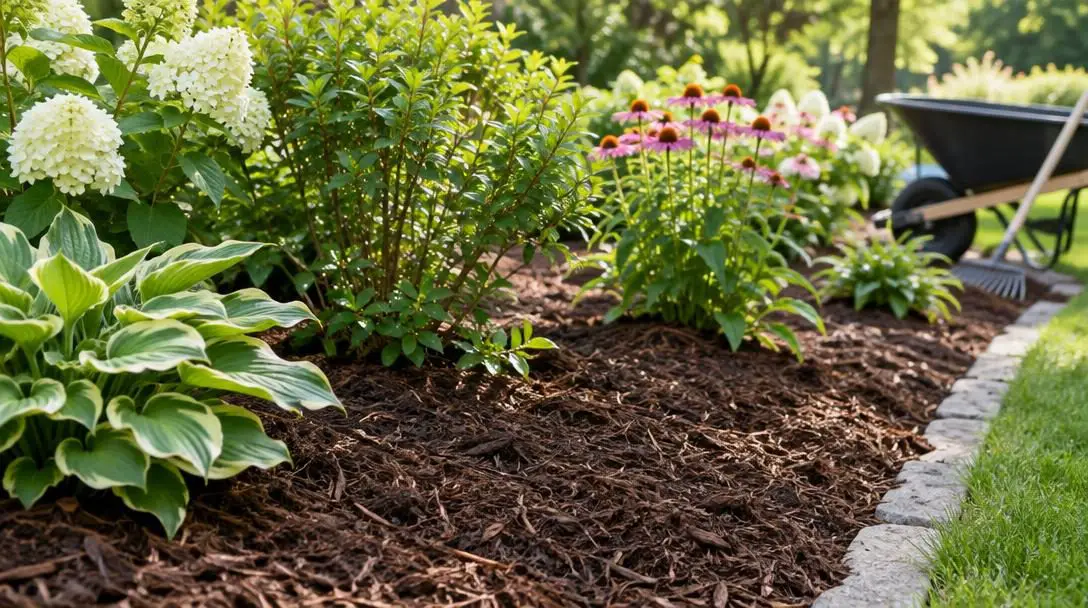
Bark mulch is derived from tree bark and remains one of the most popular, visually appealing ground covers for perennial borders and shrub beds. It decomposes at a slow, measured pace, making it an exceptionally durable organic choice. In addition to providing sustained moisture retention, bark lends a tidy, professional finish to manicured landscaping.
Wood chips
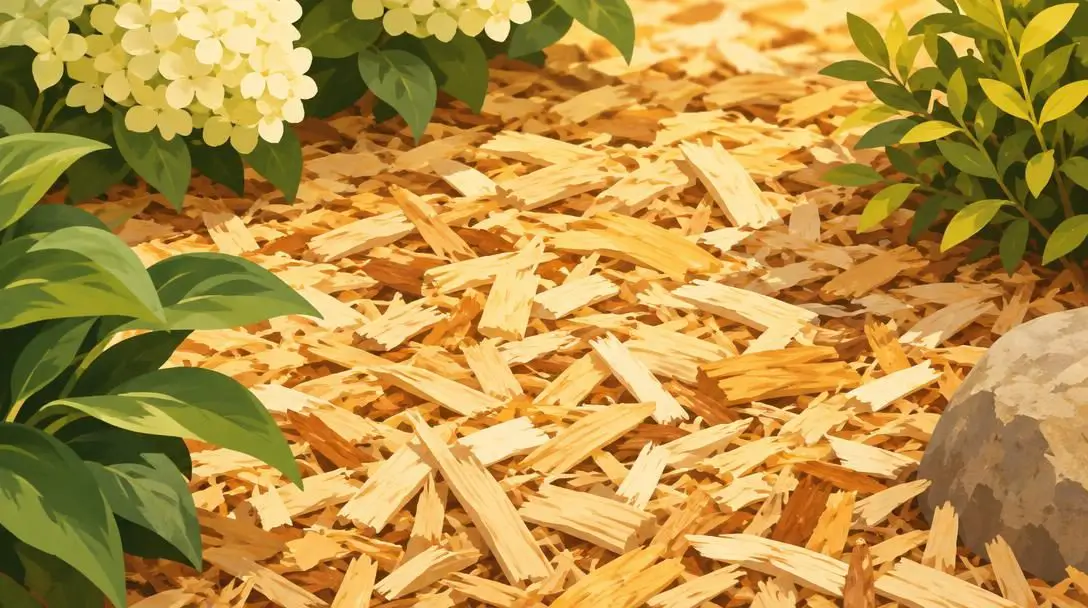
Composed of chipped or shredded tree wood, wood chips create a clean, uniform ground covering across large garden areas. They excel at retaining underground moisture and cooling the earth during high summer. As wood chips slowly weather, they provide a durable shield that resists shifting under foot traffic or light weather.
Leaves and yard waste
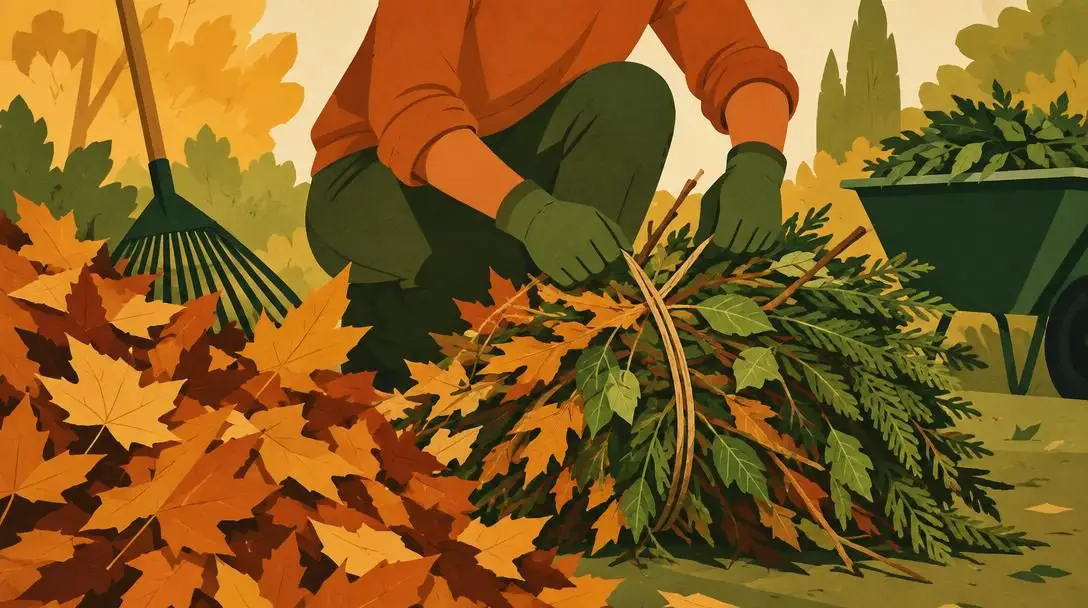
Shredded autumn leaves and clean yard waste—such as recycled grass clippings and shredded landscape trimmings—provide an accessible, cost-effective mulching solution. Because these materials break down relatively quickly, they deposit a concentrated burst of organic matter and plant nutrients back into the soil, significantly boosting microbial populations.
Straw
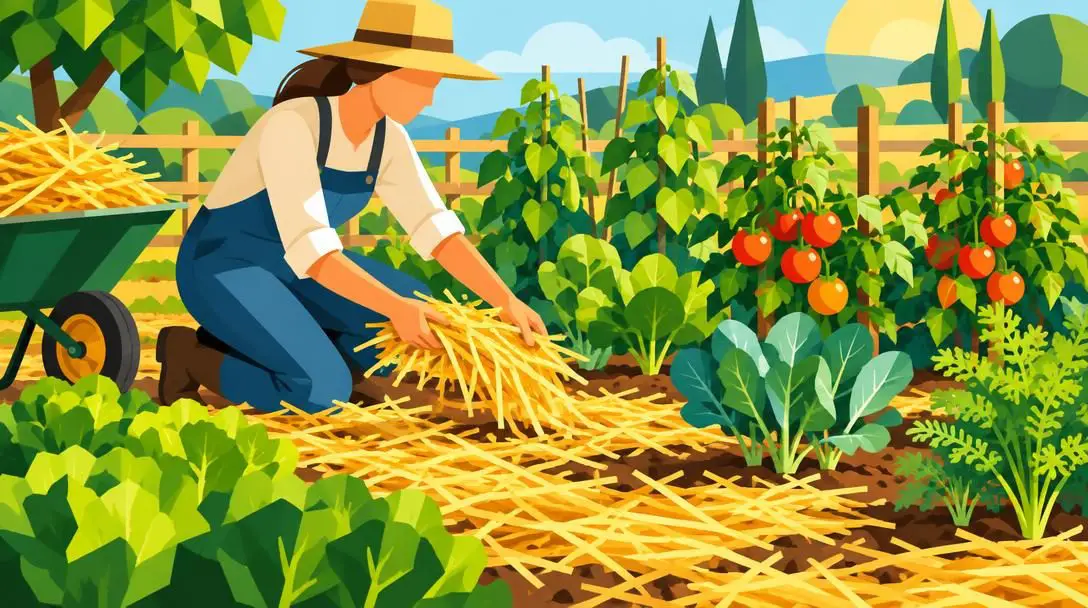
Agricultural straw is a lightweight, golden-hued ground cover that is widely favored in vegetable gardens, berry patches, and newly seeded areas. It spreads quickly over large expanses of soil, reflects excess sunlight, and creates an effective moisture-conserving blanket that keeps ripening fruits and vegetables lifted off damp earth.
Compost
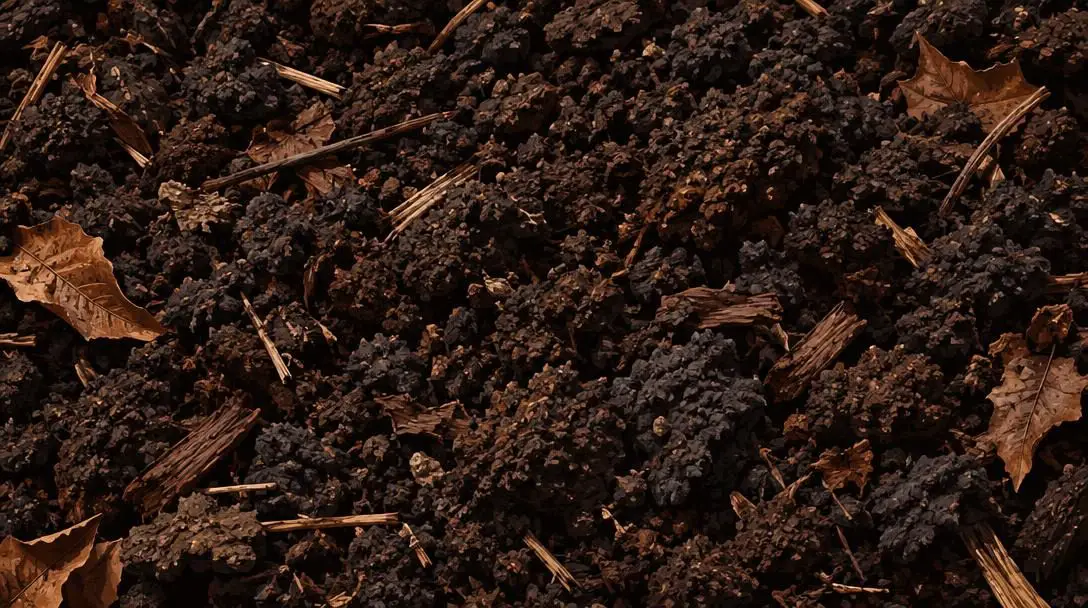
Dark, crumbly, and thoroughly decomposed, finished compost functions as both a rich mulch and a soil conditioner. Compost is loaded with active biological life and easily absorbed nutrients that immediately nourish the root zone. While it breaks down faster than fibrous bark or wood chips, it provides unmatched benefits for depleted soils.
Inorganic mulch types: durability, wind resistance, and thermal control
In contrast to organic coverings, inorganic mulch options consist of non-biological materials such as mineral stone, manufactured plastics, synthetic fabrics, or recycled rubber. Because inorganic materials do not decompose, they do not contribute biological nutrients or improve soil texture over time. However, their structural durability and unique physical properties make them invaluable for specialized landscaping challenges.
Stones
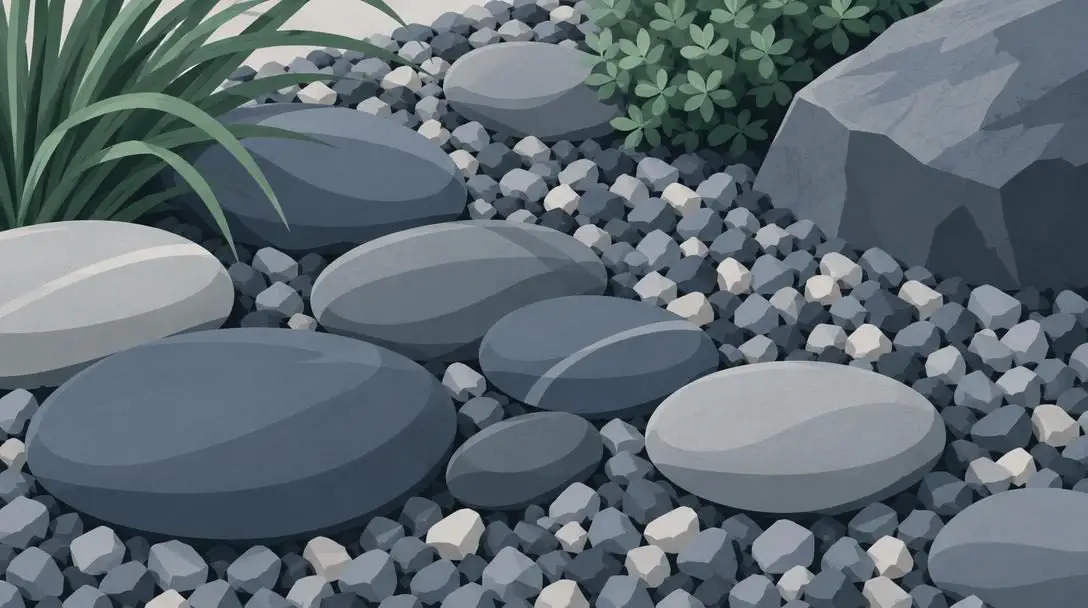
Stone coverings, including crushed rock, gravel, and river pebbles, offer a permanent, non-degrading ground barrier. Due to their substantial weight, stones remain firmly in place in locations subject to high winds that would scatter lighter wood chips or straw. They provide superior drainage and prevent soil erosion around building foundations and downspouts.
Plastic sheeting
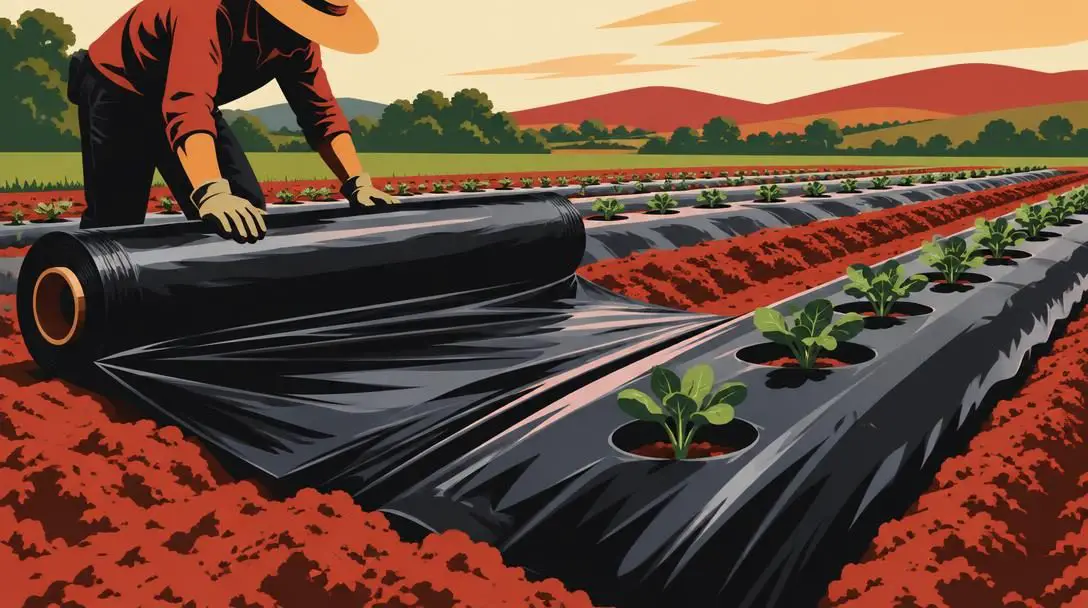
Solid plastic coverings, available primarily in black or red, provide powerful weed barriers and thermal conductors. Unlike permeable materials, plastic sheeting absorbs incoming solar radiation and transfers that heat downward, substantially increasing ground temperatures. This localized warmth creates optimal growing conditions for heat-demanding crops such as tomatoes and peppers.
Rubber and fabrics
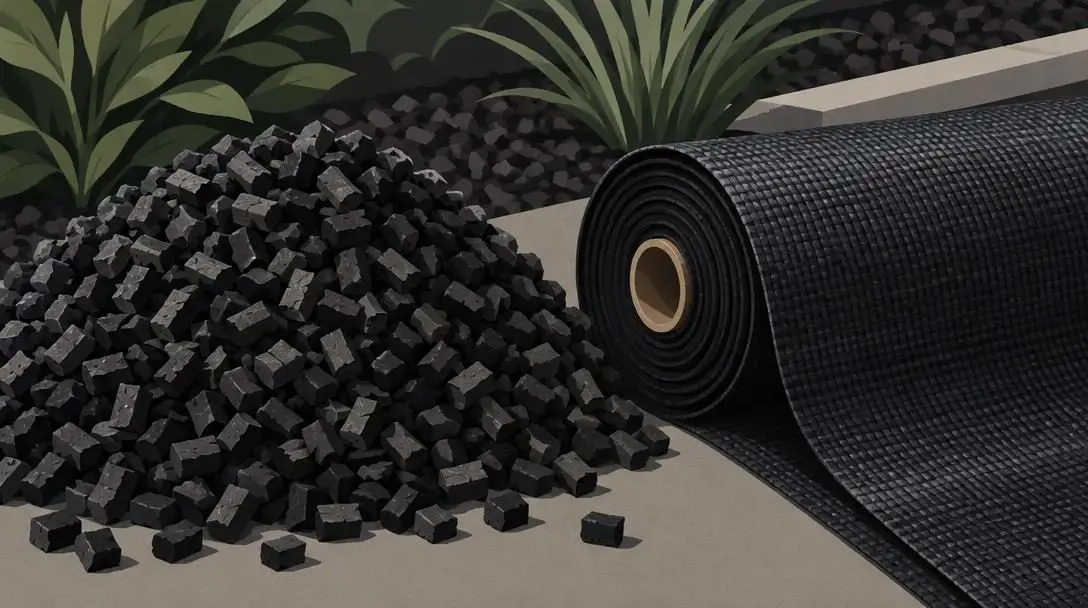
Recycled rubber mulch and woven landscape fabrics provide long-lasting physical barriers that do not rot, compress, or blow away. Rubber is frequently utilized around play equipment or non-planting utility borders where long-term durability is the primary concern, while specialized fabrics establish a durable barrier against weeds without breaking down in damp soil.
| Mulch Type | Category | Decomposes Over Time | Primary Functional Advantage | Ideal Application |
|---|---|---|---|---|
| Bark | Organic | Yes (Slowly) | Long-lasting durability and tidy aesthetic | Perennial beds and foundation plantings |
| Leaves and yard waste | Organic | Yes (Rapidly) | High nutrient return and cost effectiveness | Vegetable gardens and seasonal soil feeding |
| Finished compost | Organic | Yes (Moderate) | Immediate nutrient supply and biological inoculation | Hungry annual beds and depleted soil zones |
| Stones | Inorganic | No | Heavy wind resistance and erosion control | Exposed landscapes and wind-swept areas |
| Plastic sheeting | Inorganic | No | Ground heat absorption and moisture locking | Warmth-demanding vegetable crops |
A practical step-by-step guide to applying mulch
Applying mulch is a straightforward landscaping task, but careful execution is critical to maximize moisture retention and prevent accidental plant injury. Following a methodical, multi-step application ensures your garden gains full protection.
- Clear all bed debris: Thoroughly inspect the planting bed and remove accumulated rocks, sticks, weeds, and dead plant matter. Clearing the surface provides a flat slate so the new mulch layer can rest evenly against the earth.
- Enrich the soil base: Spread a moderate layer of finished compost or organic fertilizer over the bed to enrich the soil prior to mulching. Take care to apply measured amounts, as excessive fertilization can overwhelm and damage tender root zones.
- Spread an even mulch layer: Distribute your chosen mulch across the soil surface, maintaining an even depth of at least two inches. Spreading the material between two and three inches deep provides enough mass to suppress weeds and lock in hydration without suffocating the soil below.
- Maintain stem clearance: Carefully pull mulch away from the base of all plants, shrubs, and tree trunks, creating an open ring of bare space. Mulch must never touch living stems or foliage, as trapped moisture creates prime conditions for rot and pathogenic infections.
- Add mulch after new plantings: When introducing new specimens to the garden, apply an immediate layer of mulch over the disturbed soil. This preserves critical moisture while root systems settle into their new environment.
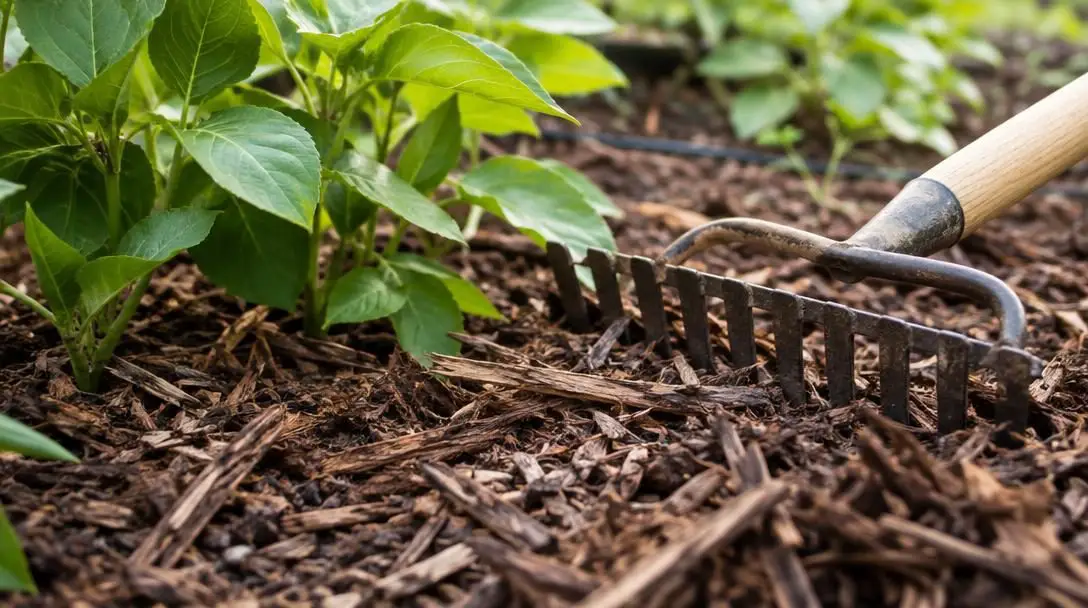
- Perform annual maintenance: Strip away weathered organic mulch every year and move it directly to your home compost pile. Rake the bed smooth and lay down a fresh layer of two to three inches to guarantee ongoing protection and weed control.
Common mulching mistakes to avoid
Even seasoned gardeners occasionally make application errors that hinder plant development. Avoiding these frequent mistakes will keep your soil aerated and your plants thriving:
- Piling mulch against plant stems: Known colloquially as volcano mulching, mounding material directly against trunks and stems traps sustained moisture against living tissue, fostering fungal decay and insect infestation. Always maintain an open collar around plant bases.
- Applying an excessively thick layer: While an adequate layer shades out unwanted weed seeds, piling mulch deeper than three inches restricts atmospheric air exchange and prevents water from penetrating down to the root zone.
- Over-fertilizing before mulching: Layering heavy amounts of concentrated fertilizer beneath mulch can burn delicate feeder roots. Always apply soil amendments conservatively.
- Leaving old, compacted mulch in place: Over multiple seasons, untended organic mulch can mat together into an impermeable crust that repels water and traps stale air. Clearing out spent material annually ensures the soil can breathe.
- Selecting lightweight materials in windy spots: Spreading loose straw or light shredded wood in wide-open, wind-swept locations inevitably leads to material displacement. Use heavy inorganic materials like stones for wind-exposed spaces.
Planning considerations for your landscaping project
Designing an effective mulching plan requires evaluating the specific environmental exposures, plant varieties, and practical constraints of your landscape. Tailoring your materials to the distinct conditions of each bed ensures the best possible return on your investment.
Begin by analyzing wind and sun exposure across your property. For wide-open corners exposed to persistent gusts, inorganic mulches like stones offer the structural weight necessary to stay in place without scattering across the lawn. In sheltered floral borders, organic bark or wood chips provide a soft, moisture-retaining carpet that harmonizes with ornamental greenery.
Next, account for the biological needs of your plants. If you are cultivating warmth-demanding crops such as tomatoes, melons, or peppers, applying black or red plastic sheeting elevates subterranean temperatures to speed up vegetative development. Conversely, delicate perennials and moisture-loving shrubs prefer the cooling insulation provided by natural wood chips, straw, or shredded leaves.
Finally, establish a dedicated space for seasonal organic waste management. Because organic mulch must be refreshed every year to prevent compaction, maintaining an active compost pile gives old mulch a productive second life. Decomposing organic materials inside a compost pile breaks down tough woody fibers, turning spent ground cover into biologically active compost that can be reintroduced to your planting beds during future seasons.
Frequently asked questions
Why does mulch prevent soil-borne diseases from spreading to plants?
Many plant pathogens naturally inhabit the upper surface of topsoil. When raindrops strike exposed dirt, water droplets splash contaminated soil particles onto lower foliage and stems. Mulch cushions the physical impact of rain and covers the raw earth, preventing splashing and keeping leaves free from soil-borne infections.
What is the main difference between organic and inorganic mulch?
Organic mulch is derived from biological materials like bark, leaves, straw, and compost that break down over time, enriching the soil with nutrients and feeding beneficial microbes. Inorganic mulch consists of non-decomposing materials like stones, plastic, rubber, and fabric, which do not supply nutrients but offer long-term durability, wind resistance, or heat absorption.
How deep should a layer of garden mulch be applied?
Mulch should be applied at an even depth of two to three inches. This thickness provides adequate shade to suppress weed seeds and lock in subterranean moisture without cutting off essential oxygen flow to underlying plant roots.
Why should mulch never touch plant stems or tree trunks?
Allowing mulch to rest directly against living stems, trunks, or foliage traps continuous moisture against the plant's protective outer bark. This damp environment softens plant tissue and invites fungal decay, rot, and harmful pathogens to take hold.
What should you do with old organic mulch at the end of the year?
Old organic mulch should be cleared from the planting beds and transferred directly into your compost pile. Composting the weathered material allows it to decompose fully into nutrient-rich humus that can later be blended into the garden to nourish future plantings.
When should inorganic mulch like stone or plastic be used instead of wood?
Inorganic mulch is best suited for specific environmental challenges. Stones are ideal for wind-prone locations where light organic covers blow away, while colored plastic sheeting is preferred when gardeners need to absorb solar radiation and elevate ground temperatures for heat-loving plants.
The bottom line
Mulching stands as one of the most cost-effective, high-impact practices available to modern gardeners. By shielding bare earth with a deliberate protective blanket, you solve multiple gardening challenges at once: moisture evaporation drops, weed seeds are deprived of light, topsoil remains anchored against sweeping winds, and soil-borne diseases are kept at bay.
Whether you select slow-decaying bark for an ornamental border, nutrient-loaded compost for vegetable beds, or heavy stone for a windy perimeter, matching the right mulch to your landscape transforms high-maintenance chores into a manageable, rewarding routine. Applied at a sensible depth of two to three inches and refreshed on an annual schedule, quality mulch ensures your garden soil remains fertile, balanced, and productive through every growing season.