The Benefits of Rainwater Harvesting for Your Garden
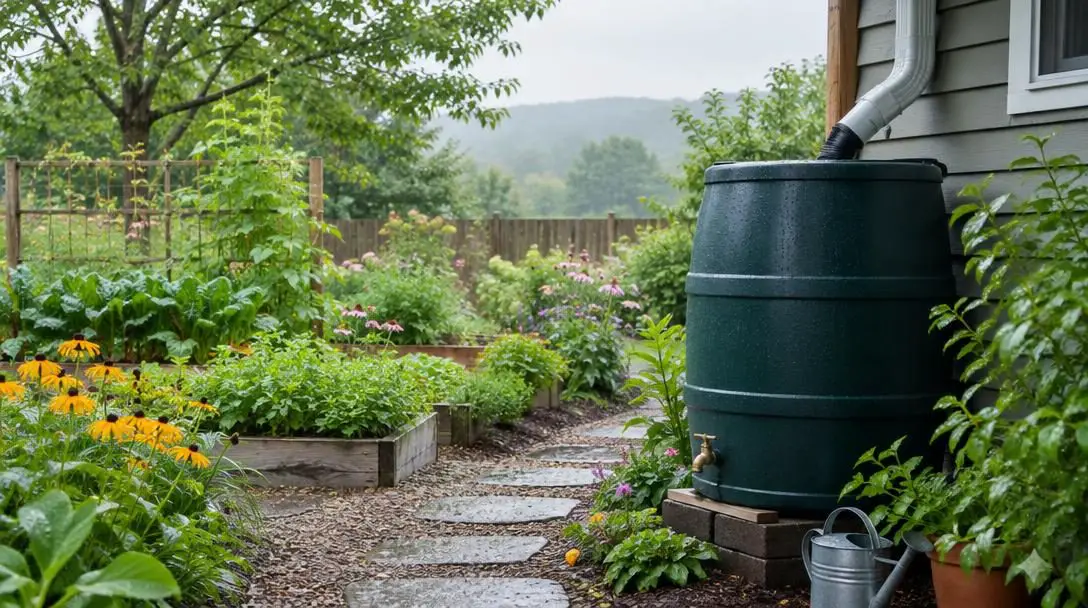
Capturing rainwater to sustain domestic landscapes is an ancient resource management technique experiencing a major resurgence in contemporary neighborhoods. For centuries, traditional agrarian societies gathered natural precipitation to irrigate crops, preserve livestock, and survive seasonal droughts without relying on centralized municipal engineering. These historical communities recognized that atmospheric rainfall provides an immediate, unchlorinated water source right where it falls.
In contrast, modern households depend almost entirely on municipal water utilities that treat, pressurize, and transport drinking water across extensive regional piping networks. While convenient, using heavily purified tap water to hydrate outdoor soil carries hidden environmental and monetary costs, especially when utility bills surge during dry summer heatwaves. Rediscovering rainwater harvesting bridges historical self-reliance with modern conservation, turning household downspouts into dependable backyard water reserves.
Key takeaways
- Harvesting roof runoff significantly reduces reliance on treated municipal water and cuts outdoor irrigation expenses.
- Rainwater is free from municipal additives like chlorine and fluoride, fostering stronger root growth and healthier soil biology.
- Diverting stormwater away from bare ground curbs topsoil erosion, prevents nutrient loss, and minimizes localized foundation flooding.
- A dependable home setup requires food-grade storage containers, stable leveling, debris filtration, and proper winter drainage.
- Evaluating roof catchment capacity and linking multiple barrels allows homeowners to scale storage to match local seasonal rainfall.
How Rainwater Harvesting Operates from Roof to Root
At its mechanical foundation, a residential rainwater harvesting system intercepts precipitation along its natural drainage trajectory and redirects it into designated storage before it can escape into public storm sewers. Rather than permitting rainfall to strike hard roof surfaces and wash down driveways, the setup transforms ordinary residential architecture into a private water collection utility.
The collection process begins across primary catchment surfaces, which typically comprise the roofs of residential homes, detached garages, or backyard garden sheds. As precipitation hits these angled surfaces, gravity pulls the moisture downward into a continuous gutter system. These horizontal troughs gather volume from the entire surface plane and channel it directly toward vertical downspouts. Under standard residential designs, downspouts dump this high-volume runoff onto ground surfaces, sidewalks, or municipal storm basins.
In a harvested arrangement, that flow is systematically diverted. Homeowners install a downspout diverter or plumb the downspout into an enclosed rain barrel or larger cistern. Stored water remains contained until outdoor irrigation is required. To draw water, an outlet spigot or gate valve installed near the base feeds directly into garden hoses, drip irrigation lines, or traditional watering cans, relying on natural hydrostatic pressure or small supplemental pumps to deliver moisture throughout the yard.
A single heavy storm can be transformed into a dependable irrigation reserve that sustains garden beds across extended dry spells.
Environmental Advantages of On-Site Water Interception
Minimizing household reliance on regional water authorities directly decreases communal strain on depleted underground aquifers and shrinking municipal reservoirs. In arid and drought-vulnerable climates, lowering outdoor residential demand keeps critical freshwater reserves available for essential public functions and preserves regional aquatic habitats.
Furthermore, producing potable tap water requires substantial energy. Public treatment plants consume tremendous amounts of power to draw, filter, sanitize, and pump treated water through miles of underground infrastructure. Using pristine, chemically purified municipal water on lawn grass and garden soil wastes the energy expended during the filtration process. Collecting water on-site slashes this secondary energy footprint by eliminating transit and chemical processing altogether.
Beyond regional conservation, rainwater collection protects your immediate landscape from physical destruction. During severe downpours, millions of gallons of water strike neighborhood roofs and pour rapidly across bare residential soils. This high-velocity sheet flow strips valuable topsoil, washes away organic matter, carves unsightly ruts across lawns, and triggers severe backyard pooling. Intercepting runoff at the gutter level halts destructive surface erosion and allows homeowners to reintroduce moisture at a controlled, gentle pace.
Economic Savings and Property Enhancement
Irrigating vegetable patches, fruit trees, and decorative flower beds accounts for a major share of residential water consumption through late spring and summer. Replacing costly metered tap water with atmospheric moisture allows homeowners to eliminate summer utility spikes, accumulating hundreds of dollars in annual utility savings that quickly repay the modest initial cost of collection barrels and plumbing adapters.
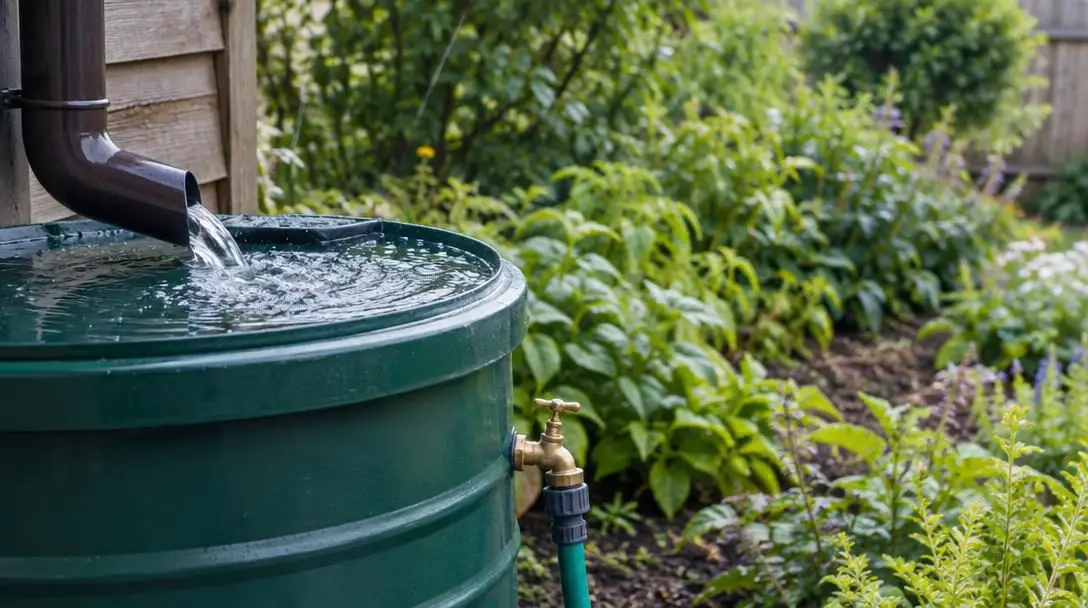
Stored rainwater also reduces reliance on costly, high-pressure automated irrigation frameworks. Complex in-ground sprinkler grids frequently demand calibrated pressure regulators, delicate solenoid valves, backflow preventers, and continuous professional maintenance to locate underground leaks. A simple gravity-fed rain barrel assembly paired with a soaker hose eliminates mechanical failure points and costly professional repair bills.
Finally, sustainable water capture systems elevate long-term residential appeal. As modern homebuyers prioritize environmental efficiency, visible conservation features—such as seamlessly integrated rain cisterns, durable downspout diverters, and localized drip networks—demonstrate thoughtful home maintenance and forward-looking resource management. This functional efficiency adds tangible practical value to residential properties.
Why Rainwater Outperforms Municipal Tap Water for Soil Health
Municipal water supplies undergo extensive sanitation to guarantee that tap water is safe for human consumption. While chlorination and fluoridation protect human health, these chemical compounds can be detrimental to botanical development when applied continuously to garden beds over several growing seasons. Repeated chemical exposure gradually disrupts the beneficial fungal and bacterial communities that drive natural nutrient cycling in fertile soils.
In contrast, harvested rainwater provides an unchlorinated, ambient-temperature moisture source that works in harmony with natural plant physiology. Plants irrigated with atmospheric water frequently demonstrate superior root development, improved foliage coloration, and enhanced resistance to environmental stress. Furthermore, municipal water traveling through aging cast-iron or treated infrastructure can pick up excess mineral salts and pipeline contaminants, whereas properly collected rainwater shields delicate roots from artificial additives.
| Water Source | Chemical Additives | Soil Biology Impact | Supply Cost | Infrastructure Impact |
|---|---|---|---|---|
| Harvested Rainwater | None; completely natural atmospheric moisture | Protects beneficial microbes and stimulates vigorous root development | Free after initial barrel and diverter hardware setup | Relieves strain on regional stormwater drains and treatment facilities |
| Municipal Tap Water | Treated with chlorine, fluoride, and sanitation agents | Can hinder delicate mycorrhizae and soil biology over prolonged use | Metered utility rates that peak significantly during summer heat | Demands extensive electrical energy for chemical treatment and pumping |
| Uncontrolled Storm Runoff | Carries roof particulates, environmental dust, and yard debris | Strips loose topsoil, depletes organic nutrients, and carves ruts | Negligible immediate cost, but triggers severe landscape erosion repairs | Overwhelms municipal sewer channels and causes localized flash pooling |
Five Common Mistakes to Avoid
While the mechanical concepts behind water collection are straightforward, overlooking basic installation and maintenance practices can ruin equipment and compromise plant health. Avoiding these primary pitfalls ensures long-term operational success.
Using Unsafe Storage Containers
Repurposing discarded industrial barrels may seem cost-effective, but containers that previously held industrial detergents, petrochemicals, or agricultural poisons are unsafe for garden use. Chemical residues absorb deep into porous plastic walls and slowly leach back into your water supply, killing sensitive garden beds. Rely exclusively on containers manufactured from food-grade plastic or purpose-built commercial rain barrels certified for clean water storage.
Neglecting Winterization Protocols
Water expands when it transitions from liquid to solid ice. Leaving a collection barrel filled with water through freezing winter weather will crack the plastic walls, warp threaded brass outlets, and rupture connecting valves. As cold temperatures approach, drain your storage containers completely, disconnect the diverter connections, and store or invert the barrels until the spring thaw arrives.
Ignoring Inflow Filtration
Roofs collect windblown leaves, pine needles, moss, bird droppings, and asphalt shingle grit. Allowing this debris to wash downspouts directly into your barrel creates a stagnant layer of organic sludge that clogs lower spigots and produces foul anaerobic odors. Install a fine mesh screen across the barrel intake or choose a downspout diverter equipped with an internal debris filter to trap particulate matter before it settles inside.
Forgetting Overflow Management
A typical residential roof sheds hundreds of gallons of water during an intense storm, which will quickly overwhelm a single 50-gallon container. Without an automated diverter bypass or dedicated overflow hose routed safely away from the house, water will spill over the container rim and saturate the structural foundation, causing structural water damage.
Placing Containers on Unstable Ground
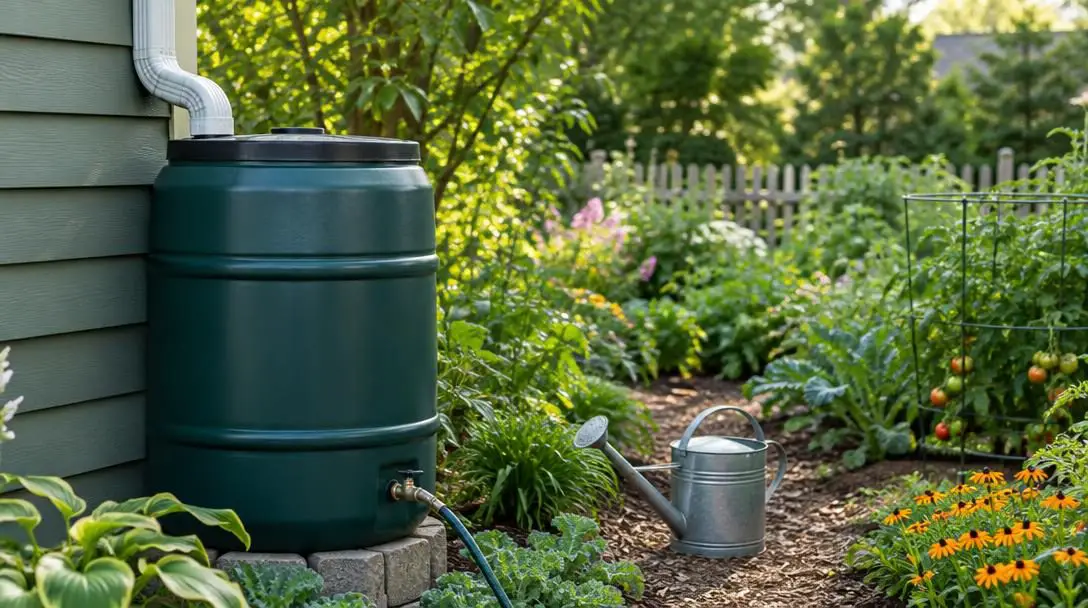
A completely filled 55-gallon rain barrel weighs more than 450 pounds. Positioning that immense weight on soft, uncompacted soil or uneven turf will cause the container to tilt, settle unevenly, and eventually topple over. Always prepare a level, hard-packed pad constructed from concrete patio blocks, compacted gravel, or heavy treated timbers before mounting your barrel.
Step-by-Step Guide to Installing a Garden Rain Barrel
Setting up a basic residential catchment point requires only a few household tools and standard plumbing components. Follow this sequential process to install a clean, safe, and efficient garden system:
- Select a food-safe storage container: Procure a dedicated rain barrel constructed of food-grade, UV-resistant plastic, preferably equipped with pre-drilled threaded fittings, a tight-fitting cover, and an internal fine-mesh insect filter.
- Establish a firm, level base: Position a series of sturdy concrete pavers or treated structural timbers adjacent to your chosen downspout, verifying with a bubble level that the foundation will bear substantial weight without shifting.
- Install the downspout diverter: Cut your existing gutter downspout at the height recommended by the manufacturer and insert a diverter kit that feeds rainwater toward the barrel while routing overflow back into the primary storm pipe once full.
- Connect distribution hardware: Thread a durable quarter-turn brass spigot into the bottom fitting of the barrel, sealing threads with waterproof plumbing tape, and fasten a standard garden hose or link a drip irrigation line.
- Institute a recurring maintenance plan: Inspect the intake mesh monthly to clear away leaves and twigs, flush fine sediment from the container bottom annually, and drain the entire assembly before winter freezes set in.
Expanding and Optimizing Your System
Once you understand the basic mechanics of household rainwater capture, you can scale your configuration to collect more runoff and distribute it more effectively.
Start by calculating your property's catchment capacity. Evaluating the square footage of your roof footprint alongside your region's average monthly precipitation will reveal how many gallons of water your roof generates during routine storms. Many homeowners discover that a single 50-gallon barrel captures only a tiny fraction of their roof's harvestable runoff.
To capture this excess volume, link multiple barrels together in series using flexible connector tubing installed near the base or top rims of the containers. Linking barrels allows you to collect several hundred gallons of water from a single downspout connection without requiring separate diverters on every corner of the house.
You can also upgrade from basic watering cans to gravity-fed drip irrigation systems. Running porous soaker hoses or low-pressure emitter lines directly from your barrel under a layer of protective wood mulch delivers unchlorinated rainwater straight to deep root zones with zero evaporative waste.
Finally, investigate regional policies before constructing high-capacity systems. While rainwater harvesting is completely legal and actively encouraged across most jurisdictions, some drought-sensitive municipalities enforce storage capacity caps or specific installation codes. Furthermore, many forward-thinking water districts provide generous financial rebates or free rain barrel distribution days to incentivize residential water conservation.
Frequently asked questions
How much water does an average roof generate during a storm?
A standard residential roof catchment area generates roughly 600 gallons of runoff per 1,000 square feet of roof surface during a single inch of steady rainfall. Because roofs shed water with high efficiency, even a brief, moderate rain shower can easily fill a standard 50- to 60-gallon rain barrel to maximum capacity.
Is harvested roof runoff safe to use on edible vegetable gardens?
Yes, rainwater is well-suited for edible crops, provided you observe basic sanitary precautions. Use clean, food-grade storage containers, filter out organic roof debris, and direct the water around the base of plants into the soil rather than spraying the edible foliage or fruit directly before harvest.
Will a rain barrel attract mosquitoes to my garden?
A properly installed rain barrel will not become an insect breeding ground if it remains tightly sealed. Ensure that the water inlet is covered with a fine-mesh wire screen to block adult mosquitoes from entering the container, and verify that the lid and overflow connections fit securely without open gaps.
Do I need to install an electric pump to use my rain barrel?
An electric pump is not strictly required for standard garden applications. Elevating your rain barrel on concrete pavers creates sufficient gravity-fed hydrostatic pressure to push water through short garden hoses or soaker lines, though an inline pump is helpful if you must transport water uphill or across long distances.
What should I do with my rainwater system during the winter?
Before the first hard freeze of the winter season, open the bottom spigot to drain the barrel completely. Disconnect the downspout diverter so winter meltwater bypasses the tank, and either store the empty container inside a shed or invert it securely outdoors to prevent ice from splitting the plastic walls.
The bottom line
Rainwater harvesting unites historical resourcefulness with modern ecological responsibility. By converting home roofs into private catchment networks, gardeners secure a dependable, chemical-free water supply that nurtures soil biology, protects landscapes against stormwater erosion, and drastically slashes summer utility bills. Whether you start with a single recycled barrel or an interconnected multi-cistern array, harvesting rain ensures that every storm leaves your garden greener, more resilient, and self-sufficient.