The Benefits of Using Organic Fertilizers in Your Garden
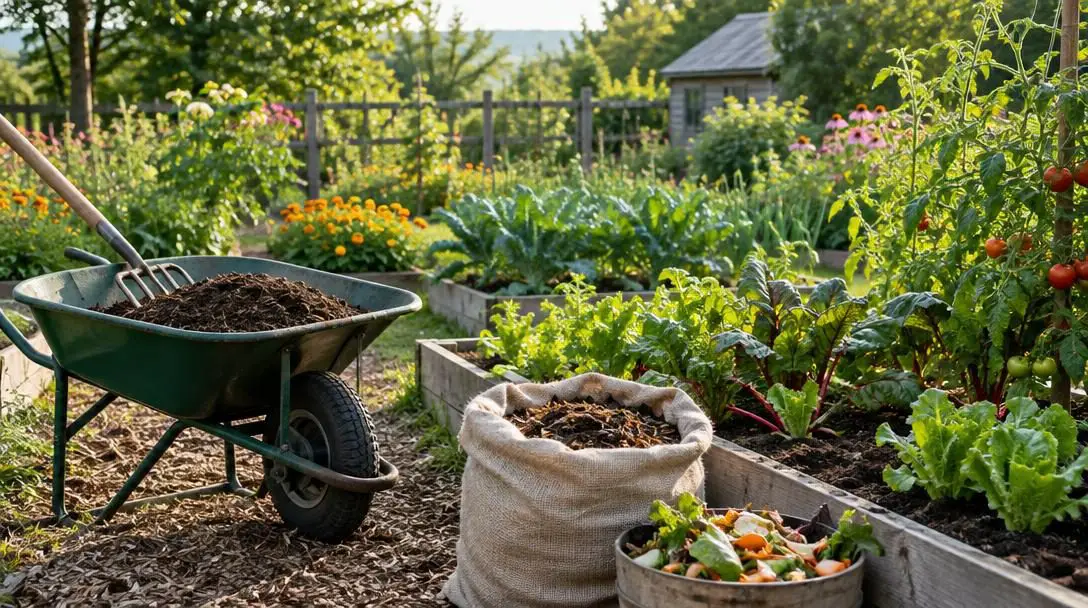
Gardeners across the world are increasingly turning away from synthetic chemical treatments in favor of organic amendments. Rather than relying on laboratory-manufactured compounds, this movement embraces biological and geological elements to nourish the earth, cultivating an environment where plants, domestic pets, and native wildlife can safely flourish.
Switching to natural plant nutrition requires looking closely at how soil functions as a living habitat rather than an inert growing medium. When you choose organic fertilizers, you work directly with natural biological cycles to foster long-term soil structure, increase moisture retention, and cultivate robust, flavorful crops.
Key takeaways
- Organic fertilizers feed microscopic soil organisms that break down organic matter into stable, bioavailable plant nutrients over time.
- Decomposing natural amendments improve the physical architecture of the soil, boosting water retention and shielding beds from erosion.
- Unlike synthetic salts that risk root burn and water pollution, natural alternatives contain no toxic synthetic chemicals or artificial preservatives.
- Although synthetic fertilizers seem cheaper upfront, organic methods build enduring soil fertility that reduces the need for supplemental inputs over successive seasons.
The living soil habitat versus synthetic chemistry
To understand the fundamental value of organic plant nutrition, one must examine how vegetation gathers nutrients from the earth. Traditional commercial fertilizers rely on synthetic chemicals formulated to deliver rapid, concentrated surges of chemical salts directly to plant foliage and roots. While this artificial deluge can prompt an immediate spike in green growth, it short-circuits the biological processes of the earth. Over time, regular saturation with synthetic compounds damages the soil's physical profile, depletes its natural balance, and creates an environment where plants become dependent on continuous chemical intervention.
In contrast, organic plant nutrition views soil as a complex, living ecosystem teeming with biological and geological activity. When natural materials are introduced, they do not overwhelm root systems with chemically synthesized salts. Instead, they provide sustainable nourishment that works with natural soil dynamics. Bypassing synthetic shortcuts preserves the natural integrity of garden beds, safeguarding vegetation against chemical shocks and maintaining long-term vitality throughout the landscape.
Natural amendments: Five essential organic fertilizers
Organic fertilizers originate from three main categories: plant residues, animal by-products, and unrefined mineral deposits. Because these substances undergo no synthetic chemical processing, their nutrient profiles integrate smoothly into the biological cycles of the garden bed. Below is an overview of five primary amendments used to enrich domestic soil.
| Amendment | Material Origin | Primary Benefit to Soil and Roots |
|---|---|---|
| Compost | Decomposed plant matter and kitchen scraps | Introduces beneficial bulk and enriches the earth |
| Bone Meal | Natural animal by-product | Provides essential nourishment for root systems and plant structure |
| Rock Phosphate | Mined natural mineral deposit | Supplies enduring mineral nutrients without chemical refinement |
| Kelp Meal | Dried and processed marine seaweed | Delivers a broad spectrum of marine trace minerals |
| Animal Waste | Livestock manure | Adds primary nutrients and restores structure to degraded beds |
Compost
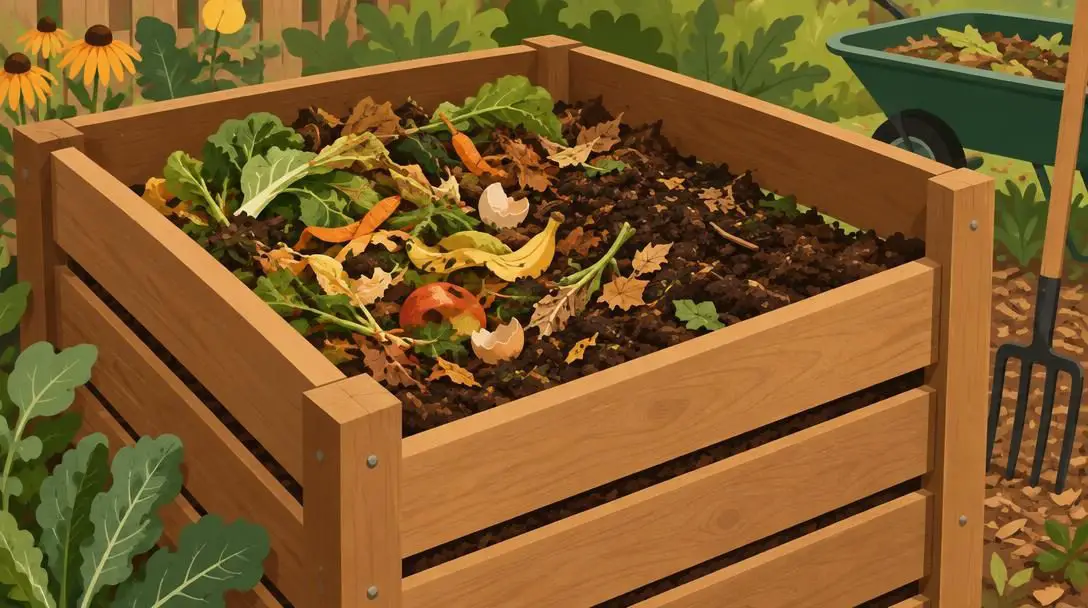
- Origin: Decomposed plant matter and kitchen scraps
- Primary role: Enriches the earth and adds beneficial organic bulk
- Processing: Natural biological decomposition
Compost represents the cornerstone of ecological gardening. Formed from aged kitchen scraps, yard trimmings, and spent vegetation, it reintroduces decayed biological matter into worn earth. Beyond delivering a balanced assortment of mild nutrients, compost adds crucial bulk to the soil profile. This physical volume loosens compacted clay and knits loose sand together, creating a hospitable environment where root hairs can expand without restriction.
Bone Meal
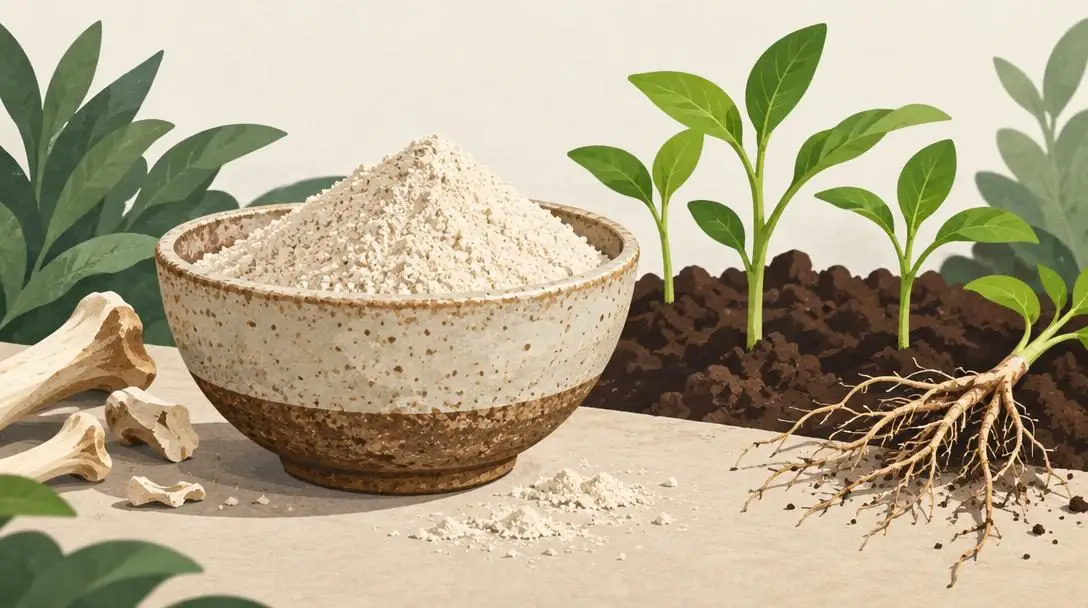
- Origin: Natural animal by-product
- Primary role: Nourishes root systems and strengthens structure
- Key attribute: Dense, slow-release biological nutrition
Derived as a natural animal by-product, bone meal provides concentrated structural support for developing vegetation. Unlike water-soluble synthetic compounds that wash past immature root systems, bone meal remains situated within the soil profile, gradually releasing its reserves as roots develop. This makes it an ideal amendment during bed preparation and transplanting, encouraging vigorous root network establishment and long-term physical plant strength.
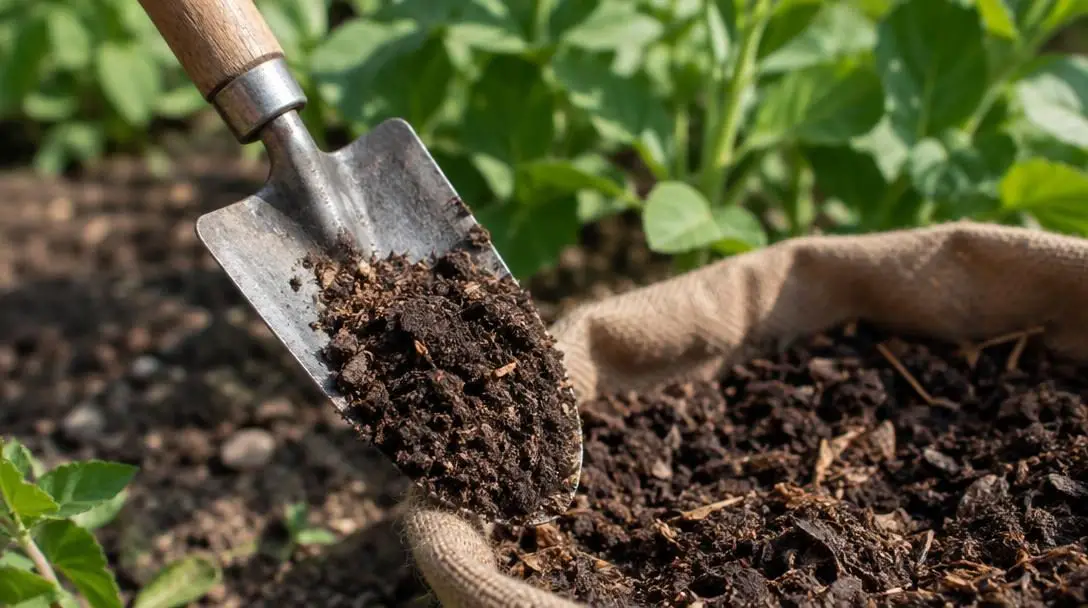
Rock Phosphate
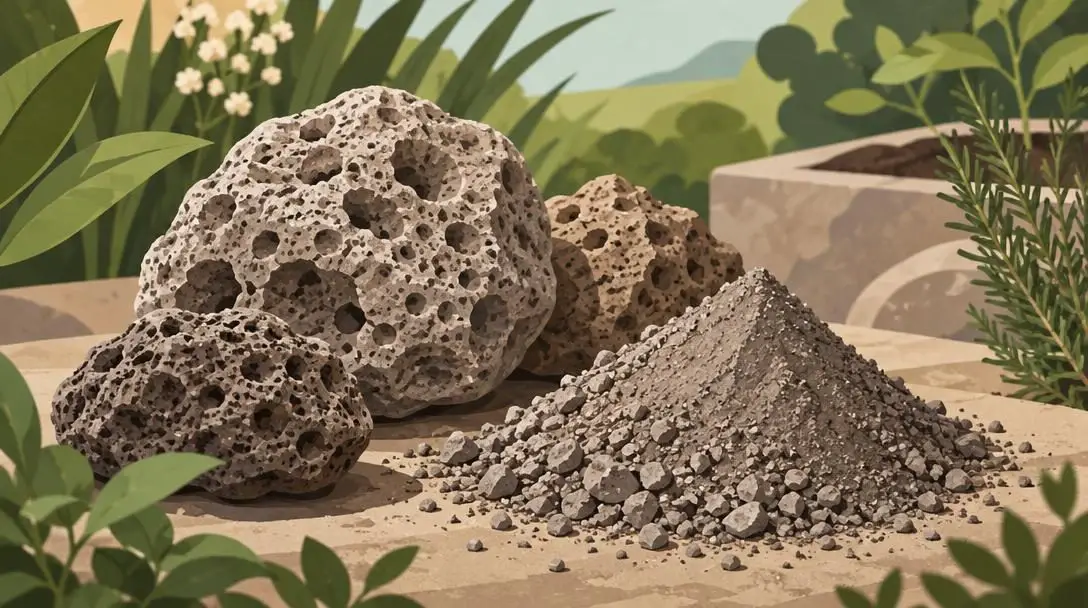
- Origin: Naturally occurring mined mineral deposits
- Primary role: Enduring mineral nutrition without chemical refinement
- Solubility: Low water solubility for extended feeding
Rock phosphate is harvested directly from geological formations, offering a clean source of essential minerals without the chemical acidulation common to synthetic mineral fertilizers. Because it is left in its unadulterated state, rock phosphate dissolves slowly in response to natural weathering and microbial activity, supplying deep, sustained nutrition that supports garden beds over multiple growing cycles.
Kelp Meal

- Origin: Dried and processed marine seaweed
- Primary role: Delivers essential marine trace minerals
- Key attribute: Broad spectrum of specialized micronutrients
Harvested from oceanic environments, kelp meal introduces a rich complement of marine trace elements that terrestrial soils frequently lack. The dried, processed seaweed acts as a comprehensive micronutrient supplement, enhancing the complexity of the soil solution and aiding vegetative health through periods of environmental stress. Its natural composition integrates easily into biological soil cycles without adding harsh chemical salts.
Animal Waste
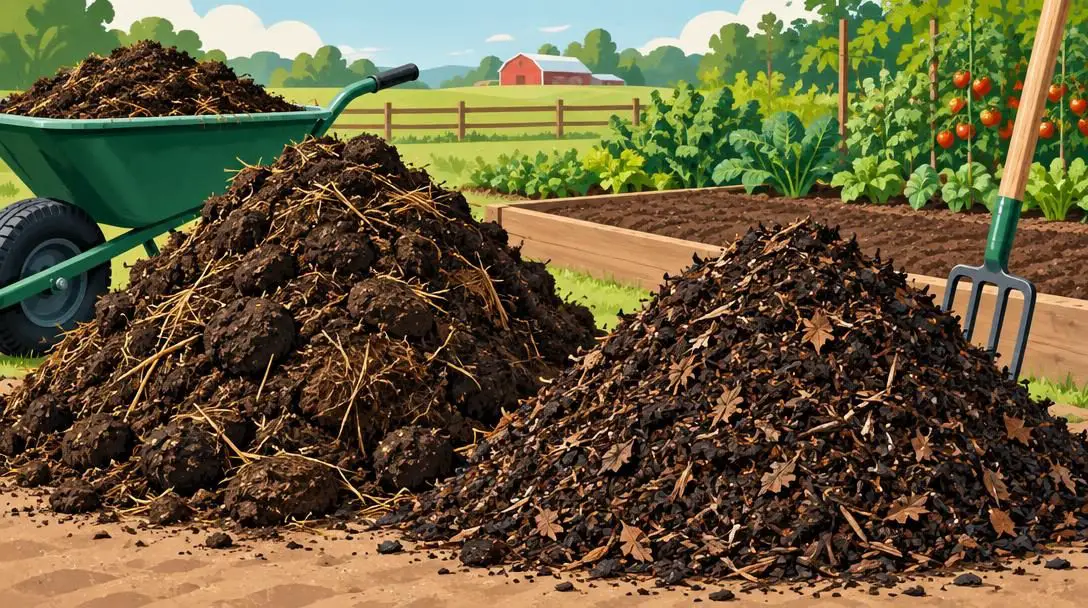
- Origin: Manures collected from various livestock
- Primary role: Restores organic structure and primary plant nutrients
- Application focus: Rebuilding degraded or depleted garden beds
Aged animal waste from farm livestock serves as both a nutrient amendment and a physical soil conditioner. Manures supply foundational plant nutrition while replenishing the organic humus that depleted garden beds lose over seasons of intensive cultivation. When properly aged, livestock manures restore the soft, crumbly consistency required for proper root respiration and moisture retention.
How organic fertilizers operate within the soil
The operational mechanism of organic plant food hinges on biological cooperation rather than chemical force. When synthetic products enter the earth, their chemical salts dissolve immediately in moisture, forcing rapid absorption through root membranes whether the plant requires it or not. This artificial dynamic often bypasses natural regulatory pathways, creating excessive foliage growth at the expense of structural durability, while raising the risk of chemical leaf burn.
Organic inputs work entirely through interaction with the subterranean ecosystem. Because organic amendments remain unadulterated by chemical refining, their nutrients are locked within complex biological structures. Microscopic soil organisms—including beneficial bacteria and subterranean fungi—must first digest these natural materials. As these microbes consume and process the amendments, they convert the nutrients into stable, bioavailable compounds that plant roots can absorb gradually in harmony with natural growth rhythms.
By nurturing the earth rather than simply forcing nutrients into the plant, organic options maintain the soil's natural balance.
In addition to feeding soil biology, the decomposition of compost, bone meal, and kelp permanently alters the physical architecture of the soil. As natural particles break down, they bind with mineral grains to form loose, aggregate granules. This aggregate structure generates millions of tiny, spongy, porous chambers throughout the ground. During dry conditions, these spongy spaces hold moisture like a reservoir; during torrential rains, they allow excess water to drain freely away from roots. Furthermore, the cohesive biological network formed by decomposing organic matter ties loose soil together, shielding garden beds from destructive topsoil erosion.
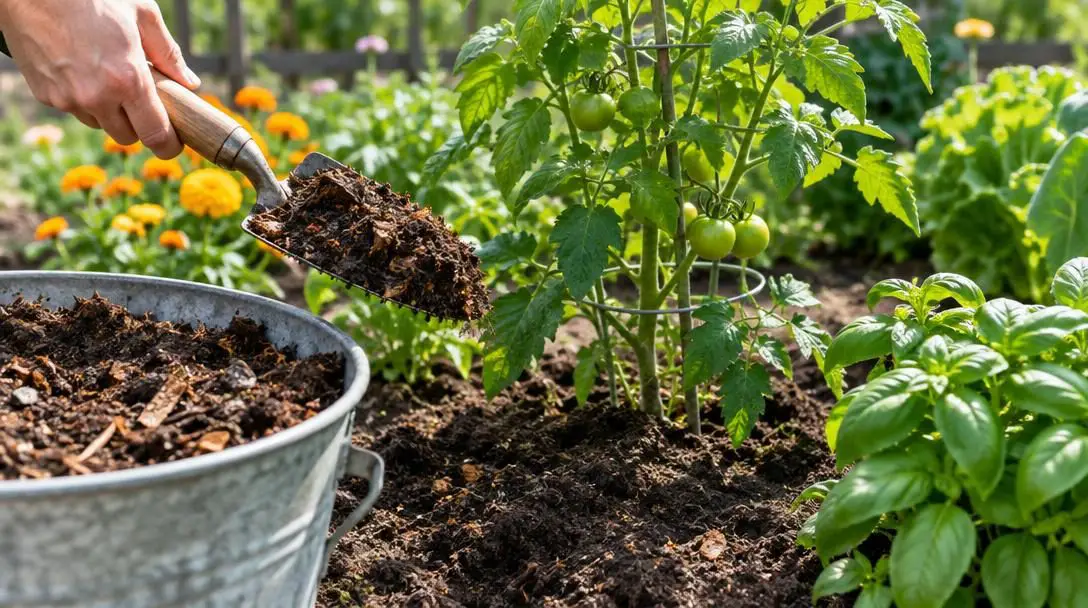
Measurable benefits across the garden ecosystem
Choosing natural soil amendments produces tangible, compounding benefits across multiple aspects of garden care, environmental health, and household economics.
- Superior Soil Quality: Rather than stripping the earth through chemical acidification, organic materials build a deep, spongy soil profile that retains moisture, drains efficiently, and prevents topsoil erosion.
- Enhanced Plant Health and Immunity: Plants fed on natural amendments absorb balanced nutrition without chemical shock. This steady nourishment strengthens cell structures, boosting natural resistance to disease and pest pressures while producing noticeably more flavorful vegetables and herbs.
- Environmental Protection: Synthetic fertilizers frequently leach through sandy subsoils into groundwater, rivers, and streams, driving severe aquatic pollution. Organic fertilizers break down in place, protecting surrounding wildlife habitats and preserving biodiversity.
- Safety for Humans and Pets: Traditional commercial formulas often carry dangerous chemicals and heavy metal residues that pose health hazards to children, household pets, and beneficial garden pollinators. Natural amendments contain no synthetic additives or artificial preservatives.
- Long-Term Cost Efficiency: While synthetic bags may carry lower upfront purchase prices, they do nothing to improve soil structure, necessitating ever-increasing applications. Organic materials build lasting soil fertility, steadily lowering the quantity of fertilizer needed in future seasons.
Step-by-step application instructions
Applying organic amendments requires an approach that matches their slow-release, biological nature. Follow these practical steps to ensure your garden captures every structural and nutritional advantage.
- Select and inspect the label: Read the packaging details carefully to match the amendment's characteristics to the precise nutritional requirements of your specific plant varieties.
- Measure accurately: Calculate the exact application rate recommended for your bed area; avoiding excessive quantities prevents nutrient imbalances, even when using natural ingredients.
- Incorporate prior to planting: When preparing new beds or planting containers, thoroughly mix materials like compost, bone meal, or rock phosphate into the upper soil layer to distribute nutrients through the active root zone.
- Side-dress established vegetation: For crops already in the ground, distribute the fertilizer evenly across the soil surface around the base of the plant, keeping the material over the root footprint.
- Water immediately: Thoroughly soak the treated area right after application; water activates the breakdown process and helps newly liberated nutrients migrate downward into the root zone.
Common pitfalls to avoid
Although organic products are inherently far gentler than chemical concentrates, careless handling can still hinder plant progress or produce suboptimal results.
- Assuming more is always better: Operating under the belief that natural inputs cannot harm plants leads to over-application, which can overwhelm soil chemistry and create nutrient imbalances.
- Neglecting product instructions: Skipping the manufacturer's directions can lead to applying mineral amendments to soil that already possesses an overabundance of those elements.
- Failing to water after spreading: Leaving dry organic amendments sitting on top of sun-baked soil prevents microscopic organisms from colonizing and digesting the material.
- Expecting instantaneous chemical responses: Giving up on organic methods because plants do not show explosive surges within forty-eight hours ignores the biological timeline of natural decomposition.
- Applying raw waste directly to roots: Placing uncomposted manures or unfinished kitchen waste against sensitive plant stems exposes them to excessive breakdown heat and unbalanced nutrient releases.
What to consider next
Transitioning away from synthetic chemistry is a progressive endeavor that yields expanding benefits over successive growing seasons. Begin your journey by assessing the physical condition of your garden beds. Observe how the earth responds following a heavy downpour: does the water pool on the surface, wash away valuable topsoil, or drain cleanly through porous earth? Similarly, notice how quickly your beds dry out during extended heat spells. Soils that erode or dry rapidly will benefit from consistent additions of compost and livestock manures to re-establish structural water-holding porosity.
Next, evaluate the nutritional demands of your plant collections. Fruiting vegetable crops, root vegetables, and decorative perennials each interact uniquely with natural amendments like bone meal and kelp meal. As biological soil activity takes hold, observe your vegetation for enhanced vigor, better pest resilience, and elevated culinary flavor. Over time, as natural materials build up the soil, you will likely find that your garden requires fewer applications, saving you money while keeping your outdoor environment safe for people, pets, and local wildlife.
Frequently asked questions
Why do organic fertilizers take longer to show results than synthetic formulas?
Synthetic fertilizers are made of refined chemical salts that dissolve immediately in water, creating an artificial surge in plant growth. Organic amendments are not chemically processed, meaning microscopic soil organisms must first consume and break down the materials to release their nutrients, a natural process that builds lasting soil health rather than providing a short-lived chemical spike.
Can organic fertilizers burn or damage delicate plant roots?
Organic fertilizers are much gentler than synthetic alternatives because they do not flood the soil with concentrated chemical salts. However, severe over-application or placing raw, uncomposted animal waste directly against roots can still create nutrient imbalances and stress plants. Following label instructions prevents these issues.
How do organic fertilizers help reduce garden water usage?
As organic amendments like compost and kelp meal decompose, they alter the physical structure of the earth by creating a spongy, porous network of particles. This structural change significantly boosts the soil's capacity to hold moisture during hot, dry spells, reducing overall irrigation demands.
Are organic fertilizers safer for households with pets and children?
Yes. Organic fertilizers are derived from natural plant, animal, and mineral sources and contain no toxic synthetic chemicals, artificial preservatives, or heavy metal contaminants, making them significantly safer and more hygienic for domestic landscapes where pets and families spend time.
Why are organic fertilizers considered cost-effective if synthetic options look cheaper?
Synthetic products may have a lower purchase price at the store, but they do nothing to improve the earth, requiring repetitive, escalating applications. Organic amendments build up the soil's natural fertility and physical quality year after year, steadily decreasing the volume of supplemental fertilizers needed in future growing seasons.
The bottom line
Adopting organic fertilizers is fundamentally an investment in your garden's living foundation. While synthetic formulations offer an illusion of success through quick chemical boosts, they steadily deplete soil quality, threaten environmental water systems, and pose safety concerns for domestic animals and people. Natural amendments—such as compost, bone meal, rock phosphate, kelp meal, and animal waste—work in harmony with subterranean biological cycles, enhancing soil porosity, protecting topsoil, and fostering resilient, flavorful harvests for years to come.