The Best Flowers for a Cottage Garden: Tips and Suggestions
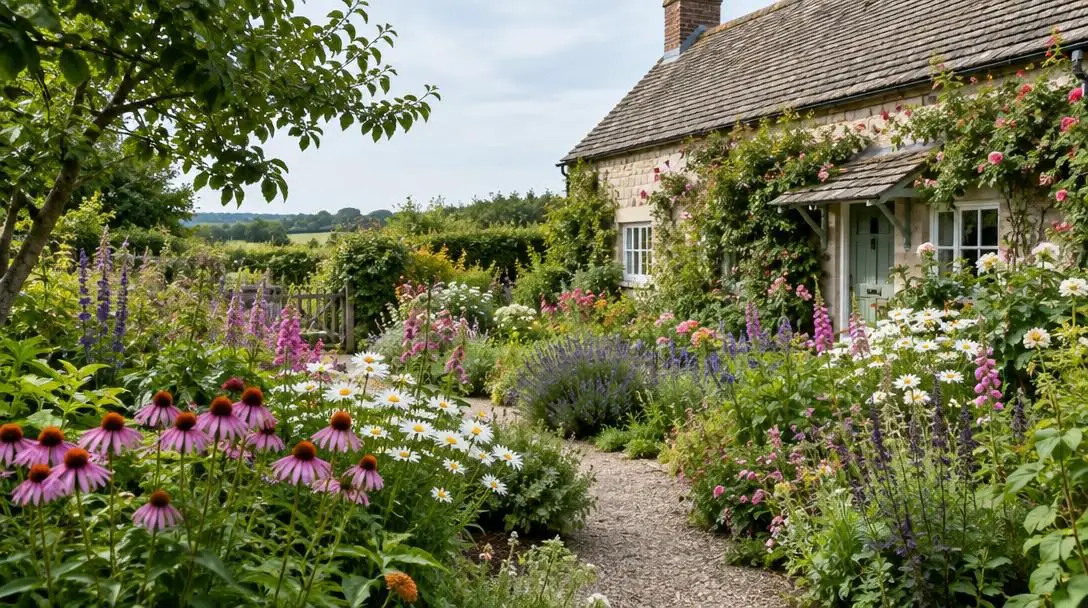
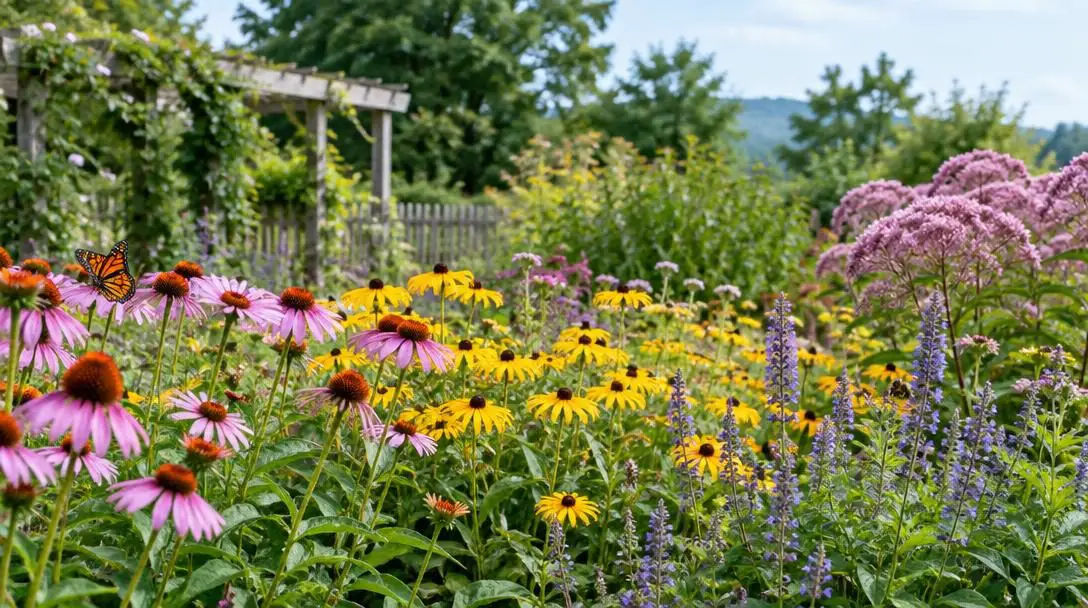
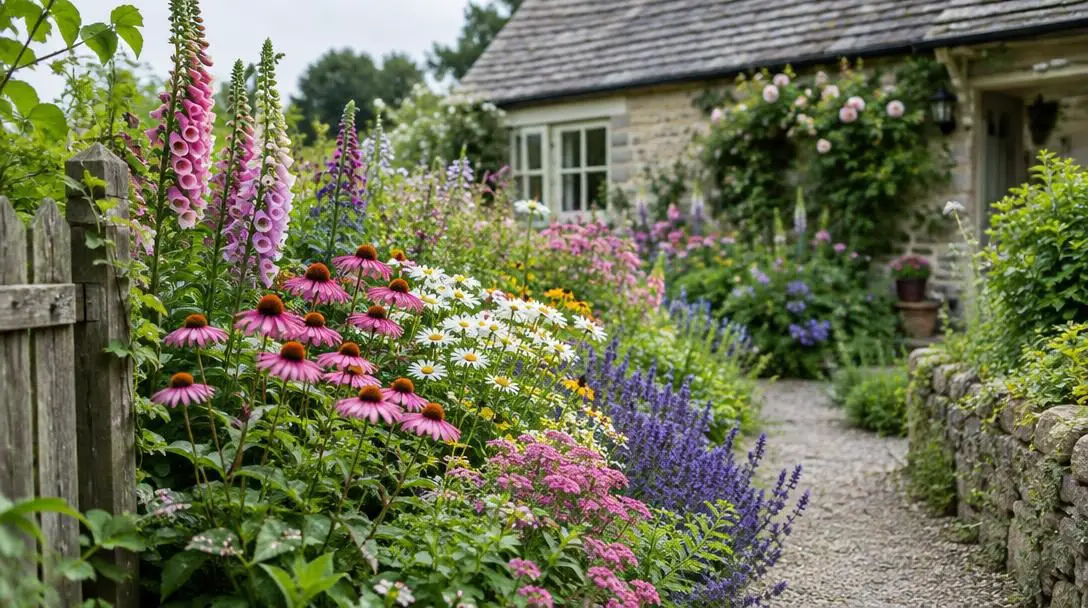
A cottage garden is defined by its vibrant, romantic abundance and charmingly unstructured layout. Rooted historically in small working-class plots where every patch of soil needed to be both intensely productive and visually uplifting, modern cottage gardening has shifted into a celebrated design philosophy centered on natural exuberance. Rather than adhering to the rigid symmetry, razor-sharp edges, and manicured geometry of formal landscapes, this style embraces an informal tapestry of colors, scents, and textures where plants are encouraged to intertwine, spill over stone borders, and gently self-seed.
Creating this seemingly spontaneous display requires an understanding of how distinct plant forms and lifecycles work together in a shared space. By harmonizing short-lived annuals, returning perennials, and structural flowering shrubs, you can design a dense, resilient garden bed that delivers continuous interest from the early warmth of spring through the chill of late autumn.
Key takeaways
- Cottage gardens rely on a balanced mix of annuals, perennials, and flowering shrubs planted densely to create an informal, multi-layered tapestry.
- Matching plant selections to your yard's specific sunlight, soil drainage, and USDA hardiness zone is essential to prevent rot, weak stems, and plant loss.
- Careful height arrangement ensures that tall, architectural specimens do not block sunlight from shorter mounding varieties or sprawling ground covers.
- Dense planting naturally shades the soil surface, suppressing invasive weeds and conserving moisture across the growing season.
How a Cottage Garden Works
The beauty of a cottage garden comes from the interplay between different plant lifecycles operating within the same bed. Because specimens are placed much closer together than in conventional landscaping, they function as a living community where each layer serves an aesthetic and ecological purpose.
Annuals complete their entire lifecycle within a single season, sprouting from seed, flowering abundantly, setting new seeds, and dying as cold weather arrives. In a cottage setting, varieties like poppies and sweet peas serve as quick fillers that inject immediate bursts of color into bare spots while dropping seed that will volunteer naturally in future seasons. Perennials, including peonies and delphiniums, form the enduring backbone of the border. While their top foliage often dies back during harsh winters, their persistent root systems survive beneath the soil surface, sending up larger and stronger stems with every returning spring.
Flowering shrubs, such as traditional roses, anchor the design with permanent woody framework. They provide stable vertical height, act as windbreaks for more delicate stems, and maintain deep root networks that stabilize the bed year-round. When these three layers are woven together, the garden evolves continuously. As early spring bulbs and biennials fade, mid-summer perennials take over the visual foreground, seamlessly followed by late-blooming annuals. Furthermore, the thick leafy canopy shades the ground below, drastically reducing weed germination and locking in ground moisture.
A successful cottage garden balances annuals, perennials, and woody shrubs to create a dense, living puzzle that evolves from spring through autumn.
Key Environmental Factors to Consider
Before purchasing plants, evaluating your property's environmental conditions will save time, effort, and expense. Even the most resilient traditional cottage varieties will falter if placed in conditions contrary to their natural adaptations.
Sunlight exposure dictates how well flowering plants can synthesize energy to set flower buds and maintain sturdy stems. Full sun refers to six or more hours of direct, unfiltered light per day, an environment preferred by sun-lovers such as roses, lavender, and daisies. Shaded areas, whether cast by tall structural fences or mature tree canopies, protect delicate leaves from scorching and keep root zones damp, providing ideal growing conditions for woodland specimens like foxgloves, hostas, and ferns.
Soil texture and drainage govern how roots access water and oxygen. Heavy clay soils hold onto water for prolonged stretches, suffocating the roots of drought-adapted species such as lavender and poppies, which quickly succumb to fungal root rot. Conversely, sandy soils drain water and dissolved nutrients rapidly, leaving moisture-loving flowers like sweet peas and Japanese primrose parched. Gardeners must test and amend their native soil with organic matter to establish the balanced structure their chosen flora requires.
Climate and regional hardiness dictate whether your plants can survive regional weather patterns, summer humidity levels, and winter freezes. Choosing perennial varieties rated for your specific USDA hardiness zone ensures that root systems survive winter freezes and return faithfully year after year.
At a Glance: Top Cottage Garden Flowers
| Flower | Lifecycle | Sunlight Requirement | Soil Preference | Garden Function |
|---|---|---|---|---|
| Roses | Flowering Shrub | Full sun | Well-drained | Backdrop, focal point, vertical structure |
| Lavender | Perennial | Full sun | Dry, well-drained | Borders, walkway edges, sensory plantings |
| Hollyhocks | Biennial | Full sun | Well-drained | Back-of-border anchor, screening along walls |
| Foxgloves | Biennial / Perennial | Partial shade | Moist, fertile | Vertical accent for woodland or shaded corners |
| Peonies | Perennial | Full sun | Well-drained | Mid-border showpiece, indoor cut flower |
| Delphiniums | Perennial | Full sun | Moist, well-drained | Architectural spikes for mid-to-back borders |
| Poppies | Annual | Full sun | Well-drained | Rapid gaps filler, vibrant color splashes |
| Sweet Peas | Annual | Full sun | Well-drained | Climber for trellises, sensory cut flower |
| Daisies | Perennial | Full sun | Well-drained | Mid-border filler, enduring summer bloomer |
The Best Flowers for a Cottage Garden
While many flowering plants can fit an informal design, certain timeless choices have defined the cottage garden aesthetic for generations due to their visual charm, fragrance, and wildlife value.
Roses
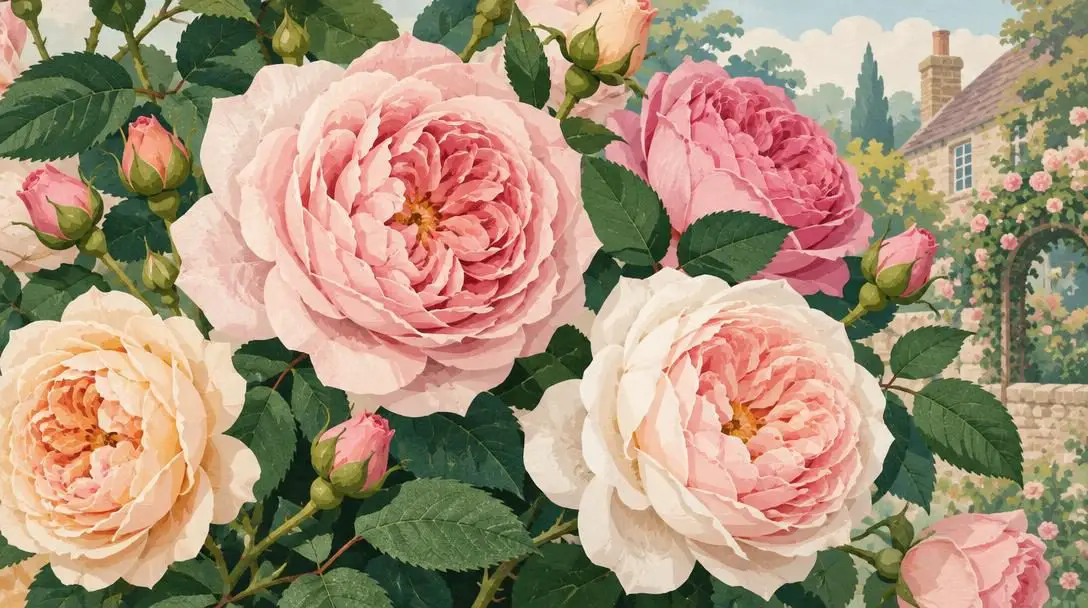
- Plant Type: Deciduous flowering shrub
- Sunlight Needs: Full sun
- Landscape Role: Garden bed focal point or backdrop
- Primary Trait: Enduring fragrance and continuous blossoms
Roses represent the quintessential heart of a cottage landscape. Rather than stiff hybrid teas pruned to single stems, cottage gardeners favor shrub, climbing, and old garden roses that produce clusters of heavily scented, multi-petaled blooms. They establish essential structural height, serving as an architectural backdrop for smaller perennials or acting as anchoring focal points. Because they demand full sun to bloom abundantly and resist mildew, plant them where they receive ample direct light and open air circulation.
Lavender
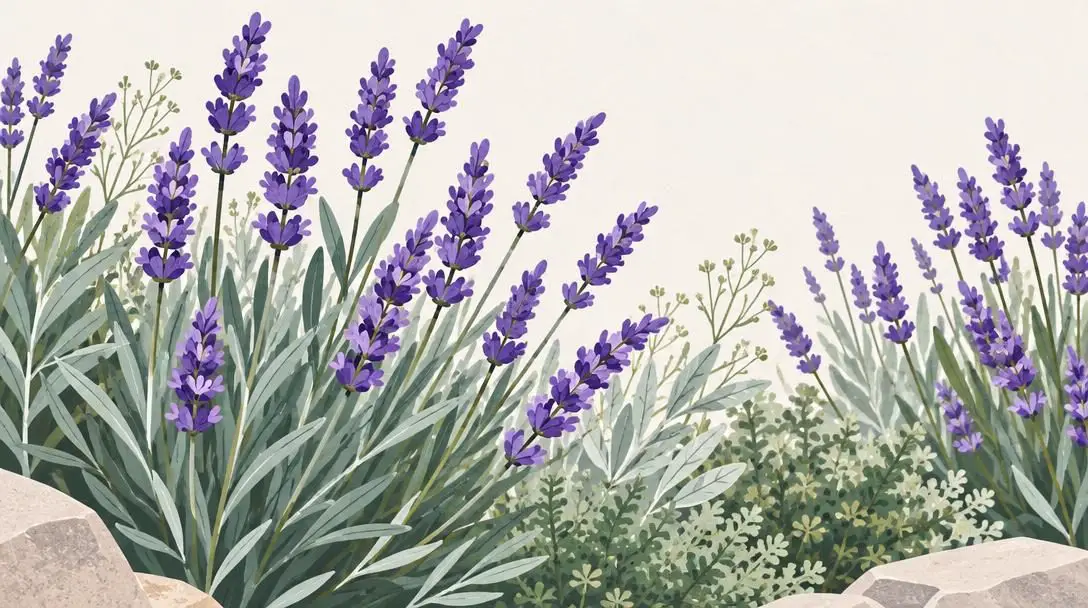
- Plant Type: Herbaceous woody perennial
- Sunlight Needs: Full sun
- Soil Preference: Dry, gritty, well-drained soil
- Primary Trait: Highly aromatic foliage and purple blooms
Lavender introduces silvery foliage and cool, aromatic purple flower spikes that soften the edges of garden paths and stone boundaries. This Mediterranean native thrives under full sun and demands gritty, dry soil conditions, making it an excellent candidate for raised beds or walkway borders. As visitors brush against the leaves, the plant releases soothing essential oils, enhancing the sensory experience of the yard.
Hollyhocks
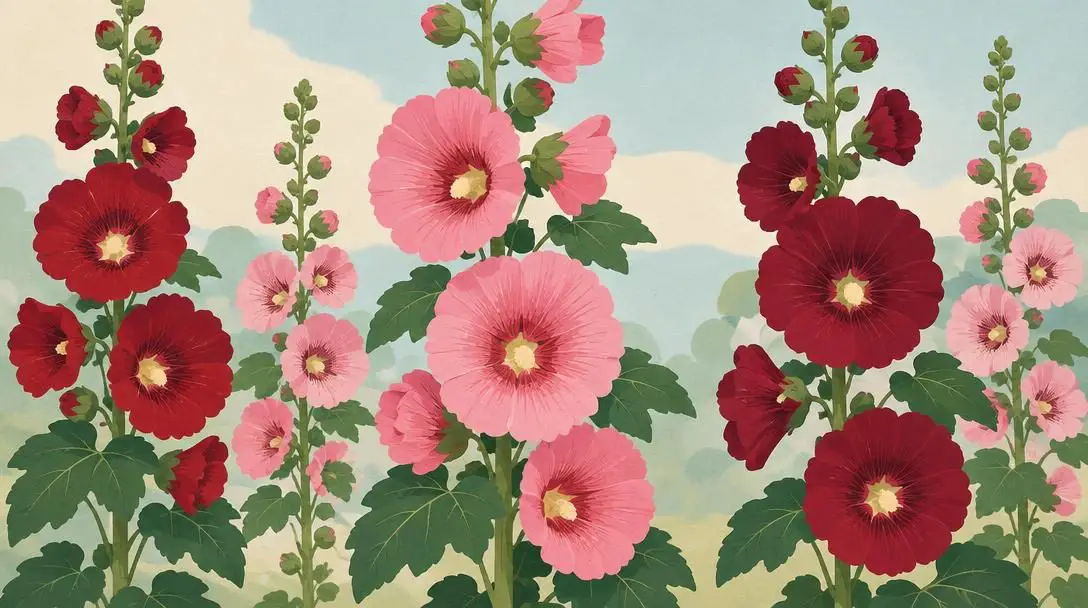
- Plant Type: Biennial
- Optimal Planting Time: Late summer for blooms the following year
- Landscape Role: Back of borders and screening along fences
- Color Variety: White, pink, red, and yellow
Hollyhocks provide the towering vertical scale that prevents a sprawling cottage bed from feeling flat. As classic biennials, they grow foliage during their first year and send up lofty flower spikes in their second summer. Reaching significant heights, they are ideally suited for planting along rustic wooden fences, stone cottage walls, or the very back of garden borders, creating an old-fashioned backdrop available in shades spanning soft pastels to rich, moody tones.
Foxgloves
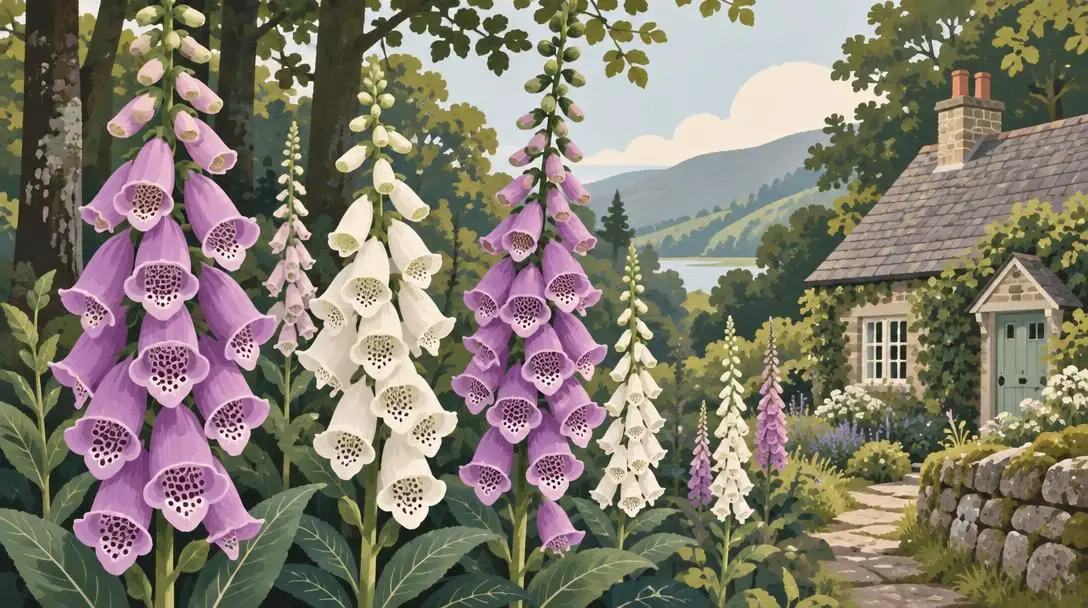
- Plant Type: Biennial or short-lived perennial
- Sunlight Needs: Partial shade
- Soil Preference: Consistently moist soil
- Primary Trait: Tall, tubular flower spires
Foxgloves bring dramatic verticality to the damper, partially shaded recesses of the landscape where many sun-worshiping varieties struggle. Their tall spires of downward-nodding, tubular flowers bloom in shades of purple, pink, and creamy white, often adorned with intricate interior spots. They excel in woodland borders, guiding the eye upward while complementing broad-leafed foliage companions like ferns and hostas.
Peonies
- Plant Type: Long-lived herbaceous perennial
- Sunlight Needs: Full sun
- Bloom Window: Late spring to early summer
- Landscape Role: Showy mid-border specimen and cut flower
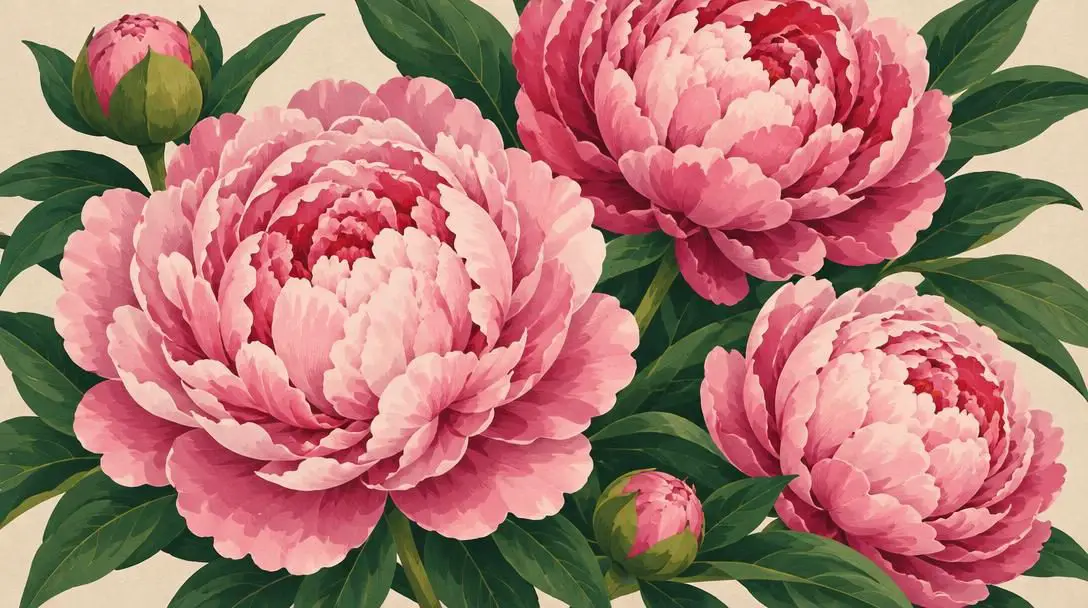
Peonies deliver sheer luxury to the garden during their late spring bloom period, displaying immense, ruffled blossoms that carry a light, sweet perfume. Once established in fertile, well-drained soil with plenty of sun, these sturdy perennials can thrive for decades with very little intervention. Their heavy flower heads make exceptional cut flowers for indoor arrangements, while their glossy, deep green foliage remains attractive throughout the remainder of the summer.
Delphiniums

- Plant Type: Herbaceous perennial
- Sunlight Needs: Full sun
- Soil Preference: Moist, nutrient-rich, well-drained soil
- Primary Colors: Vibrant blue, purple, and soft pink
Delphiniums are celebrated for providing true, striking blues—one of the rarest colors in the plant world—alongside rich purples and pastel pinks. Their dense, columnar spikes rise dramatically above surrounding foliage, injecting sharp architectural structure into the middle and back of the perennial border. They perform at their peak when granted full sunshine and rich, consistently moist soil that drains excess water freely.
Poppies
- Plant Type: Fast-growing annual
- Sunlight Needs: Full sun
- Soil Preference: Well-drained soil
- Color Palette: Brilliant red, pink, and orange
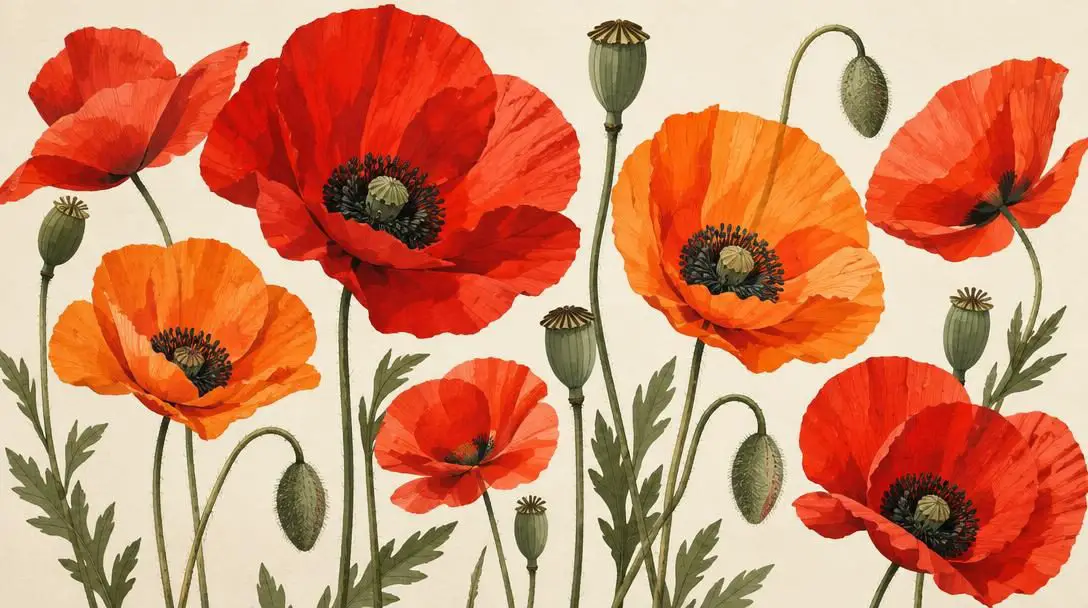
Poppies bring an element of untamed charm and vivid warmth to sunny beds with their tissue-paper petals and distinctive decorative seed pods. These easy-to-grow annuals sprout rapidly, creating intense splashes of saturated red, orange, and coral. Poppies are prolific self-seeders; when allowed to drop their seeds at the end of the season, they weave naturally through gaps year after year without requiring labor-intensive replanting.
Sweet Peas
- Plant Type: Climbing annual vine
- Sunlight Needs: Full sun
- Bloom Window: Spring to early summer
- Primary Trait: Intensely fragrant winged blossoms
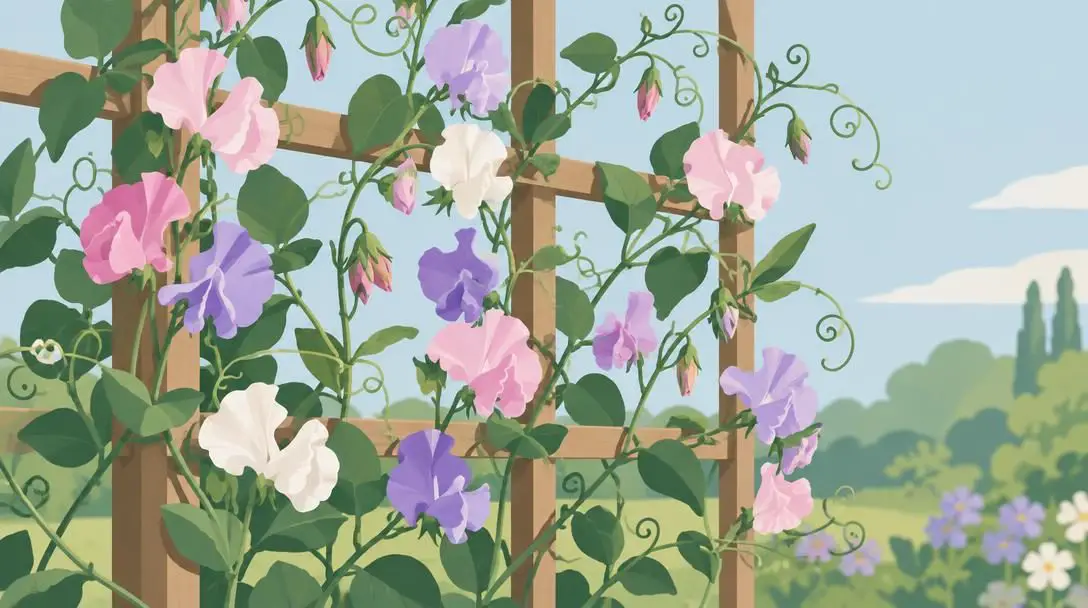
Sweet peas are cherished climbing annuals that introduce both upward vertical interest and intoxicating, sweet fragrance during the cooler stretches of spring and early summer. Equipped with delicate curling tendrils, sweet peas eagerly scramble up rustic twig teepees, bamboo stakes, trellises, or wire mesh fences. Regular harvesting of their delicate pastel stems encourages the plant to pump out continuous waves of fresh flowers.
Daisies
- Plant Type: Hardy herbaceous perennial
- Sunlight Needs: Full sun
- Soil Preference: Well-drained, moderately fertile soil
- Primary Trait: Classic white petals with bright yellow centers
Daisies offer crisp, cheerful simplicity that knits diverse cottage color schemes together. Flowering abundantly through the heat of midsummer, their classic white ray petals surrounding sunny golden discs act as a visual palate cleanser among intensely saturated blooms. Daisies are remarkably reliable, tolerating varied weather conditions while forming dense, weed-suppressing clumps in full sun borders.
Practical Steps to Planting and Maintenance
Translating the cottage vision into a thriving reality requires careful site work and organized execution. Following a sequential process ensures strong root establishment and long-term garden resilience.
- Assess the site: Spend several days observing your yard to track sun angles, noting areas of full sun, partial shade, and full shade. Check ground moisture after heavy rainfall to identify low-lying spots prone to standing water versus elevated, rapid-draining sections.
- Analyze and amend the soil: Determine your native soil texture—whether it is tight clay, gritty sand, or balanced loam. Improve drainage in clay or boost moisture retention in sandy soils by tilling in generous amounts of organic matter, such as aged compost, before digging plant holes.
- Map your layout: Group specimens with shared sunlight and moisture needs together. Arrange taller plants like hollyhocks, delphiniums, and rambling roses at the back of the border or against walls, place mid-sized growers like peonies and daisies in the center, and reserve low-growing lavender for the front perimeter.
- Plant with spacing in mind: Excavate planting holes twice the width of the nursery root ball. Settle each plant into the ground so that the crown rests level with the surrounding grade. While mature cottage beds appear dense, preserve adequate spacing between young starts so air can circulate as they expand.
- Water thoroughly: Soak newly installed beds deeply right after planting to settle the disturbed soil and eliminate sub-surface air pockets. Keep the root zones consistently damp during initial establishment, tapering off for dry-loving species like lavender once established.
- Maintain through regular care: Promote continued bud formation by deadheading spent flowers throughout the summer. Provide stakes or twine supports for tall delphiniums before winds bend their stems, and adjust supplemental watering based on changing seasonal temperatures.
Common Mistakes to Avoid
Because the cottage aesthetic is defined by an informal and relaxed look, it is easy to assume it requires minimal planning. Sidestepping these common pitfalls will protect your beds from turning into an unmanageable tangle:
- Ignoring light and soil requirements: Forcing sun-lovers like daisies or roses into heavy shade yields leggy, weak stems and few blossoms, while positioning lavender in boggy clay induces rapid root decay. Always match plants to existing environmental realities.
- Overcrowding too early: Packing juvenile plants tightly together to create an instantly mature look inhibits air circulation. Dense, stagnant air promotes common fungal infections like powdery mildew, especially on roses and hollyhocks.
- Neglecting plant height layering: Placing tall spikes like delphiniums or hollyhocks near the front edge of a pathway obscures shorter varieties behind them and starves low-growing companions of necessary sunlight.
- Disregarding local hardiness zones: Purchasing plants solely based on visual appeal without verifying your regional USDA hardiness zone often results in perennial roots dying during freezing winter conditions.
- Misunderstanding biennial lifecycles: Expecting instant blossoms during the first spring from seed-grown biennials like hollyhocks will lead to disappointment. Biennials require a late summer start to bloom during their second season.
Physical Structures and Garden Evolution
Beyond flowers, the enduring charm of a cottage garden depends on how plants interact with permanent landscape hardscaping. Over time, perennials widen and self-seeding annuals migrate, making structural elements essential for defining boundaries and lending year-round architectural form.
Rustic vertical supports—such as wooden trellises, wrought-iron arbors, weathered obelisks, and split-rail cedar fences—give climbing sweet peas and rambling roses vertical support. These fixtures draw the eye upward, breaking up flat horizontal lines and maximizing growing space in smaller yards. Incorporating deliberate walking paths made from informal flagstone, packed pea gravel, or aged brick allows you to wander through dense plantings without crushing root systems, making deadheading, harvesting cut peonies, and enjoying fragrant lavender seamless and enjoyable.
Frequently asked questions
What is the difference between an annual, perennial, and biennial?
An annual completes its entire lifecycle from germination to seed production and death in a single season. A perennial lives for multiple years, dying back to its root system during winter and returning each spring. A biennial spans two growing seasons, spending its first year developing roots and foliage before flowering, setting seed, and dying in its second summer.
Can I design a cottage garden if my yard is predominantly shaded?
Yes. While sun-loving plants like roses and lavender will not thrive in dense shade, you can create a lush, woodland-style cottage garden using shade-tolerant varieties. Plants like foxgloves, hostas, and ferns flourish under partial shade and filtered woodland light, providing rich foliage and vertical bloom spikes.
How do I prevent my cottage garden from looking messy or neglected?
Maintain structural order by implementing clear pathways made of gravel or brick, edging your garden beds cleanly, and using structural flowering shrubs to anchor informal plantings. Regular maintenance, such as deadheading faded blossoms, removing invasive weeds, and staking tall stems, keeps the garden looking intentionally abundant rather than overgrown.
Why is soil drainage so important for cottage plants like lavender?
Lavender is naturally adapted to dry, gritty soils. In heavy soils like dense clay that trap water around root zones, lavender roots are deprived of oxygen and easily become infected by fungal pathogens that cause root rot, ultimately killing the plant.
When is the best time to plant hollyhocks?
Because hollyhocks are biennial plants that require a season of vegetative development before producing blooms, they are best planted in late summer. This timing allows the root systems to establish before winter, setting the stage for tall flower spikes the following summer.
The Bottom Line
Creating a breathtaking cottage garden is an ongoing, rewarding process that blends dynamic plant lifecycles with relaxed, informal styling. By selecting foundational perennials, structural shrubs, and self-seeding annuals that harmonize with your yard's sunlight, moisture, and hardiness zone, you can establish an ecosystem that grows more beautiful and resilient with each passing season. Thoughtful spacing, organic soil enrichment, and regular maintenance ensure your outdoor space remains a fragrant, vibrant sanctuary for years to come.