The Best Flowers for a Cutting Garden: Tips and Suggestions
Bringing fresh floral arrangements into the home or workspace instantly elevates an interior, creating a warm, vibrant ambiance. Yet routinely purchasing professionally arranged bouquets from florists or grocery markets can quickly become an expensive habit. Commercial flowers also frequently incur a substantial ecological toll due to resource-intensive production, plastic packaging, and the emissions generated by long-distance refrigeration and freight transport.
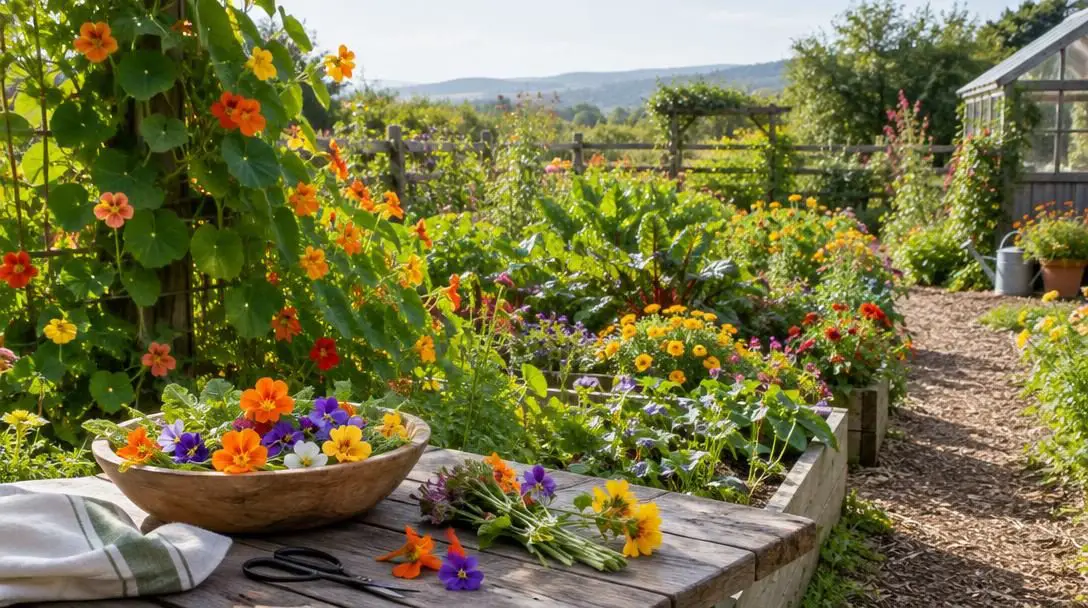
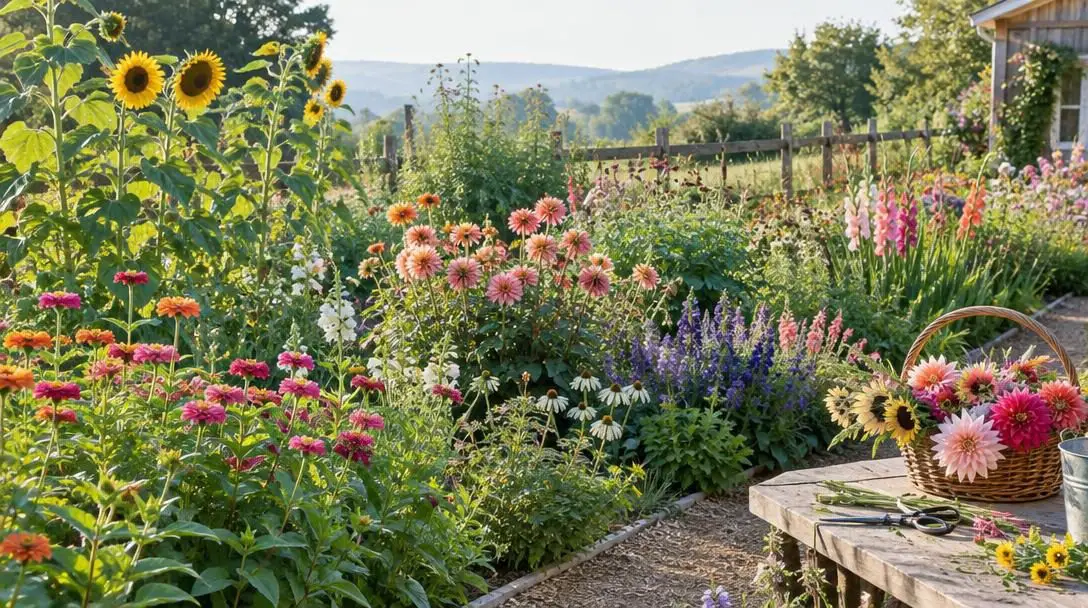
Establishing a dedicated home cutting garden addresses both economic and ecological concerns by supplying an abundance of fresh, seasonal blooms directly from your own soil. Unlike traditional landscape borders, where snipping prize blossoms leaves unappealing gaps in garden beds, a cutting garden functions as a working plot designed entirely for harvest, ensuring your vases remain full without diminishing your outdoor landscape.
Key takeaways
- A cutting garden operates like a floral vegetable patch, cultivated specifically for harvest rather than visual border display.
- Combining fast-growing annuals with dependable perennials guarantees an uninterrupted succession of fresh blooms throughout the growing year.
- Harvesting stems during the cool hours of morning or evening using angled cuts dramatically improves post-harvest hydration and vase life.
- Regular harvesting and prompt deadheading stimulate plants to develop fresh lateral branches and continue flowering.
Understanding How a Cutting Garden Works
A cutting garden differs from an ornamental border in both its layout and its primary purpose. Traditional landscape beds are arranged to look visually cohesive and full throughout the season, meaning that cutting large stems can ruin the composition and create obvious empty spaces. In contrast, a cutting plot is structured much like an edible garden bed, with straight rows or accessible blocks that allow the grower to reach, support, and harvest stems efficiently.
The biological engine behind a productive cutting garden is the harvest process itself. When flowers are allowed to mature fully, they redirect their energy into seed production, which signals to the plant that its reproductive cycle is complete. By harvesting stems just as buds begin to open, growers divert that biological energy toward continuous stem and bud production. Many flowering species respond to cutting by sending out vigorous secondary shoots, effectively turning frequent harvests into the catalyst for future yields.
Cultivating a dedicated cutting plot transforms routine floral harvesting into an active engine for vigorous new growth.
Key Factors to Consider When Selecting Flower Varieties
Building a successful cutting plot begins with choosing plants that suit your local environment and deliver the functional characteristics necessary for floral arranging. Before buying seeds or planting nursery stock, assess these critical horticultural attributes:
- Climate and Growing Conditions: Match candidate varieties to your local hardiness zone, available hours of sunlight, and prevailing precipitation patterns. Plotting sun exposure across the yard prevents placing sun-loving species in damp shade.
- Stem Length and Strength: Tabletop arrangements and tall floor vases demand stems that can hold the physical weight of large blossoms without bending, snapping, or drooping in water.
- Bloom Season and Longevity: Achieving continuous production requires planting a mix of early-, mid-, and late-season bloomers. Additionally, look for varieties proven to maintain firm petals and clean foliage for days inside a vase.
- Flower Size and Form: A balanced arrangement requires visual contrast. Incorporating both large, commanding focal flowers and smaller, airy accent blooms allows you to assemble diverse floral compositions without needing supplemental materials.
Ten Top Flowers for Home Floral Arrangements
Selecting reliable flower varieties ensures high yields, vibrant aesthetics, and long-lasting post-harvest durability. The following ten plants represent the cornerstone of a functional, diverse cutting plot.
Roses
- Light Requirement: Full sun
- Soil Preference: Well-drained soil
- Arrangement Role: Primary focal flower
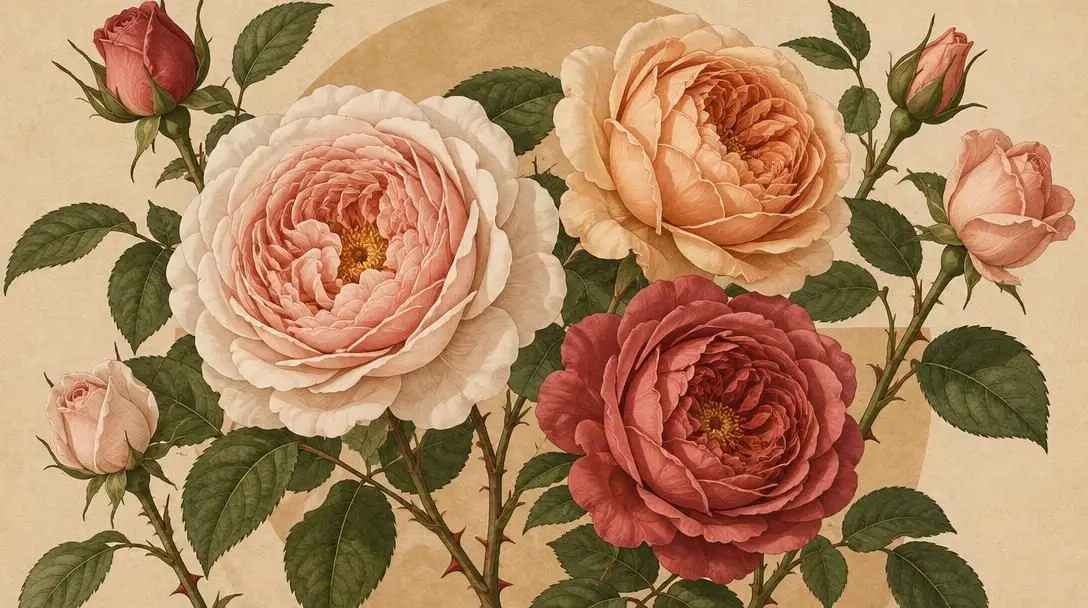
Roses remain the quintessential centerpiece flower for indoor displays, celebrated for their exceptional vase life, rich petal counts, and wide spectrum of colors. To develop healthy stems and abundant buds, roses need open sites with full sun exposure and fertile, well-draining ground. Proper pruning and routine attention produce sturdy, upright stems that anchor both simple single-stem vases and grand formal bouquets.
Dahlia
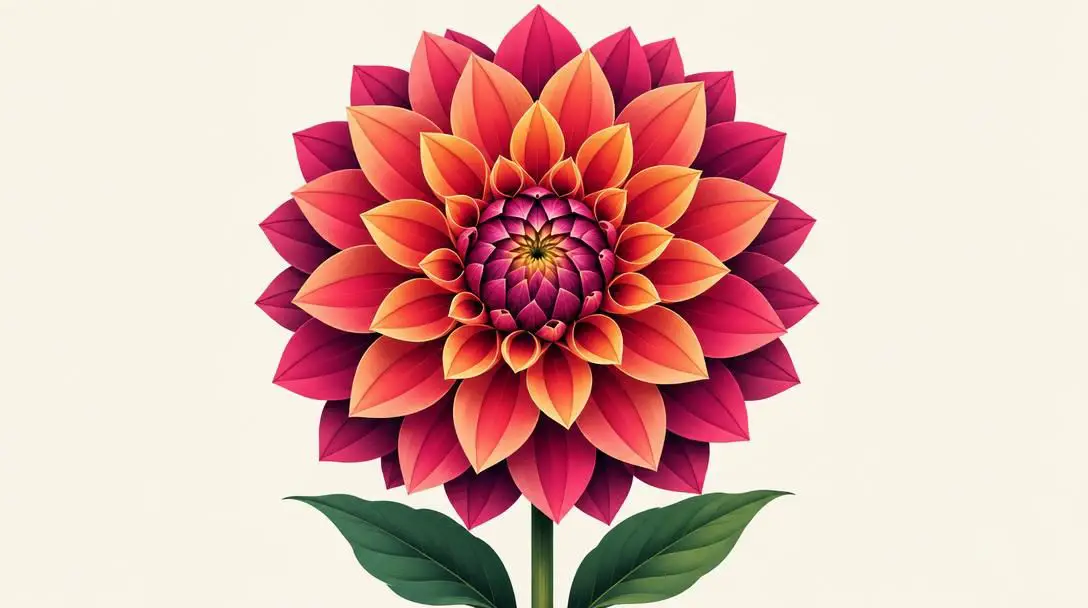
- Light Requirement: Full sun
- Moisture Needs: Regular, consistent watering
- Visual Profile: Large, multi-petaled dramatic blooms
Dahlias deliver striking visual drama, producing massive, geometrically intricate blossoms in an astounding array of forms, sizes, and colors. These heavy producers require full sun and a dependable watering routine to sustain their lush foliage and sizable blossoms. Harvesting dahlias continuously throughout mid-to-late summer keeps plants actively setting new buds right up until the autumn frost.
Peony
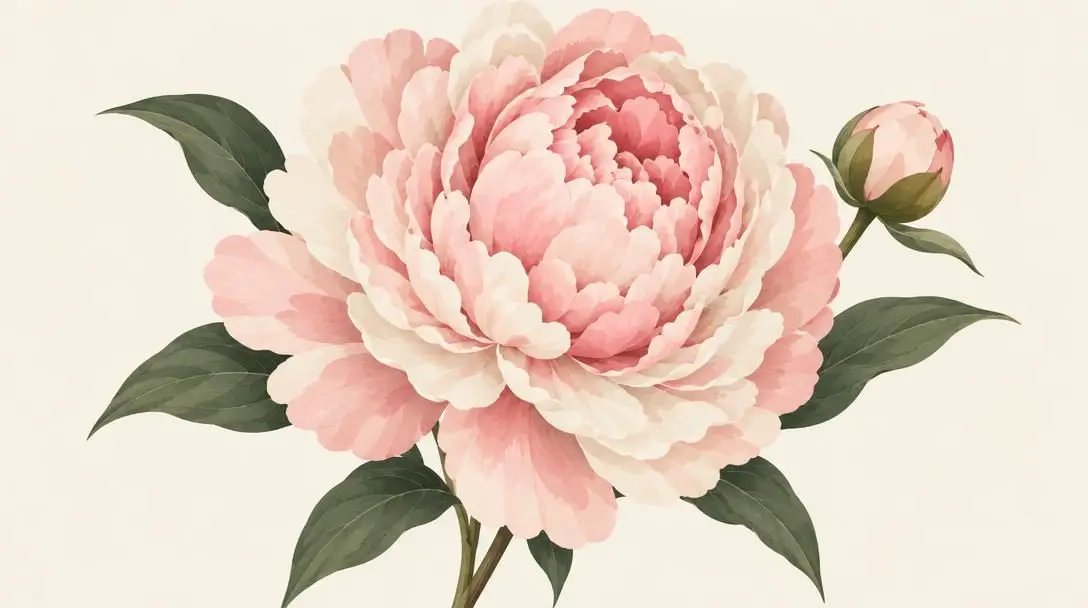
- Climate Preference: Cooler climates (cold-hardy)
- Light Requirement: Full sun
- Color Palette: Pink, red, and white
Peonies are prized for their opulent, highly fragrant blooms and dense, rounded buds that open into expansive flower heads. These cold-hardy perennials thrive in northern and temperate regions that experience true winter chill. Planted in full sun, peonies reemerge reliably each spring, offering a flush of pink, crimson, and pure white blossoms that create luxurious seasonal centerpieces.
Zinnia
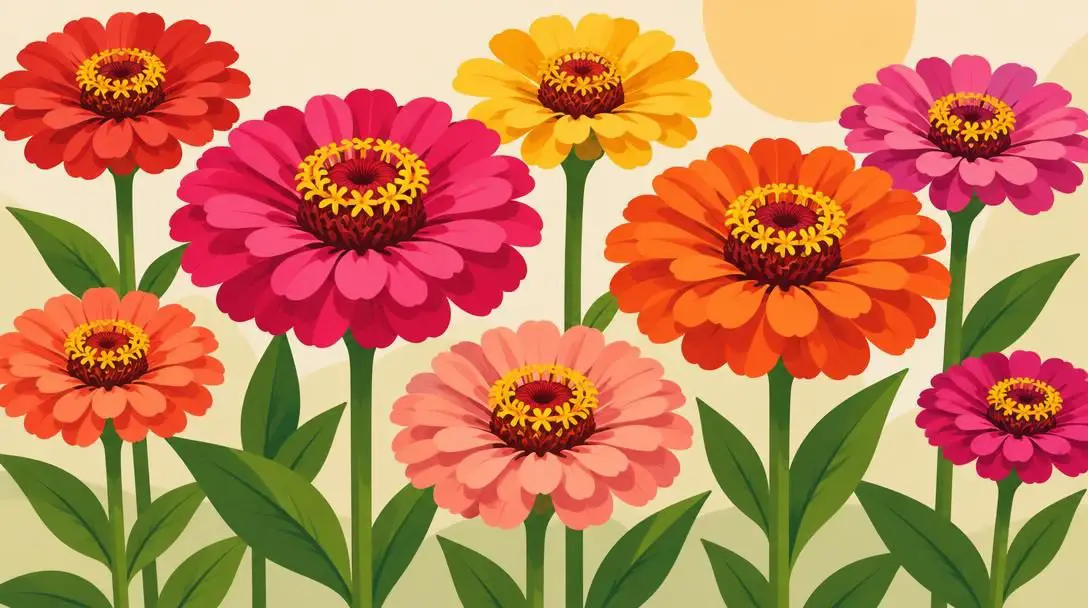
- Plant Type: Annual
- Flowering Window: Summer through fall
- Care Level: Straightforward and low-maintenance
Zinnias are among the most generous and trouble-free annuals available to the home gardener. Sprouting rapidly from seed, they yield continuous flushes of bright blossoms on stiff, upright stems from early summer until the first hard freeze. Their broad color spectrum and swift recovery following heavy harvests make them an essential workhorse for everyday tabletop arrangements.
Sunflower

- Stem Characteristics: Long, exceptionally sturdy
- Bloom Appearance: Large, bold yellow heads
- Season: Summer
Sunflowers instantly provide a cheerful, rustic focal point thanks to their substantial flower discs and bright yellow petals. Cultivated specifically on long, durable stems, these annuals easily bear the weight of heavy blossoms without drooping in the vase. Harvesting them just as the ray petals begin unfurling ensures extended indoor display life and prevents premature pollen drop.
Marigold
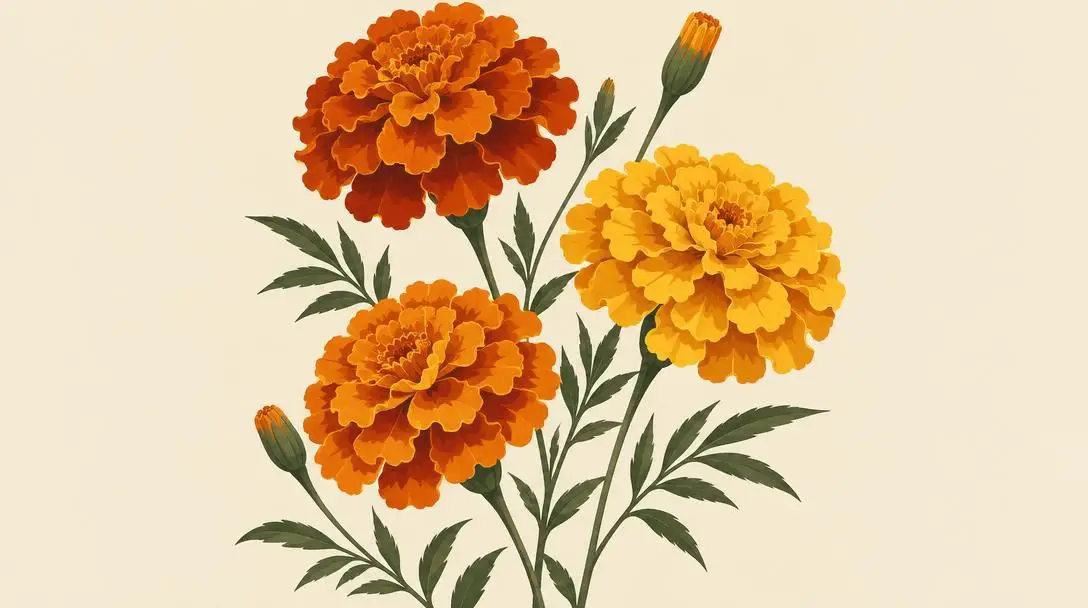
- Plant Type: Heat-tolerant annual
- Color Range: Warm yellow, orange, and red
- Performance: Dependable summer bloomer
Marigolds provide exceptional heat resilience during high summer when other flowering species can stall. Offering warm, energetic shades of golden yellow, burnt orange, and deep red, these dependable annuals supply an abundance of ruffled, compact blossoms. Their sturdy stems and long-lasting petal structure make them durable additions to short vases and mixed summer bouquets.
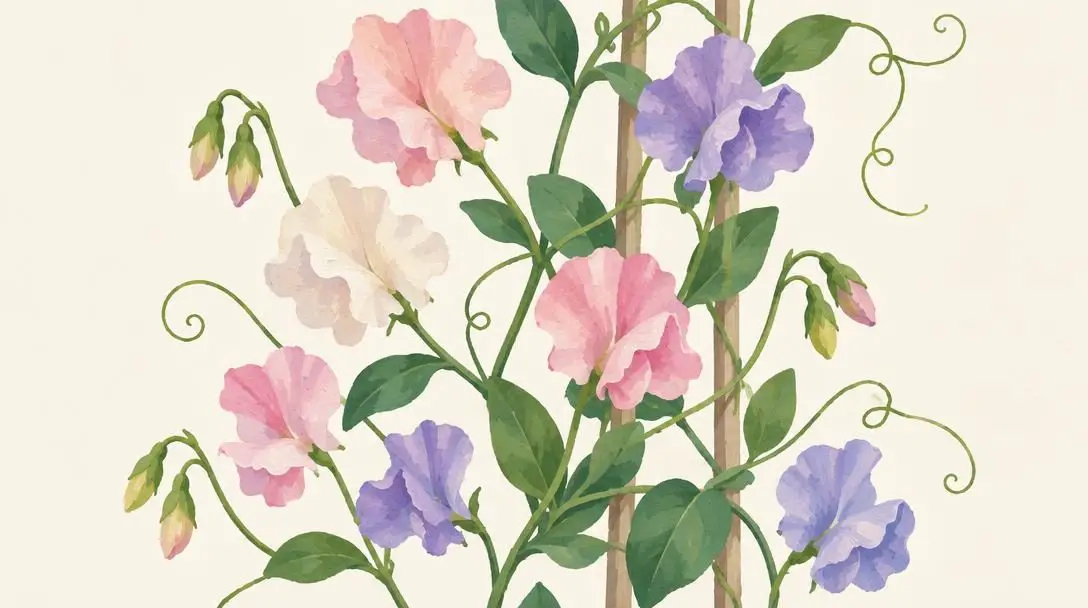
Sweet Pea
- Aroma Profile: Sweetly fragrant
- Palette: Soft pastel tones
- Season: Early summer into early fall
Sweet peas lend an old-fashioned, delicate charm to indoor arrangements with their ruffled petals and sweet perfume. Flowering in soft pastel shades of lavender, blush, cream, and soft pink, these climbing annuals produce slender stems suited for small posies, bedside vases, and intricate hand-tied bouquets.
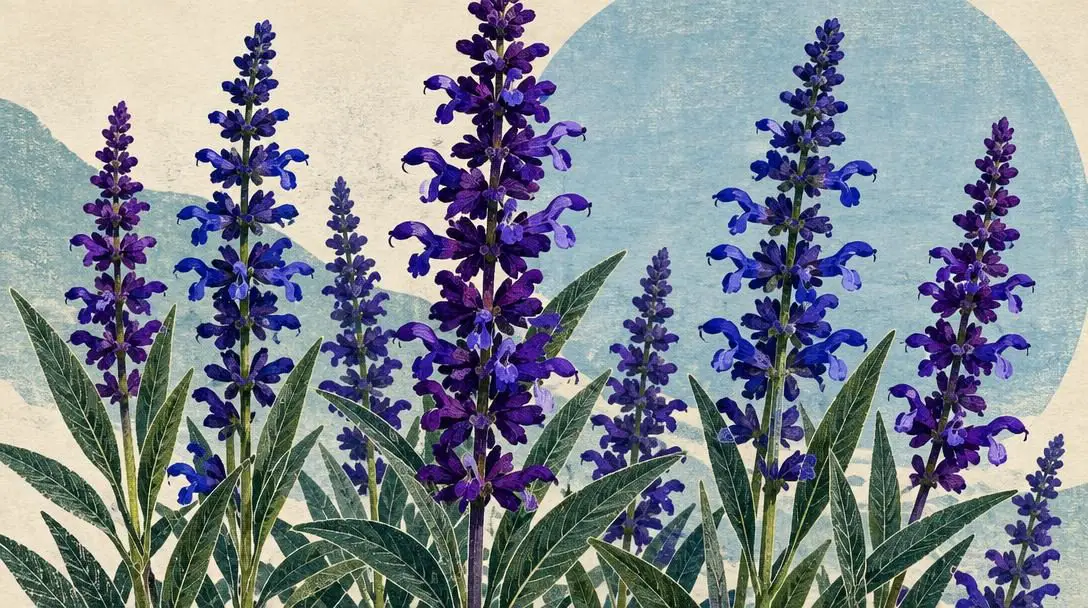
Salvia
- Plant Type: Perennial
- Bloom Structure: Upright flower spires
- Color Options: Vivid blue and purple
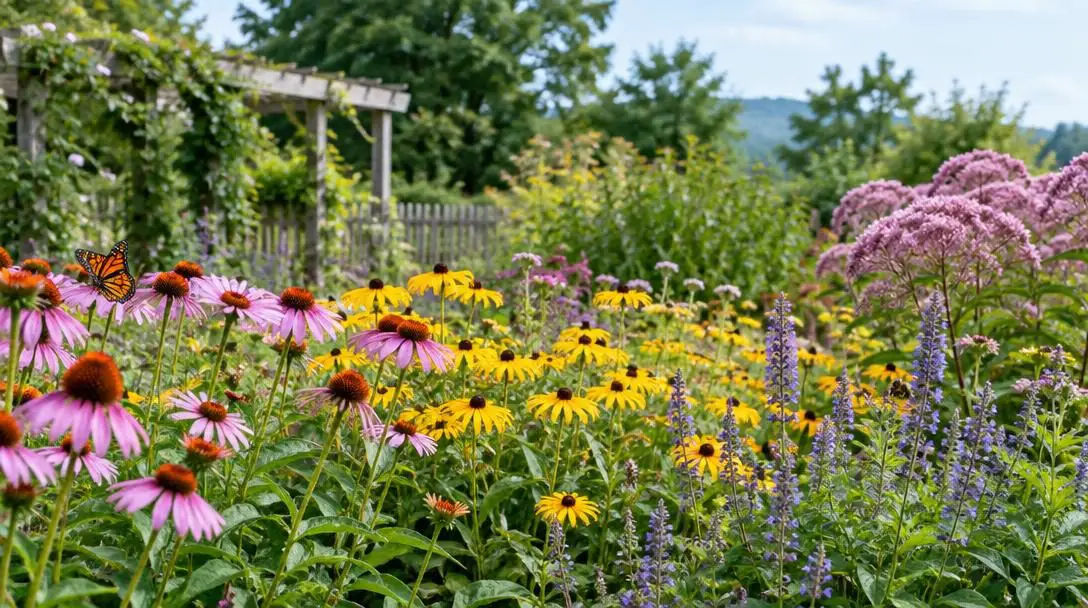
Salvia introduces vertical contrast and rich, cool tones to floral arrangements with its upright spires of vivid blue and purple blossoms. As a sun-loving perennial adapted to well-drained soil, salvia returns every year to supply structural, spiky stems that break up the rounded shapes of dahlias, roses, and zinnias in mixed displays.
Cosmos
- Plant Type: Annual
- Foliage & Form: Airy stems with delicate petals
- Tolerances: Modest soil conditions
Cosmos are airy, daisy-like annuals that float above feathery green foliage, flowering abundantly in shades of pale pink, magenta, and clean white. They perform well even in modest soils under full sun, sending up continuous flushes of flexible stems that bring motion, softness, and lightness to garden-style floral arrangements.
Coneflower
- Plant Type: Hardy perennial
- Bloom Period: Summer through late autumn
- Color Options: Pink, purple, and white
Coneflowers (Echinacea) are robust, climate-resilient perennials that anchor the late-season cutting garden. Featuring prominent, cone-shaped centers surrounded by swept-back petals in pink, purple, and white, they bloom across the heat of summer and push deep into autumn. Their stiff, fibrous stems and long vase life make them indispensable for late-season arrangements.
At a Glance: Varieties for the Cutting Plot
Reviewing growth habits and environmental needs side by side helps you assemble a balanced collection of plants that share bed space efficiently:
| Flower Variety | Life Cycle | Light Needs | Bloom Window | Vase Role |
|---|---|---|---|---|
| Rose | Perennial | Full sun | Late spring to fall | Primary focal bloom |
| Dahlia | Tender perennial / Tuber | Full sun | Mid-summer to frost | Large drama / focal |
| Peony | Perennial | Full sun | Late spring to early summer | Fragrant luxury focal |
| Zinnia | Annual | Full sun | Summer through fall | Prolific color / filler |
| Sunflower | Annual | Full sun | Mid-summer through fall | Bold architectural focal |
| Marigold | Annual | Full sun | Summer through fall | Warm accent / durable filler |
| Sweet Pea | Annual | Full sun to light shade | Early summer to early fall | Delicate, fragrant accent |
| Salvia | Perennial | Full sun | Summer | Vertical spire / texture |
| Cosmos | Annual | Full sun | Summer to frost | Airy movement / filler |
| Coneflower | Perennial | Full sun | Summer into deep autumn | Late-season structure |
Step-by-Step Guide to Establishing and Managing the Garden
Creating a dependable, productive flower plot requires methodical soil prep, attentive planting, and consistent cultural care throughout the growing cycle.
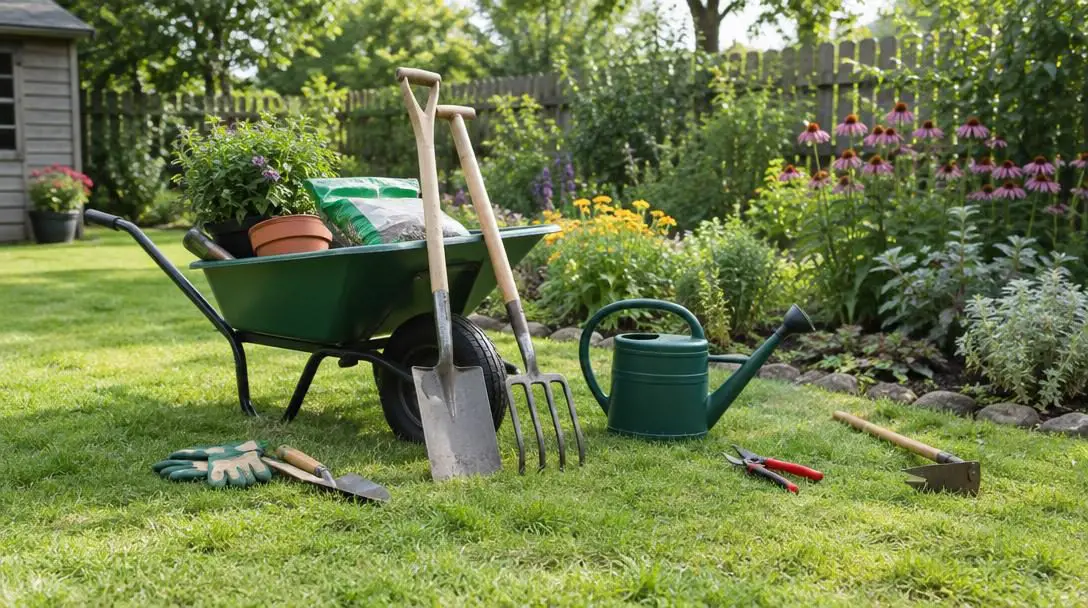
- Prepare the Ground: Strip the designated garden bed of existing grass, weeds, and stones. Work several inches of finished compost into the native soil to build structure, boost biological activity, and ensure excellent drainage.
- Space for Airflow: Plant seedlings and tubers according to their specific spacing requirements. Leaving adequate space between mature plants allows air to circulate freely around the leaves, preventing fungal spores from colonizing wet foliage.
- Establish Irrigation and Nutrition: Keep root zones evenly moist, utilizing drip lines or soaker hoses to direct water to the base of plants rather than soaking leaves. Provide balanced fertilizer according to crop needs, offering heavier feeding to hungry species like roses and dahlias.
- Harvest Stems Correctly: Cut flowers during the cool hours of early morning or late evening when plants are fully hydrated. Make clean, slanted cuts with sharp snips to expand the surface area for water intake and keep stems from resting flat against the vase bottom.
- Deadhead Regularly: Walk the plot every few days to snip off spent, declining flower heads. Removing fading blossoms prevents the plants from diverting energy into seed development, prompting them to send out fresh stems and flower buds.
- Monitor Plant Health: Inspect the undersides of leaves and growing tips weekly for signs of insect pests like aphids and spider mites. Simultaneously look for fungal conditions such as powdery mildew and black spot so you can intervene promptly.
Common Pitfalls in Cutting Garden Care
Even seasoned growers occasionally run into obstacles that reduce bloom volume or shorten vase life. Avoiding these frequent mistakes will keep your cutting patch thriving:
- Harvesting During Midday Heat: Clipping stems while the midday sun is beating down leads to rapid water loss. Stems taken in extreme heat wilt rapidly and rarely regain their structural turgidity once brought inside.
- Crowding Plants in the Bed: Cramming plants closely together inhibits natural breeze movement. The resulting humidity around the lower foliage invites fungal infections, particularly powdery mildew on zinnias and black spot on roses.
- Skipping Routine Deadheading: Allowing old flowers to wither and form seed heads signals to the plant that its seasonal task is finished. Without prompt removal of fading blooms, overall production declines sharply.
- Making Flat Cuts on Harvested Stems: Slicing straight across a stem creates a flat surface that seals tightly against the container floor, blocking moisture absorption. An angled cut preserves open water channels.
- Applying Uniform Care to Diverse Species: Different flowers possess distinct water and nutritional requirements. Demanding varieties like dahlias and roses require far more moisture and fertilizer than tough, adaptable plants like cosmos or coneflowers.
Designing Balanced Bouquets and Year-Round Harvests
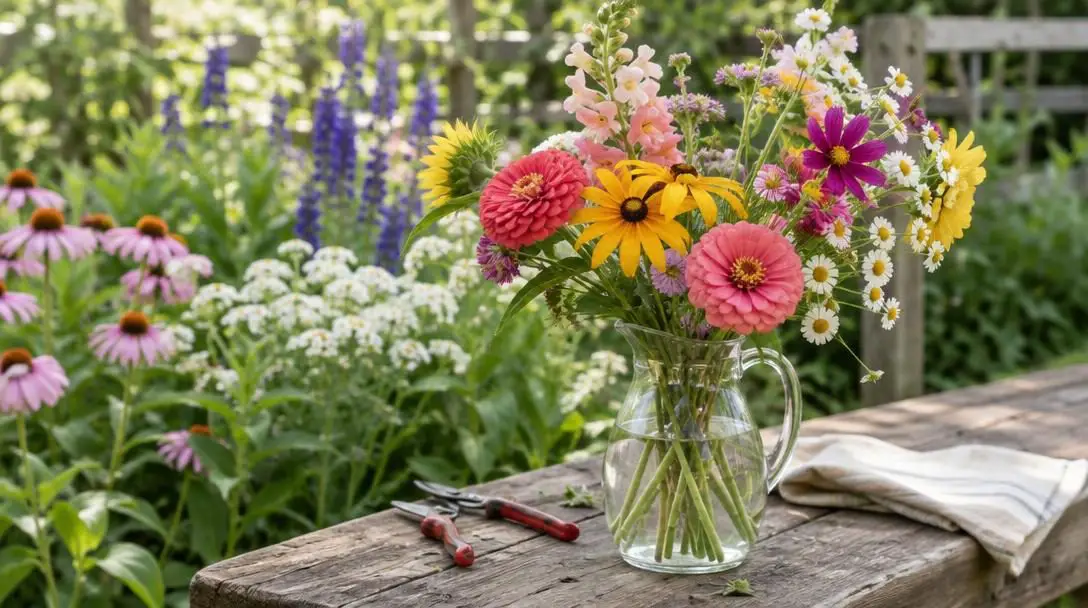
Once your cutting garden is actively producing, you can refine your floral designs by focusing on stem roles and succession planning. A professional-looking vase arrangement balances three fundamental components: large focal flowers, structural spires, and airy textural fillers.
If your early harvests feel heavy or crowded, your beds may contain too many dominant focal flowers like sunflowers and dahlias. Incorporating the delicate foliage and blossoms of cosmos softens harsh edges, while the vertical spires of salvia draw the viewer's eye upward. Evaluating these visual relationships will reveal what varieties you should increase in future seasons.
Furthermore, track your harvest volume across the calendar year. Gaps in production during early June or late October indicate an over-reliance on midsummer annuals. Integrating early-blooming sweet peas or late-blooming coneflowers bridges these seasonal lulls, ensuring you have fresh flowers ready to snip from the arrival of spring through late autumn.
Frequently asked questions
How is a cutting garden different from a normal flower border?
A cutting garden is grown primarily for harvest, organized in accessible rows or blocks like a vegetable patch so you can remove long stems without ruining the visual appearance of your yard. Traditional flower borders are planted for overall landscape aesthetics, where harvesting prize blooms leaves unsightly empty spaces.
Why should flower stems be cut at an angle?
Cutting stems at a slanted angle increases the exposed surface area for water absorption and prevents the base of the stem from resting flat against the bottom of the vase, which would otherwise choke off hydration.
What is the best time of day to harvest flowers?
Harvest flowers during the cool hours of early morning or late evening. During these windows, plant tissues are fully hydrated and temperatures are low, minimizing moisture loss and harvest shock.
How does deadheading encourage plants to keep blooming?
Deadheading removes spent blooms before they can set seed. This halts the reproductive signal that tells the plant its life cycle is complete, redirecting its biological energy into producing fresh side branches and new floral buds.
Which cutting garden flowers tolerate lower-fertility soils?
Cosmos and coneflowers are naturally resilient and can thrive in modest, less fertile soils, whereas heavy-blooming species like roses and dahlias require rich soil and regular applications of supplemental nutrients.
The Bottom Line
Cultivating a dedicated cutting garden provides a continuous harvest of fresh, vibrant blossoms while avoiding the high costs and environmental footprint of commercially produced arrangements. By carefully combining dependable annuals like zinnias, cosmos, and sunflowers with long-lived perennials like roses, peonies, and coneflowers, you establish an evolving palette of colors, shapes, and scents right outside your door.
Success rests on thoughtful garden fundamentals: positioning beds in full sun, maintaining adequate plant spacing for healthy airflow, and executing disciplined watering, feeding, and deadheading routines. With consistent care and thoughtful harvesting, a modest garden patch will keep your living spaces enriched with stunning, homegrown bouquets throughout the entire growing season.