The Best Flowers for a Drought-Tolerant Garden: Tips and Suggestions
Maintaining a thriving, visually appealing landscape can be a major challenge, especially when trying to balance outdoor aesthetics with responsible resource management. Many homeowners and gardening enthusiasts find it difficult to keep traditional flower beds alive when seasonal conditions turn dry or when municipal water authorities introduce strict usage restrictions. Conventional landscaping often relies on constant supplemental hydration, driving up household utility bills and depleting stressed local reservoirs.
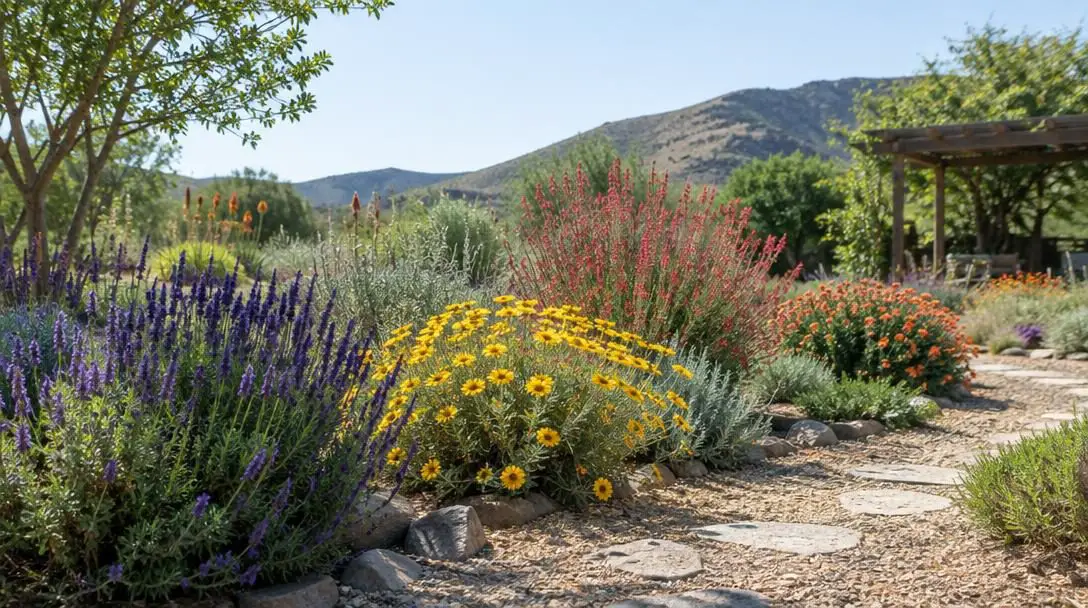
A drought-tolerant garden addresses these resource issues directly by utilizing plants that naturally thrive with minimal water. Moving away from thirsty turf and fragile annuals does not mean settling for a barren or colorless yard. By selecting resilient flowering species equipped to endure sustained heat and low rainfall, you can cultivate an outdoor space that remains vibrant, dynamic, and environmentally sustainable throughout the growing season.
Key takeaways
- Drought-tolerant gardens conserve municipal water and lower maintenance labor while preserving color and curb appeal.
- Resilient flowers survive dry periods through specialized physical adaptations, including fleshy water-storing tissue and deep root systems.
- New plantings still require thorough initial watering to settle soil and establish their root systems before becoming drought-resilient.
- Choosing flowers such as coneflower, black-eyed Susan, and lavender supports local pollinators like bees, butterflies, and birds.
The biological mechanisms behind drought tolerance
To understand why certain flowers survive when soil moisture completely evaporates, it is helpful to examine their underlying biology. Species adapted to arid, semi-arid, or seasonal dry climates have evolved specialized physical traits that allow them to absorb, store, and conserve water far more efficiently than conventional bedding plants.
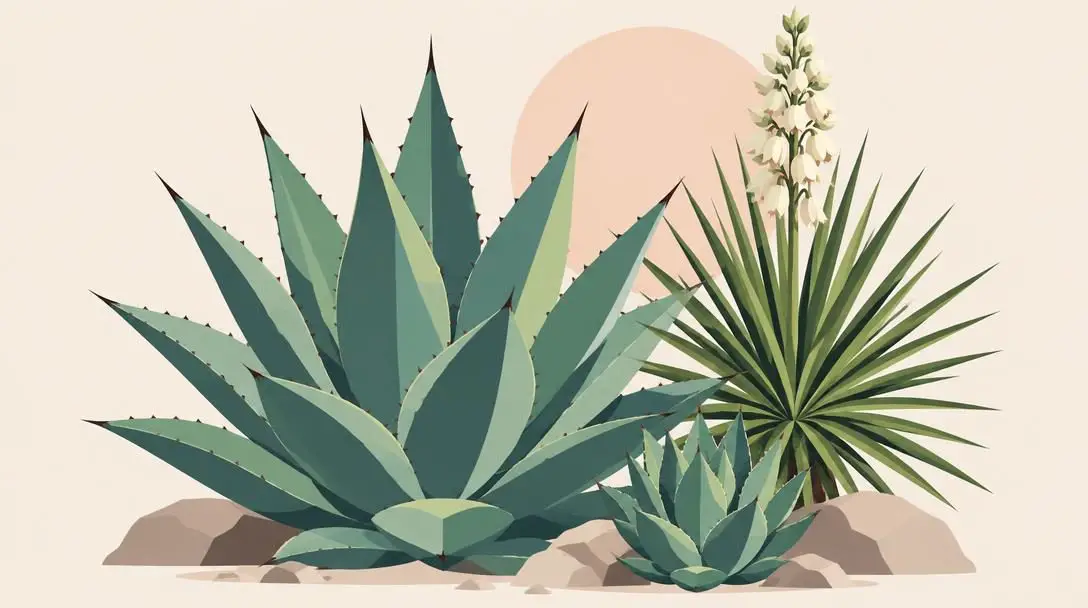
A prime example of structural water retention occurs in succulent plants. Species like agave, yucca, and cacti absorb moisture rapidly when rain falls and lock it directly inside thick, fleshy leaves or stems. When dry spells arrive, these plants draw upon their internal reservoirs to sustain cell turgor and structural integrity, preventing wilting and keeping their forms intact while surrounding greenery withers.
Other flowering perennials manage moisture scarcity through expansive underground networks and modified foliage. Rather than hoarding moisture in spongy leaves, flowers such as coneflowers, blanket flowers, and black-eyed Susans push deep root systems far down into the subsoil. These extensive roots reach residual subterranean moisture pockets that shallow-rooted turfgrass cannot tap. Simultaneously, their leaf surfaces minimize transpiration, reducing water loss while continuing to generate nectar, pollen, and colorful petals throughout the heat of summer.
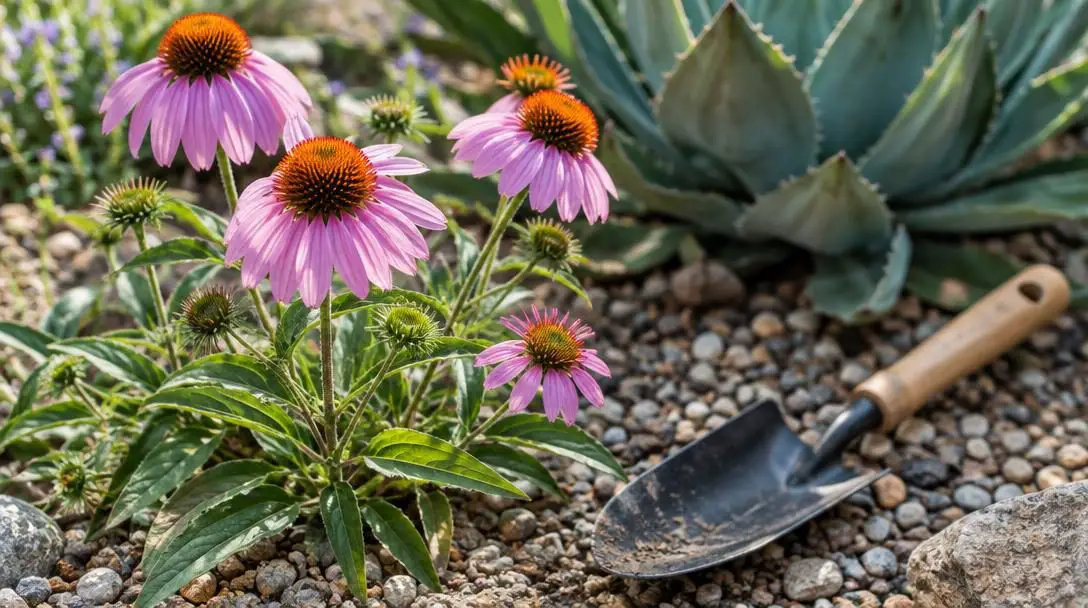
Drought tolerance does not mean settling for a barren yard; the right flowers create an outdoor space that remains vibrant throughout extended dry spells.
Key environmental factors to assess before planting
While drought-tolerant flowers are naturally resilient, their long-term performance hinges on matching plant profiles to your landscape's microclimate and physical conditions. Before purchasing nursery stock, evaluate these fundamental environmental factors:
- Climate and regional weather patterns: Track how often rainfall occurs in your area and note whether your region suffers continuous multi-week droughts or benefits from intermittent summer storms. Matching plant varieties to these local precipitation cycles prevents chronic over- or underwatering.
- Soil type, structure, and quality: Soil composition determines how moisture behaves underground. Dense clay holds onto water and can drown roots prone to rot, whereas loose sandy soil lets water drain away rapidly. Assessing your soil's nutritional profile and drainage capacity ensures chosen plants can establish steady root systems.
- Water access and irrigation availability: Water-wise gardens require minimal hydration once established, but you still need an accessible water supply nearby. Readily available water is essential during the critical root-establishment phase and during acute, record-breaking heat waves.
At a glance: Comparing water-wise garden flowers
| Flower | Key Features | Wildlife Value | Seasonal Interest |
|---|---|---|---|
| Succulents | Water-storing fleshy leaves, architectural forms | Attracts occasional pollinators | Year-round structural form |
| Lavender | Fragrant foliage, soft purple flowering spires | Bees and butterflies | Late spring to midsummer blooms |
| Black-Eyed Susan | Vibrant yellow and orange petals, dark central cones | Butterflies and seed-eating birds | Midsummer through autumn color |
| Coneflower | Sturdy upright stems, daisy-like petals, durable cones | Bees, butterflies, and birds | Continuous summer blooms |
| Blanket Flower (Gaillardia) | Rich bi-color petals, intense heat resilience | Pollinators and beneficial insects | All-summer flowering cycle |
| Salvia | Spikes of red, purple, and blue blossoms | Bees, butterflies, and pollinators | Summer through late warm season |
| Yarrow | Flat-topped bloom clusters, fern-like green foliage | Beneficial pollinators | Late spring through summer |
| Verbena | Spreading habit, clustered multi-color blooms | Pollinators and butterflies | Summer-long continuous color |
| Coreopsis | Bright yellow daisy-like blossoms, light foliage | Bees and butterflies | Prolific summer blooming |
Top foundational flowers for dry landscapes
Selecting reliable cornerstone flowers gives a drought-resilient garden both visual structure and reliable seasonal performance. These primary selections deliver bold forms, intense colors, and reliable drought resistance.
Succulents
- Key Species: Agave, yucca, cacti
- Adaptation Strategy: Water storage within fleshy leaves and thick stems
- Landscape Role: Year-round architectural form and bed borders
Succulents offer unparalleled durability for beds subjected to scorching sun and dry ground. Genera like Agave, Yucca, and various desert cacti store moisture in their specialized tissues, providing living reservoirs that resist harsh drying winds. Their sharp silhouettes, rosettes, and spiny leaves add architectural texture that contrasts well against softer, flowering herbaceous perennials.
Lavender
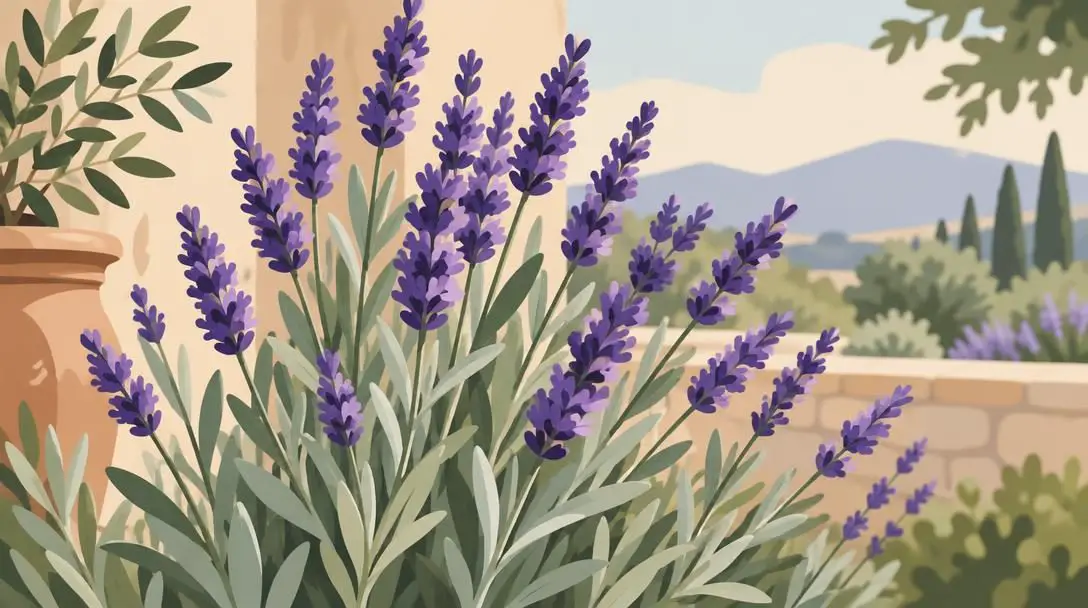
- Distinct Feature: Aromatic foliage and fragrant flower stems
- Wildlife Support: Pollinator magnet for bees and butterflies
- Water Demand: Low once established in well-drained soil
Lavender is a classic dry-climate shrubby perennial prized for its aromatic, silver-green leaves and spikes of purple-blue blossoms. It excels in borders, herb beds, and sunny walkways. Beyond its visual charm and sweet scent, lavender provides a rich nectar source that attracts local bees and butterflies throughout the warm season.
Black-Eyed Susan
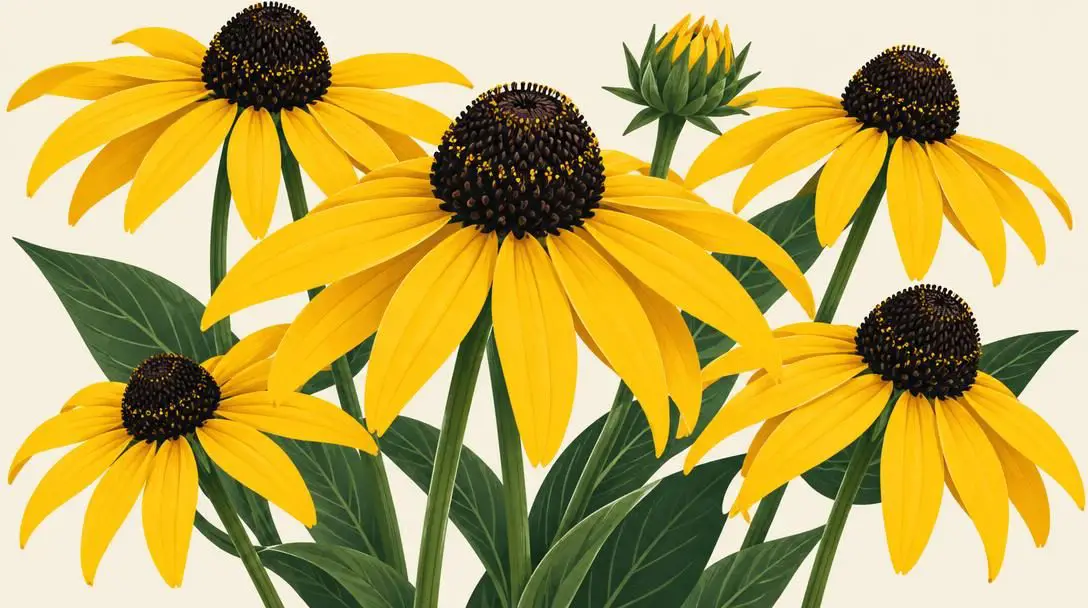
- Petal Colors: Vibrant yellow and warm orange
- Wildlife Value: Nectar for butterflies, seeds for native birds
- Foliage Characteristic: Rough, resilient leaves that limit water loss
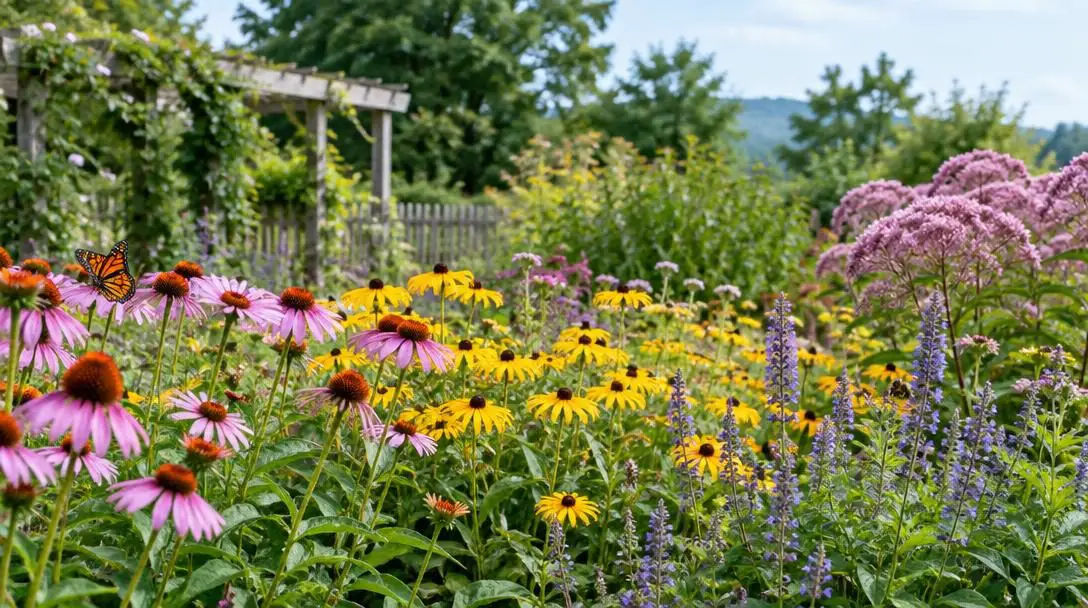
Recognizable by its prominent dark seed cones surrounded by golden yellow or burnt-orange ray petals, the black-eyed Susan brings dependable warmth to water-conscious borders. Its robust root system and textured foliage enable it to thrive under hot summer conditions while producing seedheads that nourish foraging birds well into the autumn.
Coneflower
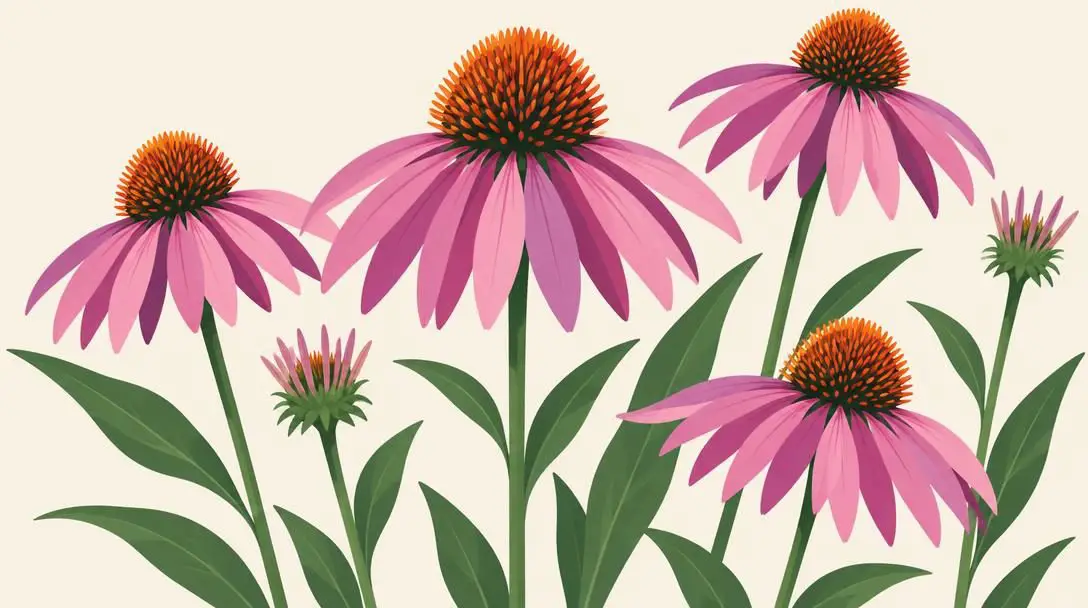
- Bloom Duration: Continuous display throughout summer
- Growth Habit: Low-maintenance upright perennial stems
- Ecological Benefit: Pollinator sustenance for bees and butterflies
The coneflower has become a favorite in modern eco-friendly gardening due to its hardy constitution and low maintenance requirements. Its strong taproot anchors the plant deeply into the soil, keeping flower heads upright during dry spells. Coneflowers bloom continuously across midsummer, presenting raised central cones that draw sustained attention from butterflies and native bumblebees.
Blanket Flower

- Climate Preference: Thrives in hot, dry, low-moisture regions
- Petal Pattern: Vivid multi-toned rings of red and yellow
- Maintenance Need: Minimal supplemental hydration required
The blanket flower produces rich, multi-toned blossoms that mimic traditional woven patterns. Naturally suited to arid microclimates, this plant thrives in full sunlight and lean soil where delicate ornamentals fail. Its prolonged summer blooming period keeps borders cheerful without demanding frequent irrigation cycles.
Additional drought-tolerant flowers for rich garden diversity
Expanding your garden palette beyond the core choices ensures varied flower heights, complementary leaf textures, and staggered blooming periods. Incorporating several different varieties provides ongoing nectar reserves for local wildlife.
Salvia
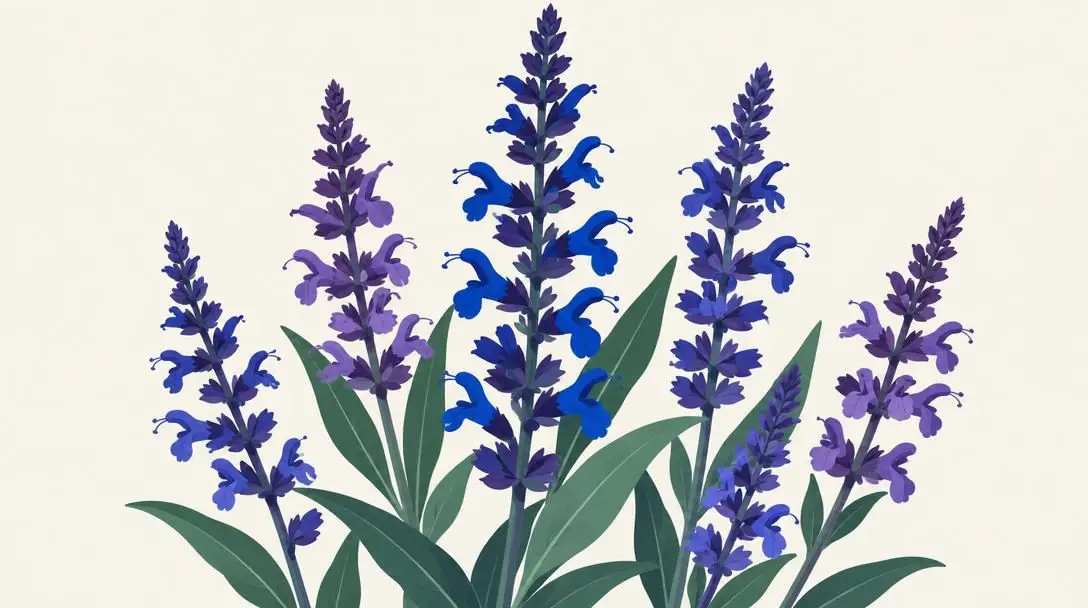
- Color Spectrum: Saturated shades of red, purple, and blue
- Care Level: Low maintenance once established
- Pollinator Draw: Tubular flowers favored by pollinators
Salvia is a versatile genus offering upright flower wands in brilliant shades of blue, royal purple, and intense red. These flowers fit easily into perennial borders, pairing naturally with yellow daisy-like blossoms. Once established, salvia requires only sporadic watering and holds its shape through the hottest months of the year.
Gaillardia
- Alternate Name: Blanket flower
- Bloom Cycle: Reliable and prolific throughout summer
- Color Impact: High-impact splashes of vivid color
Also known as the blanket flower, gaillardia stands out for its cheerful color combinations, typically featuring crimson bases tipped with bright yellow edges. It demands little water to produce abundant blooms, making it an exceptional groundcover or front-of-border accent in sunny, fast-draining garden spaces.
Yarrow
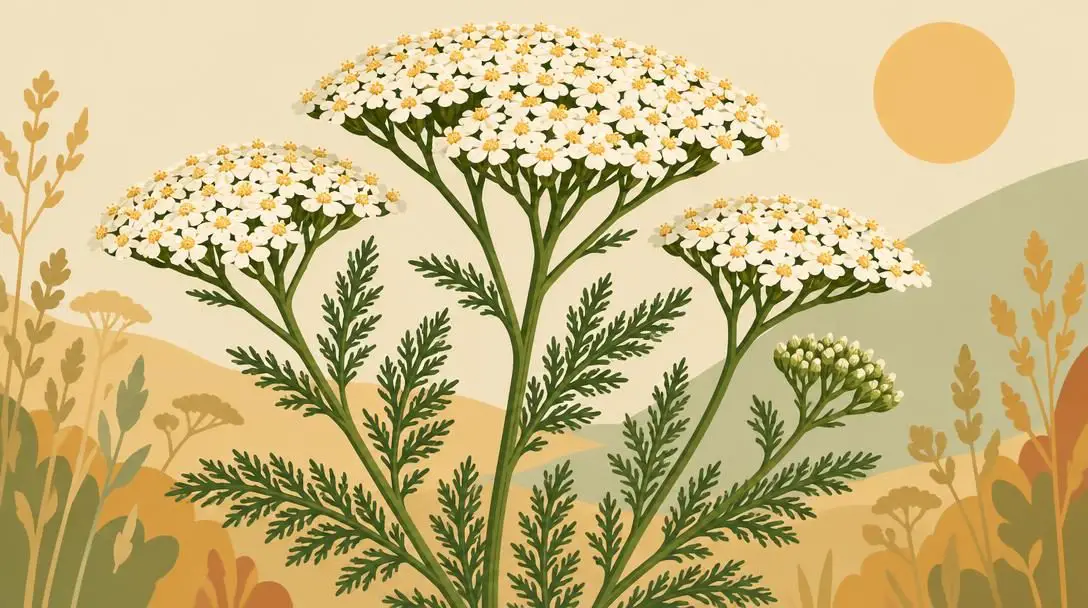
- Flower Architecture: Flat-topped umbrella-like clusters
- Maintenance Profile: Exceptionally easy to establish and grow
- Wildlife Activity: Landing pads for beneficial pollinating insects
Yarrow is celebrated by gardeners for its toughness and feathered foliage. Its dense, broad flower heads serve as wide landing zones for beneficial predatory insects, native bees, and butterflies. Yarrow performs well in rocky, nutrient-poor soil, shrugging off heat and low rainfall with ease.
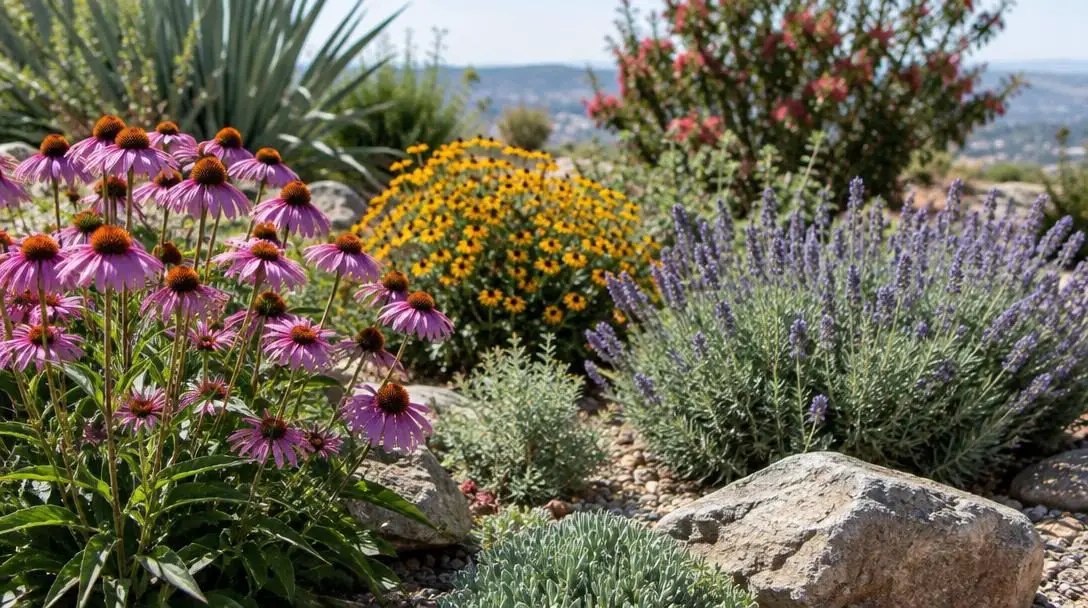
Verbena
- Color Range: Wide variety of pastel and rich jewel tones
- Growth Texture: Trailing or mounding form with delicate florets
- Water Conservation: High tolerance for low moisture levels
Verbena produces clustered heads of petite, vivid flowers that spill neatly over garden walls, edging stones, or raised planters. Its sprawling habit covers open ground quickly, helping to shade the soil surface and slow evaporation while offering a vibrant palette of purple, pink, and white blooms.
Coreopsis
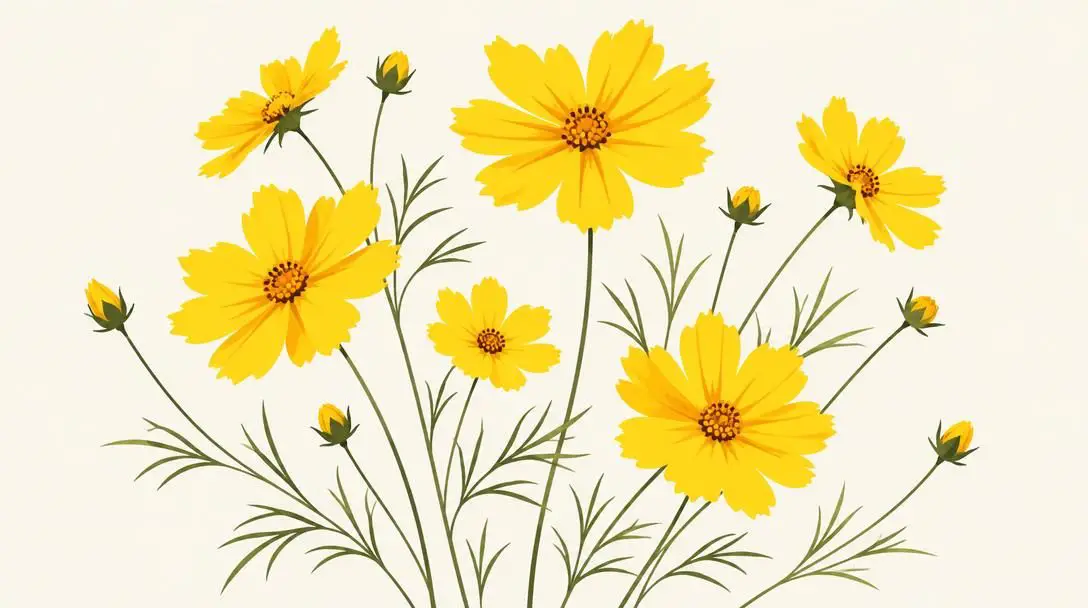
- Petal Shade: Cheerful, bright yellow blossoms
- Flowering Window: Prolific flowering across the summer
- Pollinator Interaction: Readily attracts bees and butterflies
Coreopsis delivers dense blankets of bright golden-yellow flowers that brighten borders and open beds. Extremely tolerant of dry spells, it asks for minimal supplemental watering once settled. Its continuous production of pollen and nectar keeps sunny garden spaces bustling with winged pollinators.
Step-by-step process for establishing a drought-tolerant garden
Creating a resilient landscape requires thoughtful installation practices. Following a structured planting sequence helps your water-wise selections develop the strong root systems they need to withstand subsequent seasons of drought.
- Evaluate and map the site: Track daily sunlight across your garden beds, identify prevailing wind patterns, and map out existing canopy shade. Grouping plants according to shared light and low-moisture preferences prevents watering conflicts later.
- Test and prepare the soil: Examine your garden's soil texture, fertility, and drainage capacity. Ensure the planting medium offers adequate pore space so water drains away from plant crowns rather than settling into stagnant, anaerobic pools that cause root disease.
- Verify accessible water sources: Ensure you have an operating hose, rain barrel, or drip connection reaching the bed. Even resilient species require accessible irrigation during their initial planting season and through extreme weather anomalies.
- Plant with proper spacing: Dig planting holes slightly wider than each plant's nursery container. Space specimens according to their mature dimensions, which prevents competitive root crowding and allows adequate air circulation around foliage.
- Water thoroughly at planting: Saturate the soil immediately after positioning your flowers in the ground. This initial drench collapses subsurface air pockets, settles loose dirt around root fibers, and initiates root growth for species like coreopsis, gaillardia, and black-eyed Susan.
- Monitor seasonal bloom and pollinator activity: Track plant progress through the summer as verbena, coneflower, and blanket flower mature. Take note of visitations from native bees, birds, and butterflies to identify which plants perform best in your specific microclimate.
Common mistakes to avoid in water-wise gardening
Gardeners seeking to minimize water consumption often encounter setbacks by misinterpreting what drought tolerance means during the initial stages of plant growth. Avoiding these common mistakes will safeguard your investment:
- Withholding water from newly installed plants: While mature stands of salvia, yarrow, and succulents withstand dry soil, young nursery starts possess shallow root systems that dry out quickly. They require regular watering during their first few weeks until their roots penetrate deeply into surrounding soil.
- Ignoring soil suitability and structure: Forcing dry-climate perennials into heavy, waterlogged clay leads to root rot. Failing to check your site's specific drainage characteristics can cause even the hardiest species to deteriorate rapidly.
- Overlooking water access during severe heatwaves: Drought-tolerant plants are durable, but prolonged periods of triple-digit temperatures with zero rainfall can exhaust internal water stores. Keeping water access nearby ensures plants receive critical relief during severe weather emergencies.
- Grouping species with conflicting moisture needs: Placing high-water annuals alongside desert succulents or Mediterranean herbs creates maintenance headaches. Either the drought-tolerant varieties receive too much moisture and rot, or the thirstier companions wilt and die.
Long-term garden care and wildlife planning
Once your drought-tolerant perennial bed is established, attention shifts toward multi-season interest and ecosystem support. Many popular dry-climate choices, such as coneflower, coreopsis, and gaillardia, bloom continuously through the heat of summer, while structural perennials like agave, yucca, and cacti maintain sculptural form, color, and texture through the colder winter months.
Your garden also serves as a vital ecological sanctuary. Flowers such as lavender, black-eyed Susan, coneflower, yarrow, and coreopsis provide high-value nectar and pollen reserves for bees and butterflies. As summer yields to autumn, the dried seedheads of black-eyed Susans and coneflowers provide natural food for songbirds. Observing which species attract the most wildlife traffic will give you valuable insights when deciding where to expand your beds in future seasons.
Frequently asked questions
Do drought-tolerant plants need watering when first planted?
Yes. Newly installed plants require regular, thorough watering immediately after planting and throughout their initial establishment phase. This settling moisture closes subterranean air pockets and allows root systems to grow deep enough to access moisture independently.
How do succulents survive extended dry periods?
Succulents like agave, yucca, and cacti store water inside their fleshy leaves, stems, and trunks. When moisture is present, they absorb it quickly and store it internally, drawing on these reserves when the surrounding soil dries out.
Which drought-tolerant flowers are best for attracting pollinators?
Lavender, coneflower, black-eyed Susan, salvia, yarrow, and coreopsis are excellent choices for attracting wildlife. They provide abundant nectar and pollen for bees and butterflies, while species like coneflower and black-eyed Susan produce seeds for birds.
Can drought-tolerant flowers be planted in any type of soil?
Different plants require specific soil conditions to thrive. While many drought-tolerant species manage well in lean or rocky soil, they typically demand good drainage to prevent standing moisture from rotting their root systems.
Do drought-resistant flowers stop blooming during hot summer weather?
No. Flowers adapted to dry environments, such as blanket flower, coreopsis, and coneflower, are equipped to bloom continuously throughout the summer months despite high temperatures and low moisture levels.
The bottom line
Adopting a drought-tolerant approach to landscaping allows you to balance outdoor aesthetics with responsible resource stewardship. By switching from water-intensive plantings to resilient options like coneflower, yarrow, salvia, and succulents, you can cultivate a dynamic outdoor space that stays colorful while withstanding seasonal droughts. With proper site preparation, initial watering, and careful plant grouping, a water-wise garden will thrive for years with minimal labor and fewer municipal resources.