The Best Plants for a Shade Garden: Tips and Suggestions
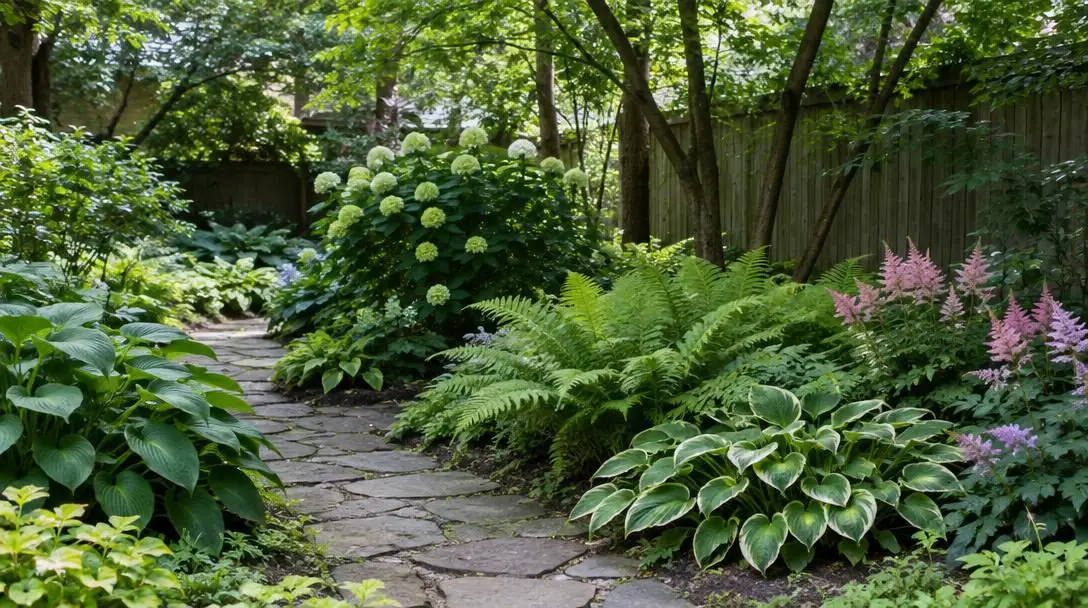
Gardening is widely celebrated as an effective way to beautify your home, alleviate stress and anxiety, and build a meaningful connection with the natural world. However, many residential spaces lack wide, open yards kissed by day-long sunshine. North-facing yards, courtyards hemmed in by masonry walls, and beds sheltered by mature, dense tree canopies present real challenges when establishing a vibrant landscape. Without adequate planning, low-light spaces can easily look sparse, stagnant, or uninviting.
Fortunately, reduced exposure to sunlight does not mean you must forfeit your vision of an outdoor sanctuary. Shade gardens, curated intentionally for spots receiving little to no direct sun, offer an appealing solution. Far from being drab, shaded locations naturally foster lush foliage, dynamic leaf textures, and exquisite flowering displays that can easily match the beauty of sun-drenched borders when paired with the proper plant selections and cultural care.
Key takeaways
- Shade varies dramatically between filtered, dappled illumination and heavy, deep obstruction beneath buildings or thick evergreens.
- Combining reliable perennials, vivid annuals, and structural shrubs creates layered, multi-season interest in low-light environments.
- Rich, organic soil that balances moisture retention with dependable drainage is essential for woodland and shade-loving species.
- Under mature tree canopies, gardeners must account for dry shade created by aggressive root competition.
- Hardscape accents such as light-colored paths, river rock, and gentle water fountains dramatically brighten dimly lit landscape zones.
Understanding Shade Environments and Growing Conditions
To establish a flourishing landscape in low-light conditions, it helps to observe how wild forest floors operate. In nature, shaded ground sits beneath an overhead canopy where temperatures stay cooler, direct solar intensity softens, and atmospheric moisture evaporates far more slowly from the earth. The plants adapted to these woodland understories tend to produce broader leaves equipped to gather diffused light effectively. Translating these forest mechanics into your backyard beds begins with analyzing your garden's exact light patterns.
Shade is not uniform, and distinguishing between different exposure levels is vital. Dappled shade occurs when light filters through loose overhead branches or open latticework, continually shifting across the ground throughout the day. Conversely, deep shade exists where dense, evergreen foliage, clustered trees, or solid structural walls block direct and indirect light almost entirely. Installing a specimen that requires dappled brightness into dense shade will inevitably lead to thin, stretched growth and few blossoms.
Soil quality dictates how well your plants adapt to low light. The vast majority of shade-tolerant flora thrive in ground that is rich in organic matter and well-drained. In a forest setting, decomposing leaf litter continually replenishes soil nutrition, creating a light, crumbly texture that holds just enough moisture while allowing surplus water to move away freely. Recreating this spongy composition in garden beds protects delicate root systems from rotting in slow-drying soil.
Shaded garden beds are not barren limitations, but opportunities to craft lush, layered retreats filled with varied leaf forms and serene color.
Reliable Perennials for Long-Term Structure
Perennials form the dependable backbone of any low-maintenance shade border. Because their root structures survive the winter months underground, they return reliably with fresh foliage and blossoms each spring, growing more established year after year.
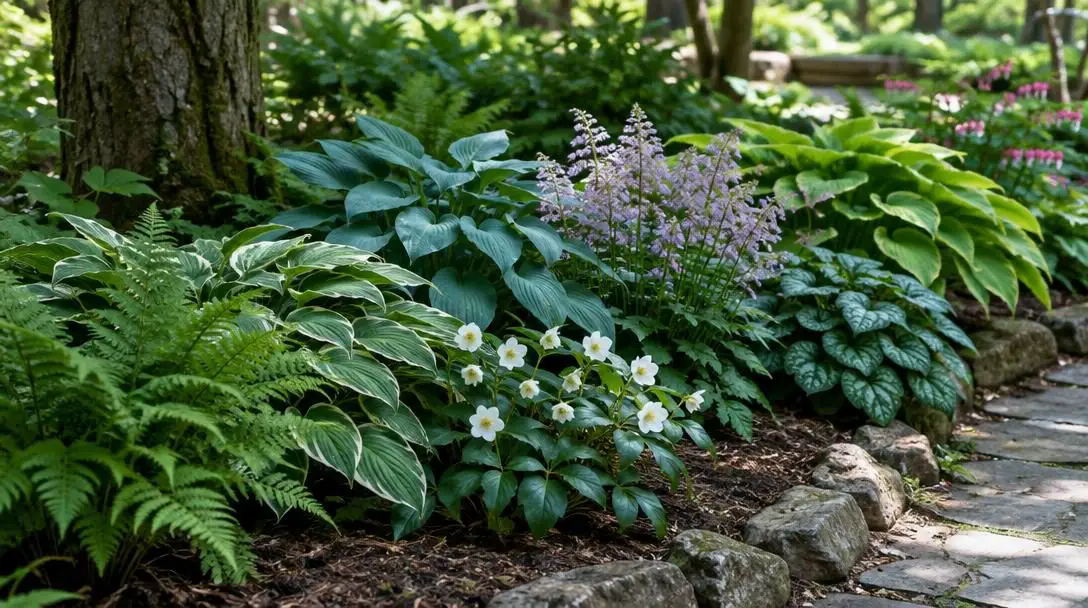
Hostas
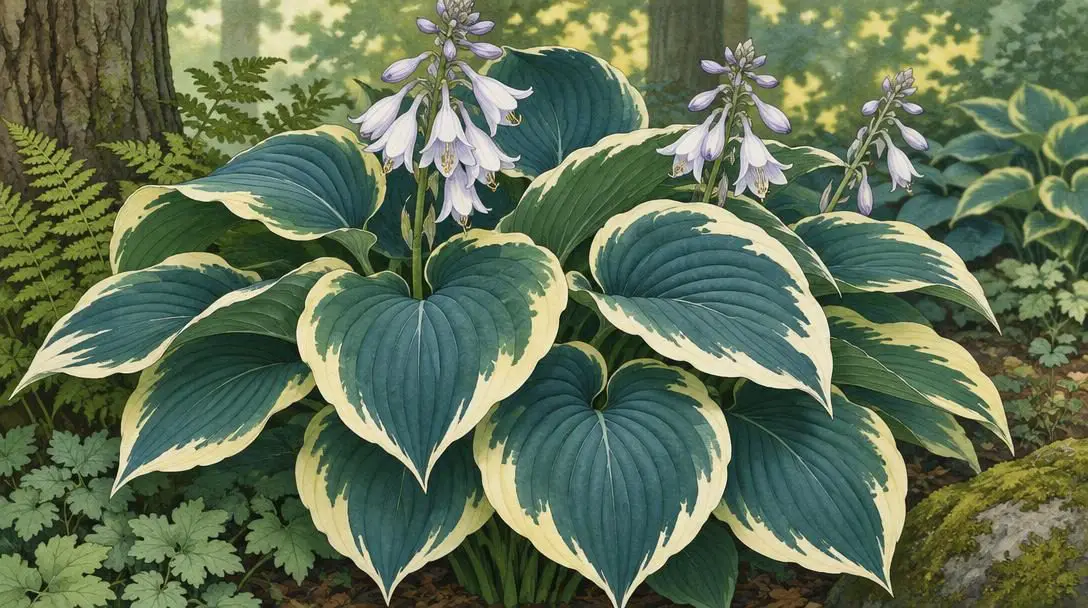
- Distinction: Cornerstone shade perennial celebrated for large leaves
- Foliage range: Greens, blues, and variegated margins
- Care level: Exceptionally easy to grow with minimal maintenance
Hostas are universally recognized as a foundational plant for darker garden plots. Valued primarily for their generous, decorative foliage, these plants produce broad leaves that range from subtle sea-greens and deep powder-blues to varieties with striking creamy margins. Their dense mounding habit fills empty spaces beneath taller plantings, suppressing weed growth while demanding very little upkeep once their roots take hold.
Ferns
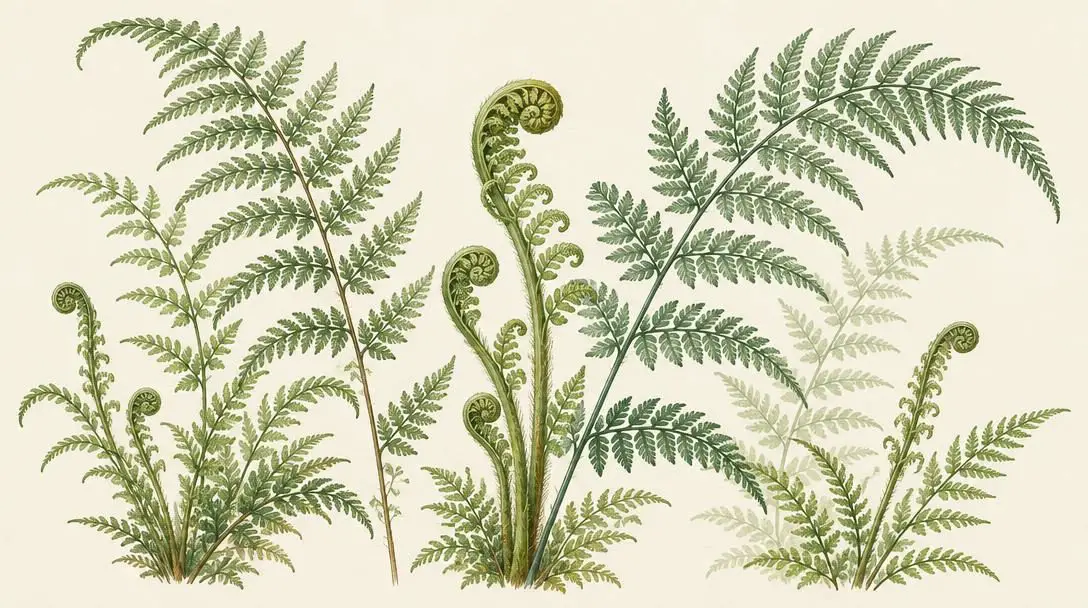
- Texture: Delicate and airy
- Landscape role: Softens hard elements and brings a woodland look
- Variety: Diverse sizes and architectural shapes
Ferns contribute a light, feathery grace that breaks up the dense, heavy appearance of broader shade plants. Available in many different shapes and growth habits, ferns soften sharp architectural borders, tree trunks, and stone edging while reinforcing the natural, organic feeling of a quiet woodland hollow.
Astilbes
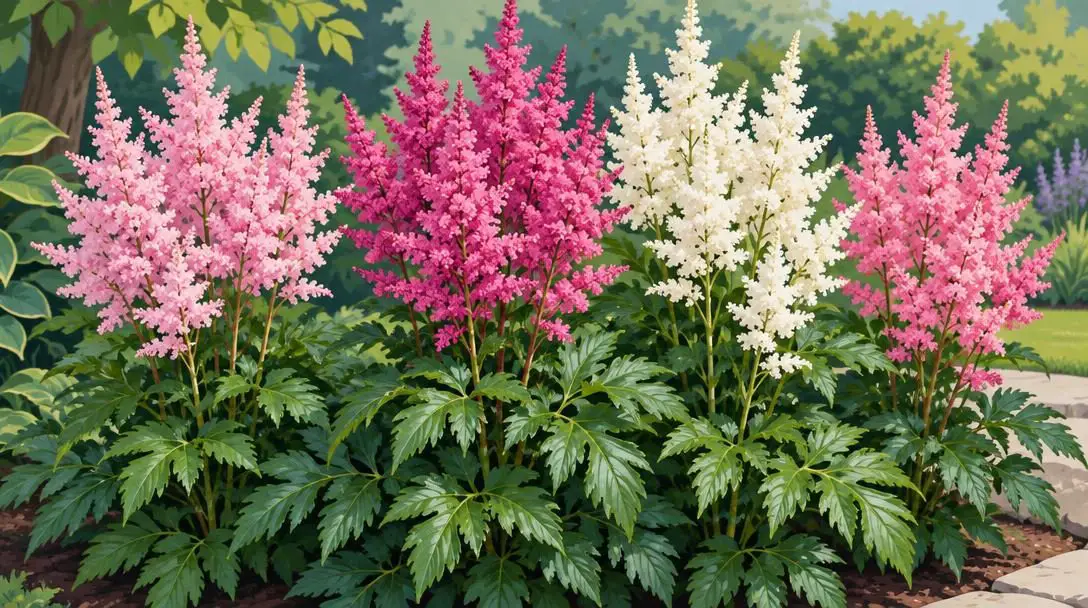
- Bloom feature: Showy, feathery floral plumes
- Color choices: Diverse range of hues
- Garden function: Adds vertical height and vivid interest
Gardeners seeking eye-catching floral architecture often turn to astilbes. Their upright, feathery flower panicles rise high above glossy mounds of dissected foliage. Astilbes inject bursts of vivid color into damp, shaded corners, providing a strong vertical counterpoint to lower, spreading groundcovers.
Bleeding Hearts
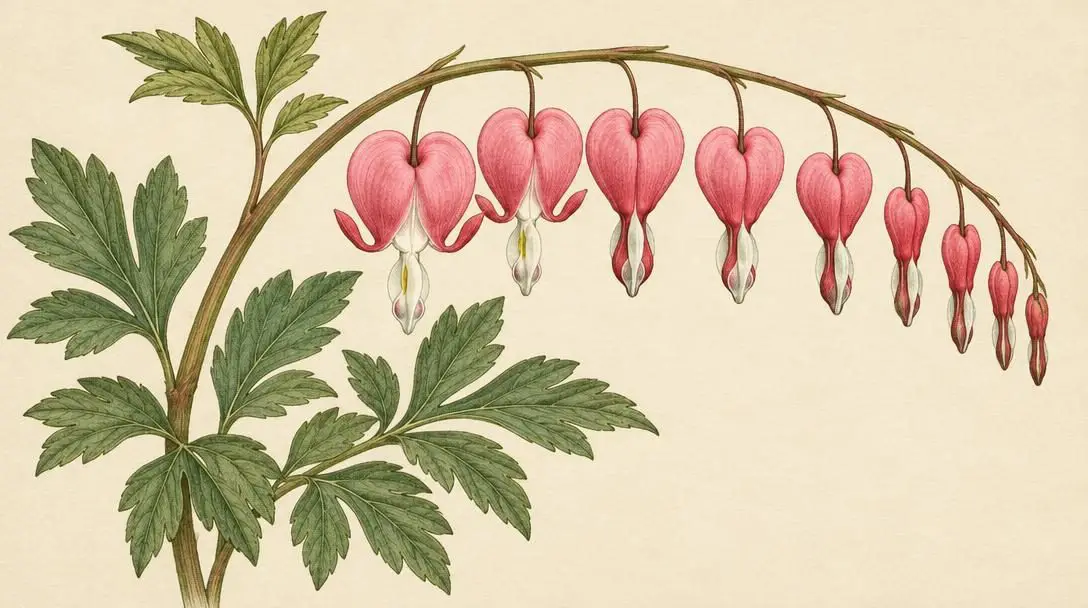
- Bloom shape: Delicate heart-shaped flowers on arching stems
- Color range: Pink or white
- Flowering period: Mid to late spring
Bleeding hearts bring a classic, romantic quality to the springtime garden. Their distinct, dangling blossoms hang gracefully in rows along arching, slender stems. Paired with soft, cut-leaf foliage, these plants produce an unmistakable seasonal display before summer temperatures set in.
Heucheras
- Common name: Coral bells
- Primary appeal: Diverse, colorful foliage tones
- Visual value: Sustained color throughout the growing season
Also known as coral bells, heucheras are celebrated for their dazzling spectrum of leaf tones. While they produce delicate flower spikes, gardeners prize them most for their multi-toned leaves, which supply intense, dependable color from spring through autumn without depending on open blooms.
Colorful Annuals for Vibrant Seasonal Displays
While perennials establish permanence, annuals deliver unrelenting color throughout the warmer months. These plants complete their growth cycle in a single year, making them ideal for filling gaps, freshening up containers, and providing non-stop summer vibrancy.
Impatiens
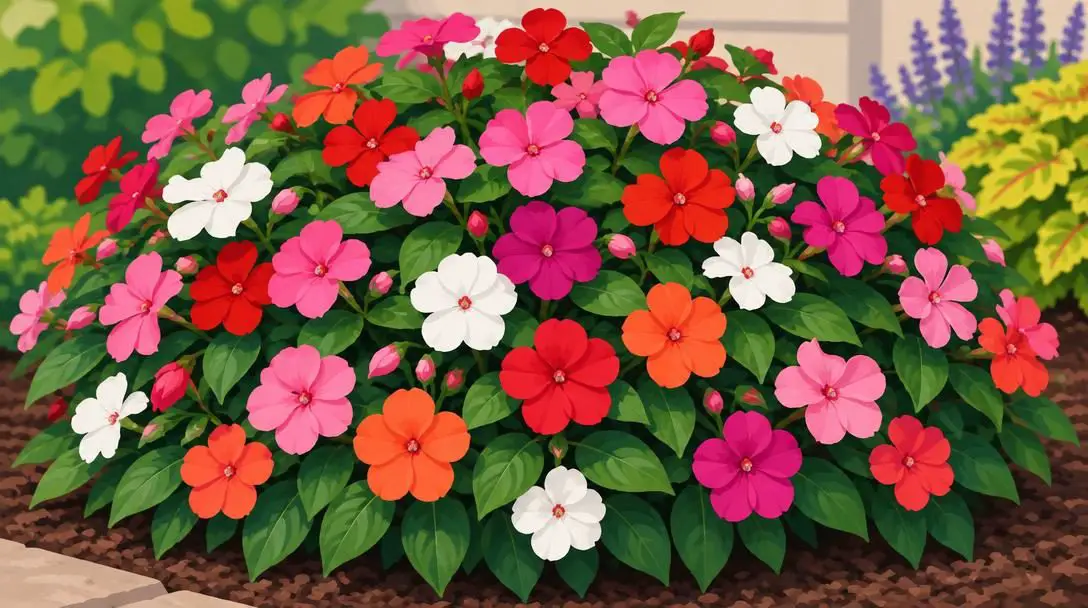
- Bloom duration: Consistently all summer long
- Color choices: Broad range of vibrant shades
- Reputation: Highly dependable performance in shade
Impatiens remain a top choice for low-light beds due to their continuous flowering habit. Capable of thriving in dim environments where other bedding plants falter, they generate abundant blossoms in almost every imaginable shade from late spring until the initial freeze.
Coleus
- Primary asset: Brilliantly colored and patterned leaves
- Growth habit: Bushy foliage without relying on flowers
- Visual effect: High-impact contrast in dim corners
Celebrated for dramatic leaf color rather than petals, coleus brings an electric intensity to shaded beds. Their intricately patterned leaves display kaleidoscopic mixes of color, making them exceptional companion plants for solid-green perennials like hostas and ferns.
Begonias
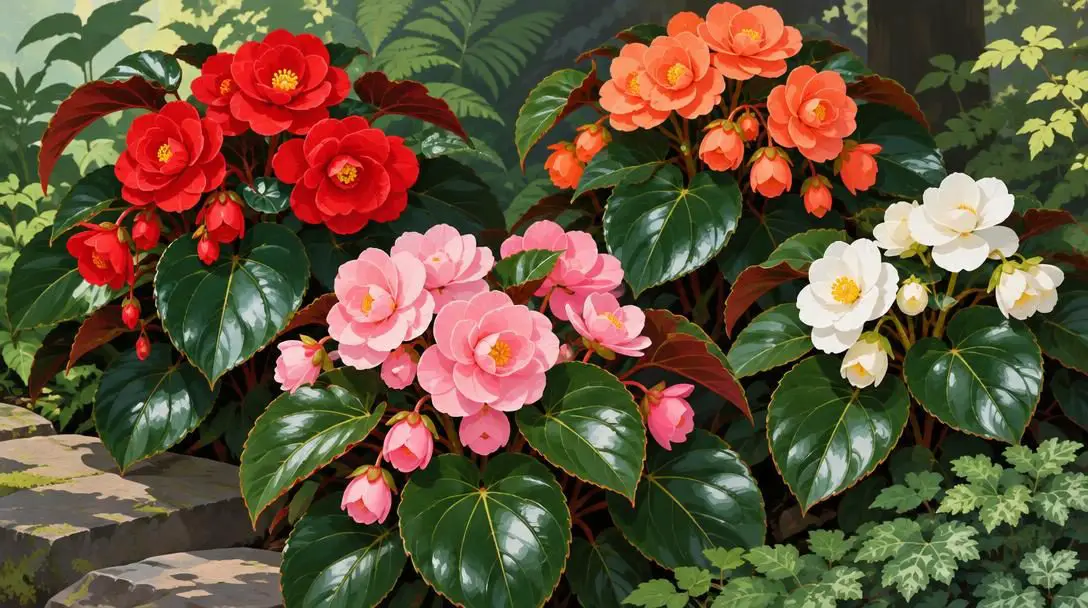
- Flower quality: Bright, showy blooms
- Foliage texture: Glossy, waxy leaves
- Flowering season: Persists throughout the summer
Begonias pair shiny, substantial leaves with vibrant, clean flowers that hold up well in partial to full shade. Because they tolerate varying conditions and resist occasional lapses in watering, they perform equally well in traditional beds, window boxes, and hanging baskets.
Caladiums
- Leaf shape: Large and heart-shaped
- Color pattern: Striking mixes of green, pink, rose, and white
- Design role: Dynamic focal points in shadowed spaces
Caladiums act as architectural highlights in shady borders, drawing the eye with their oversized, heart-shaped foliage. With striking veining and luminous color patches, these tropical foliage plants brighten the dimmest gaps beneath dense shrubbery.
Torenia
- Common name: Wishbone flower
- Floral form: Delicate, trumpet-shaped blossoms
- Palette: Striking, two-toned color combinations
Torenia, or the wishbone flower, offers charming trumpet-like blooms with contrasting throats. It forms neat, spreading mounds that cascade over border stones or container edges, providing delicate color where midday sun never reaches.
Structural Shrubs for Permanent Elevation
Shrubs anchor the garden landscape, establishing a permanent structural boundary, sheltering small wildlife, and giving the yard essential vertical dimensions. The following woody selections flourish without open sun exposure.
Rhododendrons
- Bloom habit: Large, showy flower trusses
- Ideal light: Dappled shade
- Soil requirements: Loose, acidic, well-drained ground
Rhododendrons produce majestic mounds of dark, leathery foliage capped by immense flower clusters in mid to late spring. These woodland natives thrive when sheltered from intense afternoon sun, settling happily beneath tall deciduous canopies where the soil remains loose and acidic.
Azaleas
- Relationship: Closely related to rhododendrons
- Bloom display: Heavy masses of spring blooms
- Color palette: Broad spectrum of intense colors
Closely related to rhododendrons, azaleas blanket their branches in brilliant petals each spring. Their dense, spreading framework makes them an exceptional option for framing walkways, defining woodland boundaries, and injecting intense springtime color under tree canopies.
Hydrangeas
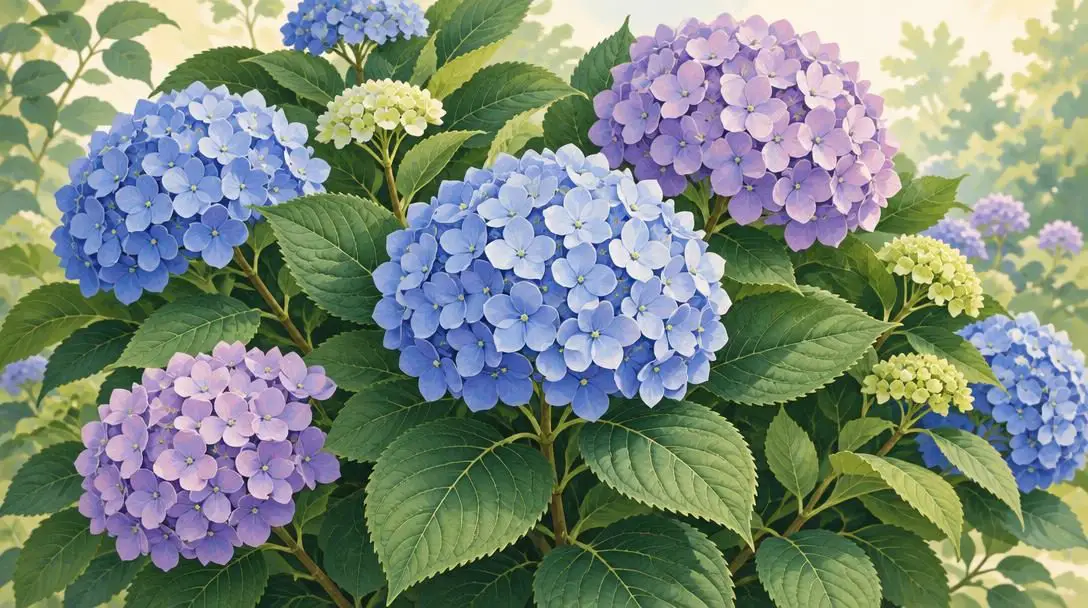
- Flower size: Massive, spherical or conical flower heads
- Bloom period: Persists throughout the summer
- Landscape value: Classic, enduring garden presence
Hydrangeas are beloved worldwide for their dramatic, oversized flower clusters that persist through the heat of summer into early autumn. Their large leaves and substantial frames bring weight and softness to shady home foundations and mixed shrub borders.
Camellias
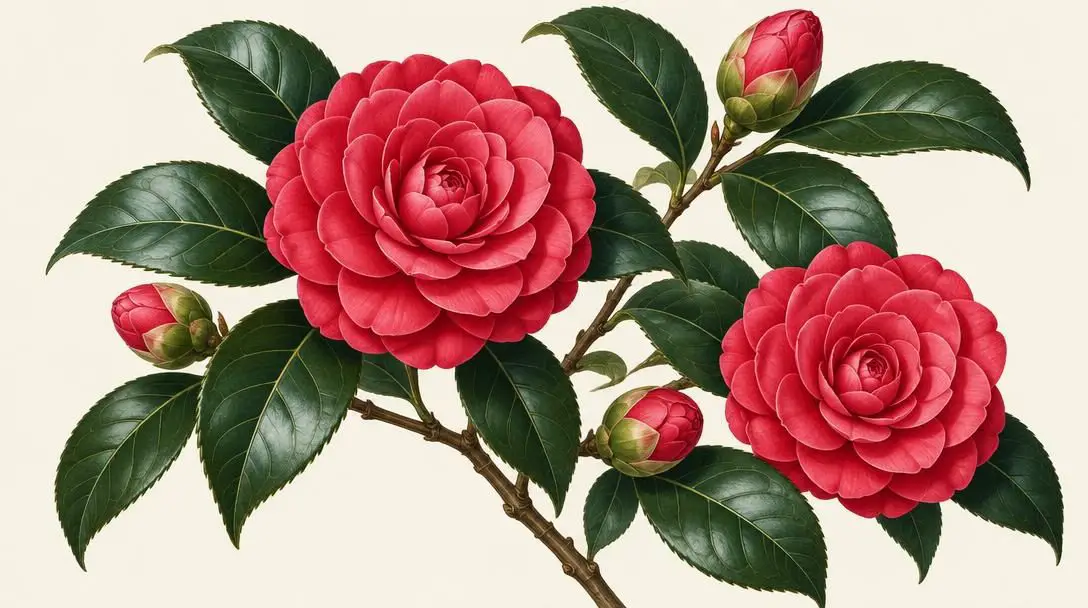
- Bloom season: Winter and early spring
- Flower form: Showy, rose-like floral shapes
- Preferred habitat: Dappled shade with well-drained soil
Camellias shine during the gloomiest months of the year, unfurling formal, multi-petaled blossoms across winter and early spring. Their dark, glossy evergreen leaves offer year-round screening, while their cold-season flowers provide vital color when other plants are dormant.
Pieris
- Common name: Japanese andromeda
- Bloom profile: Showy clusters of urn-shaped spring blooms
- Growing preference: Dappled light and well-drained soil
Pieris, commonly referred to as Japanese andromeda, produces cascading chains of delicate, bell-shaped blooms in early spring. Combined with its attractive, evergreen foliage that often emerges with reddish bronze tinting, it stands out as an exceptional structural accent for sheltered borders.
At a Glance: Comparing Shade Garden Plants
To help you select the ideal combination of growth habits, foliage styles, and bloom times, the table below highlights how key shade-tolerant varieties compare across fundamental characteristics.
| Plant Name | Plant Category | Key Attraction | Primary Season | Light Requirement |
|---|---|---|---|---|
| Hostas | Perennial | Large, variegated foliage | Spring to Autumn | Dappled to Deep Shade |
| Ferns | Perennial | Delicate, airy texture | Spring to Autumn | Dappled to Deep Shade |
| Astilbes | Perennial | Feathery floral plumes | Early to Mid Summer | Dappled Shade |
| Bleeding Hearts | Perennial | Heart-shaped blooms | Spring | Dappled Shade |
| Heucheras | Perennial | Multi-toned leaves | Spring to Frost | Dappled Shade |
| Impatiens | Annual | Prolific flower production | Summer to Frost | Dappled to Deep Shade |
| Coleus | Annual | Vividly patterned foliage | Summer to Frost | Dappled to Deep Shade |
| Hydrangeas | Shrub | Massive flower heads | Summer | Dappled Shade |
| Camellias | Shrub | Winter blossoms | Winter to Early Spring | Dappled Shade |
| Pieris | Shrub | Cascading spring clusters | Early Spring | Dappled Shade |
Step-by-Step Guide to Planting a Shade Bed
Establishing an enduring shade bed requires methodically preparing the planting environment. Follow these chronological steps to give your plants the best start possible.
- Evaluate sunlight exposure: Track light conditions across the planting area over the course of a clear day. Note zones that receive soft, dappled light through high branches versus spots in continuous, deep structural shade.
- Test and amend your soil: Incorporate several inches of compost, shredded leaves, or seasoned organic material into the top layers of soil. This loosens compact clay, improves aeration, and supports moisture drainage.
- Stage your layout: Set potted specimens onto the bed before digging to review your spacing. Position tall shrubs like hydrangeas or pieris at the back, locate medium perennials such as hostas and astilbes in the middle, and place lower annuals near the front border.
- Excavate and plant carefully: Dig holes twice the width of each plant's root ball but identical in depth to their nursery pots. Place specimens level with the surrounding ground, backfill with enriched soil, and tamp down gently to eliminate air pockets.
- Water thoroughly: Soak the entire bed immediately after planting to settle the disturbed soil around the roots. Tailor subsequent watering to moisture needs, providing steady hydration without waterlogging slow-drying areas.
- Spread protective mulch: Lay a two- to three-inch layer of organic mulch across the exposed earth. Mulch insulates cool soil temperatures and retains moisture, but take care to keep it several inches away from direct contact with woody stems.
Common Shade Gardening Pitfalls to Avoid
Gardening in dim conditions comes with a unique set of challenges. By recognizing these common mistakes early, you can save valuable time and prevent plant loss.
- Treating all shade identically: Placing plants that prefer gentle, dappled light into deep, architectural shade often stops flowering entirely and causes plants to stretch weakly toward light sources.
- Overlooking drainage issues: Because shaded ground avoids baking in the sun, water stays in the soil longer. Heavy soil without adequate drainage can cause fungal disease and fatal root rot.
- Misjudging dry shade under tree canopies: It is easy to assume shaded ground is consistently moist, but dense tree root networks rapidly soak up available surface water, leaving neighboring perennials parched.
- Ignoring mature plant dimensions: Failing to plan for mature height and broad foliage spread leads to crowded, tangled beds that restrict airflow and foster mildew.
- Relying on flat foliage textures: Building a bed out of similarly shaped green leaves leads to visual monotony. Always pair broad foliage with feathery, fine-textured varieties and vibrant leaf margins.
Enhancing Shady Spaces with Hardscaping and Water
Plant material represents only part of a successful low-light garden. Integrating thoughtfully chosen non-plant elements can brighten dim corners, reflect ambient illumination, and create an inviting woodland atmosphere throughout the seasons.
Light-colored materials are especially effective in shaded zones. Incorporating crushed pale gravel, light stone flagstones, or smooth, light-toned river rock into paths and edging helps catch and bounce whatever indirect light reaches the area. Similarly, placing pale stone benches, decorative light-colored urns, or painted garden sculptures provides striking focal points that shine against deep green woodland backdrops.
Water features harmonize naturally with shaded environments. The gentle, bubbling sound of a small stone fountain or circulating birdbath enhances the tranquil, meditative quality of a cool garden alcove. These accents also remain visually striking in winter, maintaining strong focal interest after deciduous shrubs drop their leaves and annual plantings fade.
Frequently asked questions
Can flowering plants actually bloom in full shade?
Yes. Many species, including impatiens, begonias, torenia, and astilbes, produce beautiful blossoms in filtered and shaded environments. However, most flowering plants need at least dappled or indirect light to produce buds; deep, pitch-dark shade will substantially reduce flower counts.
How can I tell the difference between dappled shade and deep shade?
Dappled shade consists of shifting, broken patches of soft light that filter through overhead branches or trellises. Deep shade is constant, heavy darkness found under thick evergreens or along the base of tall, windowless structural walls where direct and indirect light rarely enter.
Why do plants dry out when they are planted under large shade trees?
Large tree root systems absorb vast amounts of water from the top layers of soil. This phenomenon, known as dry shade, starves smaller companion plants of essential moisture even though they are sheltered from the direct heat of the sun.
Do shade gardens require less water than full-sun gardens?
Generally, shade beds lose water to surface evaporation far more slowly than beds exposed to full sun. However, water requirements vary by species and location: open shade beds stay moist longer, but plantings competing with mature tree roots may dry out very quickly.
How do I prevent my shade garden from looking dull and monochromatic?
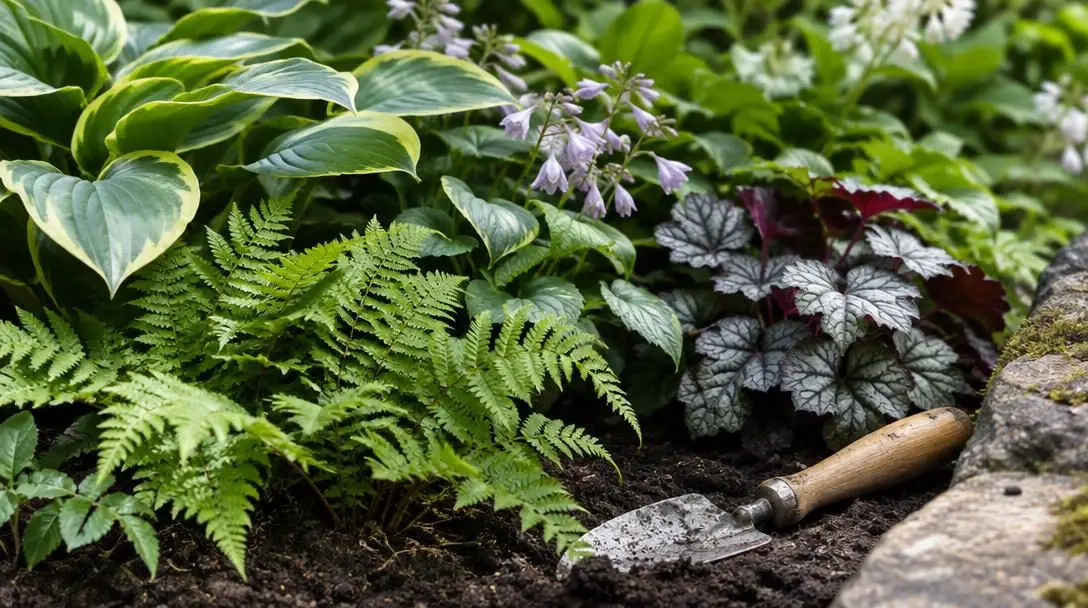
Combine contrasting foliage textures and variegated leaf patterns. Mix large, broad leaves like hostas and caladiums with fine, feathery ferns and the vibrant tones of heucheras or coleus to sustain rich visual interest without relying solely on flowers.
The bottom line
Transforming a dimly lit, shadowed expanse of your yard into a captivating garden is one of the most rewarding projects a home gardener can undertake. Rather than viewing low-light exposure as a creative limitation, embracing the natural dynamics of woodland habitats allows you to build a peaceful, cooling sanctuary that thrives throughout the seasons.
By blending architectural shrubs like hydrangeas and camellias with enduring perennials and energetic annuals, you can craft a deeply textured landscape full of life and color. With careful soil preparation, accurate assessment of your lighting levels, and thoughtful hardscape additions, your shaded landscape will mature into a lush, thriving haven for years to come.