The Best Recipes for Cooking with Mushrooms
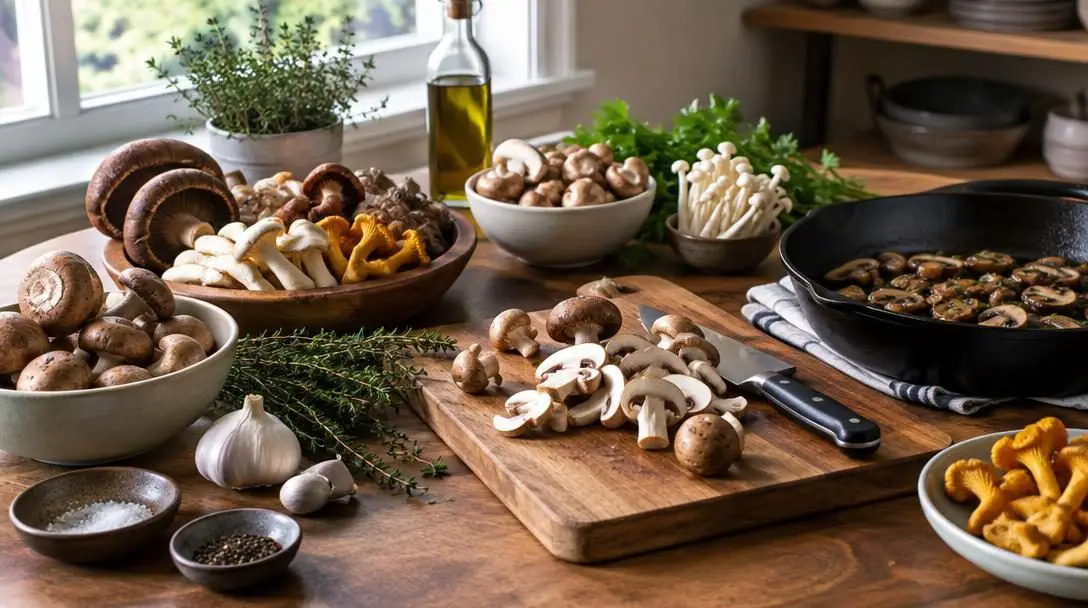
Mushrooms hold a distinct and revered space in culinary traditions across the globe, functioning effortlessly as hearty meat substitutes, savory aromatic bases, and delicate textural garnishes. From sweet and delicate profiles to deep, earthy, and distinctly meaty characteristics, their diverse flavors allow home cooks to build satisfying meals across breakfast, lunch, and dinner. Because mushrooms provide substantial textures alongside dense nutritional benefits, culinary cultures have long relied on them to anchor complex broths, baked pastries, and comforting grain dishes.
Mastering mushroom cookery requires an understanding of how distinct varieties behave over heat and how their high natural moisture content impacts browning. By learning how to select, clean, slice, and sauté these forest-grown ingredients, cooks can avoid common kitchen missteps like sogginess and scorching. Whether featured in a time-honored Italian risotto or transformed into a plant-based centerpiece, mushrooms reward proper technique with unmatched savoriness and depth.
Key takeaways
- Different mushroom varieties offer distinct culinary profiles, ranging from the mild subtlety of white buttons to the smoky intensity of shiitakes.
- Allowing internal moisture to fully evaporate from the pan is necessary for mushrooms to brown properly and unlock rich umami notes.
- Proper prep requires wiping caps with a damp cloth and storing them in breathable paper rather than submerging them in water or trapping them in airtight plastic.
- Mushrooms seamlessly replace animal proteins in comforting classics like stroganoff, shepherd’s pie, and grilled burgers without losing structural heartiness.
- Combining multiple mushroom species in single recipes creates layered dimensions of flavor and varied textural contrast.
Essential culinary mushroom varieties and their profiles
Every mushroom variety brings a specific moisture balance, density, and flavor intensity to the cutting board. Choosing the correct type ensures that your dish achieves the intended mouthfeel, whether you require a durable cap that can withstand the heat of an outdoor grill or a tender cluster that wilts gently into warm noodles.
| Mushroom Type | Flavor Profile | Texture | Ideal Culinary Applications |
|---|---|---|---|
| Button | Mild, subtle, earthy | Soft, tender | Everyday sautés, pasta sauces, fillings |
| Cremini | Rich, earthy | Firm, resilient | Slow-simmered dishes, soups, risottos |
| Portobello | Deeply savory, meaty | Dense, substantial | Grilling whole, stuffing, vegetarian burger patties |
| Shiitake | Smoky, intensely savory | Chewy, meaty | Stir-fries, pan dishes, broths and stocks |
| Oyster | Delicate, sweet | Velvety, soft | Quick skillet sautés, noodle dishes |
| Enoki | Mild, crisp | Slender, crunchy | Fresh salads, light warm garnishes |
Button mushrooms
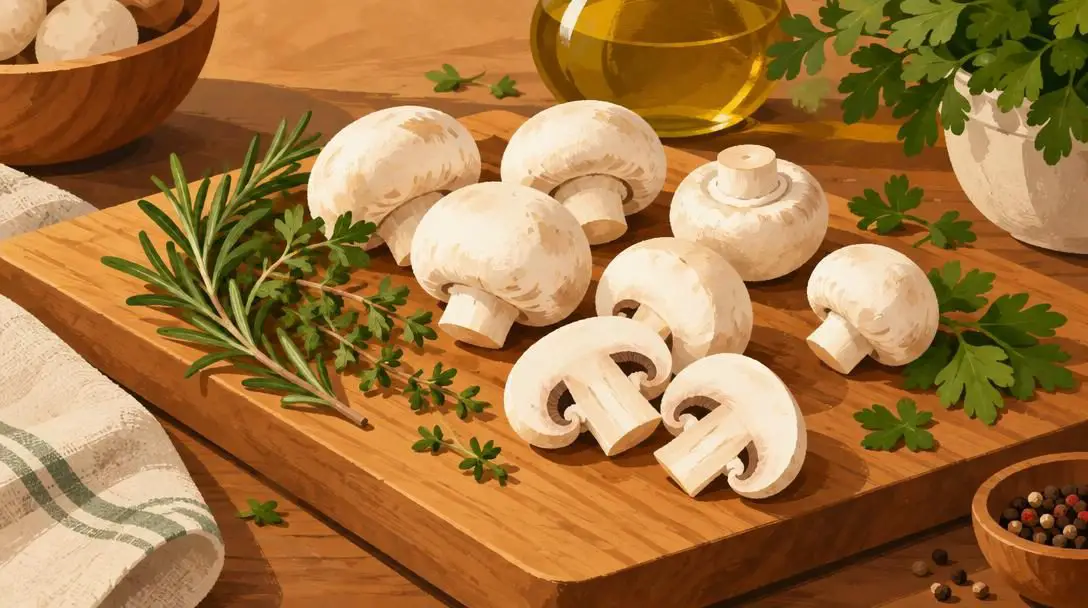
- Flavor: Mild and earthy
- Texture: Tender and yielding
- Best used for: Pasta sauces, sautés, and fillings
Button mushrooms represent the most widely consumed variety in everyday household cooking. Because their flavor is exceptionally gentle and unobtrusive, they blend seamlessly into complex sauces, egg scrambles, and casserole fillings without overpowering companion ingredients. When thinly sliced and sautéed quickly, their caps turn tender while soaking up the aromatics of garlic, herbs, and cooking fats.
Cremini mushrooms
- Flavor: Rich and earthy
- Texture: Firm and dense
- Best used for: Slow-cooked stews, braises, and risottos
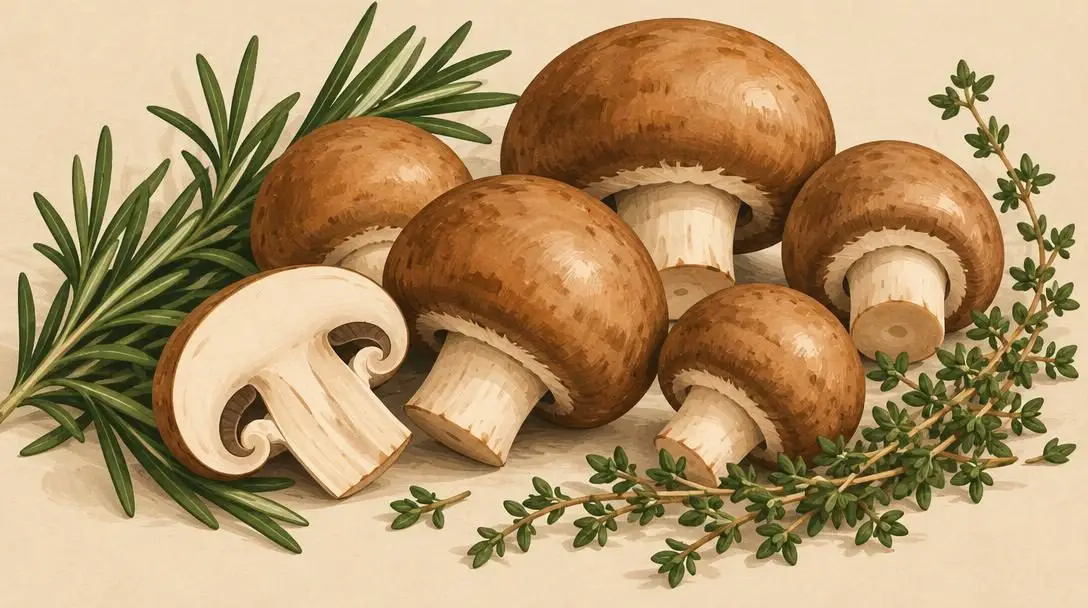
Often recognized by their tan or pale brown caps, cremini mushrooms are harvested at an intermediate stage of maturity compared to standard white buttons. This extra development gives them a noticeably deeper color, a firmer structural density, and a more pronounced earthiness. They hold their shape exceptionally well through extended simmering, making them an ideal candidate for slow braises, rich grain dishes, and savory baked pastas.
Portobello mushrooms
- Flavor: Meaty, robust, and savory
- Texture: Dense and fibrous
- Best used for: Grilling whole, stuffing, and burger substitutes
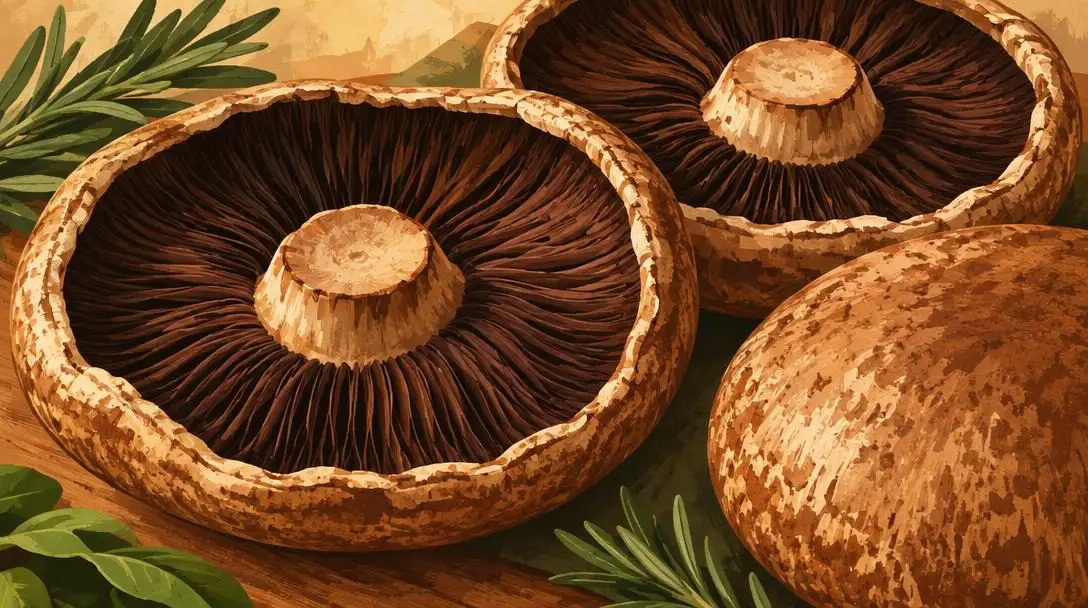
Representing the fully matured form of the cremini species, portobello mushrooms feature wide, open caps with exposed, deep brown gills. Their impressive surface area and thick, muscular flesh make them a premier alternative to beef in vegetarian cooking. Portobellos hold up remarkably well under direct high-heat grilling, making them a natural choice for whole-cap burger patties, roasted vegetable platters, and breadcrumb-stuffed party starters.
Shiitake mushrooms
- Flavor: Smoky and umami-rich
- Texture: Chewy and hearty
- Best used for: Garlic sautés, soy sauces, broths, and pan meals
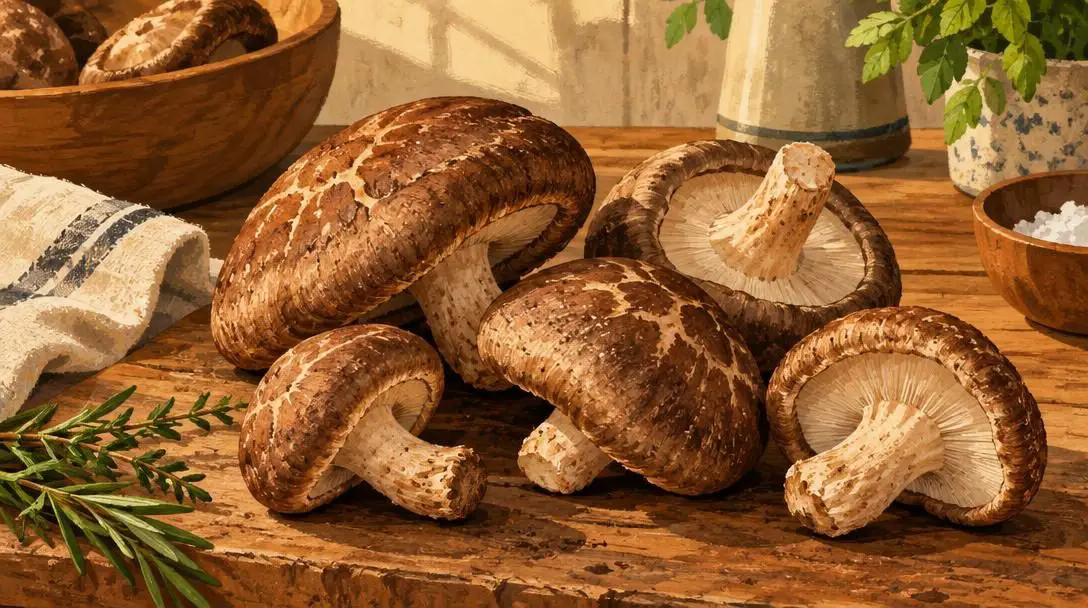
Known for their umbrella-like caps and woody stems, shiitake mushrooms deliver an unmistakable smoky and savory depth. They pair exceptionally well with aggressive, aromatic seasonings such as minced garlic, freshly grated ginger, and fermented soy sauces. When simmered into vegetable broths or seared in smoking pans, shiitakes impart a concentrated savoriness that mirrors the heartiness of cured meats.
Oyster mushrooms
- Flavor: Delicate and subtly sweet
- Texture: Soft, thin, and velvety
- Best used for: Skillet tosses, stir-fries, and noodle dishes
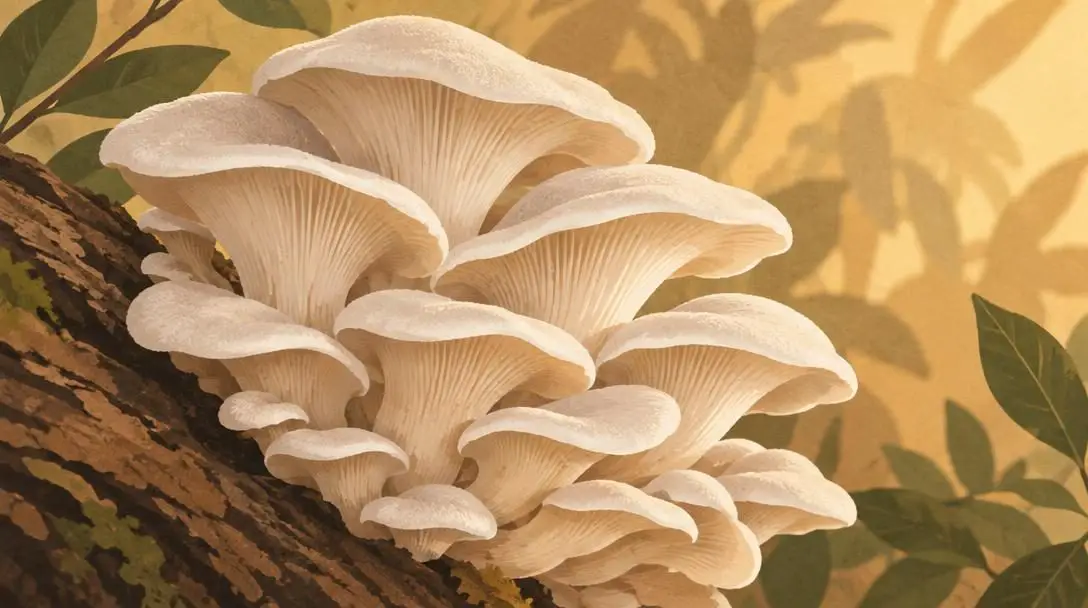
Characterized by their fan-shaped, petal-like caps that grow in overlapping clusters, oyster mushrooms are prized for their subtle sweetness and fragile anatomy. Unlike denser forest varieties, oyster caps cook in mere minutes, softening into a velvety consistency that clings beautifully to saucy noodle preparations and fast wok stir-fries. Prolonged boiling can cause them to lose their delicate charm, so gentle pan heat is best.
Enoki mushrooms
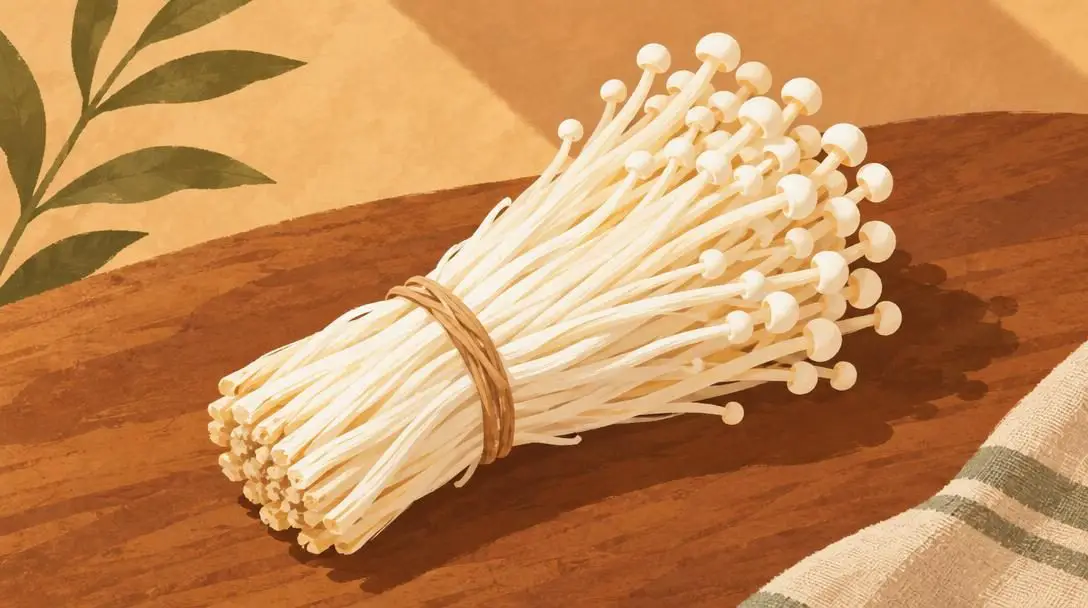
- Flavor: Light and refreshing
- Texture: Slender, crisp, and crunchy
- Best used for: Raw salads and lightly warmed finishes
Sold in compact bundles of long, thread-like white stems crowned by tiny button caps, enoki mushrooms provide an unexpected textural crunch. While most mushrooms are cooked thoroughly to break down their rubbery structure, enokis are frequently tossed raw into crisp greens or added to boiling broth at the very last moment before serving to preserve their snappy bite.
The science of cooking mushrooms: heat, water, and umami
Cooking with mushrooms is an exercise in controlling moisture and surface heat. Raw mushrooms are structured like microscopic sponges, composed of a cellular matrix that retains vast amounts of internal liquid. When exposed to heat on a stovetop, their cell walls break down and promptly dump this trapped liquid directly onto the metal surface.
Allowing all internal liquid to fully boil off before introducing finishing fats is the essential secret to achieving caramelized edges and savory umami depth.
If a cook panics when this fluid emerges and removes the pan from the flame, the mushrooms end up boiled and rubbery. Instead, maintaining steady heat allows that pooled liquid to steadily evaporate into the air. Only after the moisture has completely cleared can the natural proteins and carbohydrates interact directly with the dry pan and fats, initiating the browning process that yields complex caramelization and deep umami flavors.
Step-by-step preparation and storage techniques
Proper mushroom cookery starts long before the skillet is heated. Because of their porous cell structure, mushrooms require careful, gentle handling from the grocery aisle to the cutting board to avoid unappealing sliminess or gritty mouthfuls.
- Store inside breathable paper: Place unwashed mushrooms inside a loose paper bag or wrap them lightly in paper towels before chilling in the refrigerator. The paper absorbs ambient humidity while permitting natural air circulation to keep the caps dry.
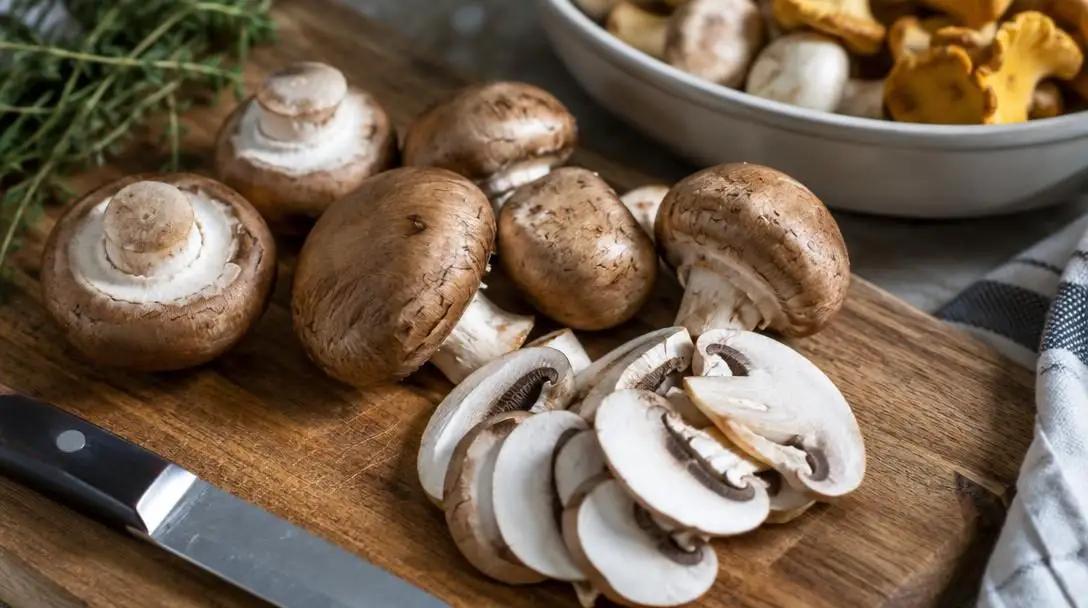
- Wipe clean without soaking: Clean the mushrooms by wiping away loose soil using a slightly damp cloth or paper towel. Avoid running them under the faucet or submerging them in standing water, as their porous flesh will absorb liquid like a sponge.
- Trim woody portions: Separate the stems from the caps, particularly on tougher varieties like shiitakes where the fibrous stems remain woody and unpleasant to chew even after prolonged cooking.
- Slice uniformly: Cut the caps into consistent, even shapes so every piece reaches doneness at the identical moment. Halve or quarter small buttons, and cut large portobellos into uniform strips or bite-sized cubes.
- Choose non-stick cookware: Heat a wide non-stick pan over medium to medium-high heat. The spacious surface area gives evaporated water plenty of room to escape, while the slick coating prevents natural starches from welding the delicate caps to the bottom.
- Sauté in uncrowded batches: Arrange the prepared slices in a single, uncrowded layer with space between each piece. Giving them room prevents steam from getting trapped around the mushrooms, ensuring immediate contact with cooking heat.
Classic mushroom recipes for comforting meals
Throughout Western and Mediterranean culinary histories, home cooks have paired the earthy profiles of mushrooms with dairy, wine, starches, and poultry to craft deeply comforting staples.
In a traditional Creamy Mushroom Risotto, arborio rice is gradually cooked alongside white wine and a medley of cremini, shiitake, and portobello mushrooms. As the arborio rice is stirred, it releases rich starches that merge with the reduced wine and mushroom juices. Finishing the risotto with grated Parmesan cheese and heavy cream transforms the starch and wild mushrooms into an unctuous, cohesive porridge where each grain maintains a firm bite.
Poultry also serves as an exceptional partner for earthy fungi, demonstrated perfectly by Garlic Butter Mushroom Stuffed Chicken. Whole boneless chicken breasts are slit horizontally to create a pocket, then packed with a sautéed mixture of mushrooms, minced garlic, melted butter, and Parmesan cheese. As the chicken roasts in the oven, the buttery filling melts outward through the meat, infusing the poultry fibers with garlic and earthy aromatics while keeping the chicken remarkably moist.
For baked Italian comfort food, Mushroom and Spinach Stuffed Shells offer a vibrant vegetarian alternative to meat-filled pasta. Cooked jumbo pasta shells are generously piped with a blended mixture of sautéed mushrooms, wilted spinach, creamy ricotta, and salty Parmesan cheese. Nestled tightly in a baking pan coated with acidic tomato sauce and baked until bubbling, the earthy mushrooms supply structural texture that balances the molten cheeses.
Savory baking finds an ideal expression in a Mushroom and Goat Cheese Tart. This preparation layers sautéed mushrooms over buttery, flaky puff pastry along with creamy goat cheese and fresh sprigs of thyme. During baking, the pastry rises into crisp, golden layers that contrast with the tangy cheese, while the thyme amplifies the forest aromas of the warm mushroom caps. It functions equally well as an elegant cocktail appetizer or a centerpiece for a midday brunch.
On colder days, a pot of Mushroom and Wild Rice Soup delivers warming sustenance. This dish brings together a diverse variety of mushrooms, nutty wild rice, and chopped aromatic vegetables like onions, celery, and carrots. Simmered slowly with bay leaves and sprigs of fresh thyme, the mushrooms surrender their color and essence into the broth, resulting in a dark, complex soup rich in savory flavor.
Plant-based and vegetarian recipes featuring mushrooms
Because mushrooms feature a naturally dense, fibrous texture and concentrated glutamic acid, they are indispensable tools for plant-based recipe development. They effortlessly supply the savory weight typically associated with beef or pork.
A fast-cooking staple is the Mushroom and Tofu Stir-Fry, a colorful vegan meal loaded with clean protein. Cubed tofu and whole or sliced mushrooms are cooked over high heat in a wok alongside crisp bell peppers and sweet onions. The ingredients are coated in a glossy sauce composed of savory soy sauce, freshly grated ginger, and minced garlic. The quick, high-heat blast ensures the vegetables maintain a snappy crunch while the spongy tofu and mushrooms soak up the ginger-garlic sauce.
For a cookout favorite, the Portobello Mushroom Burger offers a juicy alternative to ground meat. A whole, stemmed portobello cap is seasoned and grilled over direct heat until tender and slightly charred at the edges. Placed inside a toasted burger bun, the grilled cap is crowned with melted cheese, crisp lettuce, ripe sliced tomato, and creamy avocado, delivering a burger that yields a satisfying, savory bite.
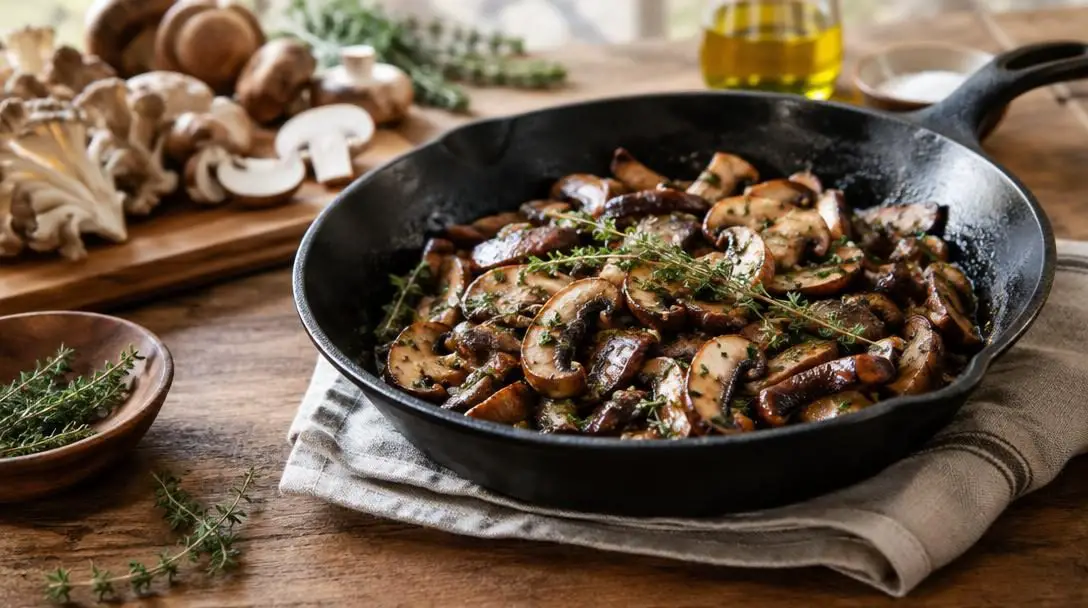
In Russian-inspired cooking, Vegan Mushroom Stroganoff reimagines the traditional beef-laden recipe into a decadent plant-based dinner. A generous mix of sliced mushrooms is caramelized with onions, then simmered into a creamy, dairy-free sauce infused with savory seasonings before being spooned over tender eggless noodles. The dish retains the warming, restorative qualities of the classic comfort meal through the natural umami carried by the mushrooms.
Pasta nights benefit similarly from Creamy Mushroom and Spinach Pasta. Sautéed mushrooms and tender baby spinach leaves are tossed with noodles in a velvety sauce enriched with nutritional yeast. The nutritional yeast contributes a distinct savory, cheesy note that rounds out the sauce without the addition of dairy, making it an accessible, nutrient-dense weeknight meal.
Finally, comfort food takes center stage in a hearty Mushroom and Lentil Shepherd’s Pie. The base layer combines earthy brown lentils, minced root vegetables, and browned mushrooms stewed in a seasoned vegetable stock. Piled high with fluffy mashed potatoes and baked until the peaks turn golden brown, this vegan comfort meal delivers ample protein and fiber beneath a crisp potato crust.
Critical cooking mistakes to avoid
Even veteran cooks run into texture problems when dealing with fresh mushrooms. Evading these frequent procedural missteps will ensure your mushroom dishes retain clean flavors and appealing textures:
- Submerging mushrooms in standing water: Dumping mushrooms into a sink or bowl full of cold water saturates their pores. As a result, the mushrooms release an overwhelming amount of liquid during sautéing, forcing them to boil rather than brown.
- Trapping them in airtight plastic packaging: Leaving store-bought mushrooms tightly sealed inside clear plastic creates humidity. This condensation coats the fungi, generating dark blemishes and a slimy, unpleasant exterior.
- Piling mushrooms too high in the skillet: Overcrowding the pan prevents water vapor from dispersing into the air. The trapped steam accumulates around the mushroom slices, keeping pan temperatures too low to produce golden caramelization.
- Leaving woody stems attached: Leaving fibrous, tough stems on varieties like shiitakes introduces an unpleasantly stringy chew to otherwise tender sautés, tarts, and stir-fries.
- Relying on pans that cause excessive sticking: Mushrooms release starches and sticky juices as they collapse. Sautéing them in improper or untreated cookware can tear their delicate caps before the natural moisture cooks away.
Menu planning and culinary expansion
Once fundamental mushroom cleaning and sautéing skills are mastered, expanding your repertoire involves thoughtful variety selection and culinary pairing. Home cooks can elevate simple meals by understanding how diverse varieties interact within a single recipe.
Combining multiple mushroom varieties within a single dish builds multidimensional textures and tastes. For example, pairing earthy creminis with smoky shiitakes and dense portobellos in a wild rice soup or risotto ensures that every spoonful contains a balance of firm bites and soft, velvety ribbons. Mild varieties construct a subtle background, while wilder caps inject bursts of intense forest flavor.
It is equally important to align mushroom choice with heat application. Thin, delicate species like oyster and enoki mushrooms wilt almost instantly; they deteriorate when subjected to prolonged braises or intense direct grilling. Conversely, robust portobellos and dense creminis possess the cellular structure required to withstand hours in a slow cooker or minutes over glowing charcoal.
Finally, utilizing mushrooms as a direct bridge to convert classic meat recipes allows families to embrace meatless dining without sacrificing traditional textures. By substituting portobellos into burgers, creminis into shepherd’s pies, and mixed wild varieties into creamy noodle stroganoffs, cooks retain the rich savoriness of family favorites while prioritizing plant-forward nutrition.
Frequently asked questions
Should you wash mushrooms under running water before cooking?
Mushrooms should not be soaked or washed under running water because their spongy tissue absorbs moisture rapidly. Excess water prevents them from searing properly in the pan, resulting in a soggy, boiled texture. Instead, gently wipe dirt away using a damp cloth or paper towel.
How can you prevent mushrooms from turning slimy in the refrigerator?
To avoid sliminess, take mushrooms out of airtight plastic wraps and transfer them to a breathable paper bag or loosely wrap them in paper towels. The paper absorbs excess ambient humidity while permitting continuous air circulation, preserving their firm texture.
Why do mushrooms release so much liquid when sautéed?
Fresh mushrooms contain an exceptionally high percentage of natural water trapped within their cell walls. As heat breaks down those cellular structures, that liquid escapes into the skillet. Cooking over steady heat until the water evaporates is necessary to achieve golden browning.
Do you need to remove the stems from all mushrooms?
While tender stems on common button and cremini mushrooms can be eaten, tough and fibrous stems—especially those on shiitake mushrooms—should be removed before cooking because they remain unpleasantly woody even after simmering.
Can portobello mushrooms fully replace beef in burgers?
Large portobello mushroom caps make an exceptional beef substitute due to their broad surface area, dense chew, and deeply savory profile. When grilled and served on a bun with traditional toppings like cheese and avocado, they provide a hearty, satisfying vegetarian burger.
The bottom line
Mushrooms are among the most dynamic ingredients available to the modern kitchen, easily traversing cultural cuisines, comfort classics, and elevated plant-based dining. Unlocking their full potential simply demands respect for their unique moisture content, thoughtful pan management, and selecting the right variety for the task at hand. By trading sealed plastic for breathable paper bags, swapping water basins for damp towels, and letting trapped pan water boil away before browning, home cooks can reliably produce savory, restaurant-quality mushroom dishes every time.