The Best Time to Harvest Your Garden Vegetables: Tips for Optimal Flavor
There is nothing quite like the flavor of freshly harvested vegetables picked straight from your own garden. Gardeners routinely pour weeks of physical labor into preparing fertile soil, sowing seeds, weeding rows, and protecting tender shoots from pests. Yet the true culinary reward of all that diligent care depends almost entirely on the timing of your harvest. Picking a crop even a few days prematurely or allowing it to linger too long on the vine can blunt its natural sweetness, toughen its texture, and deplete its nutritional value.
Mastering the harvest window requires looking beyond standard calendar dates and tuning in to plant biology. By learning how vegetables transition through their developmental stages and recognizing the sensory cues of peak maturity, you can gather produce at the exact moment when natural sugars, crisp cellular structures, and aromatic compounds reach their zenith.
Key takeaways
- Harvesting crops during their optimal ripening window preserves natural sugars, crisp cellular texture, and essential nutrients.
- Vegetables should be picked based on plant developmental stages, visual colors, and tactile firmness rather than calendar estimates alone.
- Gathering crops in the cool early morning prevents heat-induced moisture loss, wilting, and flavor decline.
- Using clean, sharp harvesting tools prevents vascular tearing and protects remaining plants from infectious garden pathogens.
- Post-harvest storage must match the crop type, from chilled damp wraps for leafy greens to cellar conditions for mature root crops.
Understanding the Plant Growth Cycle
To pinpoint the ideal harvest time for any crop, gardeners must first understand the fundamental plant growth cycle. Every vegetable transitions through four distinct stages, and identifying where a plant sits in this sequence is critical for maximizing culinary quality.
The first phase is seed germination, in which adequate moisture, warmth, and oxygen prompt the embryo within the seed coat to sprout, driving initial roots down into the soil while sending tiny shoots toward the light. Once established, the seedling enters vegetative growth, rapidly developing strong stems, abundant green foliage, and extensive root architectures. During this stage, the plant maximizes photosynthesis to build the structural framework and internal energy reserves necessary for future reproduction.
The third phase is the reproductive stage, during which the plant produces blossoms, sets fruit, and develops seeds. In fruiting vegetables, this redirect of energy represents the focal point of the gardening season. Finally, plants enter senescence, a biological phase of gradual decline and cellular breakdown after seeds mature and the plant's natural life cycle nears its end.
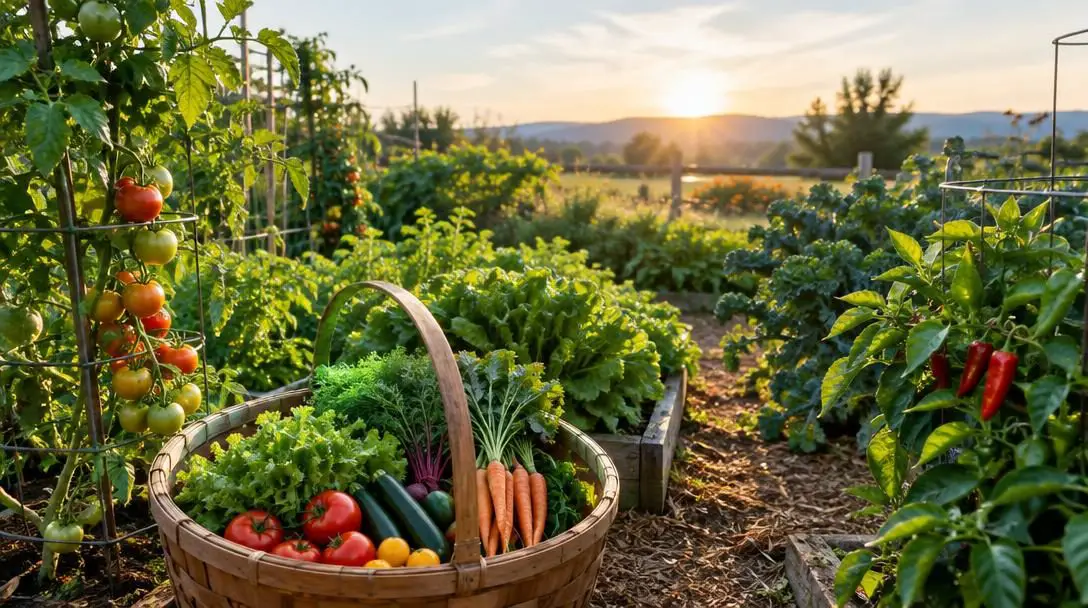
Harvesting at the peak of flavor ensures that the natural sugars, crisp textures, and essential nutrients are preserved.
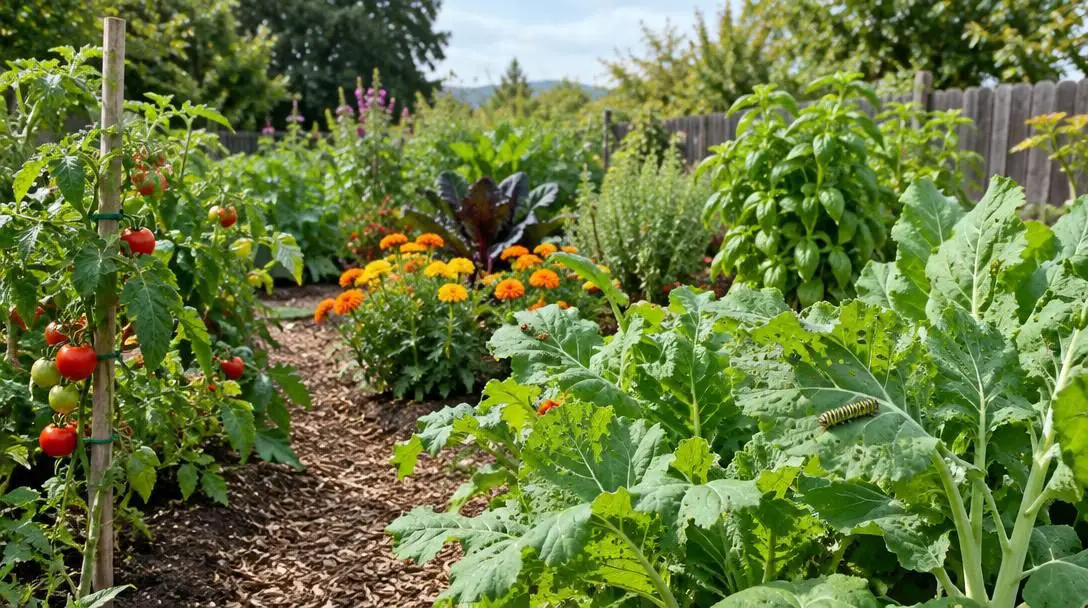
Different vegetables achieve their optimal eating quality at entirely different points in this cycle. Leafy vegetables such as lettuce and spinach must be gathered during their vegetative stage while their foliage remains tender, crisp, and mild. If left in the garden until they enter their reproductive phase, leafy greens develop tough cell walls and accumulate bitter defensive chemicals. Conversely, fruiting crops like tomatoes must reach the reproductive stage, hanging on the vine until the fruit has fully ripened and attained rich, deep pigmentation.
How Plant Growth and Ripening Work
The progression from an immature, developing vegetable to an edible crop involves delicate biochemical shifts. In fruit-bearing crops, internal starches gradually break down into simple sugars, simultaneously balancing organic acids and softening cellular fibers to produce tender flesh and sweet, complex flavor. In leafy vegetables, early development yields crisp, thin cell walls that are exceptionally pleasant to eat. When heat or maturity pushes these greens toward flowering—a process known as bolting—the plant directs its resources toward flower stalks, leaving the remaining leaves leathery and unpalatably sharp.
The pace at which these internal transformations occur is driven by a combination of key factors:
- Environmental factors: Temperature, ambient sunlight, and rainfall directly dictate plant metabolism. Cool weather often slows down growth and prolongs the harvest window, whereas excessive warmth accelerates maturity. High heat can force leafy crops to rush through vegetative growth, while prolonged cloud cover delays the ripening and color development of fruiting plants.
- Type of vegetable: Botanical classification determines whether a vegetable should be harvested immature or fully ripe. Fruit crops require thorough vine ripening, leafy greens demand early picking, and root crops must sit underground until their subterranean storage tissues expand to full size.
- Variety of the vegetable: Even within a single species, individual cultivars exhibit vastly different ripening speeds. Early-season cultivars mature rapidly to suit shorter growing seasons, while late-season varieties take longer to develop complex flavor profiles. Choosing cultivars matched to your regional climate is essential for predictable harvests.
Harvest Profiles for Common Garden Crops
Different garden crops exhibit unique ripening behaviors and require tailored harvesting approaches to capture the best flavor and texture.
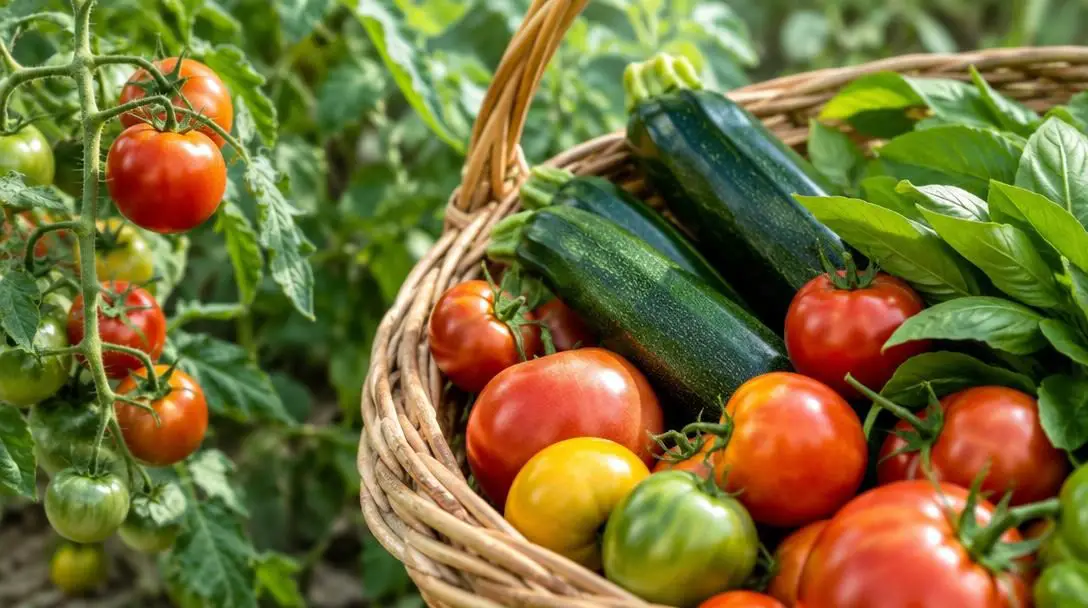
Tomatoes
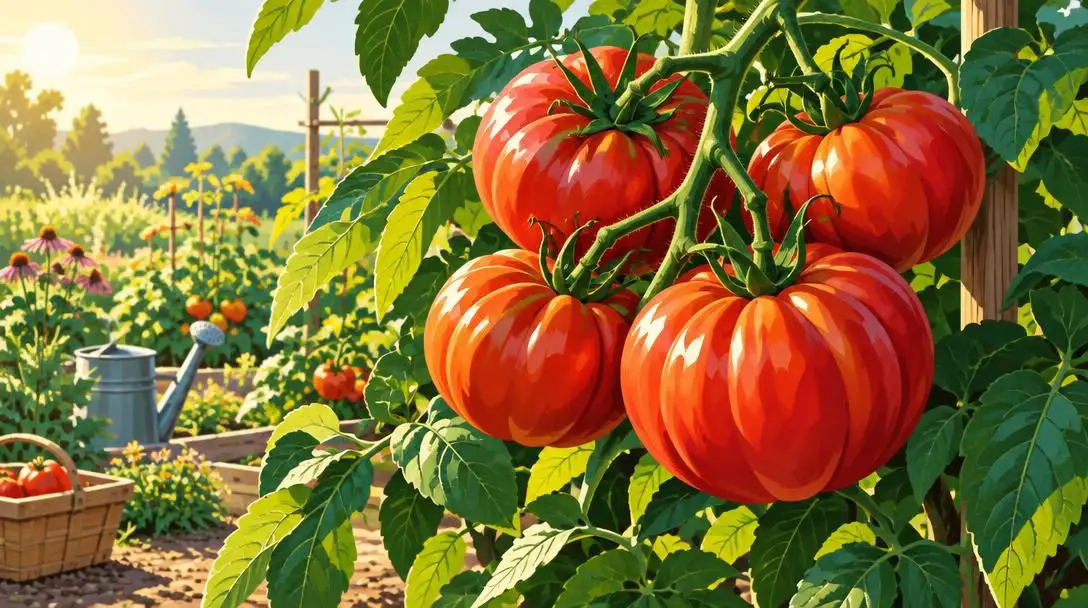
As reproductive crops, tomatoes require substantial sunlight and warmth to transform their internal starches into balanced sugars and acids. They are ready to harvest when they display uniform, deep color across their skin, feel firm yet yield slightly to gentle thumb pressure, and release a fresh, fragrant aroma at the stem. Pulling fruit before full color develops limits flavor, while leaving them on the vine too long invites skin splitting and mealiness.
Cucumbers
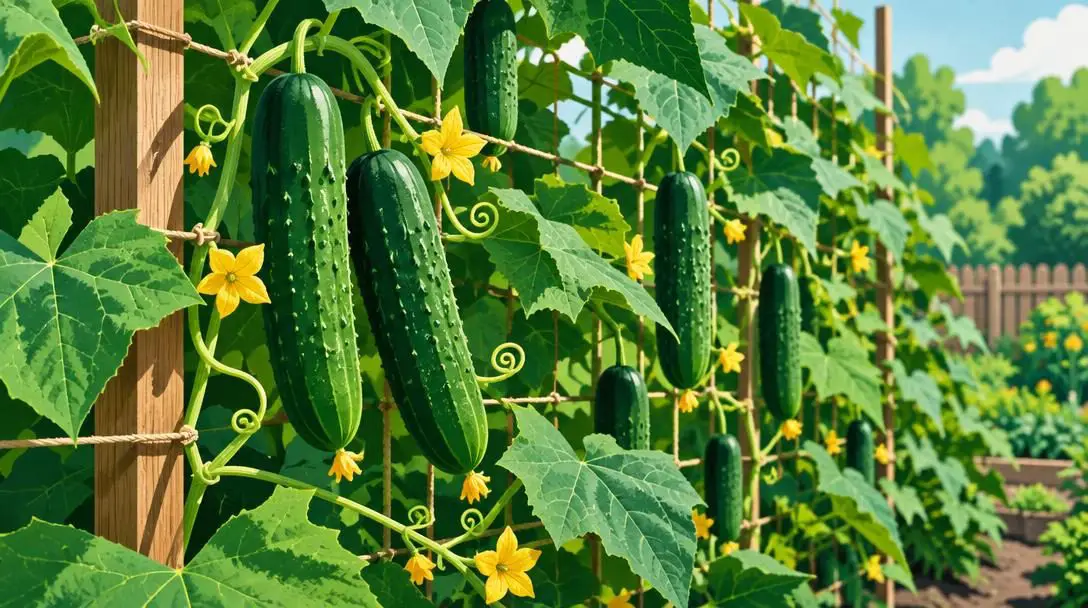
Cucumbers are fruiting vegetables that should be gathered before their interior seeds fully mature. They are at peak quality when they reach a deep, rich green hue and feel uniformly firm and plump along their entire length. If cucumbers are allowed to turn pale yellow or soft, their interior flesh becomes watery, seeds become hard, and the outer skin turns tough and bitter.
Lettuce and Spinach
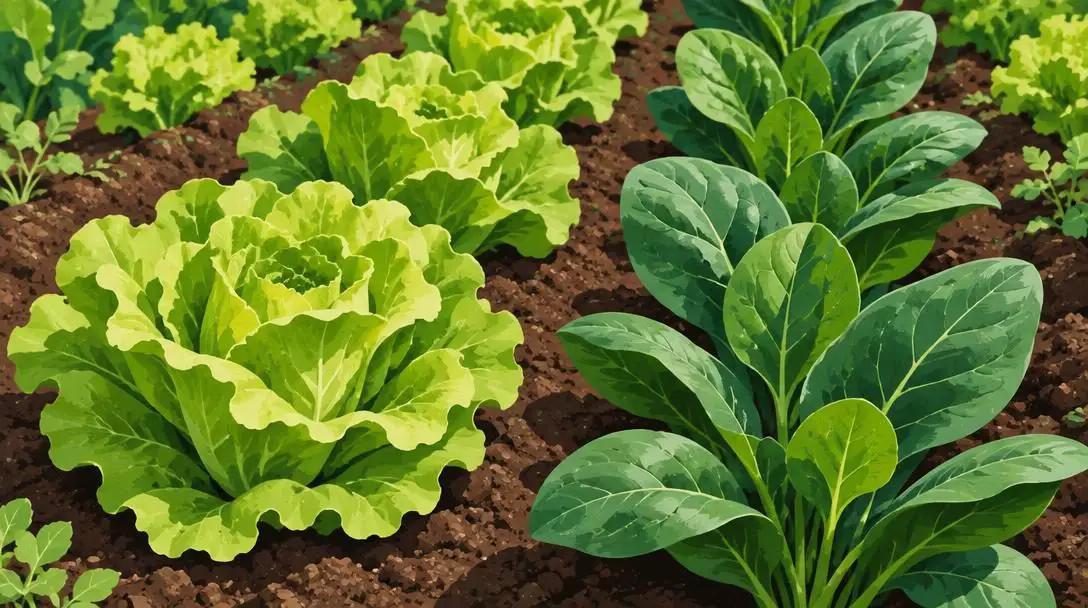
These leafy greens represent the vegetative stage at its most tender. Harvest the leaves while they are young, vibrant, and soft before any sign of an elongated central flower stem appears. Picking them during this early window ensures crisp cellular structure and a mild, refreshing taste free from the harsh bitterness that accompanies reproduction.
Carrots and Turnips
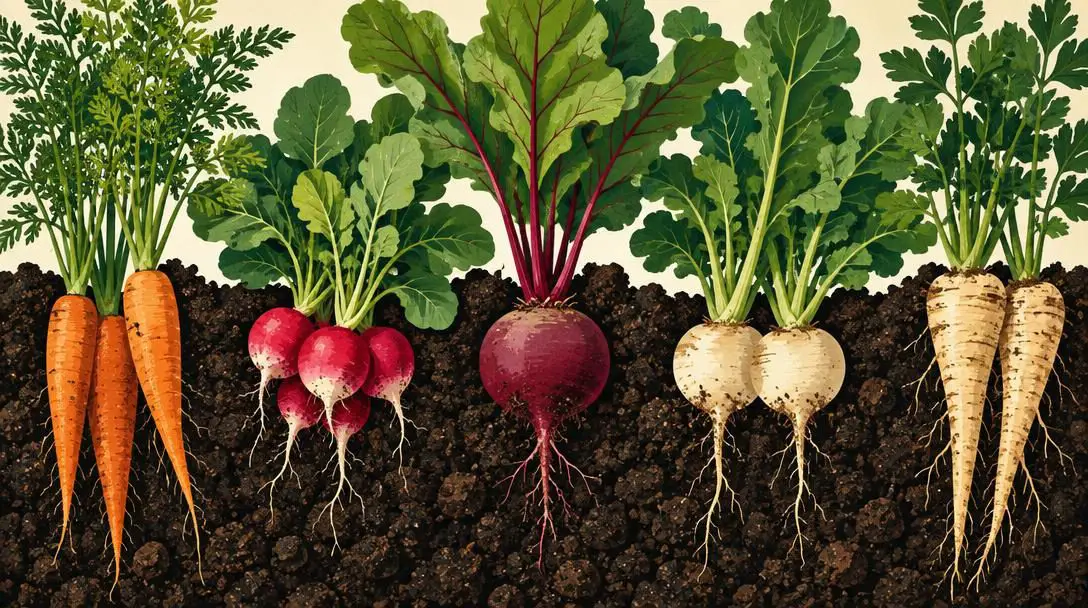
Root vegetables build subterranean energy reserves that swell into edible roots beneath the soil line. They should be pulled once the root tops visible at the soil surface reach their mature diameter and firmness. Leaving root crops in the ground well past maturity causes them to become fibrous, cracked, and woody, stripping away their natural sweetness.
Sweet Corn
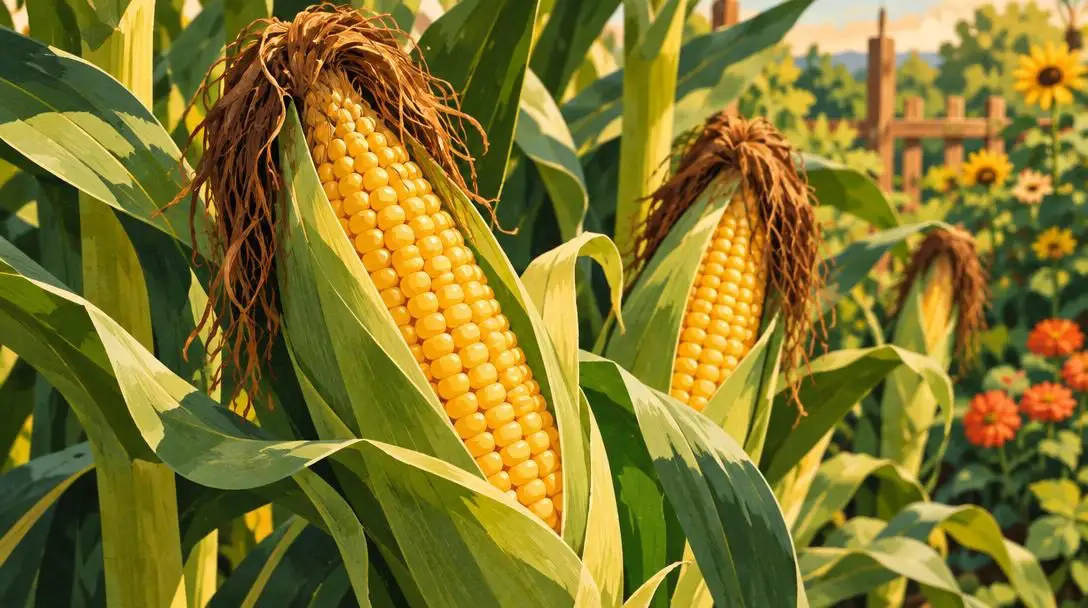
Corn is a warm-season crop that signals peak readiness through distinct physical indicators. Ears are ready to harvest when dark brown silks emerge from the tips of the husks and the ears feel plump, filled out, and blunt at the top. The kernels inside should be fully formed and burst with sweet, milky liquid when gently punctured.
Pumpkins and Squash
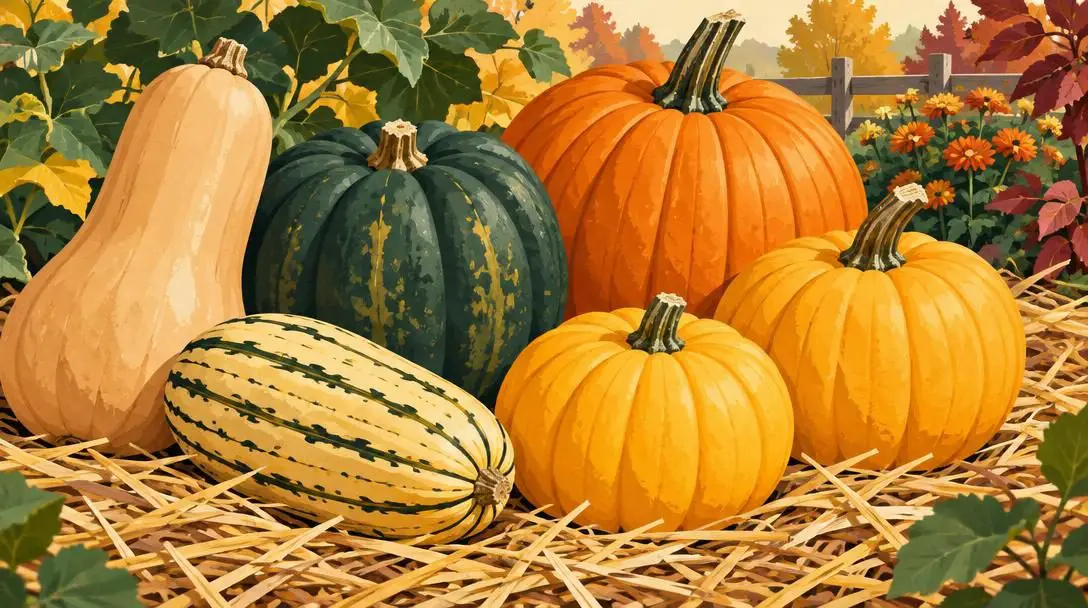
Winter squash and pumpkins require long periods of reproductive growth to build thick protective rinds and dense, sweet interior flesh. They should be harvested when their skin color turns deep and uniform, and the outer rind feels tough and resilient. Because their stems are fibrous and woody, they require clean cuts with a sharp harvesting tool rather than twisting or pulling.
Vegetable Harvest and Storage at a Glance
Matching each crop with its specific harvest indicators, preferred time of day, and post-harvest storage conditions is essential for retaining freshness.
| Vegetable | Plant Stage | Key Ripeness Indicators | Optimal Storage Method |
|---|---|---|---|
| Tomatoes | Reproductive | Uniform deep red or varietal color, firm flesh with slight give | Room temperature until fully ripe; chill only to stop spoilage |
| Cucumbers | Reproductive | Deep green color, firm and plump flesh, immature seeds | Cool refrigeration to preserve crispness and hydration |
| Lettuce and Spinach | Vegetative | Young, tender foliage before central flower stems emerge | Wrapped in damp paper towels inside the refrigerator |
| Carrots and Turnips | Vegetative storage | Mature root diameter beneath soil line, crisp and solid root | Cool, dark environment such as a cellar or pantry |
| Sweet Corn | Reproductive | Dried brown silks at husk top, plump ears, milky kernel fluid | Chilled immediately to prevent sugars converting back to starch |
| Pumpkins and Squash | Reproductive | Deep rind color, hard outer shell, sturdy woody stem | Dry, cool, well-ventilated pantry or root cellar |
Recognizing When Vegetables Are Ready for Harvest
Because weather fluctuations cause seasonal harvest dates to shift from year to year, successful gardeners rely on direct sensory evaluation rather than static calendar timetables to determine peak ripeness.
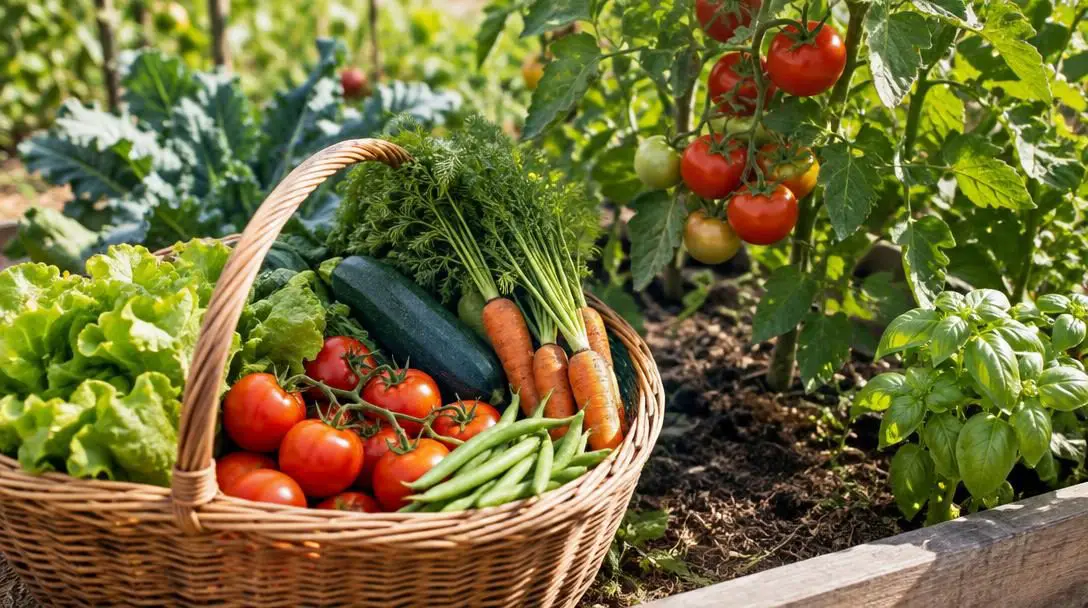
Visual cues serve as your initial indicator. Look for rich, saturated coloration across the vegetable, whether that is the deep red of a vine-ripened tomato or the solid green of a crisp cucumber. Other visual clues include the emergence of dried silks from the tips of sweet corn ears, glossy skins softening into a gentle satin sheen, and fruit calyxes beginning to relax away from the stem.
Touch and texture provide reliable confirmation of internal maturity. A vegetable ready for picking should feel heavy for its size, firm, and plump. Cell walls swollen with water and nutrients create a solid feel. If a vegetable feels unnaturally hard, it has likely not completed its ripening phase and will taste starchy. If it yields excessively, feels spongy, or seems mushy, cellular degradation has begun and the crop is overripe.
Taste testing remains the ultimate test of ripeness. When an entire garden row appears close to maturity, sample a single small vegetable. A ripe crop delivers vibrant sweetness and clean texture, whereas an underripe specimen tastes bland or starchy. Overripe produce often exhibits tough skins, stringy fibers, or bitter flavor notes. Sampling lets you time the bulk harvest with absolute confidence.
How to Harvest and Preserve Peak Flavor
Using proper harvesting mechanics protects both the picked produce and the mother plant, ensuring high quality in the kitchen and continued production in the garden beds.
- Harvest in the early morning: Head into the garden during the cool hours of early morning while the soil and air remain brisk. Overnight, plants replenish their internal moisture, entering the morning plump and fully hydrated. Crops picked during midday heat are under acute thermal stress, losing moisture rapidly and wilting shortly after harvest.
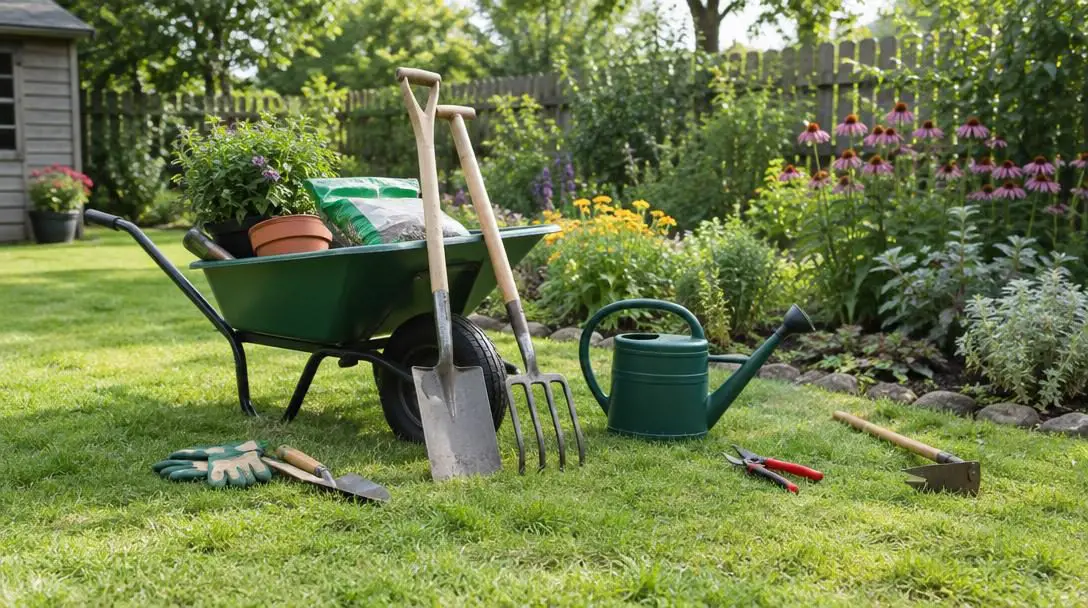
- Select the appropriate tool for the job: Use sharp scissors or precision bypass pruning shears when cutting tender leafy crops like lettuce and spinach. For thick, fibrous stems like those found on pumpkins, winter squash, and mature cucumbers, use a clean, sharp garden knife to produce a single, smooth cut.
- Sanitize your cutting edges: Clean and disinfect your blades between garden beds. Dirty tools can easily transmit soil-borne pathogens, fungal spores, and viral infections from an infected plant into fresh cuts on healthy crops.
- Make precise cuts without tearing: Sever the fruit or leaf cleanly from the main stem, leaving a short stem stub attached where appropriate. Never yank, twist, or rip produce from the plant, as this tears vascular tissues and creates wide wounds that invite decay.
- Implement immediate, proper storage: Move harvested produce out of direct sunlight immediately. Wrap leafy greens in damp paper towels and place them in the refrigerator to keep them crisp. Store root vegetables in a cool, dark location like a cellar or pantry where humidity and temperature stay steady. Keep tomatoes and other warm-season fruiting vegetables at room temperature until fully ripe, refrigerating them only when necessary to forestall spoilage.
Common Harvesting Mistakes to Avoid
Even seasoned gardeners occasionally make critical errors when bringing in their crops. Avoiding these frequent missteps will keep your kitchen stocked with pristine produce:
- Ignoring maturation windows: Leaving leafy greens in the ground past their prime leads directly to bolting, causing the plant to produce bitter, leathery foliage. Similarly, leaving root crops like carrots or radishes in the soil long after they reach full size results in woody, fibrous, or split roots.
- Harvesting under the midday sun: Picking produce in full sunlight and elevated heat triggers high post-harvest respiration. Vegetables gathered under these conditions exhaust their stored sugars quickly and wilt before you can prepare them.
- Tearing branches by hand: Pulling crops roughly from the plant strips away protective bark, snaps productive branches, and leaves jagged stems that open entry points for fungal spores and bacterial blight.
- Poor post-harvest handling: Exposing cool-weather greens to warm, dry air turns them limp within hours, while subjecting immature tomatoes to the refrigerator halts sugar synthesis and turns the interior flesh mealy.
- Neglecting tool hygiene: Moving through the garden with unwashed shears transfers destructive plant diseases across healthy beds, cutting short the productivity of your remaining crops.
Planning Ahead: Harvest Logs and Succession Planting
Harvesting should not simply mark the end of a plant's life; it should inform the future of your entire garden. Maintaining a dedicated harvest log provides invaluable data tailored to your unique growing conditions. Record planting dates, the first appearance of flowers or ripening color, weather patterns, and the exact dates when crops reached peak flavor. Because local microclimates and soil compositions vary widely, these personal notes will prove far more accurate than general seed packet recommendations.
Furthermore, use your harvest timelines to orchestrate succession planting. As fast-growing crops like lettuce, spinach, and radishes complete their vegetative cycle and are harvested, their beds become available. Clearing these beds promptly allows you to plant warm-season crops like beans or cucumbers, or sow late-season root vegetables like fall turnips and carrots. Rotating fresh plantings into harvested spaces keeps your garden soil active, healthy, and productive across multiple seasons.
Frequently asked questions
Why do leafy greens like lettuce taste bitter when harvested late?
Leafy greens turn bitter when they transition from their vegetative growth stage to their reproductive stage. As temperatures rise and daylight increases, the plant begins to bolt, directing its energy into growing a flowering stalk and producing defensive chemical compounds that make the foliage tough and bitter.
What is the best time of day to harvest garden vegetables?
Early morning is the best time to harvest vegetables. During the cool overnight hours, plants absorb moisture and replenish their cells. Picking them in the morning captures them while they are crisp, plump, and fully hydrated, avoiding the heat stress and rapid wilting that occur during midday.
Why should tomatoes be kept at room temperature instead of the refrigerator?
Tomatoes should be stored at room temperature until they are fully ripe because cold temperatures halt the enzymatic processes that convert starches into aromatic sugars and acids. Chilling immature tomatoes degrades their natural flavor development and turns their flesh unpleasantly mealy.
How can I tell if sweet corn is ready to pick without opening every husk?
Examine the silks at the top of the ear and feel the ear's shape. When sweet corn is ripe, the silks dry out and turn a deep brown color, and the ear feels firm, plump, and rounded at the tip. You can peel back a tiny section of the husk to verify that kernels burst with a milky liquid when punctured.
Why is it harmful to pull vegetables off the vine by hand?
Pulling vegetables by hand often tears the plant's vascular tissue, strips bark, or breaks supporting stems, leaving jagged open wounds that invite bacterial and fungal diseases. Using sharp, clean shears or a knife ensures a clean cut that preserves the mother plant and prolongs the shelf life of the harvested crop.
The bottom line
Achieving optimal flavor in homegrown vegetables requires paying as much attention to the harvest phase as you do to soil preparation, watering, and pest control. By familiarizing yourself with the distinct stages of plant development, tracking external sensory cues, and using careful harvesting and storage techniques, you can ensure that every vegetable reaches your kitchen table at its absolute peak of crispness, sweetness, and nutritional value.