The Best Time to Plant Your Garden: A Comprehensive Guide
Gardening offers a deeply rewarding way to connect with the natural world, foster hands-on creativity, and gather home-grown produce alongside vibrant blossoms. Yet among the essential practices that define a thriving plot, mastering the calendar stands at the absolute forefront. Sowing seeds or setting out transplants even a week or two too early or too late can have profound consequences for plant vigor, root resilience, and overall yield.
Environmental conditions control every stage of plant physiology, from the biochemical activation of seed germination to the speed at which roots anchor in damp earth. Understanding how regional frost boundaries, ambient warmth, and subsurface soil temperatures interact gives growers the power to align their planting decisions with seasonal realities rather than guesswork, protecting their investment of labor and resources.
Key takeaways
- Subsurface soil temperature governs seed germination and nutrient uptake, requiring warm-weather crops like tomatoes and peppers to wait until the ground reaches at least 60 degrees Fahrenheit.
- Tracking average local spring and fall frost dates establishes essential boundaries to keep frost-sensitive vegetation safe from severe cold damage.
- Cool-season staples flourish during early spring and autumn, whereas tender vegetables and annual flowers require the settled warmth of late spring.
- Perennial bulbs such as tulips and daffodils are best planted in the fall to establish sturdy root systems prior to winter dormancy.
Crucial Environmental Factors That Drive Planting Schedules
Every plant operates according to biological rhythms tuned to environmental signals. While a pleasant afternoon in late winter can tempt any gardener to grab a trowel, single-day warm spells do not signal that the ground is hospitable for summer vegetables. Modern planting relies on tracking specific climate metrics rather than intuitive optimism.
Climate determines the overall length of your growing window and dictates which crops will thrive throughout the year. Gardeners must match their selections to the season; attempting to grow cold-weather crops like peas and carrots during oppressive summer heat produces stressed, failing plants, just as setting heat-loving peppers outside during chilly weather stalls their growth entirely.
Soil temperature serves as the biological trigger for seed awakening and root development. Even when the air feels balmy, dense soil takes weeks of sustained sunshine to warm up. For example, tomatoes require ground temperatures between 60 and 65 degrees Fahrenheit for optimal development. Planting in ground that is too chilly stunts development, leaves seeds vulnerable to fungal rot, and prevents root systems from absorbing vital nutrients.
Frost dates mark the critical margins of the vegetable garden. The average last spring frost indicates the earliest safe window to set out frost-sensitive crops such as cucumbers and squash, which suffer irreparable harm if exposed to freezing snaps. Similarly, the first autumn freeze determines the finish line for tender fruiting plants and sets the deadline for planting cold-tolerant fall crops.
Plant biology separates garden varieties into distinct categories with unique light, temperature, and moisture thresholds. Cool-weather greens possess cellular structures capable of withstanding freezing temperatures. In contrast, extreme heat triggers an emergency response known as bolting in crops like spinach and lettuce, causing them to send up bitter flower stalks and end leaf production prematurely.
Balancing regional frost dates with actual soil warmth protects your investment of time, physical effort, and money, ensuring your outdoor space thrives rather than struggles.
Vegetable Planting Windows and Crop Requirements
Dividing the growing calendar into spring and autumn phases ensures that both cool-season greens and heat-loving produce develop under ideal conditions. Spring welcomes leafy vegetables and roots, transitions into warm summer staples, and gives way to a secondary cool-season harvest in late summer and autumn.
| Vegetable | Temperature Preference | Ideal Planting Window | Soil & Climate Requirements |
|---|---|---|---|
| Tomatoes | Warm season | Early April (South); Mid-to-late May (Colder areas) | Requires soil temperatures between 60°F and 65°F; highly sensitive to frost. |
| Peppers | Warm season | Late spring (May); Mid-to-late May in cold zones | Requires soil temperature of at least 60°F; sensitive to cold drafts. |
| Green Beans | Warm season | May across most regions | Direct-sown once soil has fully warmed; yields through summer. |
| Cool-Season Greens & Roots (Peas, Carrots, Lettuce, Spinach) | Cool season | Early spring and late summer | Tolerates light frost; prone to bolting in oppressive summer heat. |
| Fall Staples (Brussels Sprouts, Kale, Sweet Potatoes, Scallions) | Cool to hardy | Early fall (Sweet potatoes, Brussels sprouts, kale); Late fall (Brussels sprouts, carrots, scallions) | Tolerates autumn chills; lower temperatures sweeten kale and carrot flavors. |
Tomatoes
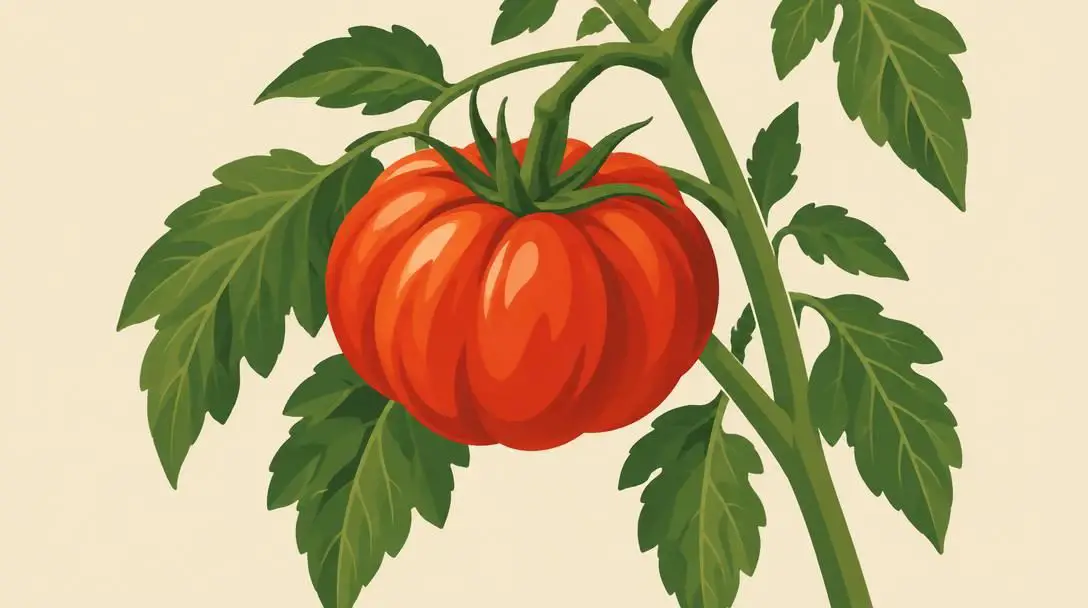
As the most popular garden vegetable in the United States, tomatoes demand specific temperature conditions to deliver heavy harvests. Gardeners situated in warmer climates with extended growing seasons, such as the South, typically set them out in early April. In colder northern zones, waiting until mid-to-late May is necessary to ensure both the risk of frost has passed and the ground has achieved the necessary 60 to 65 degrees Fahrenheit. Burying tomato roots in cold mud stunts structural growth and permanently curtails seasonal fruit production.
Peppers
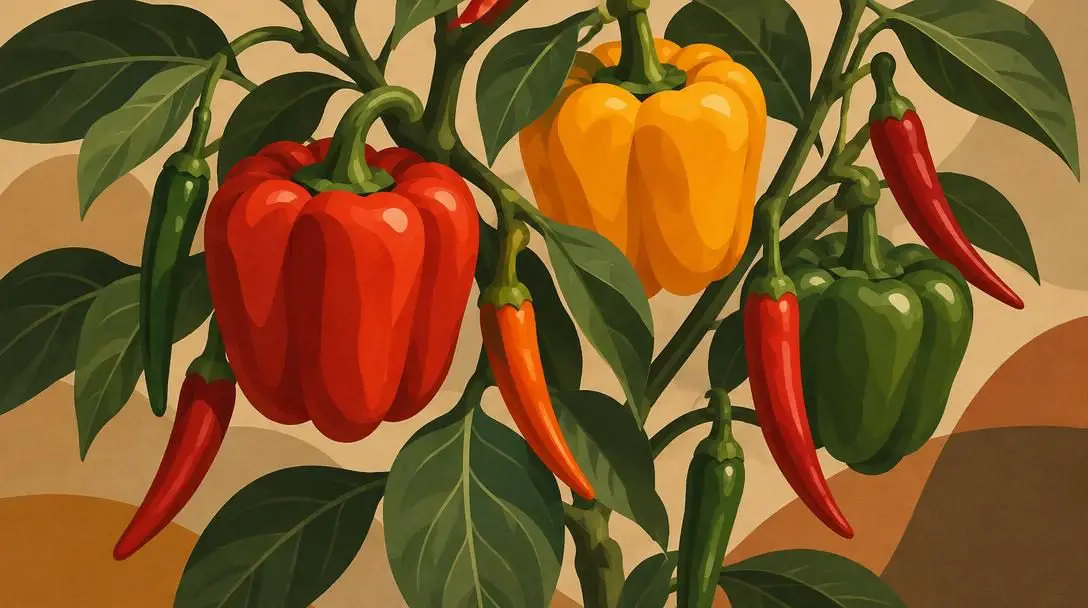
Originating in warm climates, peppers have little tolerance for cold air or lingering winter moisture. They require thoroughly warmed garden beds to establish healthy vascular systems. In most regions, planting occurs during May, while gardeners in colder zones must wait until mid-to-late May. Verifying that the soil temperature has reached at least 60 degrees Fahrenheit prevents prolonged transplant shock and encourages prompt root branching.
Green Beans
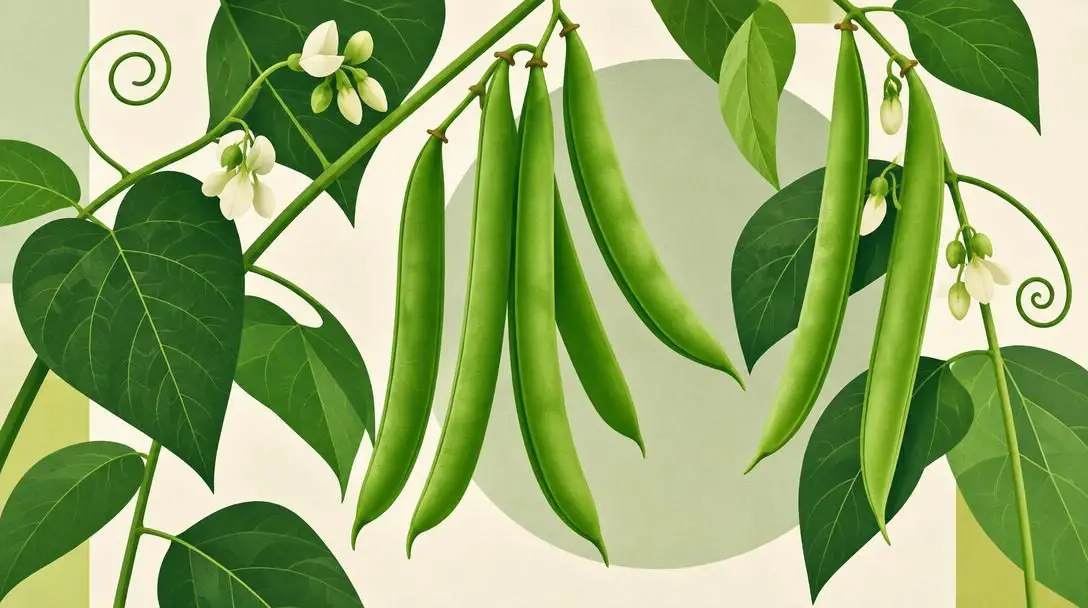
Green beans offer rapid growth and abundant harvests throughout the summer months when started under suitable conditions. They should be sown directly into the garden once the soil has warmed up, which typically occurs during May across the majority of the country. Sowing seeds into soil that has reached stable spring temperatures guarantees rapid germination and vigorous vine development without cold-induced delays.
Planting Schedules for Flowers and Landscaping
Ornamental plantings depend on distinct seasonal schedules that reflect their life cycles. Annuals and perennials require different timing to flourish and brighten outdoor spaces.
Annual Flowers
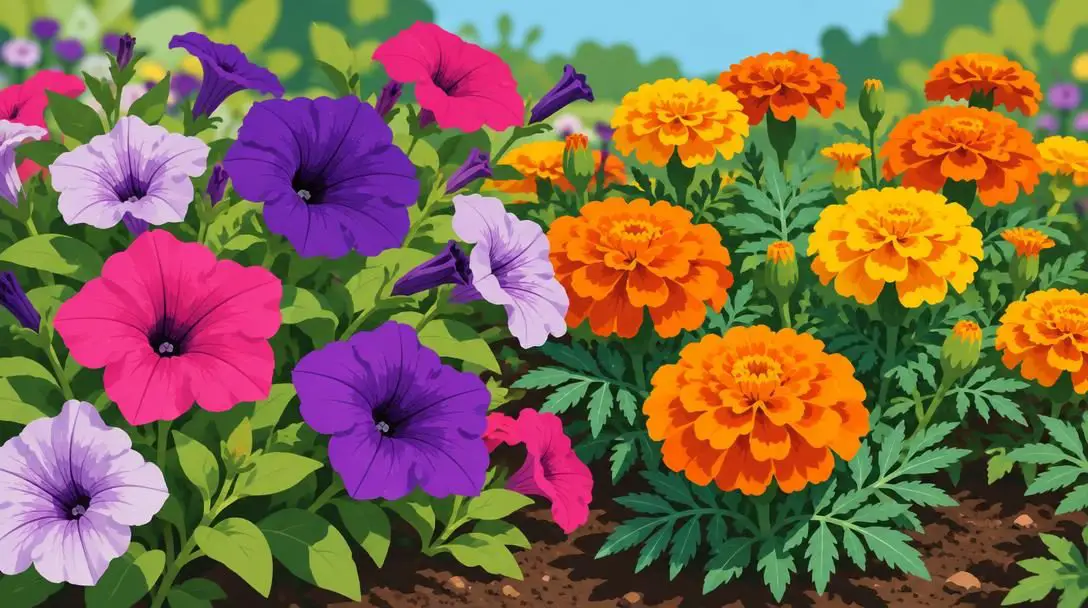
Annuals complete their entire lifecycle within a single season, requiring replanting every year. Popular choices such as petunias, impatiens, and marigolds thrive best when planted in spring. While they can endure brief cool temperatures once established, they lack defenses against freezing snaps. Planting them too early exposes tender stems and foliage to late frosts, which can destroy the plants entirely.
Fall Perennial Bulbs
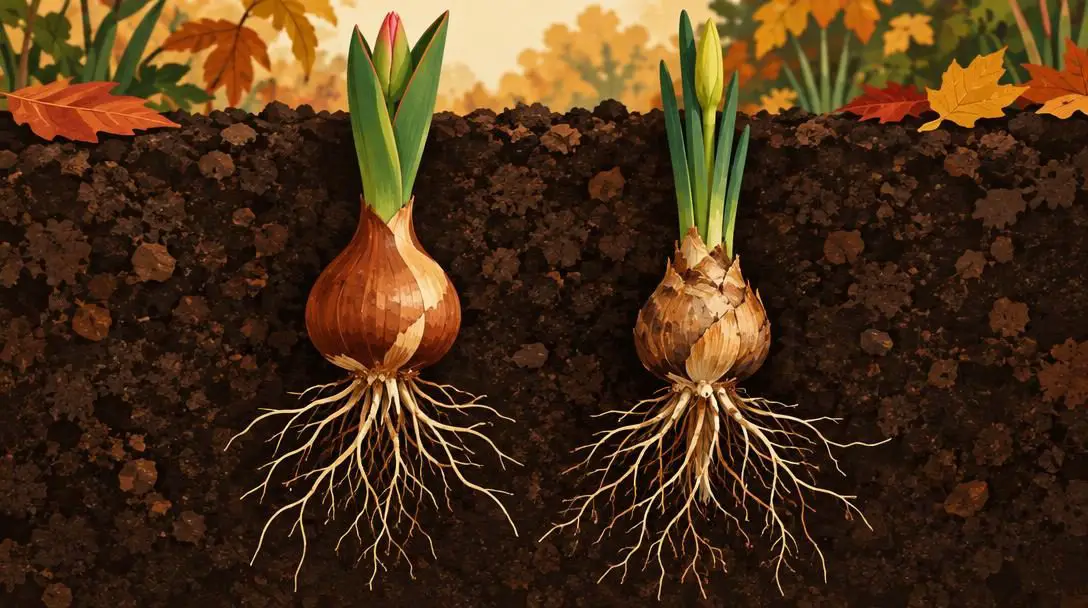
Perennials remain viable for several years, making strong root establishment essential. Spring-blooming perennial bulbs like daffodils, tulips, and crocuses should be planted in the fall. Burying bulbs during the autumn months gives them time to develop sturdy root systems in chilled ground prior to deep winter freezes. They emerge readily in early spring, producing colorful blooms weeks before annuals can safely enter the garden.
Step-by-Step Planting Preparation Checklist
Following a systematic preparation routine prevents premature planting and protects seedlings from unnecessary stress. Use these structured steps to prepare your garden beds and transplants.
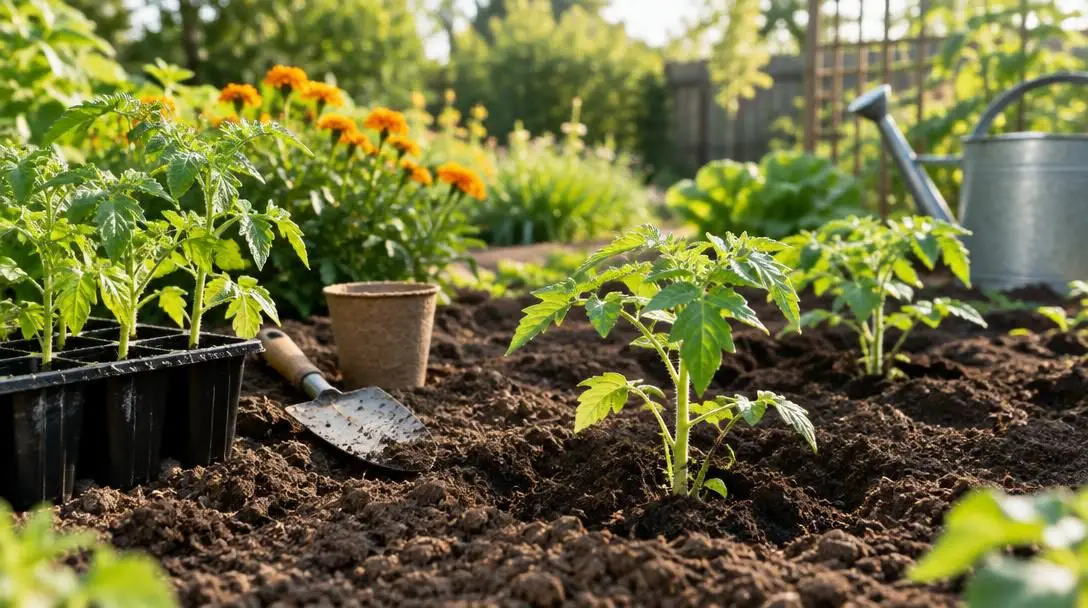
- Identify your regional frost milestones: Research the historical average dates for your area's final spring freeze and first fall frost to define your planting boundaries.
- Sort your crops by temperature tolerance: Divide plants into cool-season varieties, like peas, lettuce, carrots, and spinach, and warm-season varieties, such as tomatoes, peppers, squash, and beans.
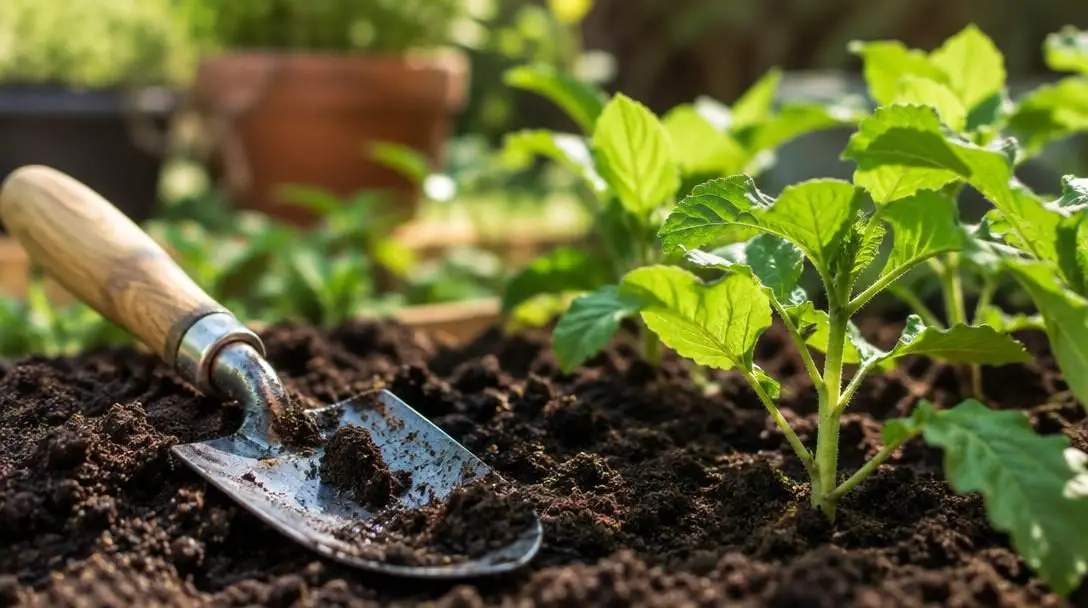
- Test the soil temperature: Insert a soil thermometer several inches deep into your garden beds to ensure warm-season crops have at least 60 degrees Fahrenheit before transplanting.
- Prepare and amend the beds early: Incorporate compost and organic soil amendments several weeks before planting to avoid disturbing waterlogged ground during early spring.
- Harden off young starts: Gradually expose indoor, greenhouse, or nursery-bought seedlings to outdoor winds and natural sunlight over seven days to prevent transplant shock.
- Execute a phased planting calendar: Sow cool-weather crops in early spring, move warm-weather vegetables outdoors in late spring around May, and plant second successions of greens and root vegetables for early and late fall harvests.
Common Planting Timing Pitfalls to Avoid
Timing errors represent some of the most frequent causes of seedling failure and disappointing harvests. Avoiding these missteps will help keep your garden productive through every seasonal transition.
- Falling for the early warm afternoon trap: Setting out frost-tender crops like squash, cucumbers, or tomatoes during brief warm spells in early spring leaves them defenseless when freezing weather inevitably returns.
- Disregarding subsurface ground conditions: Planting into cold or waterlogged soil causes seeds to rot and prevents young root systems from absorbing vital nutrients.
- Exposing cool-season crops to summer heat: Delaying the planting of carrots, lettuce, or peas pushes their maturation into hot summer months, triggering stress, bitterness, and premature bolting.
- Overlooking the autumn harvest window: Ending garden work in early June neglects productive fall opportunities for Brussels sprouts, kale, sweet potatoes, and spring-flowering bulbs.
- Transplanting nursery starts without acclimation: Moving greenhouse-grown plants straight into intense direct sun and wind shocks their foliage and stalls vegetative progress.
Sustaining Momentum After Planting
Placing seeds and starts into the soil at the right moment is only the beginning of a successful growing season. Thoughtful post-planting care maintains steady growth and protects your garden against environmental fluctuations.
Consistent water management is vital during the early establishment phase. Delicate seedlings require frequent, light watering to anchor their fine root hairs into the surrounding soil. As crops mature, shift to deeper, less frequent irrigations to encourage roots to search downward, building drought resilience against summer heat.
Applying an even layer of mulch around established plants helps stabilize soil conditions. Mulching preserves ground moisture, discourages weed growth, and buffers roots by moderating soil temperatures during extreme summer heatwaves and late autumn chills.
To avoid receiving an overwhelming single harvest, adopt succession planting. Sowing smaller quantities of fast-maturing crops like lettuce or radishes every few weeks provides a continuous supply of fresh produce throughout their prime growing window.
Frequently asked questions
How do I know when the soil is warm enough to plant tomatoes and peppers?
Use a soil thermometer inserted a few inches deep into your garden beds in the morning. Tomatoes and peppers require a soil temperature of at least 60 degrees Fahrenheit, with tomatoes flourishing best between 60 and 65 degrees. Air warmth alone is not an accurate indicator of ground readiness.
What happens if cool-weather crops are planted too late in spring?
Cool-weather crops like lettuce, spinach, peas, and carrots struggle when exposed to intense summer heat. Elevated temperatures trigger bolting, a survival mechanism where the plant stops producing palatable foliage and rapidly sends up bitter flower stalks to produce seeds before dying.
Why must spring-blooming bulbs like tulips and daffodils be planted in the fall?
Spring-blooming perennial bulbs require a sustained period of cold weather to establish root systems before freezing winter temperatures arrive. Planting them in autumn allows them to root quietly underground and burst into vibrant bloom during early spring.
What is hardening off and why is it necessary?
Hardening off is the gradual process of acclimating tender indoor, greenhouse, or store-bought seedlings to outdoor conditions over the course of a week. Moving plants outdoors incrementally prevents transplant shock caused by direct sunlight, shifting temperatures, and outdoor winds.
Which vegetables are best suited for an autumn garden?
Early fall is an ideal time to plant sweet potatoes, Brussels sprouts, and kale, while late fall suits Brussels sprouts, carrots, and scallions. Cool late-season temperatures convert starches into sugars, noticeably sweetening the flavor of kale and carrots.
The bottom line
Successful gardening relies on working in harmony with natural cycles rather than racing the seasons. By monitoring local frost boundaries, confirming that soil temperatures have reached optimal thresholds, and matching crop selections to their preferred temperature windows, you create the ideal environment for steady growth. Pairing these well-timed planting decisions with thoughtful soil preparation, careful transplant acclimation, and ongoing garden records guarantees a healthy, abundant landscape from early spring straight through the autumn harvest.