The Best Vegetables to Grow in Your Garden for Optimal Nutrition
Vegetables serve as an indispensable foundation for long-term health and vitality. Consuming a broad spectrum of plant foods provides the human body with dietary fiber, essential vitamins, trace minerals, and protective compounds that bolster everyday well-being. However, consistently sourcing top-quality fresh produce from commercial grocery aisles often presents a major financial hurdle, particularly when shopping for specialty items or out-of-season selections.
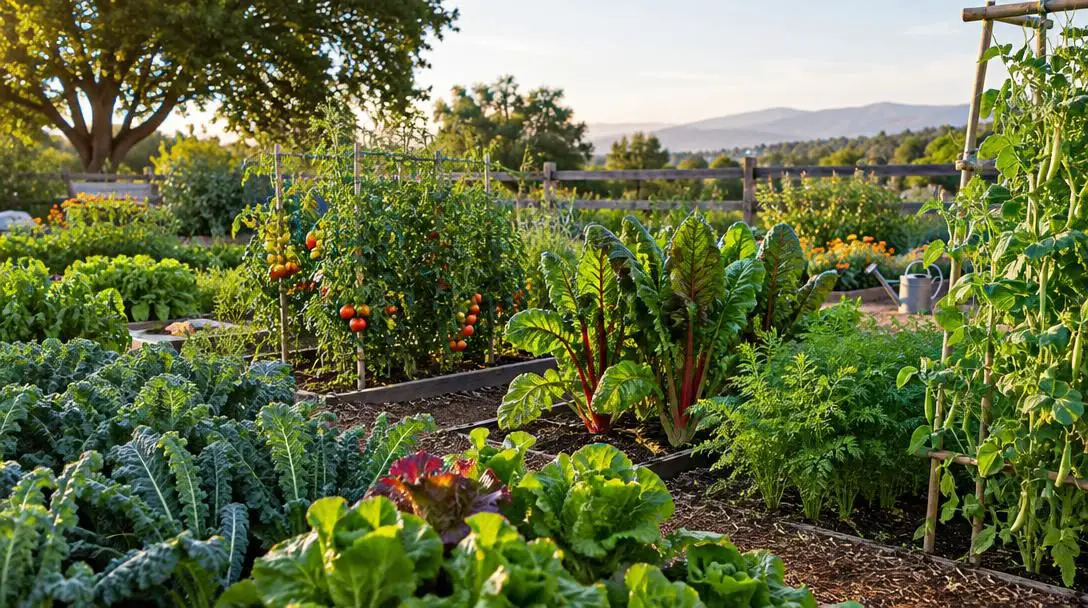
Cultivating an edible home garden presents a practical, empowering solution to escalating food costs. By planting seeds or small starter sprouts, home growers gain total authority over their food supply, bypass retail markups, and eliminate unwanted agricultural sprays. Whether you manage a spacious yard or work within the confines of a patio, balcony, or sunny window ledge, producing your own nutrient-dense vegetables is an achievable and rewarding pursuit.
Key takeaways
- Home gardening lowers grocery expenses while providing fresh, clean produce free from unwanted agricultural treatments.
- Leafy greens, cruciferous varieties, root vegetables, and fruiting crops deliver diverse vitamins, minerals, and disease-fighting compounds.
- Photosynthesis and proper soil care allow plants to concentrate sugars, structural fibers, and antioxidants directly into edible foliage, roots, and fruits.
- Avoiding pitfalls like overcrowding, overwatering, and poor lighting ensures bountiful yields in both small containers and garden beds.
Fast-Growing Leafy Greens for Compact Spaces
Leafy greens stand out as the ideal starting point for beginners and space-conscious growers. These crops mature rapidly, flourish in shallow containers, and can be grown indoors on window ledges or outside in traditional plots. Their compact footprint and rapid regeneration make them a dependable source of daily vitamins.
Spinach
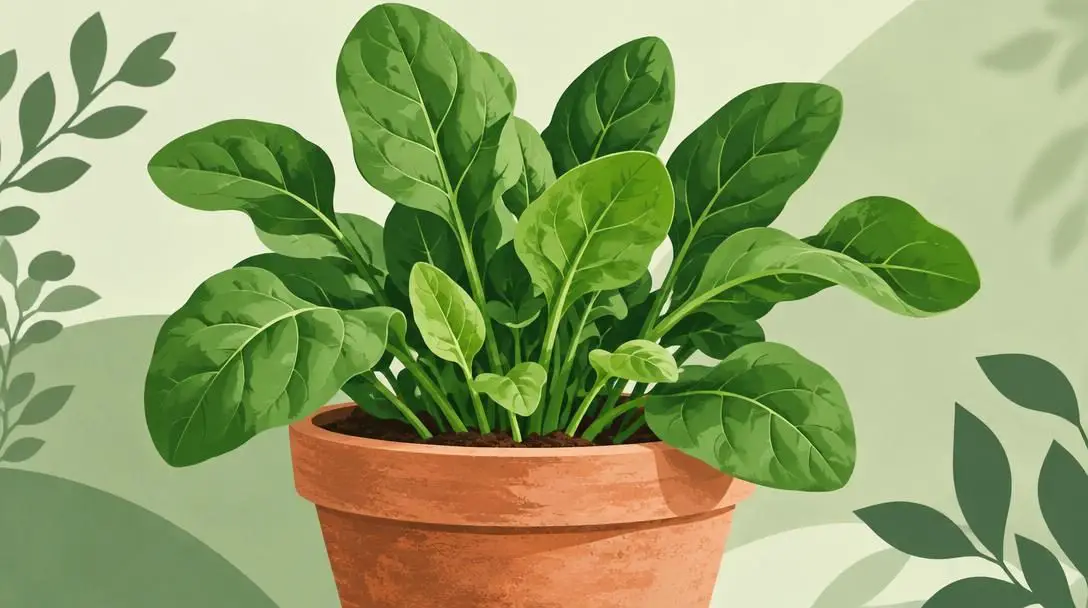
- Key Nutrients: Iron, vitamin K, and vitamin A
- Ideal Growing Environment: Containers, window ledges, or ground plots
- Primary Benefit: Rapid leaf production with elevated mineral content
Spinach is widely celebrated for its rich, tender foliage that synthesizes nutrients directly within its broad leaf structures. Because it develops quickly, gardeners can make regular cuttings, prompting the plant to concentrate essential iron and vitamins into young, tender foliage.
Kale
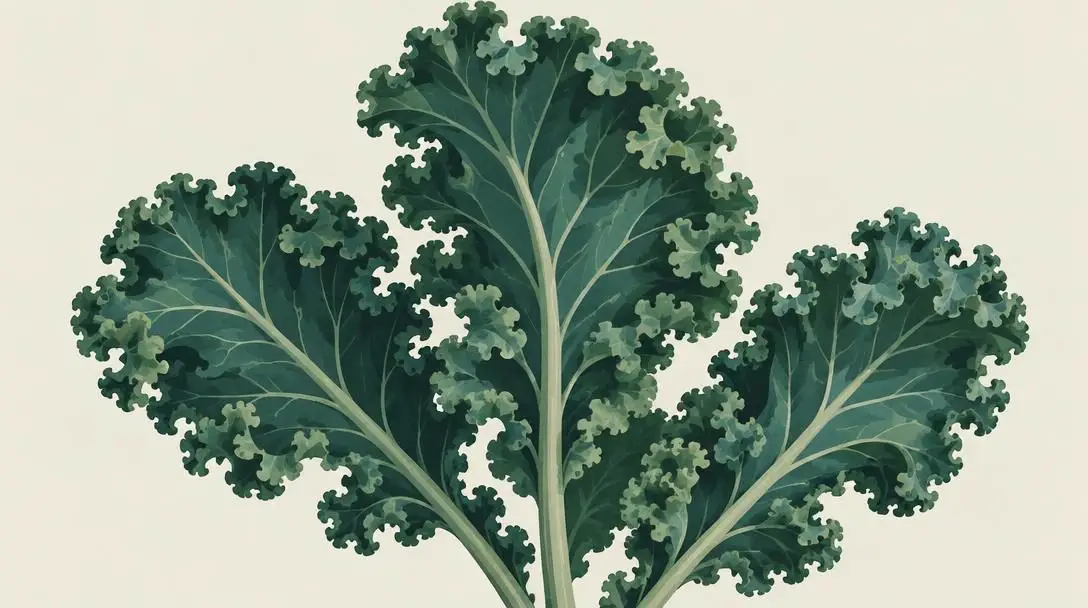
- Key Nutrients: Vitamin C, vitamin K, and specialized cancer-fighting compounds
- Plant Profile: Resilient, cold-tolerant hearty green
- Harvest Method: Continuous cut-and-come-again leaf harvesting
Kale provides exceptional nutritional value relative to the small amount of garden space it occupies. This hardy green stands up to fluctuating weather conditions while synthesizing robust levels of vitamin C and protective compounds known to fight cancer, rewarding growers with nutrient-rich harvests over an extended season.
Lettuce
- Key Nutrients: Vitamin A, vitamin C, and dietary fiber
- Primary Role: Cellular antioxidant protection and digestive support
- Growth Speed: Rapid germination and fast maturity
As a dietary salad staple, homegrown lettuce delivers superior crispness and nutrition compared to store-bought greens that have traveled long distances. Its generous levels of dietary fiber support steady digestion and prolong satiety, while cellular-protecting antioxidants shield tissues from oxidative damage.
Disease-Fighting Cruciferous Vegetables
The cruciferous family contains some of the most nutritionally potent vegetables available to home growers. Renowned for their disease-fighting characteristics, these vegetables synthesize complex sulfur-based nutrients and defensive phytonutrients as they grow, transferring profound wellness advantages directly to your dinner plate.
Broccoli
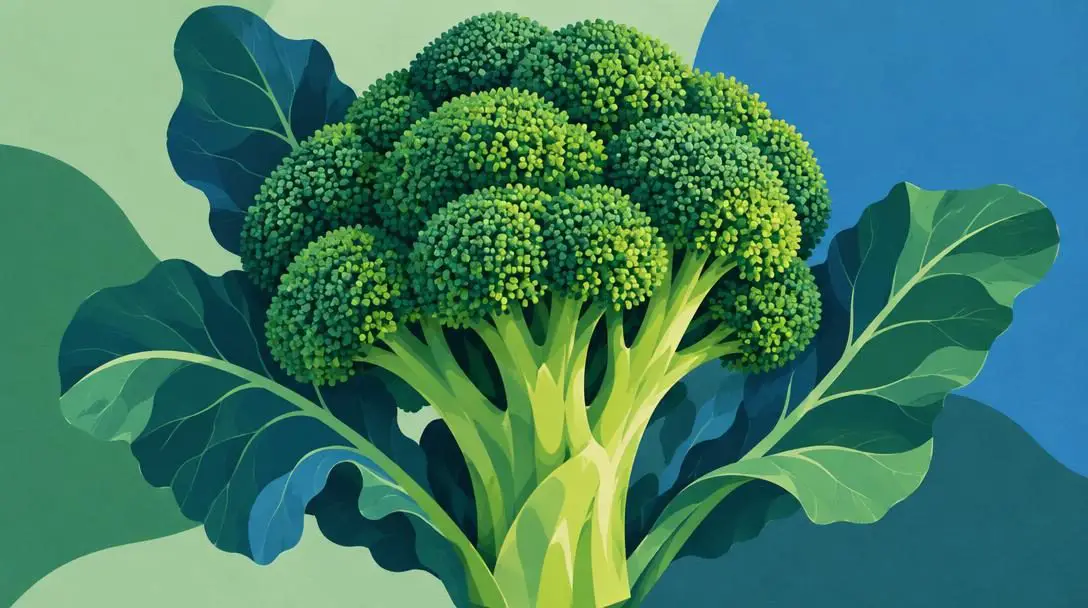
- Key Nutrients: Dietary fiber, vitamin C, folate, and vitamin K
- Protective Compound: Sulforaphane
- Primary Benefit: Natural cancer suppression and digestive balance
Broccoli produces dense, edible flower heads packed with dietary fiber and vitamin C. As the plant responds to natural environmental pressures, it manufactures sulforaphane, an essential compound that acts to suppress cancer cells while supporting overall cellular defense.
Cauliflower
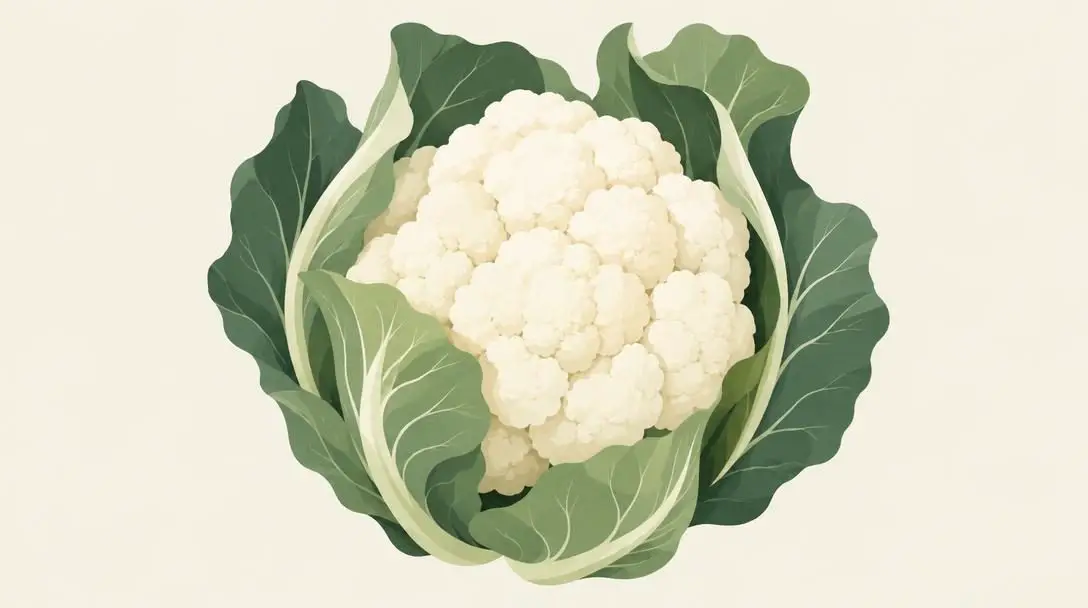
- Key Nutrients: Choline, vitamin C, and disease-fighting substances
- Primary Benefit: Supports optimal brain operation
- Culinary Role: Versatile low-starch vegetable alternative
Cauliflower develops tightly packed curds rich in diverse anticancer compounds. It is an exceptional source of choline, a vital micronutrient that aids healthy neurological processes and supports brain operation, making it an indispensable inclusion in health-focused gardens.
Brussels Sprouts
- Key Nutrients: Vitamin K, dietary fiber, and protective antioxidants
- Primary Benefit: Bone health optimization and cellular protection
- Growth Habit: Tall central stalks lined with nutrient-dense miniature buds
Brussels sprouts take longer to mature than simple greens, but the resulting harvest yields exceptionally concentrated nutrition. These compact green buds deliver generous levels of vitamin K to preserve bone integrity, paired with dietary fiber that reinforces gut regularity.
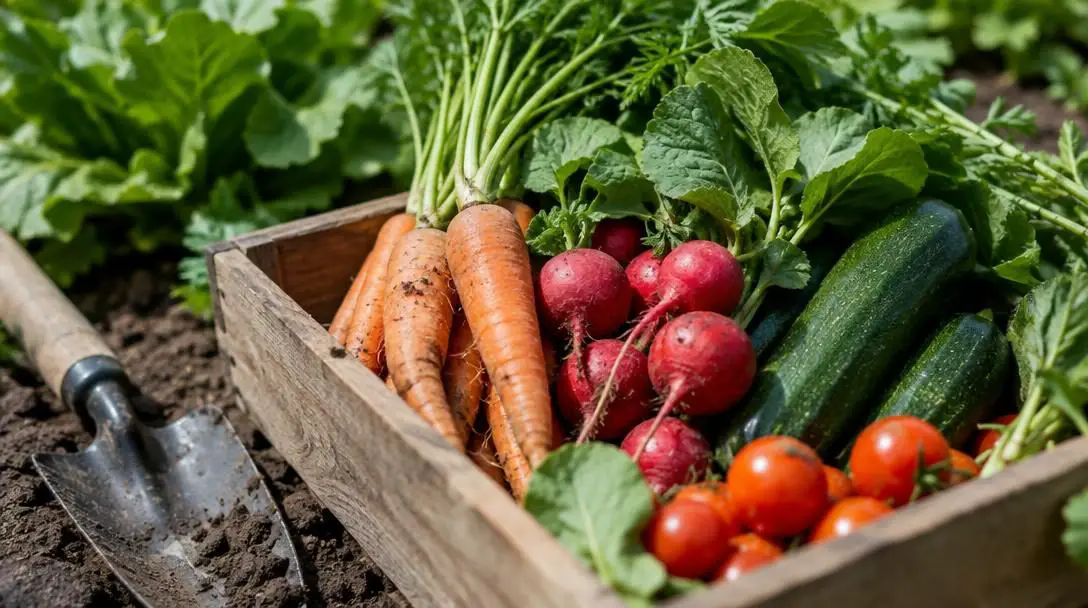
Homegrown crops allow everyday growers to bypass commercial supply chains, control their soil inputs, and harvest produce at peak nutrient density.
Budget-Friendly Root Crops with Concentrated Nutrition
Root crops represent a dependable, cost-effective category of garden produce. As underground taproots expand, they absorb minerals from the surrounding earth and store wholesome carbohydrates, creating nutrient-dense fuel that supports digestive balance, immune function, and cardiovascular health.
Carrots
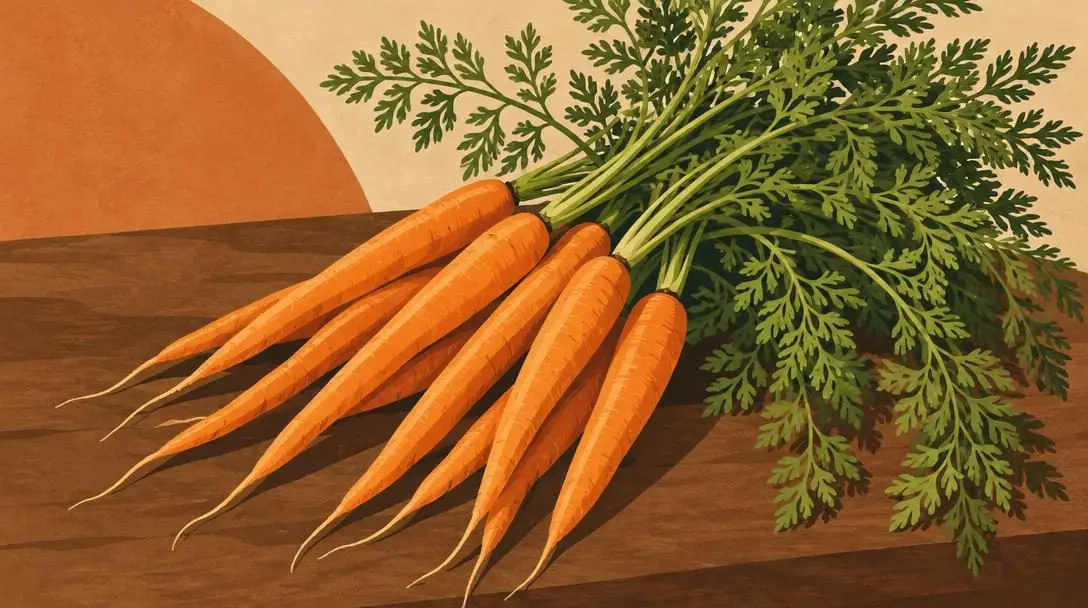
- Key Nutrients: Vitamin A and potassium
- Primary Benefit: Maintenance of good vision and cardiovascular support
- Soil Requirement: Loose, deep earth free of compact obstructions
Carrots develop slender, bright taproots beneath loose soil, drawing up subterranean moisture and minerals. Their deep orange hues stem from elevated concentrations of vitamin A precursors that safeguard eye health, alongside potassium to promote balanced blood pressure and heart function.
Beets
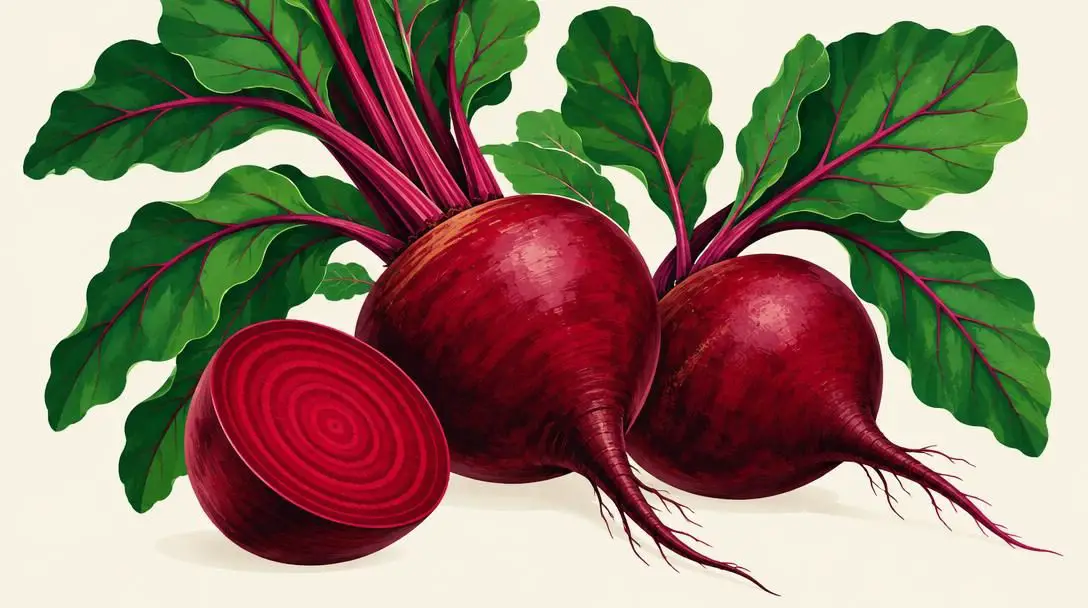
- Key Nutrients: Abundant dietary fiber and essential minerals
- Primary Benefit: Blood pressure control and inflammation reduction
- Garden Value: Dual harvest of both earthy roots and nutrient-dense greens
Beets are among the most colorful additions to any vegetable bed. Their deep red roots assist the body in regulating blood pressure while actively reducing internal inflammation, providing double value when gardeners harvest both the underground bulb and the tender greens above.
Sweet Potatoes
- Key Nutrients: Beta carotene, vitamin A, and diverse phytonutrients
- Plant Profile: Resilient warm-season trailing vine
- Storage Value: Concentrated, shelf-stable complex carbohydrates
Sweet potatoes thrive during warm summer conditions, spreading lush vines across the soil while swelling into robust, nutrient-packed tubers below ground. They supply abundant beta carotene and supportive phytonutrients, delivering steady energy and cellular protection.
Sun-Loving Fruiting Crops for Antioxidant Power
Fruiting vegetables like tomatoes and peppers convert abundant sunlight into flavorful flesh bursting with specialized antioxidants. Though they demand generous spacing, warm temperatures, and attentive watering, their yields produce unmatched freshness and nutritional potency.
Tomatoes
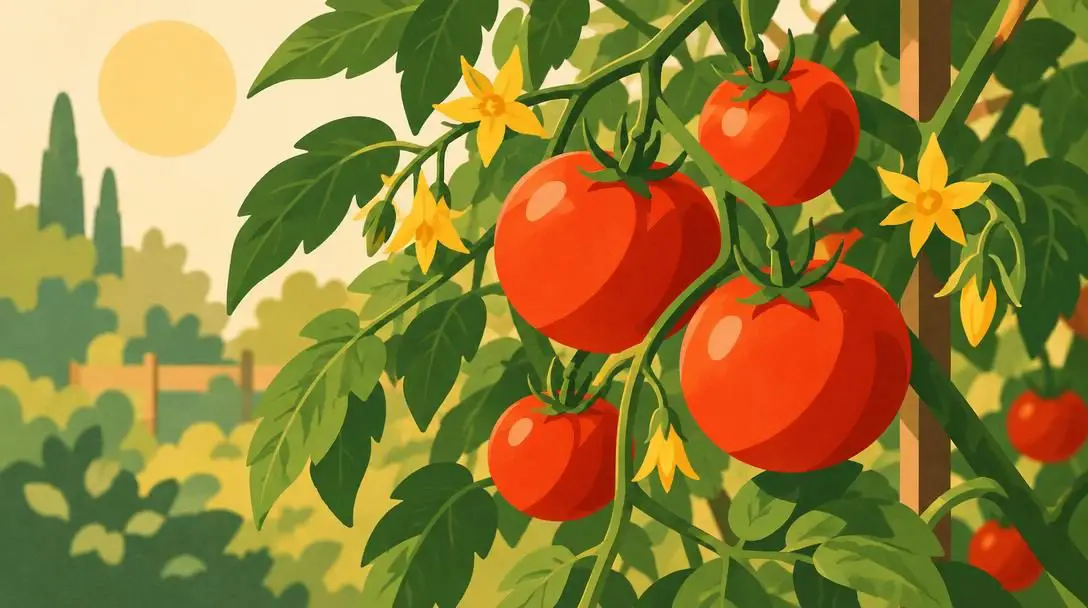
- Key Nutrients: Lycopene, vitamin C, and potassium
- Protective Role: Defense against degenerative illnesses and cancer
- Sun Requirement: Full, unrestricted daily sunlight
Tomatoes rely on prolonged warmth to develop their sweet, acidic flavors. As the fruit turns red on the vine, concentrations of lycopene surge. This potent antioxidant shields cells from oxidative stress and helps protect against cancer and long-term degenerative illnesses.
Peppers
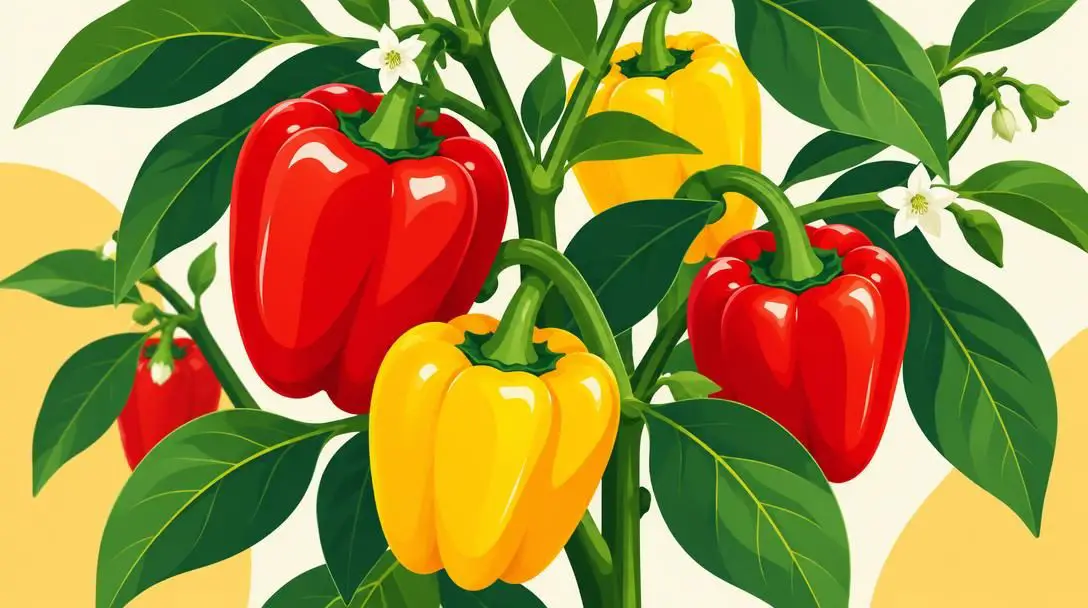
- Key Nutrients: Elevated vitamin C and vitamin A
- Primary Benefit: Immune system fortification and skin vitality
- Growing Profile: Productive warm-season bushes suitable for pots or beds
Whether sweet or spicy, garden peppers are exceptional reservoirs of immune-boosting micronutrients. Their elevated concentrations of vitamin C and vitamin A work cooperatively to reinforce immune barriers, foster tissue regeneration, and support healthy, vibrant skin.
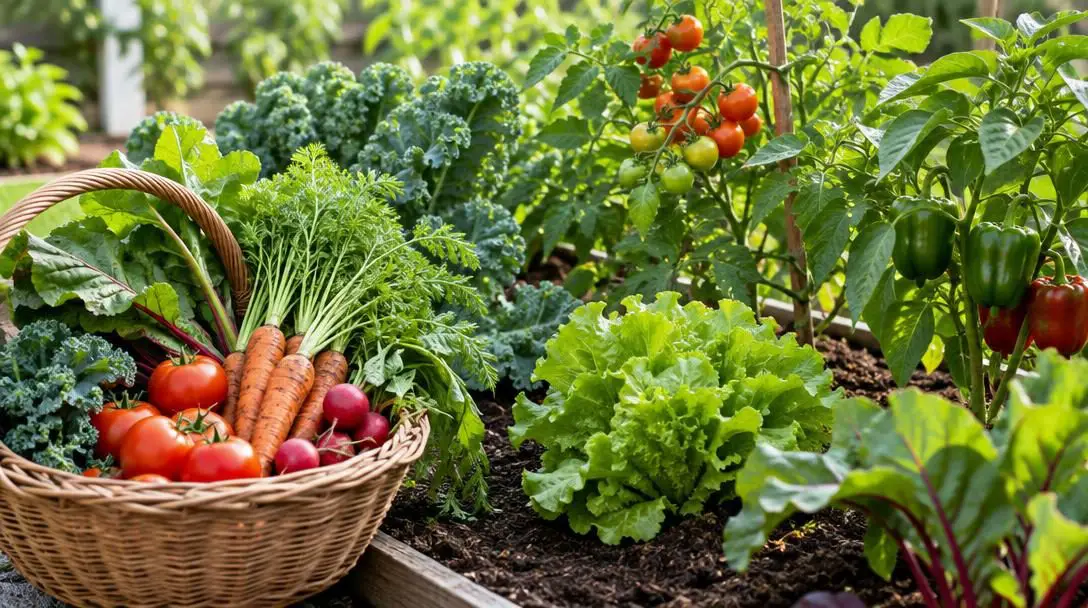
At-a-Glance Vegetable Nutrition and Growing Guide
| Vegetable | Key Nutrients | Health Benefit | Light & Space Needs |
|---|---|---|---|
| Spinach | Iron, Vitamin K, Vitamin A | Blood support & cell health | Partial sun; shallow pots or beds |
| Kale | Vitamins C & K, Anticancer compounds | Immunity & cancer defense | Tolerates cool weather; compact beds |
| Lettuce | Vitamins A & C, Dietary Fiber | Digestion & cellular defense | Partial to full sun; small containers |
| Broccoli | Sulforaphane, Fiber, Vitamin C | Cancer suppression & digestion | Full sun; medium-to-large garden spacing |
| Cauliflower | Choline, Anticancer substances | Brain function & cognitive health | Full sun; requires rich soil |
| Brussels Sprouts | Vitamin K, Fiber, Antioxidants | Bone strength & cell protection | Full sun; long season, upright space |
| Carrots | Vitamin A, Potassium | Vision maintenance & heart health | Full sun; deep, loose, rock-free soil |
| Beets | Fiber, Essential minerals | Blood pressure control & anti-inflammation | Full to partial sun; loose garden soil |
| Sweet Potatoes | Beta carotene, Vitamin A, Phytonutrients | Energy reserves & immune strength | Full sun; broad trailing ground space |
| Tomatoes | Lycopene, Vitamin C, Potassium | Shields against degenerative illness | Unrestricted sun; tall staking or cages |
| Peppers | Vitamins A & C | Skin vitality & immune defense | Full sun; warm pots or raised beds |
How Plant Nutrition Develops in the Garden
Understanding the physiological mechanics of plant growth allows home growers to cultivate vegetables with the highest possible nutrient concentrations. Every vegetable functions as a living solar factory, using photosynthesis to merge carbon dioxide from the air with water and minerals drawn from the earth. The energy collected by the foliage fuels the synthesis of sugars, structural fibers, defensive enzymes, and health-promoting antioxidants.
Different crops store their photosynthetic gains in specialized structures:
- Foliage crops like spinach and lettuce channel energy quickly into tender leaves, synthesizing bioavailable iron, folate, and vitamins within green cellular walls.
- Cruciferous crops produce defensive sulfur-based compounds, including sulforaphane, to ward off environmental threats, creating potent protective substances for human health.
- Root crops shuttle carbohydrates downward into swollen taproots and tubers, packaging beta carotene, potassium, and minerals into nutrient-dense underground storage banks.
- Fruiting nightshades demand abundant solar warmth to convert sugars into blossoms and edible fruit, causing antioxidant concentrations such as lycopene and vitamin C to spike during vine ripening.
Essential Steps to Start and Maintain Your Garden
Launching a productive vegetable patch requires no formal horticultural training. Following an orderly, methodical progression establishes a nurturing environment where your crops can thrive from seed to harvest.
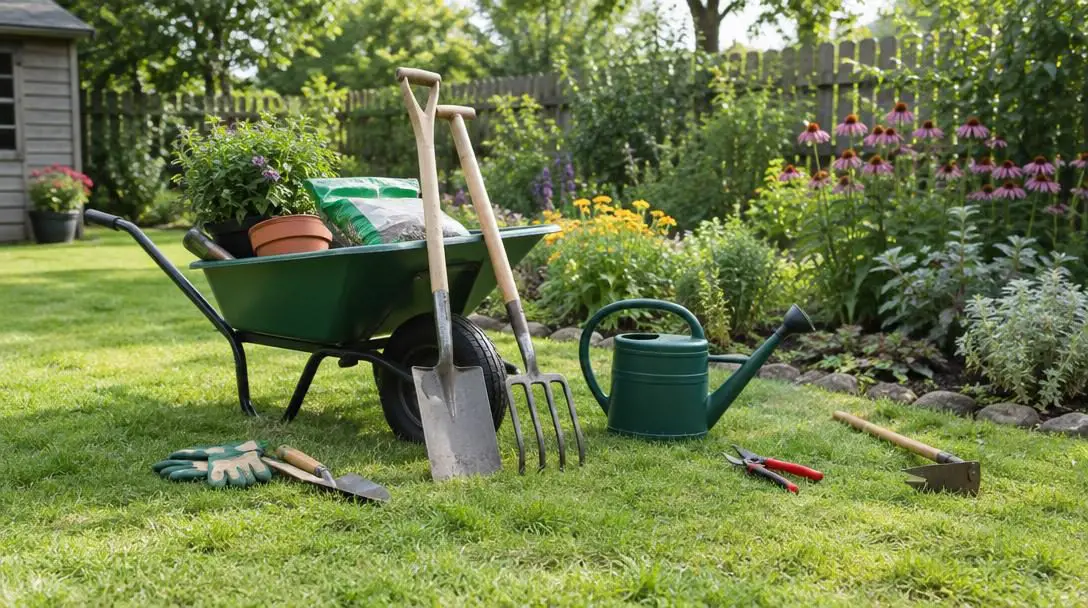
- Select an Appropriate Location: Assess sunlight exposure across your property. Position fruiting crops like peppers and tomatoes in unobstructed direct sun, while utilizing partially shaded spots or windowsills for tender leafy greens.
- Prepare Suitable Containers or Garden Beds: Ensure containers feature adequate drainage openings. For ground beds and containers alike, loosen the soil and verify it drains freely to prevent saturated roots.
- Acquire Seeds or Starter Sprouts: Direct-sow fast-germinating leafy greens and root crops straight into the soil. For longer-season crops like tomatoes, peppers, and broccoli, acquire sturdy starter sprouts to save growing time.
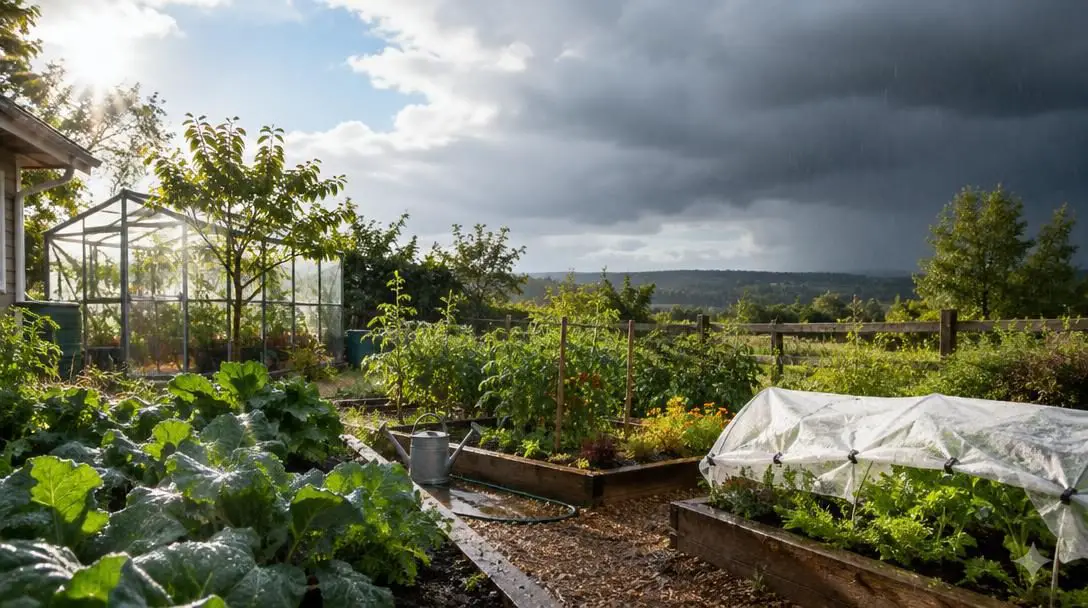
- Implement Regular Watering Practices: Supply consistent moisture to keep the soil evenly damp. Leafy greens require light, frequent watering to sustain rapid foliage growth, whereas deep-rooted plants benefit from thorough, less frequent soakings.
- Provide Balanced Plant Nutrients: Support heavy feeders like tomatoes and cruciferous vegetables by incorporating compost, organic matter, or natural plant foods into the growing medium.
- Harvest at Peak Readiness: Use sharp shears to pick outer leaves of greens regularly. Harvest root vegetables while they remain tender, and permit tomatoes and peppers to attain full, vibrant color on the vine for maximum nutrient density.
Common Gardening Mistakes to Avoid
Even dedicated gardeners encounter setbacks that can compromise harvest quality and volume. Steering clear of these frequent pitfalls will protect your investment of time, labor, and resources.
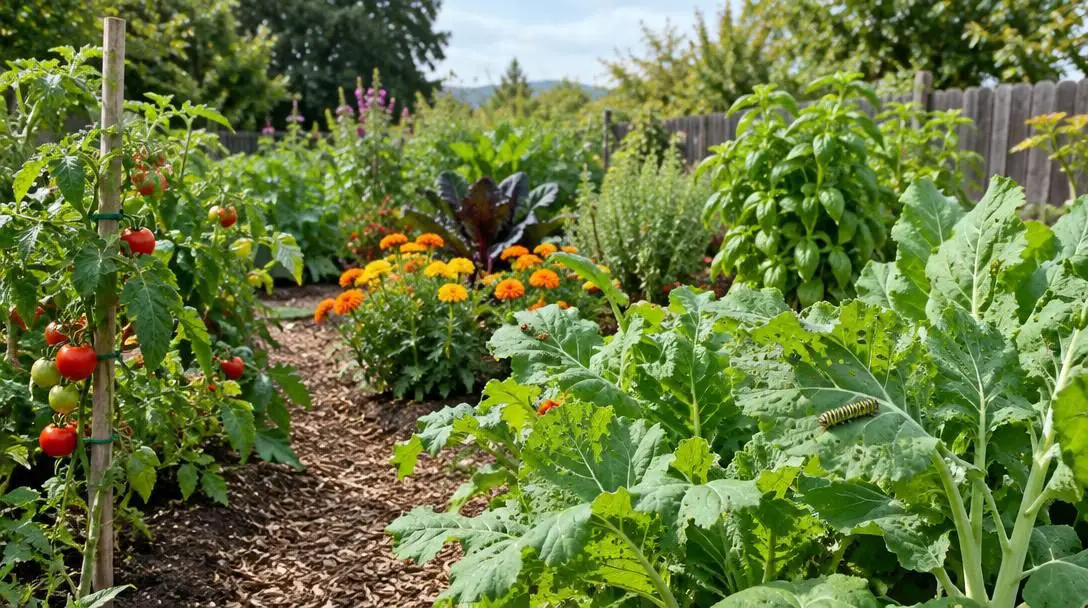
- Overcrowding Plantings: Scattering seeds too thickly or spacing starter plants too closely forces crops into fierce competition for moisture, light, and soil minerals, leading to stunted, frail growth.
- Inconsistent or Excessive Watering: Soaking soil to the point of waterlogging triggers root rot, while letting earth dry out completely stresses plants and degrades produce texture.
- Insufficient Light Exposure: Placing fruiting crops like tomatoes in dim, shaded spaces produces spindly stems and leaves with few flowers or mature fruits.
- Neglecting Proper Soil Quality: Planting in dense, compacted, or nutrient-starved dirt restricts root expansion. Root crops like carrots and beets become deformed or stunted without loose, well-aerated soil.
- Delaying the Harvest: Leaving vegetables on the plant past their prime causes leafy greens to develop a bitter taste and turns tender root crops tough and woody.
Expanding Your Garden Variety and Transitioning Your Diet
Once you develop consistent success with beginner staples like spinach, leaf lettuce, and carrots, start incorporating additional plant varieties into your seasonal layout. Experimenting with different cultivars broadens your culinary options and ensures your household receives a wider array of protective phytochemicals and dietary fiber.
When introducing greater volumes of homegrown produce into your daily meals, make the transition gradually. Rapidly increasing fiber consumption can cause brief digestive discomfort if your body is unaccustomed to it. Allowing your digestive tract to adjust smoothly guarantees you reap the full nutritional rewards of your harvest in comfort. Keep records of which cultivars flourish in your local microclimate so you can expand your productive beds with confidence season after season.
Frequently asked questions
Can I grow nutrient-dense vegetables without a large backyard?
Yes. Many high-yield vegetables thrive in compact settings. Leafy greens such as spinach and lettuce need very little soil depth and grow easily in shallow containers on balconies, patios, or sunny indoor windowsills.
Which vegetables are best for building bone health and cellular defense?
Cruciferous vegetables, particularly Brussels sprouts, broccoli, and kale, provide abundant vitamin K to strengthen bones, along with potent antioxidants and sulforaphane to shield cells from damage.
Why do homegrown tomatoes taste more flavorful and nutritious than store-bought ones?
Homegrown tomatoes are permitted to ripen completely on the vine under direct sunlight, which drives the accumulation of natural sugars, vitamin C, and lycopene, rather than being picked prematurely for commercial shipping.
Do root vegetables require special soil conditions to grow properly?
Yes. Taproots like carrots and beets require loose, well-draining, and deeply aerated soil free of heavy clay or stones so their expanding roots can develop smoothly without becoming stunted or misshapen.
How does harvesting leafy greens gradually help the plant?
Using a cut-and-come-again technique by picking the older outer leaves encourages the central crown to continue generating fresh, active leaves, prolonging your harvest window across weeks or months.
The bottom line
Cultivating an edible home garden bridges the gap between healthy nutritional choices and household financial practicality. By dedicating a small amount of space to leafy greens, cruciferous varieties, root crops, and nightshades, anyone can establish a consistent supply of vitamins, minerals, and antioxidants. With thoughtful location selection, loose soil, steady watering, and timely harvesting, your garden will provide rich, health-promoting nourishment from season to season.