The Top 5 Garden Design Mistakes to Avoid: Tips for a Successful Outdoor Space
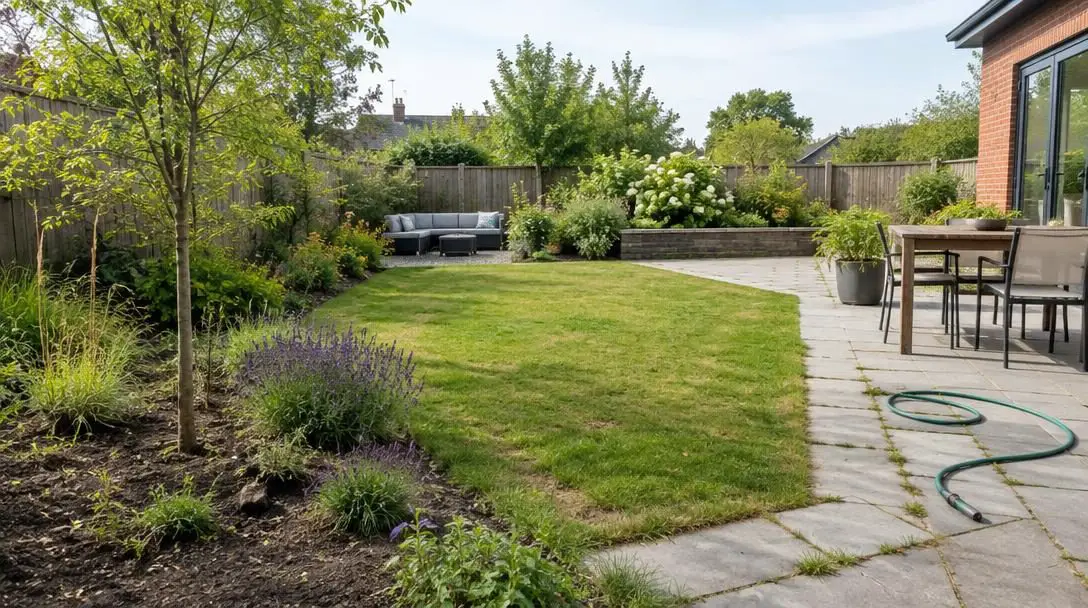
Gardening can be an exceptionally rewarding endeavor, yet turning an outdoor plot into a thriving retreat requires far more than casual enthusiasm. Many homeowners approach landscaping as an impulse exercise, filling carts at the local nursery with whatever catches the eye and scattering specimens haphazardly across garden beds. However, an outdoor area is an interconnected living system where soil biology, regional climate, plant physiology, spatial distribution, and everyday human routines continuously intersect. When these elements clash, the results are almost always disappointing: stunted growth, pest infestations, soaring replacement costs, and wilted foliage.
Designing an outdoor space that is simultaneously beautiful and functional demands proactive planning rather than reactive problem-solving. By anticipating the common pitfalls that undermine new and renovated plots alike, gardeners can establish resilient ecosystems that thrive over many seasons. Addressing fundamental design errors early saves hours of frustrating labor, protects your financial investment, and ensures your yard remains a source of relaxation rather than a chronic chore.
Key takeaways
- Healthy soil is the baseline of garden success, requiring regular nutrient testing, compost amendments, and protection against over-fertilization.
- Plant selections must match local weather patterns, hardiness conditions, and the specific sun and moisture microclimates of your yard.
- Spacing must always be calculated using mature plant dimensions rather than nursery container sizes to prevent competition and disease.
- A successful garden balances visual charm with practical considerations like accessibility, irrigation proximity, and functional human spaces.
At a glance: Core design pitfalls and solutions
| Mistake | Primary Risk | Corrective Strategy | Long-Term Result |
|---|---|---|---|
| Neglecting soil quality | Stunted roots, poor nutrient uptake, and disease | Perform soil tests and incorporate organic compost | Robust root systems and high natural immunity |
| Ignoring local climate | Specimen dieback from heat, frost, or drought | Choose varieties adapted to regional weather cycles | Reduced watering needs and year-round resilience |
| Choosing wrong plants | Overwhelmed beginners and mismatched site needs | Select low-maintenance varieties suited to light levels | Healthy growth with manageable maintenance demands |
| Overcrowding garden beds | Stifled airflow, fungal outbreaks, and resource theft | Map plots based strictly on mature height and spread | Balanced, well-ventilated beds that fill out naturally |
| Overemphasizing aesthetics | Inaccessible taps, blocked walkways, and wasted space | Define yard purpose and install clear circulation paths | Harmonious balance of usability and visual appeal |
The five fundamental garden design mistakes to avoid
To establish a flourishing landscape, it helps to understand the core errors that frequently undermine outdoor spaces. Addressing these five specific areas will give your garden the foundation it needs to thrive across all four seasons.
Mistake 1: Neglecting soil quality
The success of any landscape depends almost entirely on the subterranean world beneath the surface. Gardeners often focus exclusively on the visual appeal of stems, flowers, and leaves, forgetting that soil quality dictates how well root systems absorb moisture, draw in oxygen, and access essential minerals. Planting into heavy clay, loose sand, or compacted fill dirt without assessment leads to weak root networks, susceptibility to pests, and frequent diseases.
Testing your soil is the essential first step to diagnosing pH imbalances and nutrient deficiencies. Once you understand what your ground lacks, you can amend it effectively. Working in compost and well-decomposed organic matter enhances soil structure, loosens tight clay to improve drainage, and adds water-holding capacity to coarse, sandy soils. Organic amendments also nurture beneficial microorganisms that unlock nutrients naturally. Ensure you provide consistent moisture, and avoid heavy-handed synthetic fertilizing, which burns tender root tips and creates chemical imbalances in the earth.
Mistake 2: Ignoring climate and weather
One of the most widespread garden design mistakes is fighting against your local environment. Different plants possess precise physiological limits regarding sunlight exposure, cold tolerance, seasonal humidity, and rainfall. Attempting to force a heat-craving tropical specimen into a chilly, damp northern yard, or installing moisture-loving woodland plants in an arid landscape without constant intervention, almost guarantees disappointment.
Successful garden design works in concert with local climate patterns. Gardeners must carefully research the hardiness, temperature thresholds, and seasonal needs of every prospective specimen before purchasing. Furthermore, observation of local microclimates within your immediate neighborhood—such as frost pockets at the base of slopes or intense heat reflected off south-facing masonry walls—allows you to match specimens to conditions where they naturally flourish without excessive pampering.
Mistake 3: Choosing the wrong plants
Even when a plant matches regional climate zones, it can fail if placed in the wrong micro-environment or assigned to a gardener with mismatched experience. Placing shade-tolerant foliage in blazing afternoon sun scorches leaves, while placing sun-loving perennials in the shadow of dense trees yields leggy, weak growth and absent blossoms. Similarly, high-maintenance selections that require frequent staking, specialized feeding, or delicate pruning can rapidly overwhelm beginners who have limited free time.
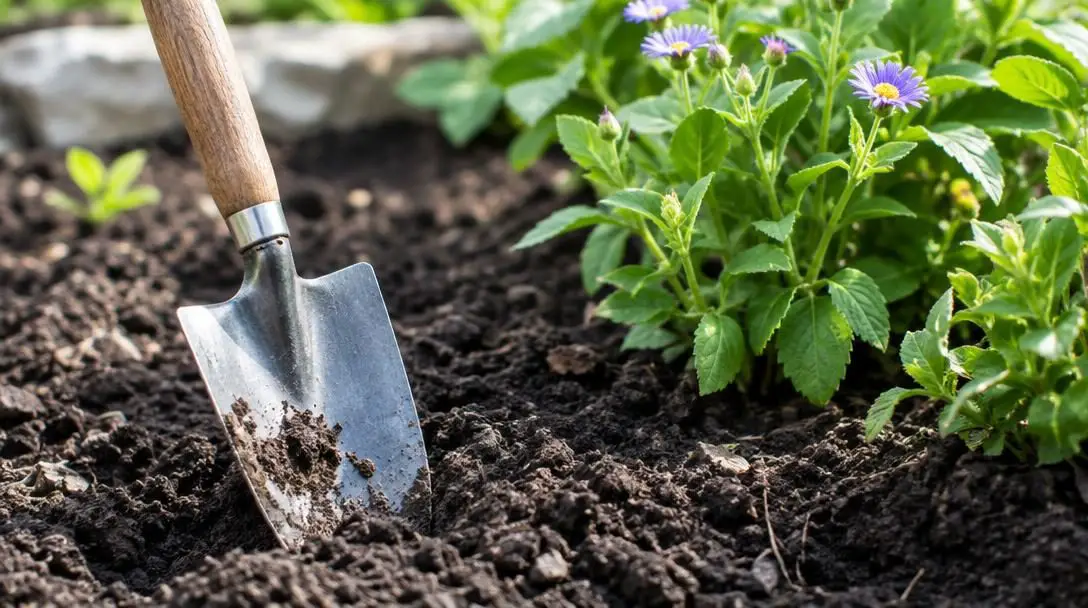
Carefully assess the light and moisture levels of each individual bed, and select varieties that match both the setting and your personal skill level. Beginners should lean toward rugged, easy-to-care-for varieties that tolerate occasional neglect. Furthermore, pay close attention to mature plant dimensions. A woody shrub that looks charming in a two-gallon container can quickly grow into a sprawling giant that swallows neighboring beds, blocks sunlight, or obstructs ground-floor windows.
Mistake 4: Overcrowding the garden
Patience is a virtue in landscape design, yet many gardeners fall into the trap of packing plants tightly together to achieve an instant, magazine-ready fullness on planting day. This practice creates severe resource competition as specimens mature. Densely clustered roots battle underground for the same finite reservoir of moisture and nutrients, while foliage above ground blocks valuable sunlight from lower leaves.
Crucially, tightly packed foliage drastically restricts natural air circulation. Without regular airflow, dew and rainwater remain trapped on leaf surfaces, creating ideal environments for fungal pathogens, powdery mildew, and rot. Always space plantings based on their mature height and spread recommendations. Grouping specimens with identical cultural requirements together ensures that high-water plants receive adequate irrigation without waterlogging their drought-tolerant neighbors.
A garden is not a static display but an evolving biological system that requires space to breathe and expand over time.
Mistake 5: Focusing too much on aesthetics
Visual appeal is undeniably important, but an outdoor space planned strictly for looks often ends up impractical and frustrating to maintain. An ornamental plot designed solely around color combinations may look pristine in photographs, but it quickly becomes a nuisance if it leaves no room for garden hoses, lacks a path to the tool shed, or blocks the natural foot traffic between your back door and the patio.
Balance artistic vision with practical utility. Begin by clarifying the primary function of your space: will it serve as a quiet retreat, a productive vegetable plot, a play zone for children, or an entertainment area for hosting guests? Ensure walkways are broad and unimpeded, confirm that water connections are easy to access without dragging hoses across delicate flowerbeds, and reserve comfortable open areas for everyday living.
How a well-designed garden system works
A thriving garden operates as an integrated biological system where underground structures and above-ground dynamics reinforce one another. Understanding this relationship helps gardeners solve problems before they start.
Underground, healthy soil rich in organic matter functions like a sponge, retaining essential moisture while draining excess water away from delicate root crowns. Soil microbes digest organic material, releasing trace elements that dissolve into water. Plant roots take up this nutrient-rich solution, transporting it upward into stems and foliage where it fuels photosynthesis. Avoiding excessive chemical fertilization protects the delicate chemistry of this soil-root barrier, keeping helpful organisms alive and preventing root burn.
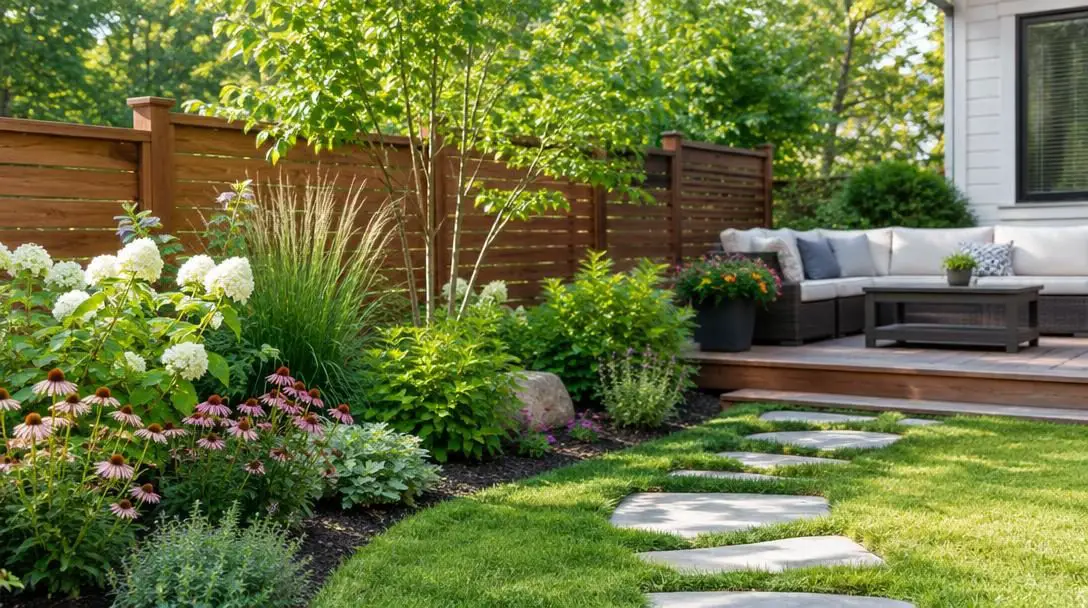
Above ground, light and airflow govern plant metabolism. Leaves harness light energy to manufacture sugars, but only if they receive the correct exposure for their species. Ensuring generous space between mature plants preserves steady airflow, drying foliage quickly after heavy rains and preventing fungal spores from gaining a foothold. Arranging plants in dedicated micro-zones based on similar light and moisture preferences makes watering efficient, eliminates waste, and minimizes maintenance labor across the entire yard.
Practical steps for designing your outdoor space
Transforming an overgrown or blank yard into an attractive landscape requires a methodical process. Working step by step prevents costly errors and establishes a resilient planting scheme.
- Evaluate the site and climate: Monitor your property across multiple times of day to map sunlight patterns, note frost-prone low spots, and observe how regional wind and precipitation affect different parts of your yard.
- Test and prepare the soil: Gather samples from several planting beds and run a comprehensive test for pH and mineral content. Till or turn in compost and organic matter to build soil structure and nutrient capacity before planting.
- Identify your garden's purpose: Define exactly what you want the space to provide, balancing recreational seating, dining areas, and play lawns with practical vegetable beds or ornamental borders.
- Select appropriate plants: Choose hardy species that correspond to your climate zone, specific sun conditions, and available maintenance time, prioritizing simple, resilient varieties if you are an inexperienced gardener.
- Map out mature spacing: Sketch your beds using the adult height and spread of each specimen, leaving generous clearance between plantings so they can mature without choking adjacent varieties.
- Group by cultural needs: Cluster plants with similar water, sunlight, and soil fertility requirements together in shared hydro-zones to streamline irrigation and care.
- Plant and establish care routines: Dig planting holes appropriate to each root ball, bed the plants into the prepared earth, provide deep initial watering, and create a steady routine that avoids over-fertilizing.
Common garden maintenance mistakes to watch for
Even the most meticulously designed garden can decline if ongoing maintenance routines are handled improperly. Gardeners must remain attentive to these persistent maintenance missteps:
- Over-fertilizing beds: Applying heavy doses of synthetic fertilizer forces rapid, weak growth, damages root tips, and leads to chemical imbalances in the soil.
- Inconsistent or inadequate watering: Shallow, irregular sprinkling discourages deep root growth; plants need thorough, deep soakings matched to their specific seasonal moisture needs.
- Neglecting soil maintenance over time: Soil care is an ongoing commitment; failing to replenish organic matter or mulch causes soil compaction and progressive nutrient depletion.
- Underestimating ongoing plant growth: Skipping seasonal pruning allows shrubs and perennials to crowd out paths, restrict bed ventilation, and cast unwanted shade on neighboring plants.
- Sacrificing practicality for fleeting trends: Installing delicate or high-maintenance specialty plants directly along high-traffic corridors creates constant maintenance headaches.
Planning for year-round enjoyment and evolution
A well-planned outdoor space is dynamic rather than static. As the seasons progress, plants move through distinct phases of emerging foliage, vibrant flowering, seed-head formation, and dormancy. When planning your beds, take care to incorporate species that provide interest during each season. Combining spring-blooming bulbs, summer-flowering perennials, vibrant autumn foliage, and the architectural silhouettes of winter evergreens ensures the yard never appears barren or neglected.
As your landscape matures over two, three, or five years, take time to observe which varieties thrive in your soil and which struggle. Prune back vigorous growers that begin to infringe on paths or crowd nearby beds, and do not hesitate to relocate a struggling specimen to a spot that better matches its light or drainage preferences. Continuously replenishing beds with fresh compost and adjusting care routines as your garden evolves will ensure that your landscape remains functional, resilient, and deeply rewarding for years to come.
Frequently asked questions
How do I know if my soil needs amendments before planting?
A comprehensive soil test is the most accurate way to check for mineral deficiencies and pH imbalances. Physical observation also helps: if your soil forms a dense, sticky clump that drains slowly, it has heavy clay; if water runs straight through without binding, it is sandy. Adding well-rotted compost improves the texture, aeration, and nutrient profile of both soil types.
Why is over-fertilizing so harmful to garden plants?
Excess fertilizer salts draw moisture out of root tissues, causing chemical root burn and stunting the plant's ability to absorb water. It can also disrupt the natural balance of beneficial soil microbes and force rapid, weak leafy growth that is exceptionally vulnerable to pests and environmental stress.
How can I tell if my garden beds are overcrowded?
Overcrowded gardens exhibit telltale symptoms: overlapping foliage that blocks light from lower branches, weak and leggy growth as stems compete for sun, and persistent fungal problems like powdery mildew caused by stagnant air. If plants spill outward over walkways or require continuous shearing to stay contained, they were spaced too closely.
What should beginners look for when choosing easy-to-care-for plants?
Beginners should seek out hardy native or well-adapted perennial species that tolerate fluctuating weather, resist regional pests, and require minimal pruning or supplemental feeding. Checking the mature dimensions on plant labels ensures the specimens will fit your space without constant trimming.
How does grouping plants by cultural needs save time and resources?
When plants with similar sunlight and hydration requirements are grouped into dedicated zones, you can irrigate and care for entire beds uniformly. This prevents problems like overwatering drought-tolerant varieties or underwatering thirsty plants, while cutting down on wasted water and maintenance hours.
The bottom line
Creating an exceptional landscape does not require professional horticulture credentials, but it does demand respect for the natural relationships between soil, weather, spacing, and species selection. By testing and improving your soil, matching varieties to your regional climate, giving plants sufficient room to reach their mature dimensions, and honoring the daily human use of your yard, you avoid the costly missteps that plague novice gardeners. With deliberate planning, thoughtful placement, and steady maintenance, your garden will develop into a balanced, flourishing sanctuary that provides lasting beauty and enjoyment season after season.