The Top 5 Garden Design Trends of the Year: Inspiration for Your Outdoor Space
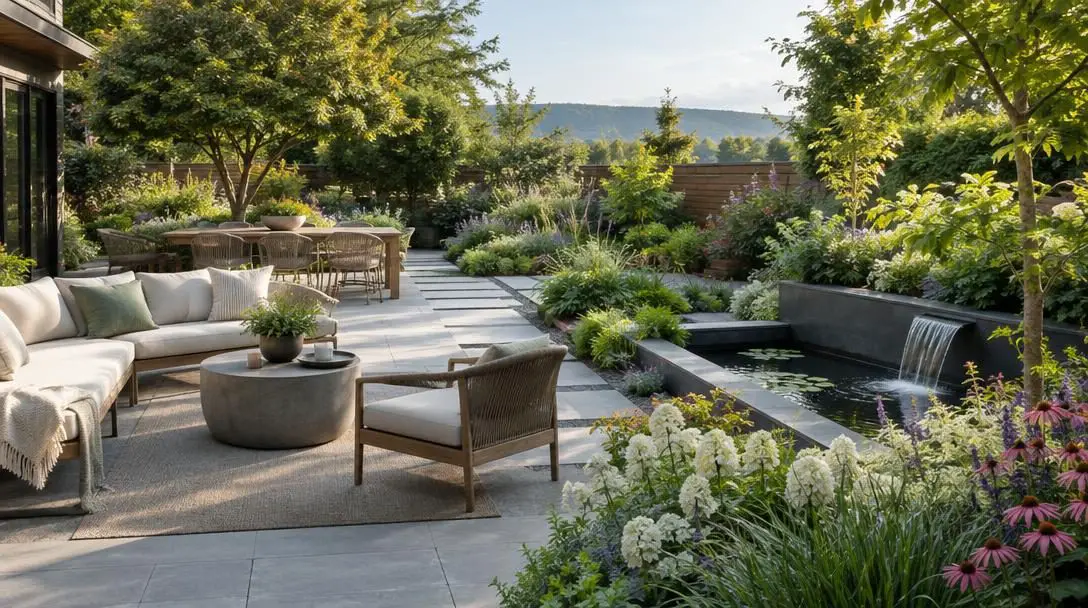
Gardening has long been cherished as a deeply fulfilling pastime, but domestic green spaces took on an entirely new significance following the COVID-19 pandemic. When everyday routines shifted dramatically and people began spending considerably more time at home, residential yards and patios rapidly transformed into indispensable personal refuges. Homeowners and plant enthusiasts turned to their outdoor environments to reconnect with nature, engage in rewarding physical activity, and relieve daily stress.
This lifestyle transition permanently altered how outdoor property is viewed and developed. Rather than treating a yard as an empty expanse of turf that demands routine mowing and weeding, property owners now prioritize intentional, modern landscape architecture. Contemporary garden design establishes an intentional harmony between visual beauty, everyday utility, mental well-being, and ecological respect, whether tailored to an urban courtyard, a suburban plot, or an expansive rural acreage.
Key takeaways
- Modern garden design balances visual appeal, functional utility, stress reduction, and ecological stewardship.
- Leading industry movements highlight naturalistic plantings, sustainable practices, fully equipped outdoor living spaces, cottage aesthetics, and bold geometric patterns.
- Combining native flora with organic soil care and water harvesting creates a resilient landscape that demands fewer chemical inputs and utility expenses.
- Successful yard transformations rely on assessing site conditions, establishing functional hardscapes first, and choosing plants based on mature dimensions.
The defining garden design trends of the year
Today's most influential landscape movements reflect a collective desire for environmental mindfulness alongside creative personal expression. Rather than imposing rigid, artificial boundaries on the landscape, gardeners are embracing organic movement, resource conservation, and seamless transitions between indoor and outdoor living areas. The following five trends stand out as the primary forces shaping domestic properties this year.
Naturalistic Design
- Core philosophy: Mimicking wild, regional landscapes rather than imposing rigid boundaries
- Plant palette: Regionally native species adapted to local soil and climate
- Hardscape materials: Weathered boulders, natural stone, and integrated water features
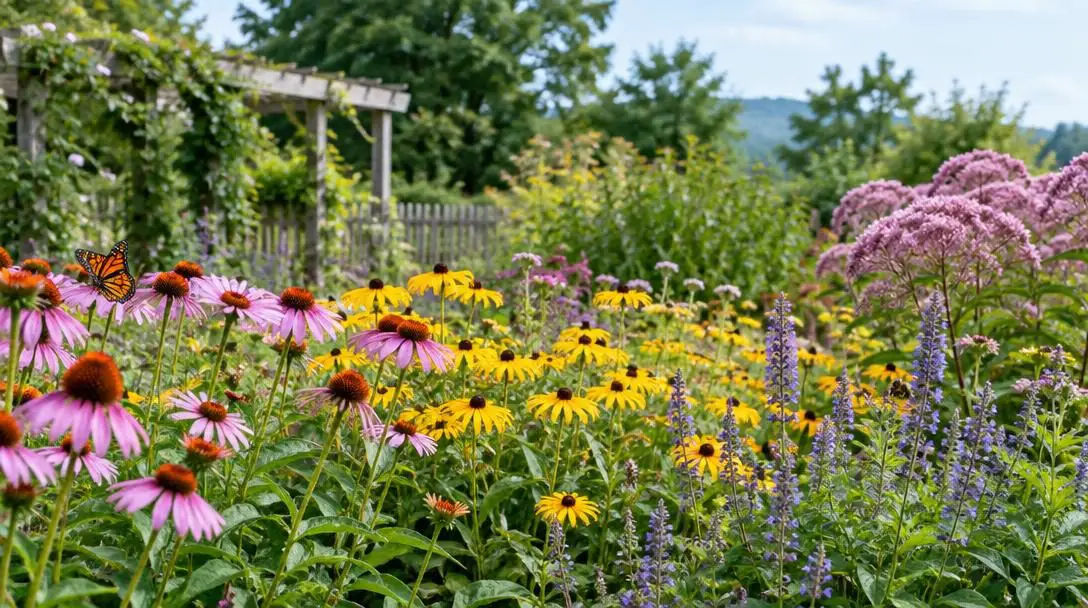
Naturalistic design centers on creating an unforced landscape that mirrors the balance and rhythm of wild environments. Instead of shearing shrubs into unnatural spheres or establishing strict geometric borders, this approach lets the natural growth habit of plants dictate the garden's character, blurring the line between managed property and regional ecosystems.
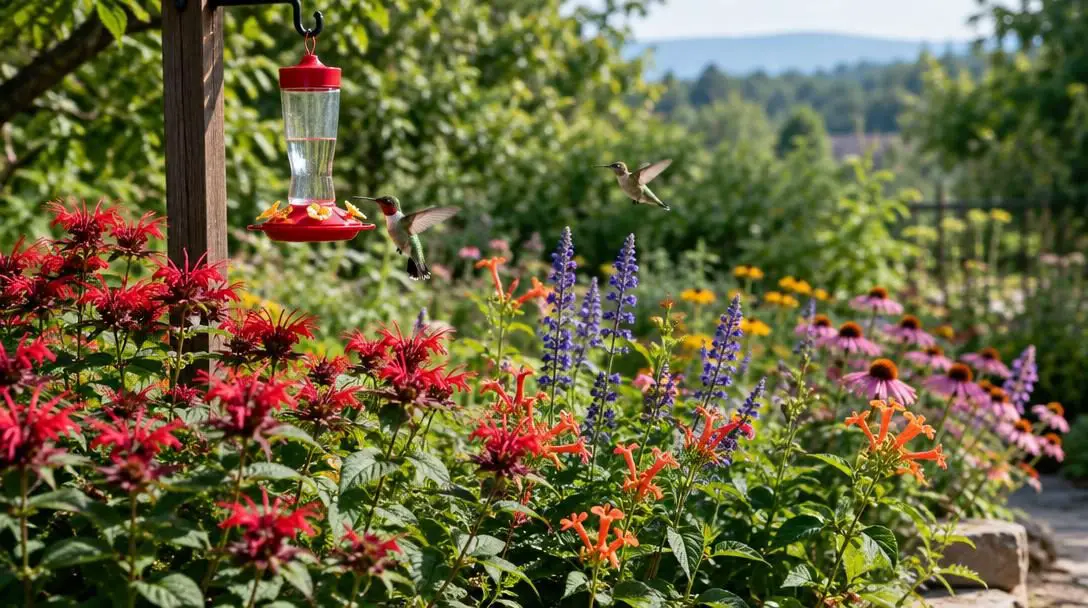
Central to this trend is the dedicated use of native plants. Because native flora co-evolved alongside regional weather patterns and indigenous soil compositions, these varieties establish deep root systems and show remarkable resilience. Gardeners who rely on native species discover that their beds thrive without depending on regular supplemental watering schedules, synthetic pesticides, or chemical fertilizers. Complementing the plant material, naturalistic hardscaping incorporates organic elements such as weathered field boulders, tumbled river rocks, and babbling water installations that introduce ambient sound and tranquil texture to the landscape.
Sustainable Gardening
- Core philosophy: Ecological resilience through waste reduction and conservation
- Soil nourishment: Homemade or locally sourced organic compost
- Water management: Rainwater catchment barrels and drought-tolerant cultivars
As environmental responsibility becomes an everyday priority for property owners, sustainable gardening has matured into a foundational movement rather than a passing fad. A sustainable plot is purposefully planned to remain durable, ecologically balanced, and easy to maintain across multiple seasons without depleting natural resources.
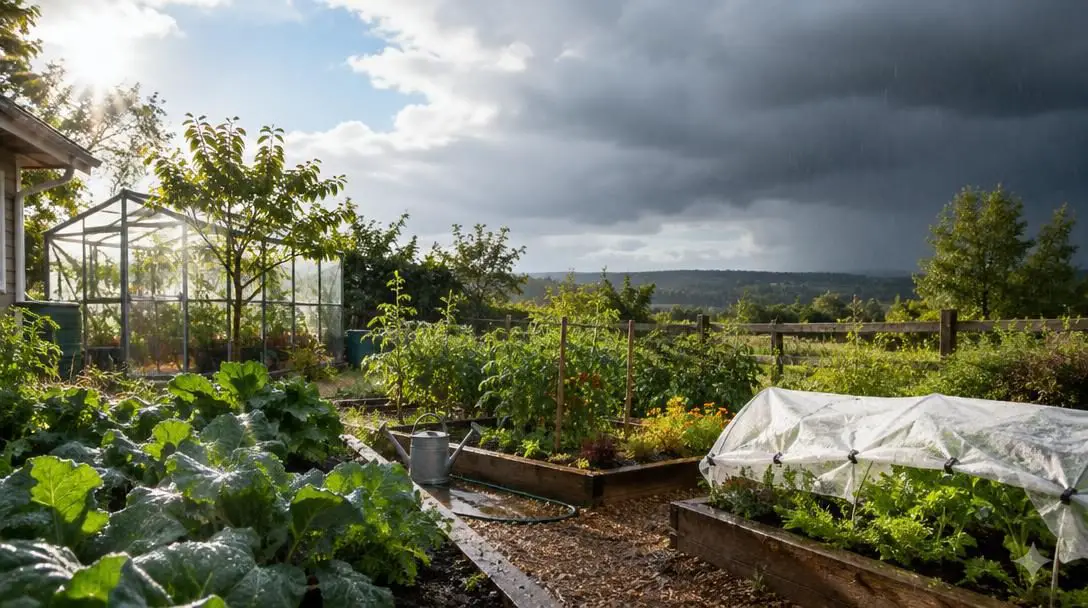
Gardeners embrace this movement by adopting organic cultivation techniques that protect and rebuild subterranean soil biology. Chemical fertilizers are abandoned in favor of nutrient-dense organic compost, which improves moisture retention, soil aeration, and microbial activity over time. Responsible water stewardship is another cornerstone of this design philosophy. Gardeners actively capture roof runoff using rain barrels positioned beneath downspouts and prioritize drought-tolerant species that withstand dry spells naturally. Furthermore, sustainable plots minimize physical refuse by eliminating disposable gardening supplies and single-use plastic nursery containers.
Outdoor Living Spaces
- Core philosophy: Extending everyday domestic life and relaxation outside
- Primary features: Patios, decks, outdoor kitchens, dining setups, and grills
- Comfort elements: Fire pits and fireplaces for cooler evenings
The contemporary yard is no longer separated from interior spaces; instead, outdoor living spaces serve as natural extensions of the home. Modern landscapes prioritize seamless transitions that encourage homeowners to cook, dine, gather, and unwind under the open sky with all the comforts normally reserved for indoor living rooms.
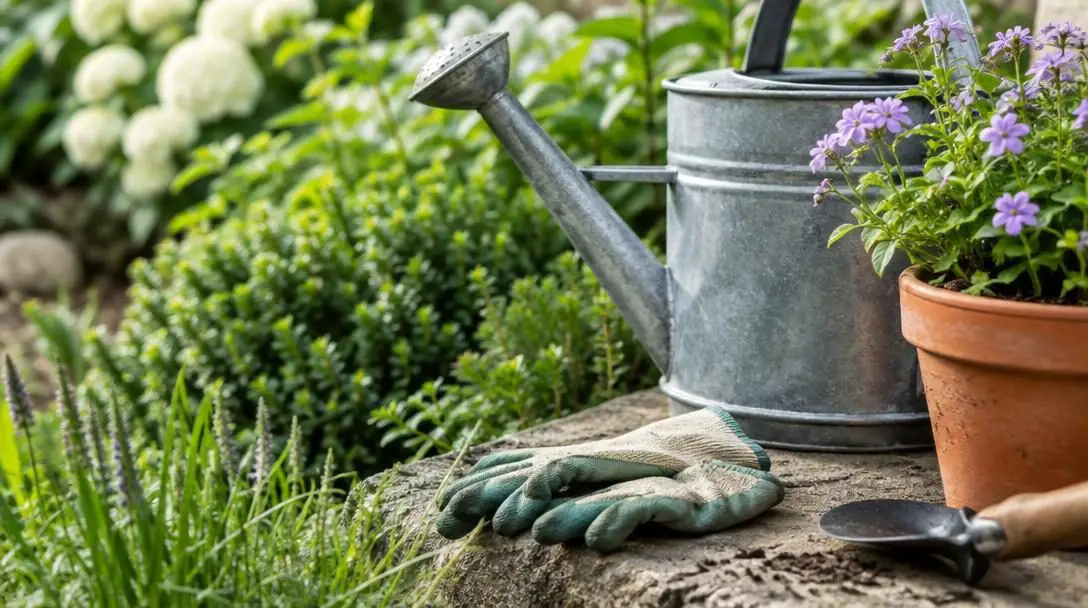
Decks and hardscape patios act as the foundational footprint for these living zones. Layouts frequently feature comfortable, weather-resistant seating arrangements, shaded dining setups, and fully realized outdoor cooking centers equipped with grills, smokers, and food preparation counters. To maximize usability across changing seasons, outdoor fireplaces and built-in fire pits serve as natural gathering hubs, providing welcoming warmth and ambient light during crisp autumn evenings and early spring gatherings.
Modern garden design reflects a balance between beauty, utility, personal well-being, and respect for nature.
Cottage Gardens
- Core philosophy: Informal, romantic abundance blending flowers and food
- Plant palette: Annuals, perennials, aromatic herbs, and edible produce
- Architectural accents: Wooden picket fences, arbors, and climbing trellises
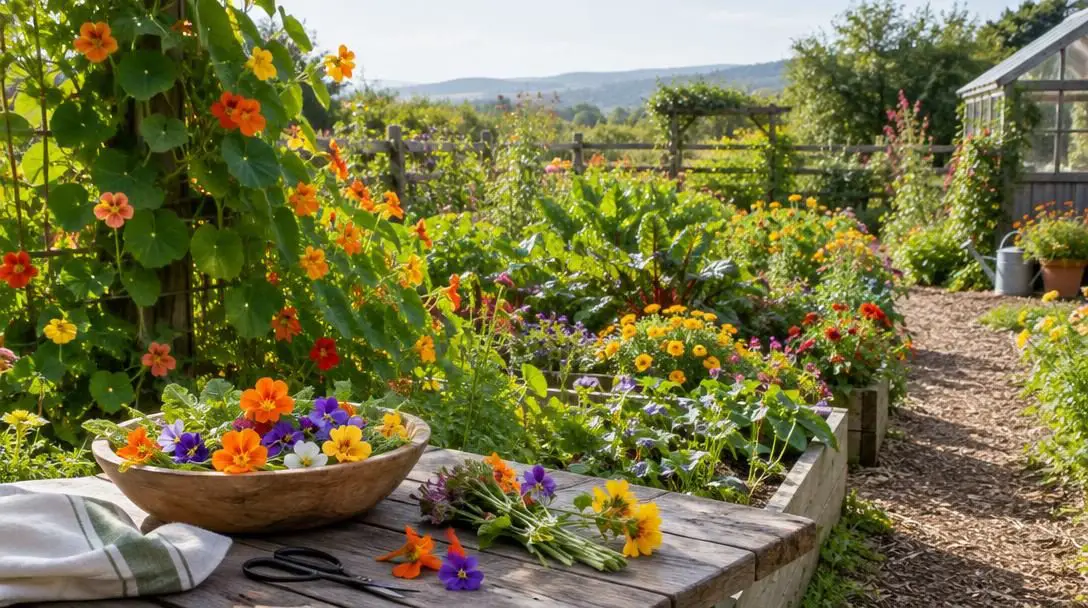
Celebrated for their whimsical, informal charm, cottage gardens are experiencing an enthusiastic revival among gardeners who crave romance and visual abundance. Departing completely from sterile, minimalist landscaping, cottage design revels in rich, dense layers of flowering ornamentals, culinary herbs, and fresh vegetables growing in close companionship.
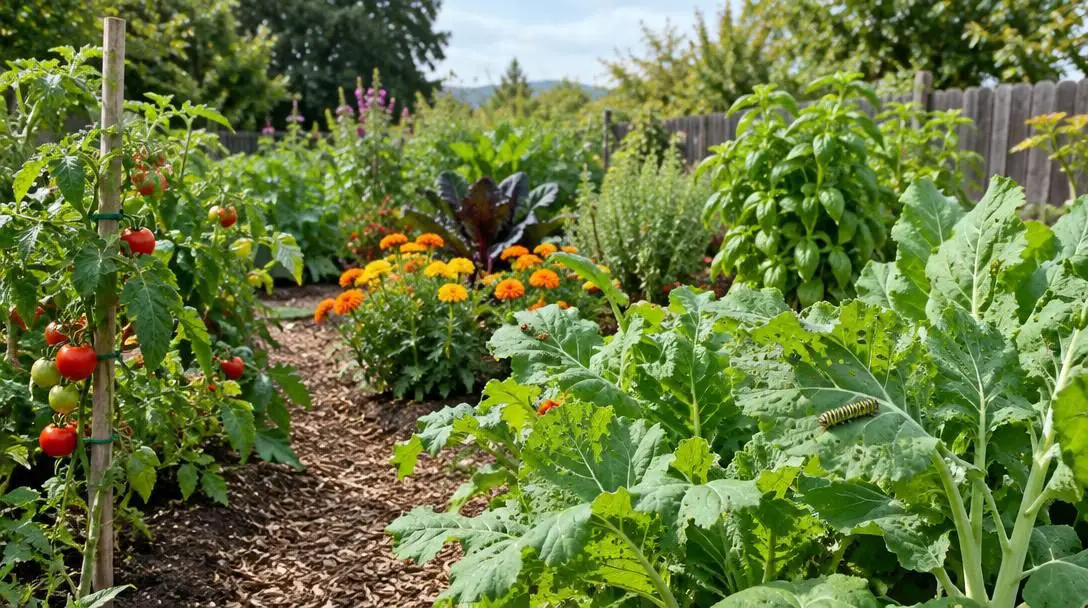
The hallmark of the cottage look is an unpretentious, lived-in atmosphere defined by meandering stone or gravel paths, traditional wooden picket fencing, and climbing trellises supporting flowering vines. Gardeners achieve this traditional aesthetic by selecting a vibrant mix of self-seeding annuals and hardy perennials suited to their soil and sunlight conditions. By tucking edible crops and fragrant herbs alongside decorative blooms, cottage borders evoke a timeless sense of rustic productivity.
Bold Colors and Patterns
- Core philosophy: Energizing outdoor spaces through dynamic visual contrast
- Color sources: Vivid floral arrangements, painted containers, and outdoor art
- Pattern elements: Geometric planting layouts and decorative paving stones
Stepping away from muted, monochromatic greens, the trend toward bold colors and patterns brings high-energy drama, playfulness, and personal character to residential yards. This approach uses deliberate contrasts to turn borders, patios, and walkways into vibrant visual focal points.
Gardeners achieve this electric aesthetic through dense plantings of saturated, jewel-toned blossoms complemented by vivid glazed pottery, painted garden sculptures, and decorative containers. Hardscape elements reinforce the theme through rhythmic patterning, utilizing geometric paving stones, decorative walkway tiles, and structured planting layouts that frame the explosive color palette with clean, intentional lines.
Comparing the top garden design trends
To help you determine which design philosophies best match your personal property, aesthetic tastes, and maintenance goals, the table below highlights the core elements of each trend at a glance.
| Trend | Primary Focus | Signature Planting Style | Key Structural Features |
|---|---|---|---|
| Naturalistic Design | Echoing native ecosystems | Indigenous regional perennials and grasses | Uncut boulders and natural water features |
| Sustainable Gardening | Resource conservation and resilience | Drought-tolerant and native species | Rain barrels and dedicated compost systems |
| Outdoor Living Spaces | Extending domestic life outdoors | Border plantings and accent patio containers | Patios, outdoor kitchens, and fire pits |
| Cottage Gardens | Romantic abundance and informality | Interplanted annuals, perennials, and edibles | Picket fences, arbors, and trellises |
| Bold Colors and Patterns | High-impact visual drama | Saturated floral displays and geometric beds | Patterned tile paving and colorful pots |
Harmonizing diverse landscape styles
While each of these five movements presents a distinct point of view, they are not mutually exclusive. In fact, the most engaging and enduring residential landscapes frequently integrate multiple trends into a single cohesive property plan. Understanding how these styles interact allows property owners to borrow features from different aesthetics without producing visual chaos or unwieldy maintenance demands.
The free-flowing charm of cottage plantings blends effortlessly with naturalistic and sustainable philosophies. Because cottage gardens emphasize dense, diverse plant groupings rather than sprawling lawns, they pair naturally with eco-friendly principles. Gardeners can easily build a cottage border populated by drought-tolerant native perennials, which conserves municipal water while offering abundant forage for native pollinators. Nourishing those same cottage beds with rich organic compost eliminates synthetic fertilizers while cultivating resilient, self-sustaining soil biology.
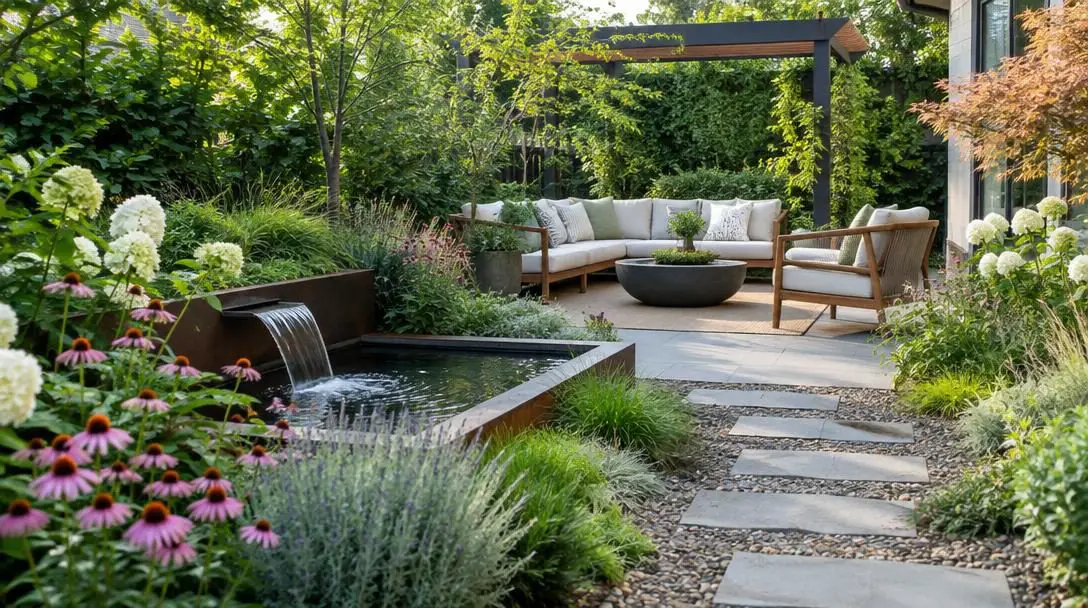
Similarly, hardscaped outdoor living zones rely on surrounding vegetation to feel comfortable and grounded. An expansive entertaining patio or outdoor kitchen can appear stark and sterile if isolated in a bare lawn. By bordering living spaces with meandering cottage paths, naturalistic rock groupings, or vivid container arrangements, the hardscape integrates comfortably into the environment. Incorporating patterned pavers or geometric tiles on the patio floor infuses bold structural energy, while adjacent beds soften the perimeter with cascading foliage.
Step-by-step guide to transforming your yard
Redesigning an outdoor area can feel daunting, but breaking the project into structured, logical phases ensures that your time and financial investment produce stunning, long-term results. Follow this sequence to upgrade your landscape methodically:
- Evaluate your site conditions: Spend time charting your yard throughout the day, noting prevailing sun patterns, deep shade, wind exposure, soil drainage tendencies, and natural footpaths between house doors and outdoor amenities.
- Establish your primary lifestyle priorities: Determine how you plan to use the space daily. Decide whether your priority is open-air hosting and cooking, quiet personal relaxation around a fire, or hands-on cultivation of edible crops and native flora.
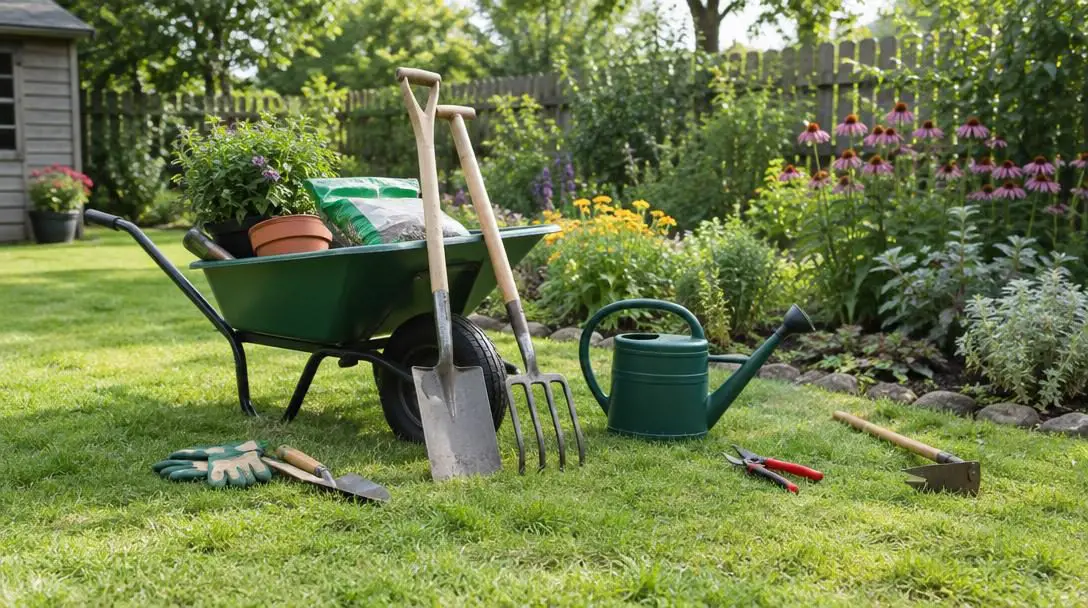
- Prepare the foundation and soil: Clear out unwanted debris, weeds, and struggling turf. Incorporate liberal amounts of organic compost into the existing topsoil to enhance aeration, moisture retention, and microbial health without relying on chemical additives.
- Map out hardscape and pathways: Build the primary architectural elements before purchasing plants. Construct your patio or deck, install the fire pit, position arbors or trellises, and lay down walkways using natural stone or patterned pavers to establish foot traffic circulation.
- Set up water collection: Position rain barrels under gutter downspouts near your intended planting zones to establish a dependable, free, and sustainable source of irrigation before the growing season begins.
- Select and install plants strategically: Group native and drought-tolerant perennials, annuals, herbs, and edible crops according to their sunlight and moisture requirements. Lay them out in naturalistic drifts, dense cottage borders, or geometric beds depending on your chosen theme.
- Introduce accents, color, and comfort: Complete the space with weather-rated patio furnishings, an outdoor grill or smoker, decorative containers, outdoor sculptures, and vibrant accent pots to inject warmth and personal character.
Common garden design mistakes to avoid
Upgrading a landscape involves numerous choices, and minor oversights during the planning phase can quickly lead to costly repairs, plant loss, or excessive maintenance. Keep these common pitfalls in mind as you map out your space:
- Overlooking mature plant sizes: Crowding young nursery specimens together for instant fullness causes severe overcrowding within two to three seasons, resulting in restricted airflow, root competition, and disease.
- Ignoring local growing requirements: Purchasing plants solely for their cosmetic appeal at the nursery often leads to failure if those varieties are poorly suited to your regional climate, sun exposure, or soil pH.
- Relying too heavily on synthetic solutions: Attempting to force plant performance through synthetic fertilizers and chemical pesticides degrades soil ecology and runs counter to sustainable practices.
- Underestimating functional space needs: Installing a patio that is too small leaves guests cramped, causes chair legs to slide off the pavers into surrounding soil, and restricts comfortable movement around dining tables and cooking equipment.
- Neglecting hardscape integration: Placing modern structural elements like fire pits or dining slabs in isolation without integrating surrounding plantings or organic boulders creates a jarring, disconnected appearance.
Key considerations before starting your project
Before breaking ground or purchasing materials, take time to weigh your personal schedule against the maintenance demands of your preferred styles. While naturalistic and sustainable yards become exceptionally low-maintenance once fully rooted, their initial establishment phase requires attentive weeding, watering, and soil monitoring. Conversely, cottage gardens packed with climbing vines, produce, and mixed perennials require consistent seasonal staking, pruning, deadheading, and harvesting. Be candid about how many hours each week you genuinely enjoy spending on garden upkeep.
Regional climate factors must also guide your choices. If you live in an area prone to seasonal droughts or municipal water restrictions, prioritizing rain barrels, drip lines, and native drought-tolerant species is essential. If your region experiences cold evening weather, allocating a larger portion of your budget toward an outdoor fireplace or fire pit will ensure you can use your outdoor living room across three or four seasons rather than just the warmest summer months.
Finally, treat your landscape renovation as an ongoing, multi-stage journey rather than a single weekend project. Tackling improvements in logical phases—such as building soil health and water harvesting systems in year one, laying patios and pathways in year two, and perfecting decorative accents in year three—keeps the transformation financially manageable and deeply rewarding.
Frequently asked questions
How do native plants support sustainable garden design?
Native plants have naturally evolved alongside regional weather patterns, insects, and soil conditions. As a result, they develop deep root systems that thrive without heavy supplemental watering, chemical fertilizers, or synthetic pesticides, making them inherently low-maintenance and eco-friendly.
Can an outdoor living space work in a smaller backyard?
Yes. Even modest yards and urban courtyards can accommodate outdoor living spaces by scaling furniture appropriately, using multi-functional features like fire tables, and utilizing vertical structures like trellises to add lush greenery without taking up precious floor space.
What is the difference between a naturalistic garden and a cottage garden?
While both styles celebrate informal layouts over rigid geometry, naturalistic gardens focus specifically on native flora, wild landscape textures, boulders, and regional ecosystems. Cottage gardens emphasize romantic, dense mixtures of ornamentals, climbing vines, herbs, and edible produce alongside architectural elements like picket fences and arbors.
Why is organic compost preferable to chemical fertilizers?
Chemical fertilizers provide a temporary spike in plant nutrients but do nothing to improve soil structure and can harm beneficial subterranean microorganisms. Organic compost enriches the soil biology naturally, enhancing long-term moisture retention, soil aeration, and nutrient availability without synthetic runoff.
How can I introduce bold colors without overwhelming my landscape?
You can balance vibrant color displays by framing them with neutral hardscapes, dark green foliage, or structured geometric paving. Using saturated colors primarily in accent containers, floral drifts, or decorative outdoor art keeps the energy high while maintaining visual harmony.
The bottom line
The contemporary evolution of domestic gardening demonstrates that our outdoor environments are far more than ornamental yards; they are vital sanctuaries that foster wellness, connection, and environmental stewardship. Whether you choose the untamed serenity of naturalistic design, the ecological responsibility of sustainable gardening, the everyday comfort of an outdoor living room, the romantic charm of a cottage border, or the dynamic energy of bold colors and geometric patterns, thoughtful planning is key. By evaluating your site, respecting your local climate, and taking a phased approach to installation, you can create a resilient, rewarding outdoor space that enhances your lifestyle for many years to come.