The Top 5 Garden Mistakes to Avoid for a Successful Harvest
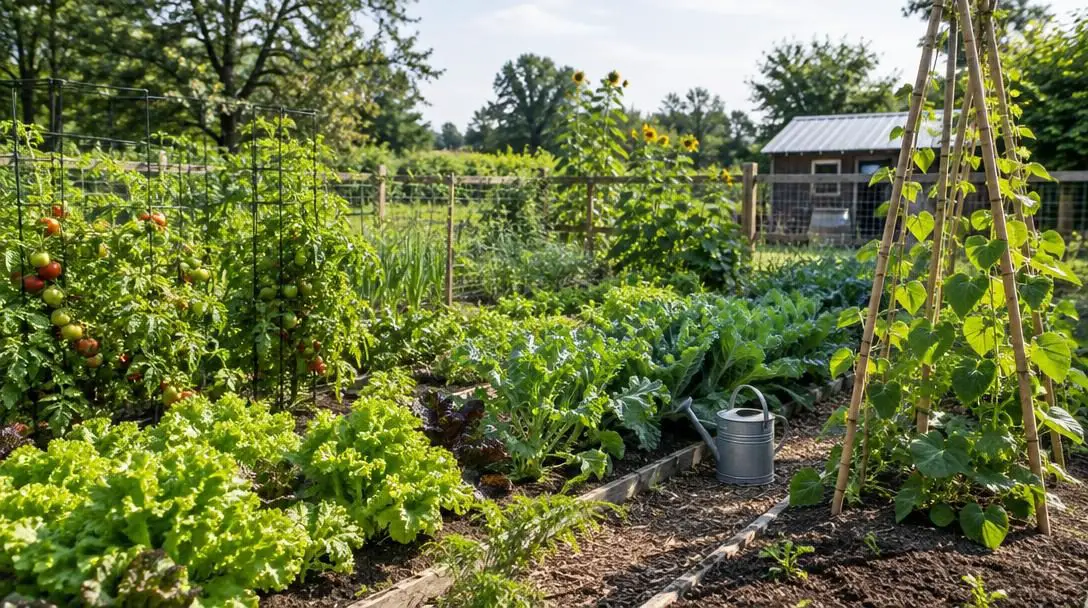
Cultivating a personal food garden is one of the most rewarding outdoor pursuits, offering direct access to crisp, homegrown produce while connecting growers intimately with the seasonal rhythms of the natural world. Tending edible vegetables, fruits, and herbs provides rewarding physical activity and dependable control over how your food is raised. Yet, coaxing a plentiful harvest from the earth involves far more than simply pressing seeds into a plot of dirt and hoping for the best.
Even seasoned horticulturists encounter setbacks when basic biological requirements are overlooked or misunderstood. Edible plants depend on a fragile equilibrium of moisture, subterranean oxygen, solar radiation, balanced fertility, and defense against destructive organisms. When plants fail to thrive, frustrated beginners frequently assume they lack an inherent talent for cultivation. In truth, productive gardening is a learned craft grounded in environmental awareness, and steering clear of a few critical stumbling blocks can transform struggling beds into a thriving, resilient ecosystem.
Key takeaways
- Over-saturating garden beds deprives roots of essential subterranean oxygen, creating conditions primed for rot and fungal pathogens.
- Overcrowding seedlings sparks fierce competition for soil nutrients and overhead sunlight, ultimately stunting overall crop development.
- Fruiting and leafy crops depend on at least six to eight hours of direct daily sunlight to fuel the energy-intensive process of photosynthesis.
- Compacted clay, deficient drainage, and depleted organic content prevent root networks from absorbing necessary moisture and vital minerals.
- An integrated defense strategy combining companion planting, physical barriers, and beneficial predators stops destructive insects before widespread leaf damage occurs.
The top five garden mistakes that undermine your harvest
When yields fall short of expectations, the cause can almost always be traced back to foundational environmental stressors. Plants communicate their distress through slow growth, discolored foliage, lack of blossoms, or sudden wilting. By learning to identify the five most frequent stumbling blocks early in the growing season, gardeners can safeguard their investments of time, physical effort, and resources.
| Mistake | Primary Risk Factor | Visible Plant Symptoms | Recommended Solution |
|---|---|---|---|
| Over-Watering | Oxygen deprivation and saturated root zones | Wilting despite wet soil, fungal mold, and root rot | Wait until the top inch of soil feels dry before watering |
| Planting Too Close Together | Resource competition and stagnant airflow | Spindly stems, stalled growth, and low crop yields | Follow seed packet spacing guides and thin young seedlings |
| Not Providing Enough Sunlight | Insufficient solar energy for photosynthesis | Leggy growth, absent flowers, and stunted development | Select sites with six to eight hours of full sun or choose shade-tolerant crops |
| Using Poor Quality Soil | Nutrient starvation, compaction, and improper drainage | Stunted roots, poor mineral uptake, and weak vigor | Conduct soil testing and amend beds with compost and leaf litter |
| Neglecting Pest Control | Rapid population surges of destructive feeders | Chewed stems, ragged holes in leaves, and defoliation | Combine physical netting, predatory insects, and companion planting |
Over-Watering
Pouring too much water into garden soil is arguably the most widespread error committed by enthusiastic beginners. While moisture is an absolute biological necessity for vegetative development, an overabundance of water creates a hostile underground environment. When soil remains persistently drenched, microscopic air pockets between dirt particles become completely filled with liquid. Deprived of oxygen, subterranean root networks suffocate and die back. This physiological trauma leaves the plant exceptionally vulnerable to fungal diseases, mold, and destructive root rot. Paradoxically, an over-watered crop often wilts exactly like a thirsty one, because its decaying root system can no longer conduct moisture up into the stems.
Planting Too Close Together
When working with modest garden plots or raised containers, growers are frequently tempted to cram seedlings tightly together in a bid to maximize their spatial footprint. However, crowded plantings invariably trigger aggressive competition both above and below the soil surface. Beneath the ground, root networks tangle and struggle over the exact same localized pocket of moisture and dissolved minerals. Above ground, overlapping canopies cast deep shade across adjacent leaves, starving companion crops of overhead illumination. This spatial bottleneck limits physical expansion, stalls development, and drastically cuts harvest numbers.
Not Providing Enough Sunlight
Sunlight represents the fundamental energy source that drives botanical life, providing the raw illumination needed for photosynthesis. Inexperienced gardeners frequently make the mistake of situating their plots alongside tall privacy fences, dense tree lines, or the shaded sides of residential structures. Without adequate solar exposure, crops cannot synthesize the carbohydrates and sugars needed to build sturdy cellular walls, set fragrant blossoms, or mature heavy fruits. Vegetables grown in dim conditions display anemic, pale coloring, weak and elongated stems that lean toward the light, and severely depressed harvests.
Using Poor Quality Soil
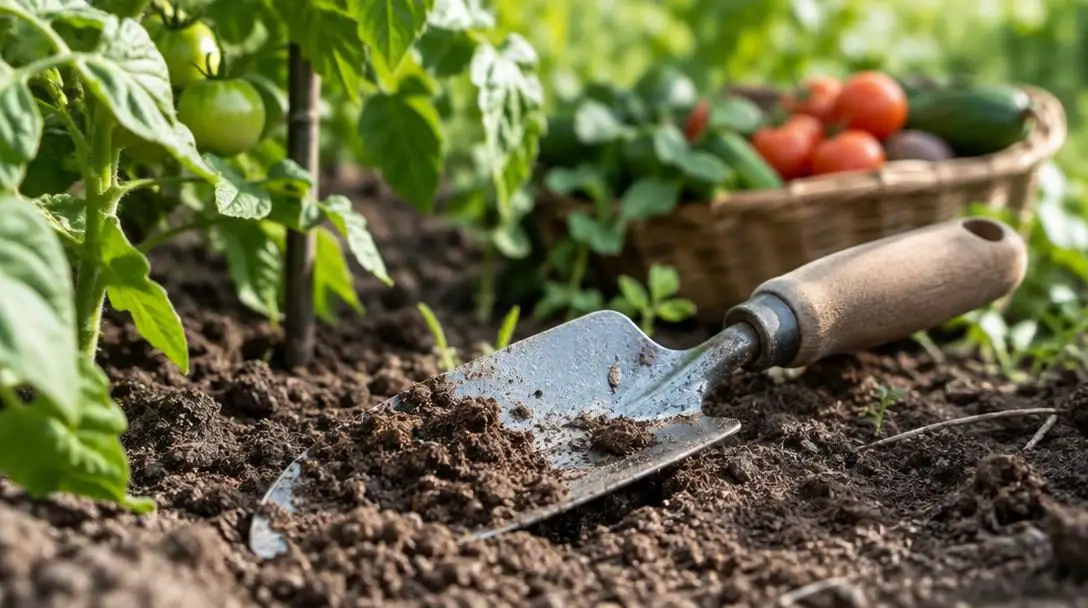
A garden is only ever as vigorous as the earth in which its roots are anchored. Sowing seeds directly into poor-quality ground—such as dense, unconditioned clay or coarse, mineral-deficient dirt—severely curtails a plant's potential from day one. Soil that lacks wholesome organic structure either compacts into an impenetrable barrier that resists root expansion and retains suffocating pools of water, or drains so rapidly that moisture and dissolved nutrients leach away before crops can absorb them. Without adequate soil texture and fertility, plants exhibit stunted growth, chlorotic leaves, and disappointing yields.
Neglecting Pest Control
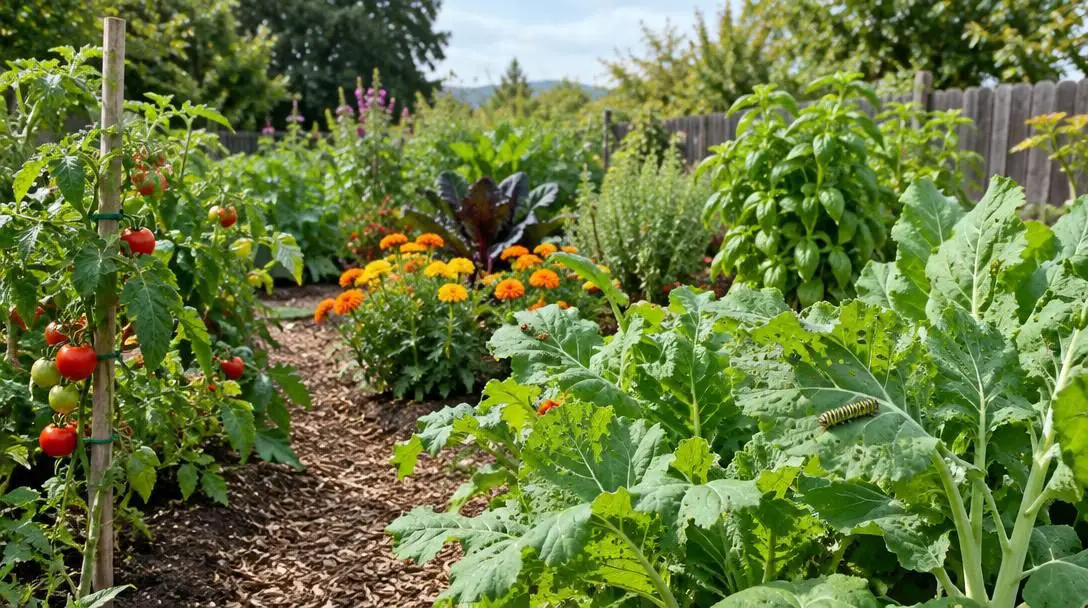
Garden pests arrive in diverse forms and can ruin months of diligent labor in a matter of days if left unchecked. Pests such as soft-bodied aphids, destructive caterpillars, nocturnal slugs, and snails feed aggressively on tender vegetable tissues. They chew ragged holes through expansive leaves, rasp away outer stem layers, sever young seedlings at the soil line, and vector harmful viral diseases. Treating pest control as an afterthought allows small, manageable insect colonies to multiply into overwhelming infestations that arrest crop development and destroy edible produce before harvest day.
Gardening success is a learned practice built on understanding fundamental environmental elements: moisture control, plant spacing, light exposure, soil texture and fertility, and biological competition.
How soil, water, light, and spacing work together
To successfully prevent these common pitfalls, gardeners must understand how plants operate as unified biological organisms interacting dynamically with their immediate surroundings. A change in one environmental factor inevitably ripples through every other aspect of the plant's physiological processes.
Beneath the surface of the bed, roots need a balanced combination of moisture and gaseous oxygen. Healthy, fertile soil consists of solid mineral aggregates interspersed with open pore spaces. When soil contains ample organic matter, it functions like a well-regulated sponge: it absorbs adequate moisture while allowing excess water to drain freely downward, pulling fresh air into the soil profile behind it. If a gardener over-waters, or if the soil is packed with dense, unamended clay, those structural voids stay inundated. Roots suffocate, and opportunistic fungi attack the soft, vulnerable tissues, rendering the plant incapable of taking up hydration or soil-bound minerals.
Above the ground, solar exposure powers the conversion of carbon dioxide and water into vital plant sugars. Most edible garden crops require a minimum of six to eight hours of direct, unobstructed sunlight every day to fulfill this energy budget. When plants are situated too close together, dense canopies block sunlight from reaching the lower foliage. At the same time, tightly packed vegetation creates stagnant pockets of humid air around stems and wet leaves, establishing a damp microclimate where powdery mildew, leaf spot, and destructive pests thrive undisturbed.
Step-by-step practical remedies for a thriving plot
Overcoming these environmental hurdles does not require specialized scientific equipment or expensive commercial interventions. Adopting systematic, consistent gardening habits provides your crops with the balanced conditions they need to flourish.
- Conduct a soil test before planting: Use an accessible home test kit or submit samples to a regional agricultural lab to analyze existing nutrient balances and texture. Once the baseline is established, incorporate organic amendments such as aged compost, well-rotted manure, or leaf litter to balance soil fertility, enhance drainage, and lighten dense clay.
- Map seasonal sunlight patterns: Monitor your prospective garden site throughout the day to confirm it receives at least six to eight hours of uninterrupted solar radiation. If surrounding trees or structures cast prolonged shade, relocate the plot to an open exposure or shift your crop focus toward shade-tolerant greens and herbs.
- Follow seed spacing guidelines meticulously: Check the reverse side of seed packets to determine the exact mature dimensions of your crops. Space rows and individual plantings accordingly, and thin crowded seedlings promptly after germination so the strongest specimens have room to expand unimpeded.
- Regulate watering with the finger test: Before picking up the hose, insert your finger into the soil down to the first knuckle. If the top inch of dirt feels moist, delay watering; if it feels dry, apply moisture. Water deeply early in the morning when cooler ambient temperatures reduce rapid evaporation.
- Establish a layered pest defense: Protect vulnerable crops against aphids, caterpillars, slugs, and snails by installing physical insect netting, practicing companion planting to deter pests, and encouraging predatory beneficial insects that feed on unwanted garden bugs.
Common missteps beyond the basics
Even after gardeners recognize the primary pitfalls, subtle mistakes in execution can introduce fresh obstacles to a productive growing season. Staying alert to secondary management errors keeps vegetable beds operating smoothly and efficiently throughout the summer months.
- Wetting the foliage instead of the root zone: Spraying water directly across the upper leaves saturates plant foliage unnecessarily. This lingering moisture creates prime conditions for foliar mold, blight, and fungal spores. Direct the water stream low to the ground, applying moisture straight to the soil surrounding the plant's base.
- Adding amendments based on guesswork: Spreading heavy applications of synthetic fertilizer or soil conditioners without prior testing can trigger severe nutrient toxicities and alter soil chemistry, burning root hairs and stunting plant development.
- Overlooking the mature dimensions of seedlings: It is easy to underestimate the spatial needs of tiny, fragile seedlings when tucking them into spring soil. Forgetting how large crops will become by midsummer causes severe late-season crowding, reduced airflow, and reduced yields.
- Relying on a single pest intervention: Depending entirely on one reactive treatment after leaf damage is already severe rarely solves an insect outbreak. Resilient gardens employ multiple preventative barriers, companion species, and natural biological controls working in concert.
- Ignoring shifting sunlight angles: An area bathed in full sun during early spring may become overshadowed as surrounding deciduous trees leaf out or as the sun tracks across different elevations in high summer. Regular spatial observation prevents crops from losing their required six to eight hours of direct light.
Frequently asked questions
How can I tell if my garden soil has too much clay?
Soil with an excessively high clay content feels sticky when damp, rolls into a tight, slick ball without crumbling, and forms hard, cracked clods when dry. Clay soil drains slowly, holding standing water for extended periods after rain, which restricts root growth unless it is improved by adding organic matter like compost and leaf litter.
Why should I water my vegetable garden early in the morning?
Watering early in the morning takes advantage of cooler ambient temperatures and calmer air, minimizing moisture loss from evaporation. It gives root systems adequate time to absorb deep hydration before the heat of the day sets in and allows any accidental splashes on foliage to dry quickly, reducing the likelihood of fungal disease.
What should I do if my garden gets less than six hours of sunlight?
If your garden plot receives less than the six to eight hours of direct light required by heavy-fruiting crops like tomatoes or squash, consider shifting your beds to a less obstructed location. Alternatively, adapt your planting plan by choosing shade-tolerant vegetables such as leafy greens, spinach, lettuce, and certain herbs that perform well in partial sun.
How do physical barriers help with garden pest management?
Physical barriers such as lightweight insect netting, floating row covers, and garden fences physically exclude flying insects, caterpillars, snails, and larger wildlife from reaching vulnerable plant stems and foliage. This prevents pests from feeding and laying eggs on crops without resorting to chemical interventions.
How do I know when it is time to thin out crowded seedlings?
Seedlings should be thinned as soon as they produce their first set of true leaves and begin encroaching on their neighbors. Thinning early eliminates underground root tangling and ensures that the healthiest remaining individual plants have unobstructed access to soil nutrients, moisture, and light.
The bottom line
Cultivating a flourishing food garden is an ongoing educational journey rather than an effortless, one-time task. When harvest yields suffer, the issue is rarely a lack of natural gardening talent; more often, it is a sign that basic biological needs—proper hydration, open spacing, sufficient sunlight, nutrient-dense soil, or pest control—have slipped out of balance. By taking the time to test your soil, observe daily solar cycles, regulate irrigation, and provide every crop with room to mature, you establish an optimal growing environment.
Make a habit of performing a brief daily inspection of your beds each morning. Check the moisture level in the top inch of soil, inspect the undersides of leaves for signs of aphids or caterpillars, and record your observations in a simple gardening notebook. Documenting what works across each microclimate in your yard builds a personalized repository of horticultural knowledge, guaranteeing that each subsequent planting season delivers healthier plants and an ever more bountiful harvest.