Trees Hug Back! The Benefits of Being Nurtured by Nature

Whether you have ever considered yourself an avid nature enthusiast, an outspoken tree hugger, or simply someone trying to get through a busy week, the natural world offers a quiet form of reciprocity: trees metaphorically hug back. Immersing yourself in green surroundings triggers meaningful emotional and physiological shifts, offering an accessible counterweight to modern habits centered on endless desk-sitting, sofa-surfing, and indoor screen routines.
The human impulse toward green spaces is far more than poetic sentimentality. It forms the foundation of ecopsychology, a legitimate branch of psychological study dedicated to uncovering the intricate ties between the human mind and the natural environment. As modern lifestyles increasingly isolate people within climate-controlled, artificial enclosures, researchers are documenting what traditional intuition long understood: human beings are biologically calibrated to thrive when they maintain a regular connection with living landscapes, open skies, and fresh air.
Key takeaways
- Ecopsychology explores how direct contact with living environments repairs the psychological and biological strain of indoor-dominated living.
- Spending time in nature reduces stress hormones and is linked to healthier, lower-crime communities.
- Outdoor exposure introduces diverse environmental microorganisms that act as practice drills to train and sharpen the immune system.
- Gazing across varied landscapes exercises ocular muscles, offering vital protection against nearsightedness and screen-related visual fatigue.
- Engaging with outdoor green spaces nurtures pro-social behavior and significantly relieves feelings of personal isolation.
The Science of Ecopsychology and Human Well-Being
For the vast majority of our species' history, daily existence was anchored to natural light, seasonal shifts, and direct contact with soil and vegetation. In contrast, modern conveniences have confined everyday routines inside walls, under fluorescent tubes, and behind monitors. Ecopsychology emerged specifically to examine the biological and mental friction generated by this unprecedented separation between humans and the biosphere.
Rather than treating the human brain as an isolated entity functioning in a vacuum, ecopsychology examines the mind as an organic system integrated with the wider living planet. Prolonged detachment from the outdoors is closely associated with chronic mental fatigue, nervous tension, and a lingering sense of disconnection. By examining how natural stimuli affect our neurology and physiology, ecopsychologists demonstrate that spending time among trees is not an eccentric indulgence, but an indispensable foundation of everyday wellness.
Acknowledging that trees metaphorically hug back simply means recognizing that every moment spent outdoors generates real, tangible returns for human health.
Five Documented Health Benefits of Spending Time Outdoors
The therapeutic impact of stepping into natural surroundings is broad, documented across diverse physiological systems. When you leave built structures behind, your cardiovascular, visual, immune, and emotional networks respond almost immediately.
Lower Stress Levels
Stepping outside serves as a rapid biological reset when tension, irritability, or emotional overload peak. Research within ecopsychology indicates that immersing oneself in green spaces substantially lowers stress levels throughout the body, dampening overactive fight-or-flight reactions. Furthermore, time spent outdoors builds emotional resilience, training the nervous system to handle future challenges with greater balance.
This calming influence extends beyond individual physiology to whole neighborhoods. A notable study of 2,000 people in the UK revealed that communities where residents spent more time in nature also experienced much lower crime rates. Living among trees and accessible greenery appears to nurture a collective sense of calm and social harmony.
Enhanced Immune System Function
Modern hygiene standards, while critical for preventing pathogens, often seal individuals into hyper-sterilized indoor bubbles. Spending time in natural open spaces introduces your respiratory system and skin to a diverse spectrum of harmless, naturally occurring environmental microorganisms. These friendly microbes act as practice drills for your white blood cells and defense pathways.
By engaging with these benign organic organisms, your immune system rehearses its cellular response cycles. This biological conditioning keeps your physical defenses primed and alert, ensuring that when an actual virus or bacterial illness strikes, the body is ready to mount a swift, targeted defense and help you recover much faster.
Restorative Relaxation
Unwinding at the end of the day can feel nearly impossible when your senses have been bombarded by notifications, artificial office illumination, and persistent mental chatter. Taking a short walk outdoors during daylight hours provides a potent remedy. Sunlight and open air stimulate the release of calming neurochemicals, setting the stage for mental peace and smoother evening transitions.
The subtle, organic stimuli of the outdoors—the rhythm of wind through branches, the warm sensation of sunlight on your face, and the scent of damp foliage—quiet an overstimulated nervous system. Incorporating outdoor movement into your waking schedule establishes the internal equilibrium needed to achieve deeper, more restorative rest at night.
Reduced Loneliness and Greater Connection
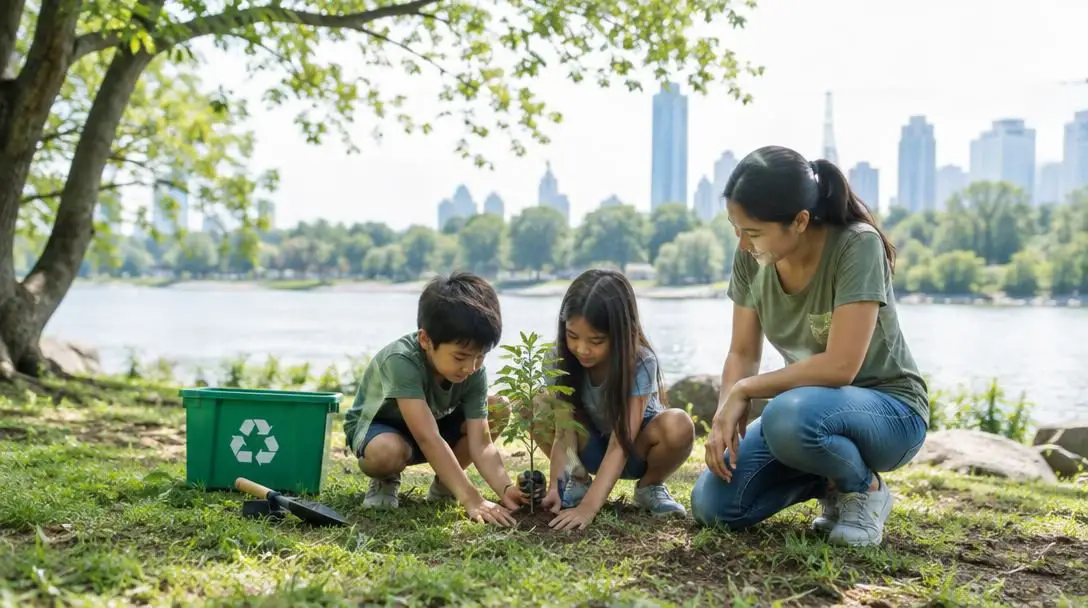
Urban density does not prevent social isolation; many people living in bustling cities report profound feelings of loneliness. Natural environments, particularly interactive spaces like community gardens and public parks, offer a powerful antidote. Research shows that engaging in outdoor activities such as gardening significantly eases emotional isolation.
Time outdoors encourages pro-social behavior, softening interpersonal wariness and making people more inclined to reach out, converse, and build friendships. Moving among green, growing things shifts our psychological focus away from inward-looking rumination, fostering a sense of shared belonging within the broader living world.
Protection and Exercise for Your Eyes
Modern work and leisure habits demand that human eyes remain locked onto flat, close-up displays for eight, ten, or twelve hours a day. This static focal distance strains delicate ocular muscles and contributes to rising vision problems worldwide. Studies show that children who spend regular time outdoors are significantly less likely to develop nearsightedness.
Natural settings provide an expansive, three-dimensional visual field. Scanning distant treelines, following cloud formations across the sky, and shifting focus between a nearby flower and a distant horizon gives your eyes a varied, dynamic workout. This natural focal exercise relieves chronic visual fatigue and supports long-term ocular health.
| Health Benefit | Primary Mechanism | Observed Outcome |
|---|---|---|
| Stress Reduction | Down-regulation of nervous system arousal | Lower anxiety, improved emotional resilience, and reduced neighborhood crime |
| Immune Defense | Exposure to diverse environmental microorganisms | Cellular practice drills that speed recovery from future illnesses |
| Restful Relaxation | Calming sensory input and natural daylight exposure | Decreased mental overstimulation and easier evening wind-down |
| Social Connection | Interactive outdoor engagement and gardening | Reduced feelings of isolation and increased pro-social behavior |
| Visual Health | Dynamic focal variation across broad horizons | Relief from eye strain and reduced likelihood of nearsightedness |
How Natural Environments Rewire the Mind and Body
The multifaceted benefits of outdoor immersion stem from how our physiology interacts with unpaved environments. Built settings impose intense, continuous demands on directed attention. Deciphering traffic patterns, navigating crowded corridors, and filtering digital notifications force the brain's prefrontal cortex to work without pause. Natural landscapes, by contrast, offer what cognitive researchers call involuntary attention. The gentle movements of branches, fluctuating light patterns, and distant birdsong engage the senses effortlessly, allowing overworked mental circuits to rest, reset, and restore depleted cognitive reserves.
Simultaneously, the physical body undergoes microscopic recalibration. Soil and plant matter shed organic compounds and friendly microbes into ambient outdoor air. Breathing in this fresh, biologically rich atmosphere triggers constructive responses within our mucosal linings and immune cells. Far from presenting a threat, moderate exposure to natural dirt acts as essential immunological tuition, keeping our biological defenses balanced and capable.
Practical Steps to Bring Nature into Your Daily Routine
You do not need to book an expensive mountain retreat or abandon your urban life to enjoy the benefits of ecopsychology. Sustainable, everyday micro-doses of green exposure create cumulative, lasting improvements across your overall health.
- Schedule a dedicated outdoor stroll: Set aside ten to twenty minutes during your lunch break or immediately after dinner for an outdoor walk. Leave your smartphone behind or keep it silent in your pocket, intentionally letting your senses register the surrounding air and canopy.
- Cultivate a small garden plot or container: Tend a modest patch of soil, a raised vegetable bed, or simple outdoor pots filled with culinary herbs. The tactile act of touching soil directly combats feelings of isolation and links your routine to organic growth cycles.
- Walk barefoot across clean grass: Take off your shoes and spend several minutes letting your soles touch a soft, sunny lawn. This tactile contact grounds your physical senses, breaks up muscular tension, and encourages immediate physical relaxation.
- Practice intentional distant viewing: Whenever you step outside, look up from eye level. Scan the furthest visible horizon, watch the movement of clouds, or trace the branches of tall trees to stretch and relax your ocular muscles.
- Relocate social gatherings outdoors: Swap closed coffee shops and loud indoor dining rooms for a stroll in a public park, a community garden visit, or a picnic on open grass. Gathering in nature fosters warmth and stimulates pro-social conversation.
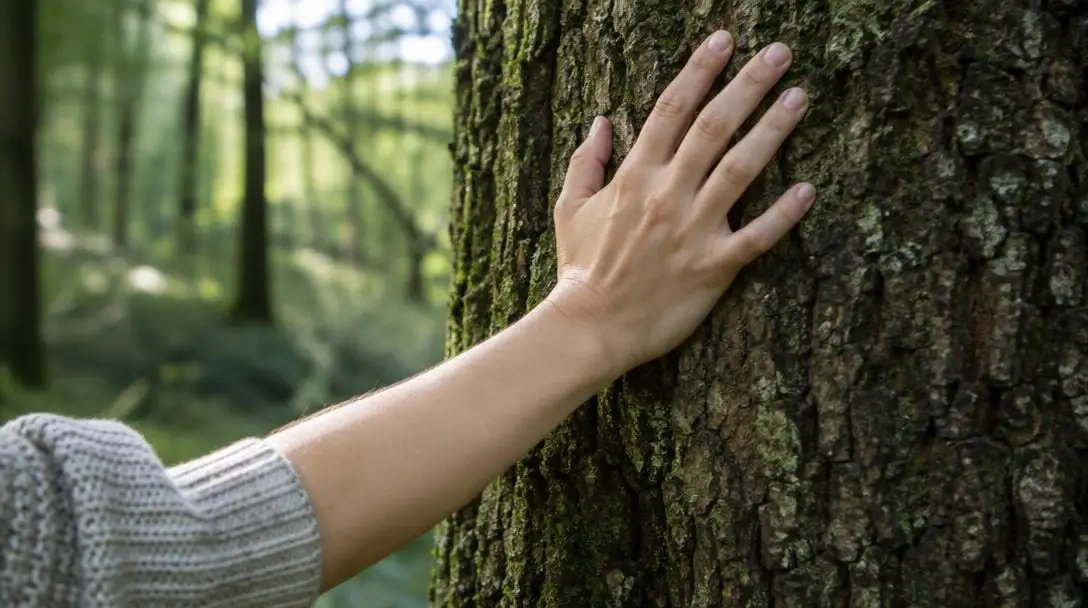
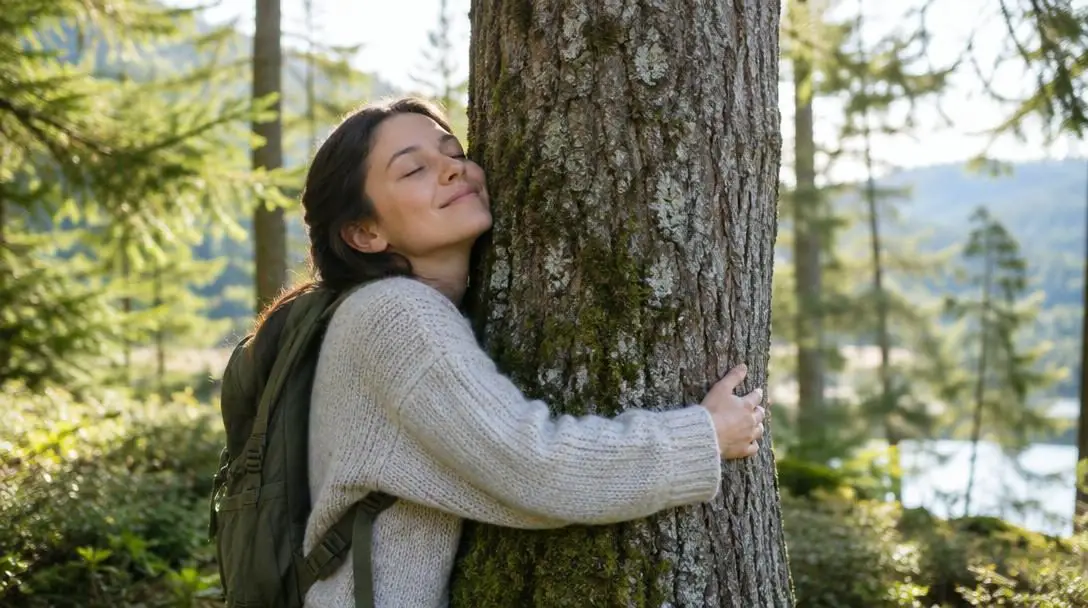
- Physically touch and embrace a tree: Step past any hesitation and place your hands—or a full embrace—against a solid tree trunk. Feeling the rough texture of bark, smelling the canopy, and grounding your body against living wood provides a vivid, sensory reminder of your connection to the living world.
Common Pitfalls That Undermine Outdoor Time
Even with sincere intentions, people frequently adopt habits that minimize the recuperative power of their outdoor excursions. Being aware of these missteps ensures your outdoor time yields genuine mental and physical rejuvenation.
- Tethering yourself to handheld screens: Walking through a scenic park while scrolling social media feeds or reviewing work emails keeps the brain locked in high-alert mode, completely negating the visual and mental relaxation nature offers.
- Assuming only remote wilderness counts: Believing that natural health benefits require an arduous trek to a pristine forest leads to inaction. A pocket park down the block, a leafy sidewalk, or your own backyard delivers measurable biological rewards.
- Over-sterilizing your outdoor encounters: Treating every speck of garden dirt or damp soil as a hazard prevents the healthy microorganism exposure your immune system relies on for its cellular practice drills.
- Treating outdoor visits as rigid chores: Approaching nature with a strict, performance-driven mindset generates unnecessary pressure. Focus on leisure, curiosity, and sensory appreciation rather than tracking pace, steps, or rigid goals.
- Abandoning green habits during cooler seasons: Staying indoors for months during autumn or winter deprives the eyes of focal variety and isolates the body from natural daylight rhythms. Dress appropriately for the weather and maintain brief, consistent outdoor contact year-round.
Frequently asked questions
What is ecopsychology, and how does it relate to health?
Ecopsychology is a recognized branch of psychological study focused on the relationship between human mental well-being and the natural environment. It views human psychology as intrinsically linked to the broader biosphere, demonstrating that spending time in natural settings substantially reduces stress, relieves mental exhaustion, and supports balanced emotional and physical health.
How does being outdoors improve the immune system?
Natural outdoor environments contain countless benign microorganisms found in living soil, plants, and open air. When you breathe and move outdoors, your body encounters these microscopic organisms, which prompt your immune cells to carry out essential practice drills. These rehearsals optimize your immune defense cycles so your body can fight off real illnesses more effectively.
Can spending time in green spaces really help with eyesight?
Yes. Indoor living keeps the eyes focused at close, unchanging distances, such as computer monitors and smartphone screens. Outdoor landscapes offer vast horizons, varying depths, and distant objects like trees and clouds. Shifting focus between these distances exercises the eye muscles, alleviates visual strain, and significantly reduces the risk of nearsightedness, especially in growing children.
How does nature help people feel less lonely?
Engaging with nature, especially through activities like gardening or visiting community parks, breaks cycles of self-focused rumination. Outdoor settings promote pro-social behavior, making individuals feel more open, friendly, and willing to interact with others, which counteracts social isolation and deepens community bonds.
Do I have to visit a dense forest to get these benefits?
No. While vast forests are wonderful, research indicates that neighborhood parks, community gardens, tree-lined walking paths, and backyards provide the same fundamental benefits. Lower stress levels, immune practice drills, and ocular relaxation occur whenever you encounter open sky, sunlight, and living greenery.
The Bottom Line
The cycle of indoor-dominated living, sedentary desk work, and continuous digital screen exposure imposes an unseen toll on human physical and psychological health. Fortunately, the antidote does not demand complicated regimens, specialized gear, or expensive travel. It requires only that we step beyond our closed doors and reopen our senses to the living world around us.
From sharpening immune defenses and exercising eye muscles to washing away chronic tension and encouraging warmer social connections, the returns on outdoor time are profound. When you choose to leave the couch behind, walk under open skies, feel the grass beneath your feet, and touch living wood, nature responds in kind. Step outside today—and let the trees hug you back.