Watering Your Garden: Tips for Maintaining Healthy Plants
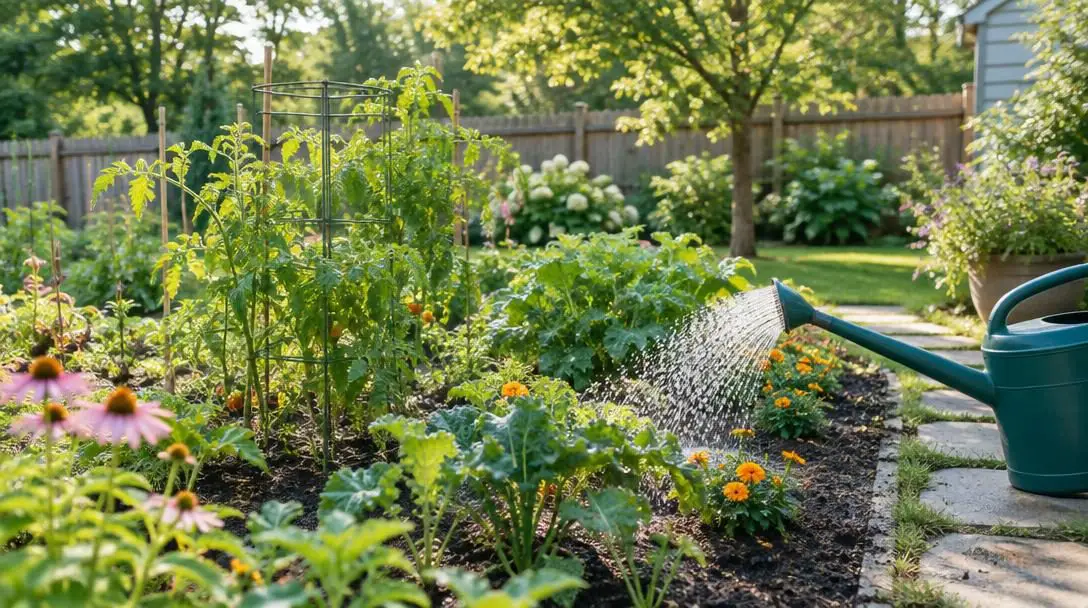
Cultivating a flourishing garden brings vibrant color, natural structure, and vital beauty to your living space, but keeping plants robust requires deliberate and consistent stewardship. Among the diverse maintenance tasks a gardener oversees, mastering the art and science of watering is universally recognized as the most fundamental to overall plant survival and vigor.
Water functions as the essential biological lifeline for every plant species, acting as the carrier for underground minerals and enabling the vital chemical transformations of photosynthesis. Supplying too little moisture causes plants to wilt, stop growing, and desiccate, while delivering too much drowns subterranean root structures by cutting off vital oxygen pockets in the soil.
Key takeaways
- Water is essential for absorbing dissolved soil nutrients and driving photosynthesis, but improper volume can cause drought stress or lethal root rot.
- Watering routines must be dictated by soil moisture checks, such as testing the top inch of soil, rather than following a rigid calendar schedule.
- Morning is the optimal time for garden hydration, minimizing rapid midday evaporation and preventing overnight fungal diseases on foliage.
- Applying water slowly and deeply encourages extensive root expansion far better than frequent, shallow surface sprinklings.
- Different plant groupings require tailored hydration strategies, ranging from frequent moisture for vegetables to deep, perimeter soakings for mature trees.
The Essential Science of Plant Hydration
To water a landscape effectively, one must understand how moisture operates within the plant ecosystem. Water is not merely a thirst-quencher; it serves as the primary medium through which plants draw up dissolved nutrients from surrounding soil particles. Specialized root hairs absorb this mineral-rich liquid, transporting it upward through vascular tissues to create internal turgor pressure. This hydrostatic pressure keeps soft stems sturdy, holds foliage upright toward sunlight, and enables green leaves to convert light energy into chemical energy through photosynthesis.
When soil moisture drops below critical thresholds, plant cells lose their internal pressure, leading to visible wilting, severe growth stunting, and eventual desiccation. Conversely, saturated earth presents an equally lethal threat. When an overabundance of water fills every pore in the soil matrix, it physically displaces air pockets, starving root cells of the oxygen required to breathe. Weakened, suffocated roots quickly become susceptible to soil-borne pathogenic decay and debilitating root rot.
Delivering moisture deeply and gently gives the surrounding soil time to absorb hydration without generating destructive surface runoff.
Crucial Factors That Determine Garden Water Needs
No two garden beds consume moisture at identical rates, and treating an entire property as a uniform space inevitably leads to uneven results. Succulents and desert cacti evolved to withstand prolonged drought with minimal moisture, whereas ferns and begonias demand continuously damp, humid environments. Several distinct ecological and physiological factors dictate the precise hydration requirements of individual specimens.
Climate and Atmospheric Conditions
Regional climate plays a dominant role in determining how rapidly moisture disappears from the soil profile. Gardens established in hot, arid zones face significantly higher rates of evaporation and plant transpiration than gardens in temperate or humid regions. In addition to high ambient temperatures, dry winds strip moisture from leaves and the earth's surface at an accelerated pace, requiring gardeners in windy or arid environments to replenish soil moisture far more frequently.
Soil Composition and Drainage Dynamics
The physical texture of garden soil controls how moisture behaves once applied. Sandy or rocky soils possess large pore spaces that drain water rapidly downward past the root zone, meaning plantings in quick-draining substrates need frequent, measured hydration to survive. In contrast, heavy clay soils consist of tiny, tightly packed particles that retain moisture for prolonged intervals. In dense soils, watering too often can easily create stagnant, oxygen-deprived conditions that threaten plant roots.
Plant Age, Specimen Size, and Root Depth
A plant's physical maturity directly shapes its water uptake capabilities. Young plants, freshly transplanted seedlings, and shallow-rooted annuals have compact root structures confined to the upper layer of soil, demanding regular hydration to establish themselves. Mature shrubs and trees feature deep, wide-ranging root networks capable of drawing moisture stored deep underground, allowing them to endure longer intervals between waterings.
Choosing Between Manual Watering and Irrigation Systems
Selecting an effective method for delivering water depends on garden dimensions, physical layout, budget constraints, and personal conservation goals. The two primary strategies for landscape hydration are manual hand watering and automated irrigation systems.
Hand Watering Approaches
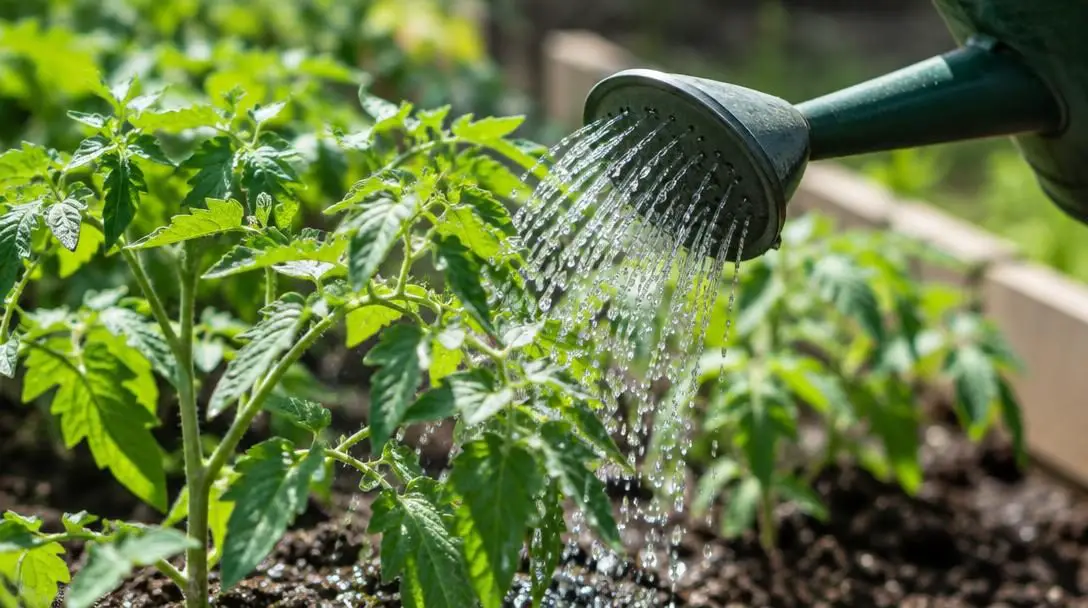
Utilizing a watering can or garden hose fitted with an adjustable nozzle provides unmatched control and flexibility. Hand watering allows gardeners to tailor output directly to the base of individual plants, accounting for specimens with varying needs in the same bed. This hands-on method fosters regular, close inspection of the garden, making it easier to identify early pest infestations, nutrient deficiencies, and subtle signs of drought stress. It remains the most cost-effective and adaptable technique for patio containers, raised beds, and delicate border plantings.
Automated Irrigation Networks
For extensive landscapes, large vegetable plots, and sprawling lawns, automated irrigation systems transport water through dedicated networks of subsurface pipes, drip lines, and overhead sprinklers. These installations provide consistent, even distribution across wide properties, saving substantial manual labor and time. However, automated systems involve significant initial installation expenses and require periodic maintenance. Emitters can clog with debris, sprinkler heads can become misaligned, and seasonal timer adjustments are critical to prevent wasteful overwatering during periods of natural rainfall.
Hydration Strategies Across Different Plant Types
Because different garden varieties exhibit unique physiological structures, hydration methods should be tailored to suit the specific category of plant being grown.
| Plant Category | Watering Frequency | Optimal Delivery Area | Primary Moisture Risks |
|---|---|---|---|
| Vegetables | Frequent and consistent | Base of plant / surrounding soil | Blossom-end rot, fruit cracking, bitter flavor |
| Fruit Trees & Bushes | Infrequent (every 7 to 10 days) | Deep root zone below drip line | Stunted fruit swelling, weak anchor roots |
| Flowering Ornamentals | Regular, maintaining moist soil | Soil around the base, avoiding petals | Foliar mildew, blossom blight, bud drop |
| Shrubs & Landscape Trees | Deep, infrequent soakings | Entire root perimeter past drip line | Shallow rooting, heat shock, root rot |
Vegetables and Edible Crops
Vegetable patches demand frequent, even moisture levels to support rapid cellular growth and succulent produce. Fluctuating between periods of bone-dry soil and saturated mud causes severe physiological disorders, including fruit cracking in tomatoes, blossom-end rot, and bitter flavors in leafy greens. Water vegetables directly at the soil line rather than from overhead to prevent damp leaves from fostering mildew and fungal blight.
Fruit Trees and Berry Bushes
Fruiting perennial trees and bushes benefit from deep, infrequent water applications rather than superficial daily dampening. Supplying deep hydration once every seven to ten days encourages roots to drive downward, stabilizing the tree against wind and supporting consistent, uniform fruit swelling. Adjust this frequency slightly depending on local rainfall, fruit maturity, and soil drainage properties.
Flowering Annuals and Perennials
Most ornamental garden flowers prefer consistently moist, well-aerated earth to sustain continuous blooming cycles. When watering flower beds, direct the stream at the soil surrounding the plant rather than splashing water across flower petals and foliage. Water sitting on delicate petals can cause premature decay, discoloration, and fungal leaf spot outbreaks.
Landscape Shrubs and Established Trees
Shrubs and established landscape trees require deep, extensive watering cycles, especially during prolonged summer heatwaves. The active feeding roots of mature woody specimens are not centered around the trunk; rather, they radiate outward toward and beyond the drip line—the ground area directly beneath the outer circumference of the canopy. Direct water across this entire peripheral root zone to ensure the tips of the root system absorb adequate hydration.
Best Practices for Timing, Depth, and Conservation
Mastering the technique of applying water is just as critical as selecting the right tools. Developing sound habits shields plants from physiological shock, reduces resource waste, and promotes long-term resilience.
Frequency and the Superiority of Morning Timing
Rather than watering on an inflexible calendar schedule, gardeners should base their watering on actual conditions. As a general guideline, most established garden plants require watering once or twice a week, depending on plant age, container size, and local temperatures. Plants should be watered when the top inch of soil feels dry to the touch.
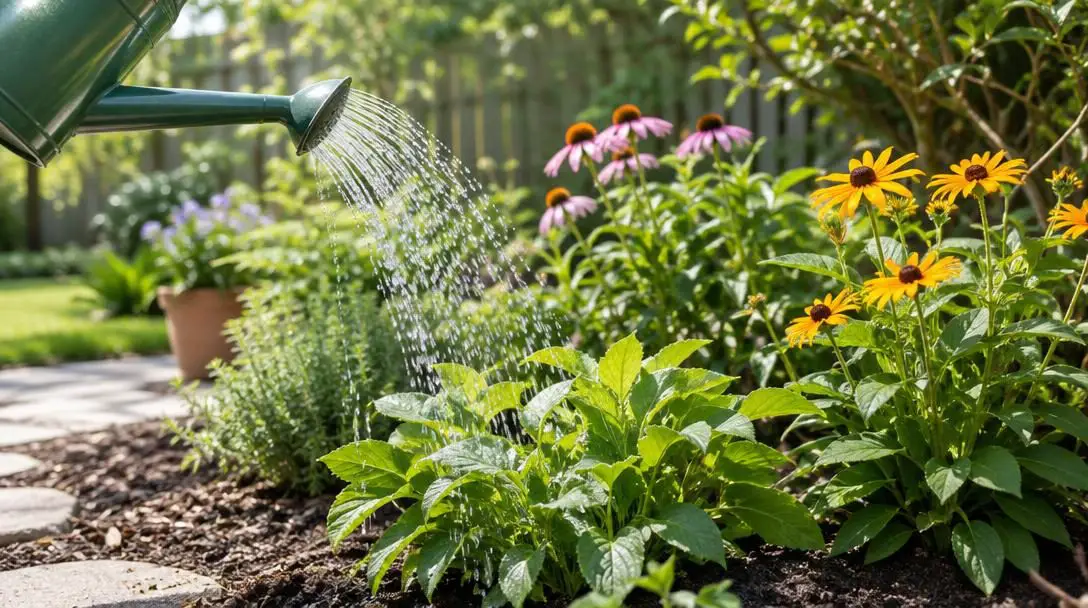
The optimal time of day to water is early morning. Temperatures are cooler, winds are typically calmer, and the soil can absorb moisture deeply before the day's heat sets in. Morning watering ensures plant cells are fully turgid when midday heat arrives. Avoid watering during hot afternoons, when evaporation quickly claims water before roots can absorb it. Similarly, avoid evening watering, as droplets resting on cool leaves overnight create ideal conditions for pathogenic fungal spores to germinate.
Watering Deeply and Evenly
Shallow, hurried waterings encourage roots to stay concentrated near the surface, where they remain vulnerable to baking summer heat and rapid drying cycles. To build robust, drought-resilient root systems, apply water slowly and deeply, allowing it to penetrate through the entire root zone. Distribute the moisture evenly across the entire area beneath and around the foliage canopy so the spreading network of lateral roots has balanced access to water.
Water Conservation in the Home Landscape
Conserving water protects regional environmental resources while reducing household utility expenses. Gardeners can substantially reduce outdoor water usage by adopting three foundational conservation methods:
- Apply organic mulch: Spread a thick layer of organic mulch, such as shredded bark or compost, over garden beds to shield the earth from direct sun, dramatically reduce surface evaporation, and stabilize root zone temperatures.
- Harvest rainwater: Connect collection barrels to roof downspouts to capture rainwater, providing an eco-friendly source of unchlorinated water for landscape plantings during dry spells.
- Choose drought-tolerant species: Incorporate native plants, succulents, and drought-hardy perennials that naturally thrive on minimal rainfall, significantly lowering the total water needed to maintain the property.
How to Accurately Monitor Soil Moisture Levels
Because the surface of the soil can appear dry even when adequate moisture remains suspended beneath the crust, accurate monitoring prevents both premature watering and chronic dehydration. Gardeners can utilize several reliable assessment techniques:
- The Finger Test: A straightforward manual method where you insert an index finger into the soil down to the first knuckle. If the soil feels completely dry at that depth, it is time to water; if damp coolness is felt, watering can be postponed.
- Soil Moisture Meters: Handheld electronic tools featuring metallic probes that are inserted into the root zone to provide an immediate readout of electrical conductivity, indicating whether the soil is dry, moist, or wet.
- Stationary Probe Sensors: Advanced probes installed permanently within specific landscape zones or tied into automated smart-irrigation controllers to monitor moisture gradients continuously.
A Practical Step-by-Step Daily Watering Routine
Establishing an orderly sequence ensures that every plant receives targeted care while conserving time and resources throughout the growing season.
- Conduct an early morning landscape inspection: Walk the garden beds in the cool morning hours to evaluate the general vigor of your plants, looking for early signs of stress before midday heat begins.
- Check soil moisture levels: Perform the manual finger test or insert a soil moisture meter into the top inch of soil around bedding plants, testing deeper around large shrubs and trees.
- Prioritize young and containerized plantings: Direct immediate attention to delicate specimens, such as newly planted seedlings, young transplants, shallow-rooted annuals, and small containers that dry out rapidly.
- Deliver water slowly at the base: Direct the hose nozzle, watering can spout, or emitter near the base of the plant, soaking the earth gently until moisture penetrates deep into the root zone without creating runoff.
- Hydrate the full perimeter of trees and shrubs: For mature plantings, apply water across the entire zone beneath the branches and slightly beyond the canopy drip line to nourish outward-spreading root systems.
- Verify mulch depth and position: Inspect the mulch layer across your beds, smoothing it out over any exposed soil patches to maintain an even barrier against moisture evaporation for the rest of the day.
Common Watering Mistakes to Avoid
Even seasoned gardeners occasionally develop habits that undermine their landscaping efforts. Recognizing these common errors helps keep your garden thriving and disease-free:
- Adhering to an unyielding calendar schedule: Turning on sprinklers on fixed days without testing soil moisture leads to waterlogged conditions following rain storms and severe thirst during sudden hot spells.
- Delivering frequent, shallow sprinkles: Spritzing plants with brief, superficial bursts of water merely wets the top few millimeters of soil, prompting root systems to stay shallow and vulnerable to heat stress.
- Wetting foliage and flower blossoms: Spraying plants overhead leaves leaves and petals wet for extended hours, providing the warm, dark, damp habitat fungal spores need to infect healthy foliage.
- Irrigating in the heat of the afternoon: Applying water during hot afternoons allows strong solar radiation and warm breezes to evaporate water droplets before they can sink into the root zone.
- Disregarding soil drainage realities: Pouring heavy volumes of water into compact clay or poorly draining soils without testing moisture leads quickly to stagnant water, suffocated roots, and systemic rot.
Frequently asked questions
How can I tell if my plant is overwatered or underwatered?
Both conditions can cause leaves to wilt, but their context differs: underwatered plants have dry, crisp foliage and dry soil that pulls away from container edges. Overwatered plants develop soft, yellowing foliage, limp wilting leaves despite damp soil, and stems that feel mushy near the soil line due to oxygen deprivation and early root decay.
Why is morning preferred over evening for garden watering?
Morning watering allows moisture to soak deep into the root zone while temperatures are cool, giving the plant internal hydration to handle hot daytime sun. Evening watering leaves moisture lingering on leaves throughout the dark, cool night, creating an ideal breeding ground for powdery mildew and other foliar fungal diseases.
What is a tree's drip line and why does it matter for watering?
The drip line is the ground area located directly beneath the outermost edge of a tree or shrub's branch canopy. Active, water-absorbing feeder root tips radiate outward to this boundary and beyond. Applying water at the drip line rather than directly against the trunk ensures moisture reaches the roots that actively absorb water and nutrients.
How does organic mulch help save garden water?
Organic mulch acts as a physical insulating blanket over the soil surface. It blocks direct sunlight from heating the earth, significantly reduces moisture loss from surface evaporation, moderates underground temperatures, and prevents soil crusting, allowing applied water to penetrate deeper into the ground.
Can I water all the plants in my garden at the same frequency?
No, plants have diverse hydration needs based on their species, maturity, and root structure. Succulents and mature drought-hardy shrubs require only infrequent soaking, while vegetable crops and shallow-rooted flowering annuals demand frequent, consistent moisture. Treating all plants identically will inevitably result in either overwatering or underwatering.
The Bottom Line on Garden Hydration
Maintaining a thriving, resilient garden does not require complicated gadgets or exhaustive labor; rather, it hinges on understanding the natural relationship between soil moisture, atmospheric demands, and root biology. By moving away from arbitrary calendar routines and adopting deliberate practices—such as verifying soil moisture with the finger test, applying water deeply in the early morning, and targeting root perimeters—gardeners can foster expansive root architectures that withstand changing weather.
As your garden evolves across seasons, continue to observe and adapt your hydration habits. Monitor the decline in plant water needs as cooler autumn weather arrives, group plants with similar moisture needs together in cohesive beds, and continuously improve your soil with organic compost and protective mulch. Thoughtful watering protects valuable natural resources while unlocking the full, flourishing potential of your landscape.