Winter Gardening: Preparing Your Plants for the Cold Season
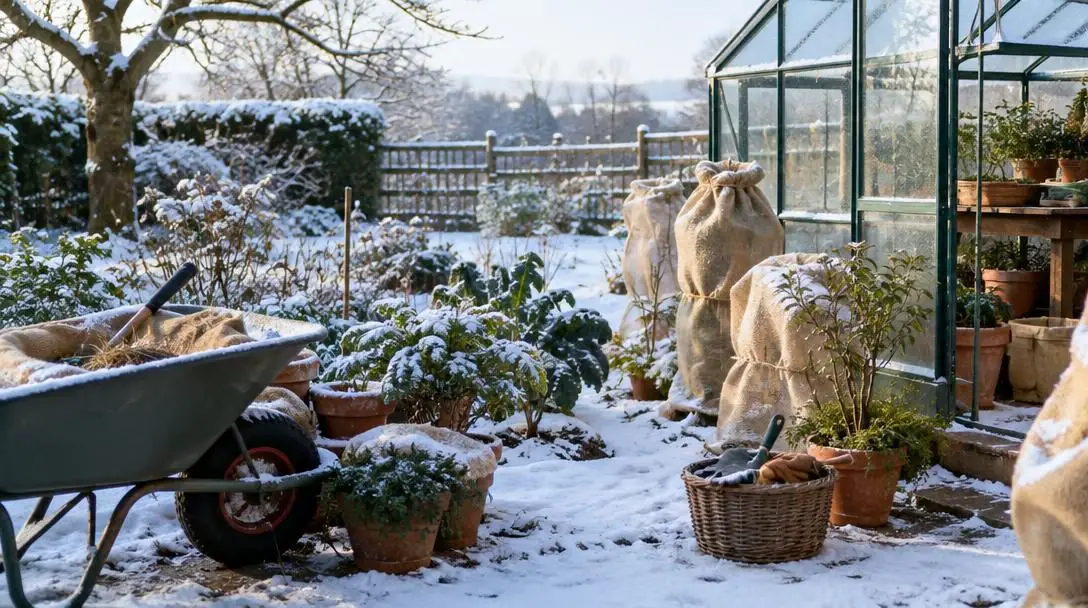
Winter gardening is a vital practice for maintaining a healthy, vibrant, and resilient outdoor landscape through the most punishing months of the year. When freezing temperatures, heavy snow, ice storms, and shorter daylight hours arrive, outdoor vegetation undergoes tremendous physical and physiological strain. Left unmanaged, cold weather can lead to blackened foliage, ruptured plant cells, broken structural branches, and severe root trauma that permanently stunts or kills beloved specimens.
Rather than abandoning the garden plot once the autumn harvest wraps up, attentive gardeners take proactive measures to prepare their soil, root systems, and woody growth. By implementing thoughtful insulation techniques, adjusting hydration routines, providing access to light, and clearing away diseased matter, you create a protective buffer against the elements. This deliberate seasonal preparation ensures that your perennials, shrubs, and soil structure remain intact, setting the stage for rapid recovery and vigorous growth when warm weather returns.
Key takeaways
- Applying a two- to three-inch layer of mulch stabilizes soil temperatures, preserves subterranean heat, and shields root systems from erosion.
- Moisture management is critical because dehydrated roots freeze faster, while waterlogged cold soil starves roots of oxygen and induces rot.
- Protective covers like burlap, plastic sheeting, and frost blankets must be mounted on frames to prevent direct contact with plant foliage.
- Heavy snow should be gently brushed upward with a soft-bristled broom, whereas solid sheet ice must be left to melt naturally to prevent branch breakage.
The Biological Toll of Freezing Weather on Plants
To prepare a garden effectively, one must first understand how sub-freezing conditions alter plant biology. During the active spring and summer growing seasons, plants draw moisture and minerals continuously from the soil, utilizing abundant sunlight to fuel metabolic processes through photosynthesis. As autumn brings declining temperatures and shortened photoperiods, growth decelerates, and many species shift into dormancy to preserve limited reserves. Yet dormancy alone does not provide complete immunity against harsh winter stressors.
Freezing temperatures present immediate hazards to cellular integrity. When frost coats unprotected leaves, tender stems, and developing buds, the water contained within individual plant cells can freeze. As water freezes, it expands, puncturing delicate cell walls and disrupting cellular transport mechanisms. The visible result is water-soaked, limp foliage that quickly turns black and dies back once temperatures briefly rebound.
Beneath the surface, the root zone faces unique hazards. While dormant top growth can withstand icy air, shallow roots rely on the insulating properties of the earth. When soil freezes solid or undergoes repeated, rapid cycles of freezing and thawing, the earth expands and contracts. This phenomenon can heave plant root balls upward out of the ground, exposing delicate feeder roots directly to sub-freezing winds. Furthermore, late autumn downpours and winter snowmelt can wash away loose topsoil, stripping away the natural thermal blanket that protects subterranean systems.
Mechanical stress is another primary danger. Accumulating snowfall and freezing rain pack significant weight onto branches. Deciduous trees, evergreens, and woody perennials with broad branches or brittle wood can easily snap under the sheer physical load, resulting in disfigured forms and large, open wounds that leave plants vulnerable to opportunistic pathogens.
Assessing and Categorizing Your Garden Landscape
Before rushing outdoors with tools and tarps, conduct a thorough survey of your property. Garden microclimates vary dramatically: south-facing walls absorb radiant heat, low-lying ground collects cold air and standing frost, and open corridors experience strong wind tunnels. Walking your property with a notebook allows you to tailor your winter interventions to the distinct cold tolerances and environmental needs of each species.
Group your plants into logical operational categories based on their immediate requirements:
- Crops to harvest immediately: Edible crops, particularly tender annual vegetables like squash, peppers, and late tomatoes, cannot endure hard frosts and will spoil on the vine if not gathered beforehand.
- Specimens requiring indoor relocation: Decorative container plantings, tender perennials, and tropical species must be brought indoors to a basement, sunroom, or greenhouse, or shifted to sheltered exterior alcoves like covered porches or wind-shielded foundations.
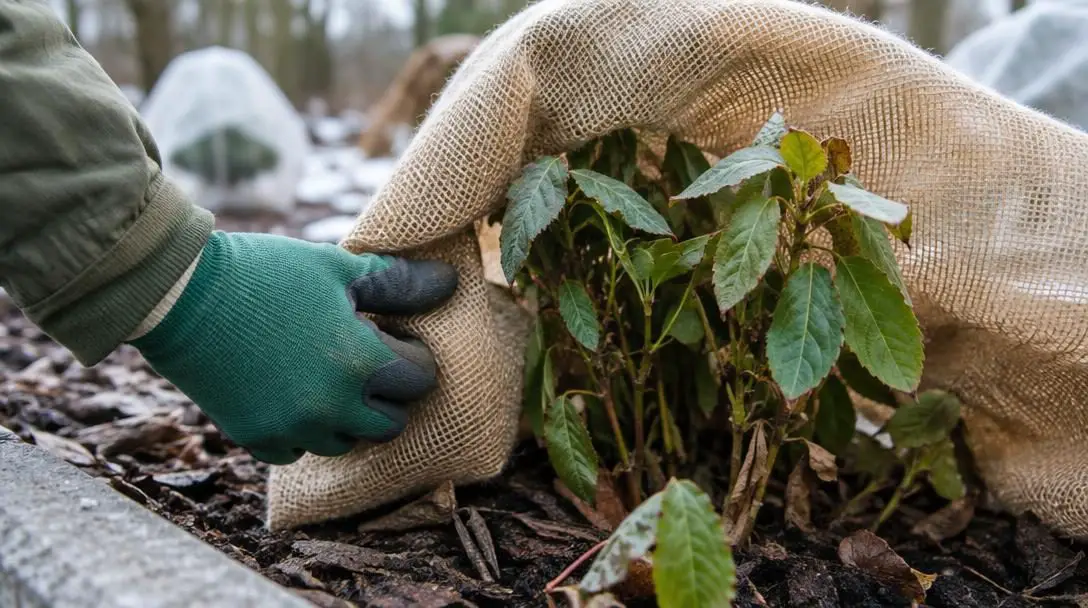
- Permanent outdoor plants requiring physical insulation: Rooted perennials, juvenile shrubs, and frost-sensitive woody plants that must stay outside require protective mulching, structural shielding, and fabric covers to survive dropping ambient temperatures.
The following table outlines how different garden zones and plant types should be triaged during your initial autumn assessment.
| Plant Category | Primary Cold Threat | Recommended Action | Key Winter Protection Measure |
|---|---|---|---|
| Annual Vegetables & Crops | Tissue death and crop rot from hard freezes | Harvest completely | Clear bed debris to eliminate disease harborages |
| Potted & Container Specimens | Root freeze caused by thin pot walls | Relocate indoors or to shelter | Provide artificial light or move to south-facing windows |
| Vulnerable Woody Shrubs | Branch breakage from snow and wind desiccation | Cover and insulate | Erect framed burlap or frost fabric anchored to ground |
| Hardy Herbaceous Perennials | Root heaving from freeze-thaw cycles | Prune dead growth and mulch | Spread a two- to three-inch layer of organic mulch |
A Step-by-Step Preparation Protocol
Once you have triaged your planting areas, execute your winterization strategy in an orderly sequence. Rushing these steps out of order can compromise plant health—such as insulating soil before pruning away diseased wood, which can trap fungal spores beneath the winter mulch.
- Conduct late-season pruning and bed hygiene: Cut back dead, cracked, or diseased branches on woody plants to eliminate points of structural failure and halt fungal decay. Pull weeds, rake out fallen annuals, and strip away encroaching invasive turf that would otherwise harbor pests and fungal spores over the cold months.
- Hydrate the soil thoroughly ahead of the freeze: Provide a deep watering to all permanent landscape plantings. Moist soil retains significantly more latent heat than bone-dry earth, creating a thermal buffer that shields root systems when sub-freezing weather strikes.
- Apply a protective layer of mulch: Distribute two to three inches of clean mulch evenly across the root perimeter of each plant. This step insulates the subterranean environment, reduces moisture evaporation, and prevents wind and rain from scouring away topsoil.
- Erect protective structures over sensitive specimens: Set stakes around delicate shrubs and stretch breathable frost blankets or burlap over the frame. Anchor the bottom edges firmly to the earth with landscape staples, stones, or loose soil, ensuring that the fabric does not rest directly on leaves or stems.
- Adjust container locations and indoor environments: Transition potted specimens to spots receiving maximum winter sun or set up supplemental grow lights, reducing overall watering frequency while keeping soil moisture levels steady.
Moist soil retains significantly more heat than dry soil, turning proper hydration into an invisible thermal blanket for vulnerable roots.
Optimizing Mulch for Soil Temperature Stability
Mulch acts as a thermal buffer between changing air temperatures and the subterranean root network. When freezing weather arrives, unmulched soil drops rapidly in temperature, freezing hard and stressing the root mass. A two- to three-inch blanket of mulch slows the rate of cooling, keeping the ground around the roots warmer than the ambient atmosphere and preventing damaging rapid temperature swings.
Beyond heat retention, mulch acts as a barrier against erosion. Winter weather often brings fluctuating patterns of rain, sleet, and melting snow. These heavy moisture flows can strip unanchored topsoil away, exposing shallow lateral roots to direct contact with freezing winds. By distributing mulch evenly across the root zone, you lock the existing soil structure in place.
Managing Water and Light Under Low-Resource Conditions
Winter brings a dramatic reduction in two essential resources: ambient light and accessible liquid water. Because the sun sits lower on the horizon and daylight hours decline, plants have fewer opportunities to conduct photosynthesis and maintain energy levels. Portable containers should be shifted to southern or western exposures to capture the maximum daily allotment of light. When moving delicate potted plants indoors, natural window light is often inadequate; supplement their exposure with artificial grow lights to keep basic metabolic functions running without triggering erratic, spindly growth.
Managing soil moisture throughout winter requires balancing two competing risks: desiccation and root rot. Plants that enter the winter season dry are extraordinarily susceptible to winter kill, as cold winds draw moisture from leaves and stems that the frozen, dry root system cannot replenish. Conversely, applying excessive water to dormant plants sitting in cold soil is a recipe for disaster. Evaporation rates fall sharply in cold weather, and cold, saturated soil deprives roots of oxygen, triggering rot.
Take the guesswork out of winter irrigation by utilizing a soil moisture meter. Insert the probe several inches deep into the root zone before watering. If the meter registers adequate moisture below the surface crust, refrain from adding water. When watering is necessary, choose a clear morning when temperatures are above freezing. Apply the water slowly and directly to the base of the plant using a watering can or hose wand, soaking the soil deeply while keeping stems, crowns, and foliage completely dry.
Constructing Protective Barriers Against Snow and Wind
For sensitive evergreens, broadleaf shrubs, and marginally hardy perennials, passive soil care is not enough; these specimens require physical defense against winter wind, freezing rain, and frost. High-velocity winter winds pull water out of foliage faster than roots can replace it, a condition known as winter desiccation. Meanwhile, heavy frosts settle directly upon cellular tissue, causing leaf burn and stem dieback.
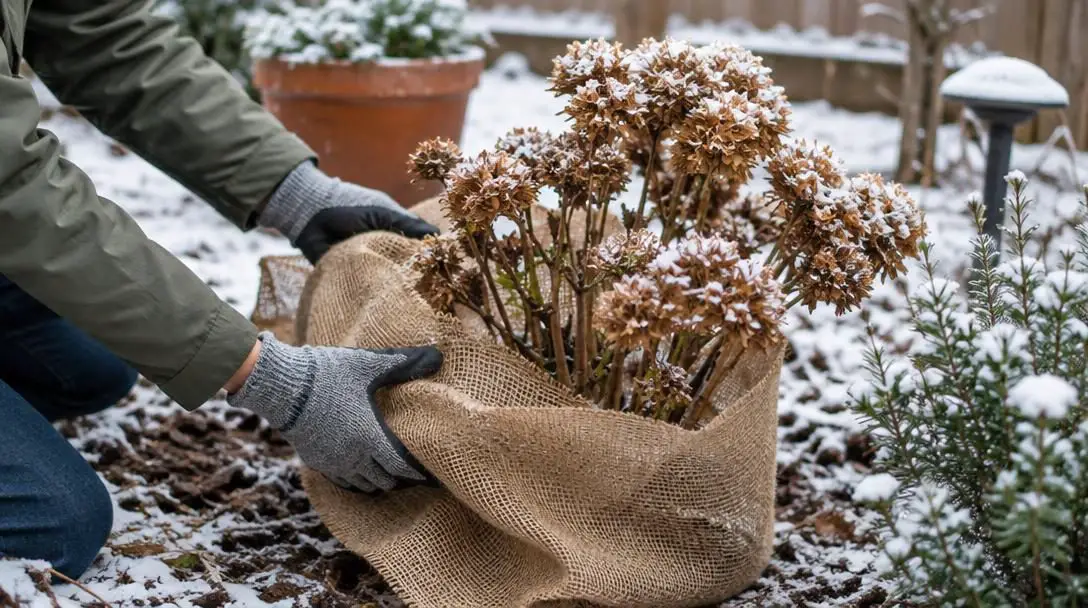
Select specialized materials designed for cold protection, such as commercial frost blankets, heavy burlap, or durable plastic sheeting. However, the technique used to install these coverings is just as critical as the material itself:
- Build a rigid freestanding frame: Drive sturdy wooden stakes or metal posts into the ground around the plant's perimeter. The frame must absorb the weight of snow and the tension of wind gusts.
- Keep coverings off the foliage: Secure the material to the exterior of the stakes so it does not touch the leaves. When covers rest directly against plant tissue, freezing rain or accumulated frost can transfer cold directly through the fabric or plastic, burning the foliage underneath.
- Anchor all perimeter edges: Fasten the lower skirt of your protective fabric securely to the ground using heavy landscape staples, bricks, rocks, or mounded soil. A loose cover acts like a sail, catching winter winds, tearing branches, and letting freezing air enter from beneath.
Midwinter Maintenance and Precipitation Removal
Winter garden care does not conclude when the first snowfall begins. Regular walk-throughs during the coldest months allow you to catch structural issues, dislodged coverings, and pest damage before they become fatal.
Snow and ice accumulation presents a recurring physical hazard. While light, fluffy snow can act as an insulator, heavy, wet snow imposes severe weight loads on broadleaf evergreens, conifers, and multi-stemmed shrubs. If ignored, the weight will bend trunks, splay branches apart, and snap major limbs.
Clear this accumulation using proper, gentle techniques:
- Use soft-bristled brooms: Sweep snow away using an ordinary household broom or soft utility brush. Always sweep with an upward motion, easing the weight off the limb from underneath rather than batting downward from above.
- Put away hard metal tools: Never use heavy shovels, rakes, or metal tools to knock snow or ice from vegetation. Striking brittle, frozen branches with rigid implements bruises or strips the outer bark, cuts through tender stems, and causes structural breakage.
- Respect sheet ice: If a sudden freezing rain storm encases your garden in a continuous glaze of solid ice, do not attempt to crack, peel, or pound the ice away. The ice is fused directly to the bark; any attempt to chip it off will rip healthy tissue away with it. Allow the ice to melt naturally as daytime temperatures rise.
- Prune storm damage immediately: If a severe blizzard does snap an overhead limb or split a shrub branch, make a clean, flush cut below the break as soon as weather permits. A clean cut heals much more reliably than a jagged tear and reduces the risk of insect or fungal entry during subsequent warm spells.
Common Winter Gardening Mistakes to Avoid
Even conscientious gardeners sometimes undermine their cold-weather efforts through well-meaning but flawed practices. Avoiding these common mistakes will keep your landscape healthy through the winter season:
- Building mulch volcanoes: Piling mulch high against the bark of woody plants traps continuous moisture against the trunk, softening the bark and inviting fungal infections, wood-boring insects, and rodent gnawing. Always keep mulch spread flat and away from the base of the stems.
- Overwatering cold, dormant soil: Continuing a summer watering schedule through late fall and winter saturates the root zone. In cold, poorly aerated soil, this surplus water drowns root tips and encourages root rot. Always verify moisture levels using a meter before adding water.
- Allowing covers to rest directly on plant foliage: Laying tarps or sheets directly on top of shrubs without support allows freezing moisture to settle against leaves, leading to widespread frost damage. Always install a supporting framework.
- Pruning during warm autumn spells: Major structural pruning should be completed in late fall or early winter once plants are fully dormant. Pruning during warm late-summer or early-autumn days stimulates tender new growth that cannot harden off before freezing weather strikes, resulting in severe dieback.
- Using violent snow removal methods: Shaking frozen trees violently or striking them with shovels to dislodge snow snaps brittle limbs. Clear accumulated snow with a soft brush using gentle upward strokes.
Frequently asked questions
How much mulch should I apply around my plants for winter protection?
A layer of two to three inches of mulch is ideal. This thickness insulates the soil and stops erosion without suffocating the root zone. Be sure to spread it evenly across the root zone while leaving a two- to three-inch gap around the base of the trunk or main stem.
Why should frost blankets and plastic covers not touch plant leaves?
If coverings rest directly against foliage, moisture and freezing temperatures transfer straight through the material into the plant tissue. This contact causes severe frost burn, cell rupture, and tissue death at every point where the material touches the leaves.
How do I know if my outdoor plants need water during the winter?
Use a soil moisture meter inserted several inches deep near the root zone instead of guessing based on surface soil. If the subsoil is dry and ambient temperatures are above freezing, provide a thorough, slow watering at the base of the plant early in the day.
What should I do if my tree branches are completely coated in solid ice?
Leave the ice alone and let it melt naturally. Attempting to chip, crack, or peel sheet ice off frozen wood tears away the bark and breaks brittle branches. Only step in if a limb actually cracks, in which case you should prune the damaged portion cleanly.
When is the right time to prune plants ahead of winter?
Perform maintenance pruning in late fall or early winter once the plant has entered full dormancy. Pruning earlier in late summer or during unseasonably warm autumn days can stimulate tender new vegetative growth that will freeze and die during the first hard frost.
The bottom line
Guarding your garden against winter hazards is not about fighting the natural seasonal cycle, but working alongside it. Cold weather, freezing winds, and heavy snowfall are normal elements of the temperate landscape, and most established species possess the biological wiring to survive them when given basic structural and thermal support. Taking the time in late autumn to assess your property, balance soil moisture, apply insulating mulch, and install protective barriers eliminates the most severe threats before they can cause lasting harm.
Once your winter defenses are established, simple ongoing vigilance ensures that your plants make it through the dormant season intact. Keeping an eye on weather forecasts, checking your soil moisture with a probe, and carefully brushing off heavy snow ensures that your garden remains secure. When the ground thaws and spring arrives, this cold-season preparation will reward you with rich, living soil and resilient plants primed for vigorous growth.