5 Hassle-free Ways to Engage Your Kids in the Outdoors, Even if You’re Not an Expert
For many families, the idea of heading to the beach or venturing onto a wooded trail feels overwhelming before the car even leaves the driveway. The sheer volume of logistical planning, packing, and emotional management frequently turns what should be a refreshing break into an exhausting chore. Anyone who has spent an afternoon at a major theme park around three o'clock has witnessed this breakdown firsthand: children hit a physical wall after days of sensory overload, tempers flare, and parents find themselves refereeing meltdowns while trying to extract every cent of value from an expensive vacation.
This dynamic stems from what can be called the common trap of the "overs"—overscheduling every hour of the day, overbuying snacks and gear, and overpacking for every conceivable scenario. When outdoor adventures feel this demanding, intimidated parents often opt out altogether, especially if they lack technical wilderness experience. Yet childhood is brief, and introducing children to the beauty of the outdoors does not require elite outdoor survival skills or expensive specialty equipment. By stripping away artificial demands and embracing a streamlined routine, you can make natural exploration approachable, affordable, and genuinely restful for the entire family.
Key takeaways
- Paring down outings to half-day increments prevents fatigue, behavioral meltdowns, and logistical burnout for parents and children alike.
- Adopting a carry-on luggage mindset eliminates the friction of hauling unnecessary coolers, chairs, and complicated play equipment.
- Local municipal parks and nature preserves offer rich sensory discovery using everyday sneakers and simple observational objectives.
- Sleeping in a family vehicle turns an intimidating camping trip into an approachable overnight adventure without the hassle of tent setup.
- Investing in specialized outdoor hobby gear should only happen after your children show a sustained, repeated interest in an activity.
The Psychology of the Hassle-Free Outdoor Strategy
The core mechanism of a low-stress outing lies in reducing cognitive and physical friction for the parents. Children are extraordinarily perceptive; they take emotional and behavioral cues directly from their caregivers. When parents carry the burden of managing heavy bags, navigating packed itineraries, and tracking dozens of supplies, stress levels inevitably spike. That anxiety trickles down directly to the kids, accelerating exhaustion and emotional fragility.
Nature inherently functions as an open-ended playground. An undeveloped clearing, a rocky lakeshore, or a cluster of fallen branches naturally captures a child's curiosity without requiring structured programming or expensive toys. By intentionally shrinking the logistical footprint of your trip, you preserve your emotional bandwidth. When you remain calm, unhurried, and present, children feel secure enough to engage freely with their surroundings, transforming a modest excursion into an enduring memory.
By shrinking the scope of the trip, you increase the likelihood of a positive, memorable family experience.
5 Hassle-Free Strategies for Getting Kids Outside
You do not need to book an elaborate wilderness trek to give your family the benefits of fresh air and unstructured play. These five grounded methods eliminate gear anxiety and excessive planning, letting nature do the heavy lifting.
Think in Half-Day Increments
If your home is within an hour of a public shoreline, lake, or wooded conservation zone, resist the impulse to schedule a grueling dawn-to-dusk marathon. Instead, plan strictly for a half-day outing. Schedule your departure so that you can return home before anyone hits an emotional wall.
To keep the outing seamless, feed your children a complete, balanced meal at home immediately before you walk out the door. Eliminating on-site meals removes the chore of hauling insulated coolers, managing food temperatures, prepping sandwiches on picnic tables, and sorting trash in the wind. A two- or three-hour window under the sun provides all the sensory benefits of open-air exploration without the gradual descent into exhaustion that characterizes full-day marathons.
Adopt a Carry-On Luggage Mentality
Many families living within driving distance of a beach or lake rarely visit simply because the packing process feels like preparing for an expedition on a deserted island. Overpacking transforms a spontaneous trip into a logistics drill. Overcome this hesitation by adopting the strict restraint of airline carry-on luggage: carry only what is essential for health, safety, and basic comfort.
Your streamlined kit should focus on a handful of core items:
- Broad-spectrum sunscreen for basic skin safety
- A single towel for drying off wet feet or sandy hands
- An optional, lightweight folding chair if personal comfort requires it
- Reusable water bottles to maintain consistent hydration
- A single, compact "desperation snack," such as fresh fruit or a simple energy bar
- Only the toys that your children can carry themselves, such as a kite, a beach ball, or a bucket and plastic shovel
Once you strip away the gear wagon, focus on the free activities the natural environment provides. Children can spend hours chasing gentle waves, digging in moist sand for sand crabs, building defensive sandcastles, exploring shallow tide pools, collecting interesting seashells, and trying body surfing.
Baby Step into Nature
You do not need remote alpine trails or specialized, rigid hiking boots to introduce your kids to the magic of the woods. Put on everyday sneakers, pick up a water bottle, and head to a municipal city park, paved community trail, or county nature preserve. A gentle stroll of one to two hours provides ample outdoor exposure for developing minds.
Before leaving the house, take five minutes to view the park's trail map online and assign a straightforward observational quest. Giving young children a clear, simple objective focuses their natural energy and keeps their feet moving forward without complaints:
- Collect fallen pine cones, smooth stones, dry twigs, or colorful autumn leaves to incorporate into an art craft later at home.
- Track how many unique bird species you can identify hopping in the brush or singing in the tree canopy.
- Inspect the damp soil along the edge of the path to look for animal tracks, burrows, or scat.
Sleep in Your Car
Traditional tent camping often introduces an intimidating barrier for non-experts: matching numbered poles, driving metal stakes into hardened ground, and assembling rainflies in fading daylight. Yet an effective, comfortable camper may already be parked in your driveway. A standard minivan with its rear seating rows folded down flat provides roughly the same sleeping surface as a double bed, keeping your family insulated from wet grass and curious critters.
Executing an overnight vehicle campout requires very little beyond familiar household staples:
- Standard home sleeping bags or thick comforters for reliable overnight warmth
- Everyday sweatpants and sweatshirts pulled double duty as cozy bedtime pajamas
- A dependable headlamp or handheld flashlight for navigating after dark
- A small toiletry bag containing toothbrushes, toothpaste, a comb, and hand soap
- A campfire dinner cooked over open flames using locally purchased split firewood from the campground host
- Classic marshmallows, graham crackers, and chocolate bars for low-stress s'mores
Use the evening hours away from bright city lights for relaxed stargazing. If you have cellular reception, a constellation identification app turns the sky into an interactive map. In the morning, skip the mess of portable gas stoves and messy frying pans: simply pack your sleeping bags, check out of the site, and stop at a local roadside diner or cafe on the drive home.
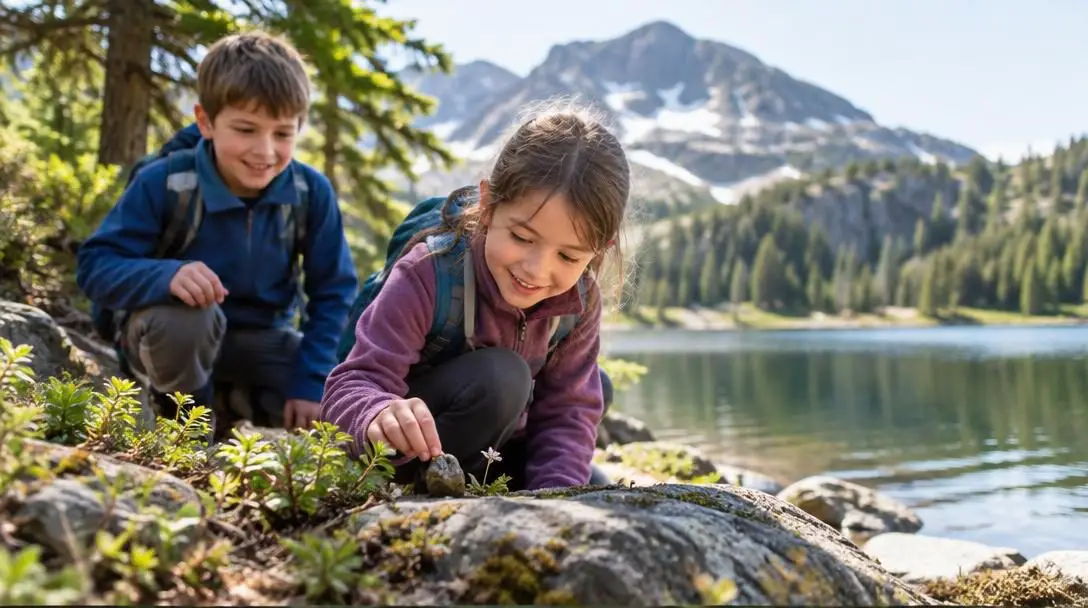
Expand What You Like
As you spend more casual afternoons outside, observe your children closely to see which environments and activities genuinely spark their enthusiasm. The key to sustainable outdoor recreation is leaning deeper into the specific pastimes your kids already adore, rather than feeling pressured to try every wilderness sport imaginable.
If your children enjoy looking for hidden treasures in the woods, explore the affordable world of modern geocaching using a smartphone. If they love hanging around the edge of a pond, consider picking up a basic, entry-level fishing rod. The governing rule remains simple: never buy specialized equipment in advance. Only purchase gear when a genuine need arises from an activity your family has already enjoyed repeatedly.
Comparing Outdoor Engagement Approaches
Understanding the tradeoffs between traditional, high-investment recreation and hassle-free, low-stakes outings can help you choose the right balance for your family's weekend plans.
| Outing Strategy | Gear Requirement | Prep Time | Primary Objective | Target Duration |
|---|---|---|---|---|
| Half-Day Beach Trip | Minimal (towel, sunscreen, water, child-carried toys) | 15 minutes | Open-ended beach exploration and water play | 2 to 3 hours |
| Local Park Nature Walk | Basic sneakers and water bottle | 10 minutes | Curiosity scavenger hunts and bird spotting | 1 to 2 hours |
| Minivan Overnight Camp | Bedding, basic toiletries, flashlight, fire food | 30 to 45 minutes | Campfire cooking, stargazing, and low-stress sleeping | Overnight (16 hours total) |
| Targeted Activity (e.g., Fishing) | Basic starter kit (purchased after sustained interest) | 20 minutes | Skill building based on demonstrated interest | 2 to 3 hours |
| Traditional Wilderness Camping | Heavy (tents, tarps, camp stove, coolers, pads) | 2 to 4 hours | Backcountry immersion and self-sufficiency | 2 to 3 days |
A Step-by-Step Blueprint for a Low-Stress Outing
Transitioning away from exhausting travel habits requires practical systems. Follow this sequential routine when orchestrating your next family outdoor adventure:
- Select a nearby destination: Pick a local county park, state recreation area, or municipal beachfront located within an hour of your home to minimize driving fatigue.
- Complete a pre-departure meal check: Serve a hearty, satisfying meal at your kitchen table immediately before heading out to bypass all on-site food preparation and clean-up duties.
- Enforce the one-bag standard: Pack everything the adults need into a single tote bag or compact daypack alongside personal water bottles. If an item cannot fit, leave it in the closet.
- Delegate carry duties to the kids: Establish a firm rule that any extra toy, kite, or sandbox tool a child wishes to bring must be transported by that child without parental assistance.
- Fix a firm departure time: Agree on a hard cutoff time for returning to the car before setting foot on the sand or dirt, ensuring the adventure ends on a positive note.
Common Mistakes That Sabotage Outdoor Trips
Even parents with the best intentions often stumble into patterns that turn an afternoon outside into an endurance trial. Guard against these common missteps:
- Treating recreation as an endurance test: Demanding that young children finish a difficult trail loop or stay out past their natural energy limit guarantees an emotional breakdown.
- Purchasing gear ahead of validated interest: Buying expensive hiking packs, brand-name outdoor apparel, or complex gear creates invisible financial pressure to force an outing.
- Over-managing the experience: Transforming every step of a walk into a compulsory science lecture kills spontaneous play; let your children discover the environment on their own terms.
- Hauling elaborate picnic lunches: Transporting bulky coolers and complex food setups creates heavy lifting and difficult clean-up when you should be resting.
- Ignoring upcoming weather shifts: While keeping preparations lean, failing to check local wind, temperature drops, or incoming rain can compromise comfort and safety.
Frequently asked questions
How can I keep my kids engaged on a trail without bringing electronic devices?
Give them active, physical observational tasks before starting your walk. Asking children to search for distinct animal tracks, count bird species, or collect unique pine cones and dry leaves for home art crafts channels their focus without screens.
What should we eat if we don't bring a full picnic on our outings?
Eat a full meal at home right before leaving, and plan to eat your next regular meal at home or a casual restaurant on your return. While out, carry only a single, compact desperation snack like fresh fruit or an energy bar for unexpected hunger pangs.
Is sleeping in a vehicle really comfortable enough for a family overnight?
Yes. A modern minivan with stowable or removable rear seats provides a flat surface roughly equivalent to a standard double mattress. When paired with home sleeping bags, pillows, and cozy sweatpants, it offers a warm, protected alternative to pitching a tent.
What equipment do I actually need to buy before taking my children hiking?
None beyond everyday athletic sneakers and a reusable water bottle. Specialty hiking shoes, trekking poles, and technical moisture-wicking clothing are unnecessary for local parks, groomed trails, and short nature walks.
How do I know when it is the right time to buy specialized outdoor gear?
Wait until your children have participated in an activity multiple times using borrowed or makeshift gear and continue asking to do it again. Buy equipment only when the lack of that specific tool limits their safety or enjoyment.
The Bottom Line
Introducing your children to the restorative rhythms of nature does not require technical certifications, heavy packs, or expensive mountain apparel. The secret to raising children who love the natural world is not found in orchestrating complex, exhausting vacations, but in mastering the art of the modest, frequent visit. By keeping trips short, paring your packing list down to the absolute bare essentials, and letting nature provide the entertainment, you remove parental stress from the equation. When you are relaxed and present, your children will naturally fall in love with the world outside their door.