5 Reasons To Recycle
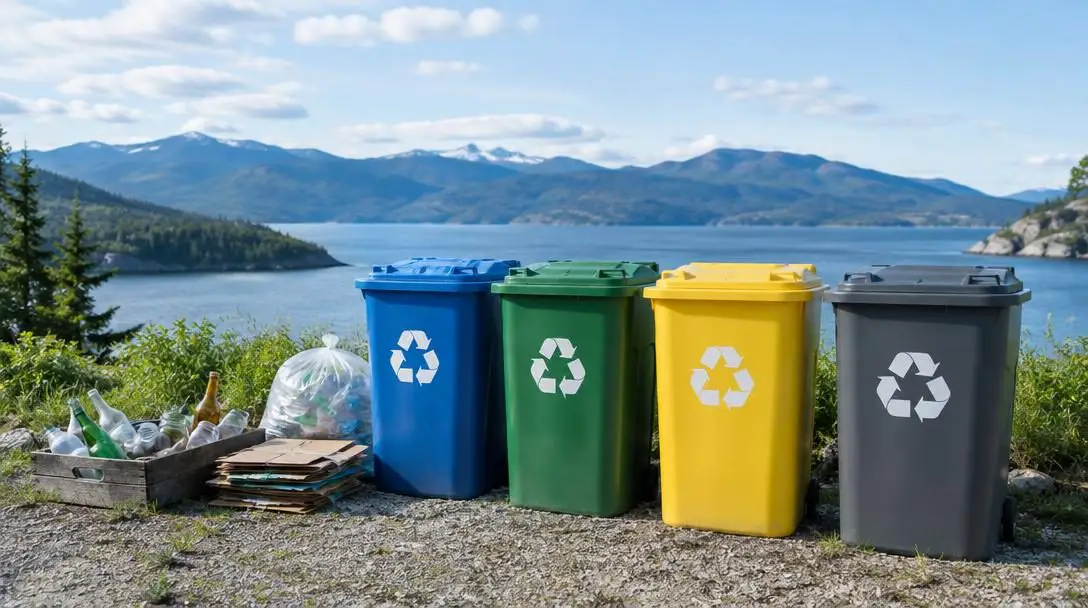
Recycling is an activity that many people encounter during early childhood, yet it remains far from universal across modern households. Everyday convenience frequently dictates personal waste habits, leading countless consumers to discard recoverable packaging directly into conventional trash cans rather than taking the brief moment required to sort items for reclamation.
The numbers reflect this ongoing cultural challenge: currently, only about one in every three Americans actively recycles. While this marks clear progress compared to a half century ago—when only about one out of twenty people sorted their discards—it remains insufficient to offset modern industrial strains. Understanding the systemic, economic, and ecological incentives behind resource reclamation is the first step toward transforming casual waste routines into enduring civic habits.
Key takeaways
- Only about one in three Americans currently recycles, up from one in twenty a half century ago.
- Reclaiming secondary materials lowers manufacturing costs, supports household deposit refunds, and slashes industrial carbon emissions.
- Recycling every newspaper printed in the United States each year would protect approximately a quarter billion living trees.
- Expanding the domestic recycling rate to 75 percent could add over one million jobs across sorting, processing, and remanufacturing sectors.
The Evolution of Waste Management and Landfills
To grasp why modern waste sorting matters, it helps to examine how household habits and municipal infrastructure have changed over the decades. Fifty years ago, recycling was largely an afterthought for municipal planners and everyday citizens alike. As mass-market consumer packaging proliferated throughout the mid-twentieth century, landfilling emerged as the standard municipal solution for handling discarded goods.
Landfills function by simply burying solid waste beneath layers of earth. While this strategy removes discards from immediate view, it locks away valuable, finite resources while creating prolonged hazards for soil integrity and surrounding ecosystems. Over recent decades, growing awareness prompted municipal leaders to build out dedicated curbside recovery systems. Yet consumer society continues to favor disposable, single-use goods. When convenience outweighs sorting, recoverable resources end up buried in disposal facilities or escaping into natural environments, creating localized air and water contamination that communities must subsequently spend public funds to mitigate.
Five Concrete Reasons to Make Recycling a Daily Priority
Discarding everyday containers into the trash bin may feel harmless in isolation, but the cumulative effects of waste sorting are vast. From pocketbook savings and regional air quality to economic expansion, separating secondary goods yields tangible dividends across every level of society.
| Reason | Primary Mechanism | Measurable Impact |
|---|---|---|
| Financial Savings | Cheaper secondary feedstocks and container deposits | Reduces consumer product prices and pays 10-cent bottle refunds in Michigan |
| Forest and Air Protection | Paper recovery reducing virgin timber harvesting | Saves around 250 million trees annually from U.S. newspaper recycling alone |
| Public Health and Longevity | Reduced pollution and safe containment of toxic fluids | Supports high urban life expectancy, such as Zurich's 84-year average |
| Workforce Expansion | Labor-intensive sorting, transporting, and remanufacturing | Supports 750,000 existing U.S. jobs, with potential for over 1 million more |
| Climate and Emission Reductions | Avoiding energy-intensive primary resource extraction | Directly curbs greenhouse gas emissions across industrial supply chains |
Reason 5: It Saves You Money
A widespread misconception prevents many individuals from embracing sustainable waste habits: the persistent belief that processing recyclables costs consumers more than tossing everything into the garbage. While specialized collection bins or regional service fees might seem like an added hassle at first glance, taking the long view demonstrates that recycling actually saves households money.
The economic benefits start within primary production cycles. When industrial manufacturers rely on recovered secondary goods rather than harvesting raw virgin materials, their processing expenses drop dramatically. Lower material input costs allow businesses to keep production budgets stable, which helps prevent retail price hikes on shelf-ready consumer goods. On an individual level, sorting discards can also generate pocket change. Participating in scrap paper exchanges or redeeming beverage containers can provide immediate cash returns. In Michigan, for instance, consumers receive a ten-cent refund on deposit for every bottle or can brought to a reclamation depot. Over the course of a year, setting aside these beverage containers turns ordinary household discards into practical spending money.
Reason 4: Helps You Breathe Better
Ambient air quality is directly linked to the health and abundance of natural forests. Trees serve a vital biological function: they draw in carbon dioxide from the atmosphere and release clean oxygen for humans and wildlife to breathe. Over the past few decades, however, extensive woodland tracts have been felled to supply pulp mills with raw materials for consumer paper goods and industrial packaging.
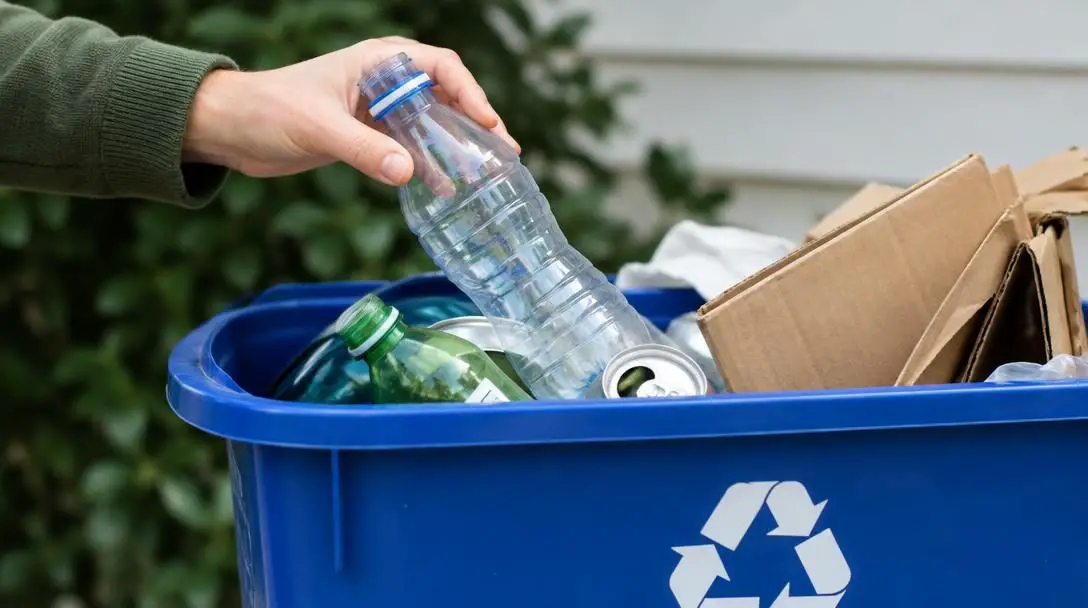
Continuously clearing virgin timber degrades the planet's organic air-filtration canopy. While digital devices have reduced reliance on print journalism, the domestic demand for packaging, office paper, and newsprint remains enormous. The scale of potential conservation is remarkable: recycling all of the newspapers printed in the United States each year alone would save around a quarter billion trees. Keeping those living canopies standing allows regional forests to cleanse urban airsheds and protect the air quality of nearby communities.
Reason 3: For Your Health
The conventional alternative to systematic material recovery is indiscriminate dumping or unregulated containment. When discarded items are abandoned in landfills or unmanaged waste sites, serious environmental hazards quickly emerge. This dynamic proves especially harmful when dealing with toxic fluids. If dangerous chemical compounds seep into bodies of water, regional aquatic habitats suffer severe damage, and nearby communities experience degraded drinking supplies and poisoned soils.
Conversely, cleaner disposal frameworks dramatically lower community disease burdens. When cities manage discarded materials responsibly, cutting off pathways to land, air, and water pollution, public health indices improve noticeably. The long-term health benefits of aggressive pollution controls are evident in international benchmarks. Zurich, Switzerland, was found to be the least polluted city in the world, and it also boasts an exceptional life expectancy of 84 years. Maintaining rigorous sorting, diversion, and environmental sanitation protocols is not merely an aesthetic choice; it directly bolsters long-term vitality.
Reason 2: Job Creation
Economic stability depends upon reliable employment pipelines, and waste handling has proven to be a reliable engine of long-term economic development. While traditional waste burial relies heavily on heavy earth-moving machinery to push trash into pits, processing recyclable discards requires robust sorting, chemical processing, logistical coordination, and remanufacturing operations.
Studies show that resource recovery already supports over 750,000 jobs in the United States. The expansion possibilities are even greater: if the domestic recycling rate were raised from its current one-in-three level to three-quarters, more than one million new jobs would be generated within the next decade. Processing secondary goods produces almost ten times as many jobs as landfills do per ton of material handled. Reaching that ambitious target would also pump billions of dollars into regional economies, revitalizing manufacturing towns through secondary-material conversion facilities.
Reason 1: Our Future Depends On It
The most pressing environmental challenge facing modern civilization is the rapid heating of the atmosphere driven by greenhouse gas emissions. Climate specialists caution that catastrophic environmental disruptions will intensify unless societies adopt comprehensive decarbonization strategies. Immediate waste diversion and material reclamation are indispensable elements of that transition.
Any time you use renewable resources, or secondary resources, there’s less carbon emitted than if you use primary sources.
Reclaiming existing metals, fibers, and glass cuts down atmospheric emissions by sharply reducing the need for raw material mining, logging, and energy-intensive smelting. Author Adam Minter underscores this foundational scientific principle: using secondary resources releases significantly less carbon than extracting and refining virgin feedstocks. Mining metallic ores or clear-cutting mature forests requires vast expenditures of fuel and mechanical energy. Substituting recovered scrap into industrial smelters and mills conserves baseline power and preserves vital climate stability for upcoming generations.
The Materials Recovery Cycle
To participate effectively in modern recycling systems, consumers benefit from understanding the three-stage path an empty container travels between the curbside bin and the store shelf.
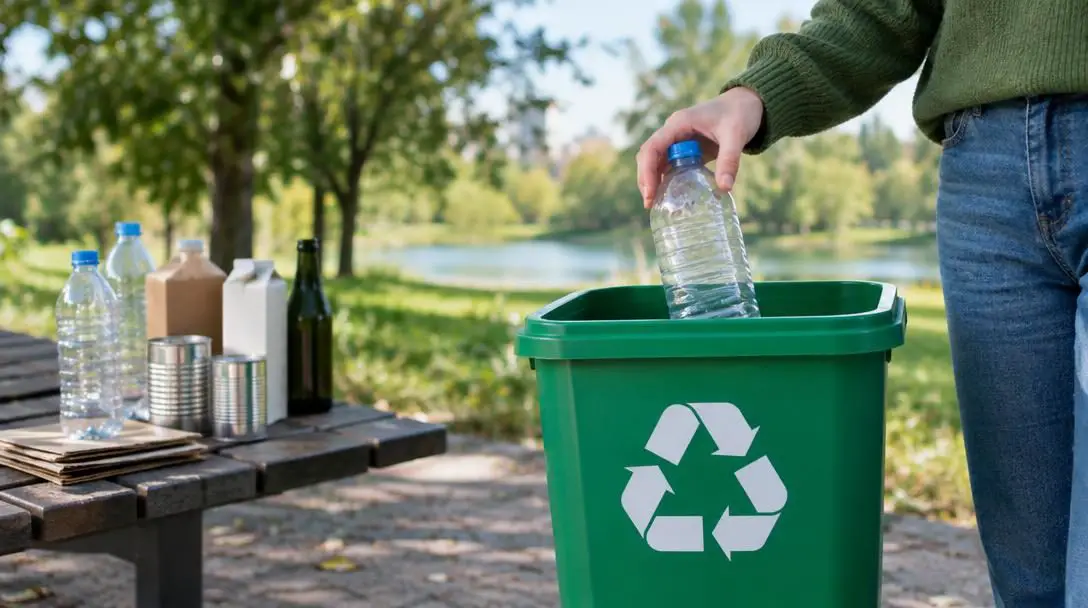
First comes collection and sorting. Households and offices separate clean paper, cardboard, plastics, and metals from general trash. Collection trucks transport these co-mingled or segregated materials to regional recovery facilities, where mechanical sorters, optical scanners, and manual sorting personnel categorize goods by chemical resin and fiber type.
Next is industrial reprocessing. Sorted materials undergo comprehensive cleaning to eliminate lingering contaminants and residues. Metals and glass containers are crushed, shredded, and melted down in industrial furnaces. Paper and corrugated boxes are submerged in water to dissolve structural bonds and produce workable paper pulp.
The final phase is remanufacturing. Industrial fabricators purchase these secondary pulps, pellets, and metal ingots to manufacture new consumer goods. These materials return to the marketplace as aluminum beverage cans, corrugated shipping cartons, building insulation, and packaging, eliminating the need to harvest pristine natural resources.
Practical Steps to Improve Personal Recycling Habits
Adopting sustainable material practices at home does not require expensive tools or intricate procedures. Establishing consistent sorting routines makes resource conservation second nature.
- Position an indoor recycling bin directly adjacent to your kitchen trash container so sorting takes zero additional physical effort.
- Perform a brief water rinse on all empty glass jars, metal food cans, and plastic bottles to clear away food residue before bin placement.
- Set up a separate, dry storage box to collect deposit-eligible beverage containers if you live in or near a deposit state such as Michigan.
- Flatten corrugated shipping boxes and bundle dry newspapers to conserve bin space and prevent paper fibers from degrading.
- Transport automotive fluids, solvent-based paints, and household cleaning chemicals directly to dedicated municipal hazardous waste drop-offs rather than curbside bins.
Common Recycling Mistakes to Avoid
Even conscientious individuals occasionally adopt habits that impair local processing facilities. Avoiding common recycling blunders helps recovery plants operate at peak efficiency.
- Wishcycling: Placing non-recyclable items like ceramic dinnerware, hoses, or mixed-material toys into curbside bins in the hope that sorting centers can repurpose them. These foreign objects damage conveyor belts and should be placed in the standard trash.
- Contaminating paper with food grease: Discarding oily takeout containers or pizza boxes into paper bins. Grease saturates wood pulp fibers, preventing them from bonding during the reprocessing phase and ruining entire paper batches.
- Improper hazardous waste disposal: Tossing leftover motor oil, chemical solvents, or household paints into regular collection bins. These dangerous fluids leak across dry cardboard, ruining valuable paper stock and threatening local groundwater supplies if diverted to standard landfills.
- Bagging loose curbside recyclables: Bundling loose cans, jars, and papers inside tied plastic shopping bags. Automated mechanical facilities cannot open tied plastic sacks, meaning operators must pull the entire bag off the sorting line and route it directly to disposal.
Frequently asked questions
How much has recycling participation changed over the past 50 years?
Roughly fifty years ago, only about one out of twenty Americans recycled, whereas approximately one in three Americans actively participates in recycling programs today.
How does recycling newspapers protect the atmosphere?
Recycling all newspapers printed in the United States each year would spare approximately 250 million trees, preserving the natural forest canopies that absorb carbon dioxide and release clean oxygen.
Can recycling containers really earn money for households?
Yes. In jurisdictions with container deposit legislation, such as Michigan, consumers receive a ten-cent refund on deposit for every qualifying beverage can or bottle returned for recycling.
How does recycling impact national job numbers compared to landfilling?
Recycling creates nearly ten times as many jobs as landfills per volume of waste handled. The sector already supports over 750,000 American jobs, and hitting a 75 percent recycling rate could generate over one million additional positions within a decade.
Why is Zurich, Switzerland, often cited in waste management discussions?
Zurich is recognized as the least polluted city in the world and maintains an average life expectancy of 84 years, demonstrating how aggressive pollution control and clean waste management support long-term public health.
The Bottom Line
Transitioning from the current domestic recycling rate of one in three toward a three-quarters benchmark is an achievable goal that offers profound environmental and economic payoffs. Every container diverted from a municipal landfill helps save consumer dollars, preserves native forest ecosystems, and expands domestic manufacturing employment.
Modern consumers hold significant power in their daily choices. By avoiding wishcycling, setting up dedicated home bins, rinsing out residues, and keeping hazardous liquids out of curbside streams, individuals can safeguard community air and water while helping build a sustainable, secondary-resource economy for decades to come.