5 Scientific Discoveries That Are Helping Fight Climate Change
Modern industrial civilization has delivered remarkable economic progress, technological convenience, and global connectivity over the past two centuries. However, the energy systems, manufacturing protocols, and agricultural practices that fueled this growth have created an acute ecological crisis. By pumping vast quantities of greenhouse gases—most notably carbon dioxide and methane—into the atmosphere, human activity has trapped solar heat and destabilized global climate systems. Scientific projections warn that global average temperatures could climb between 0.5 degrees Fahrenheit and 8.6 degrees Fahrenheit by the year 2100. While a shift of a single degree might sound negligible when compared to seasonal weather fluctuations, a shift of that magnitude in global climate baselines can disrupt complex weather systems, dismantle ecosystems, and imperil wildlife habitats across the planet.
Because technological advancement drove the emergence of this planetary threat, researchers around the globe are now applying rigorous technological innovation to formulate viable countermeasures. From biochemical engineering to advanced materials science and agronomy, scientists are developing novel tools designed to curb emissions, sequester atmospheric pollutants, and shield essential global food supplies. Five standout discoveries highlight the inventive methodologies researchers are using to confront ecological shifts.
Key takeaways
- Projections estimate global average temperatures will rise between 0.5°F and 8.6°F by 2100, demanding rapid deployment of technological countermeasures.
- Biochemical breakthroughs, such as an enzyme discovered accidentally in Japan, can decompose durable synthetic plastics in days rather than centuries.
- New renewable energy designs aim to generate clean power from both solar rays and the kinetic impact of falling raindrops.
- Agricultural genetic engineering strengthens core food supplies like corn, coffee, and chocolate against escalating floods, droughts, and pests.
- Targeted solutions like Tuskegee University's nanocellulose carbon capture and seaweed livestock supplements directly neutralize emissions at their source.
At a glance: Comparing the five climate innovations
| Scientific Discovery | Primary Climate Target | Core Mechanism | Key Limitation or Challenge |
|---|---|---|---|
| Plastic-Eating Enzymes | Synthetic polymer pollution and waste accumulation | Enzymatic cleavage of complex chemical bonds | Scaling from controlled laboratory settings to municipal infrastructure |
| All-Weather Solar Panels | Fossil fuel dependence in power generation | Dual harvesting of photovoltaic photons and raindrop kinetic energy | Long-term physical durability under heavy wear and vehicle traffic |
| Resilient Genetically Modified Crops | Agricultural vulnerability and food insecurity | Genomic adjustment for drought, flood, and pest resistance | Protects crop yields but does not eliminate atmospheric warming |
| Nanocellulose Carbon Capture | Excess atmospheric carbon dioxide concentrations | Agricultural waste nanomaterial binding atmospheric carbon dioxide | Developing manufacturing pipelines to turn crop waste into capture media |
| Seaweed Livestock Supplements | Agricultural methane emissions from cattle digestion | Bioactive suppression of enteric fermentation microbes | Global shortage of cultivated seaweed to meet widespread demand |
Five breakthroughs reshaping the modern climate response
Researchers are pursuing diverse pathways to slow environmental deterioration. These five discoveries demonstrate how natural mechanisms, chemical redesigns, and advanced materials can address critical environmental vulnerabilities.
Plastic-Eating Enzymes
- Origin: Discovered accidentally by researchers in Japan
- Target material: Synthetic plastics and polymers
- Decomposition timeframe: Days instead of centuries
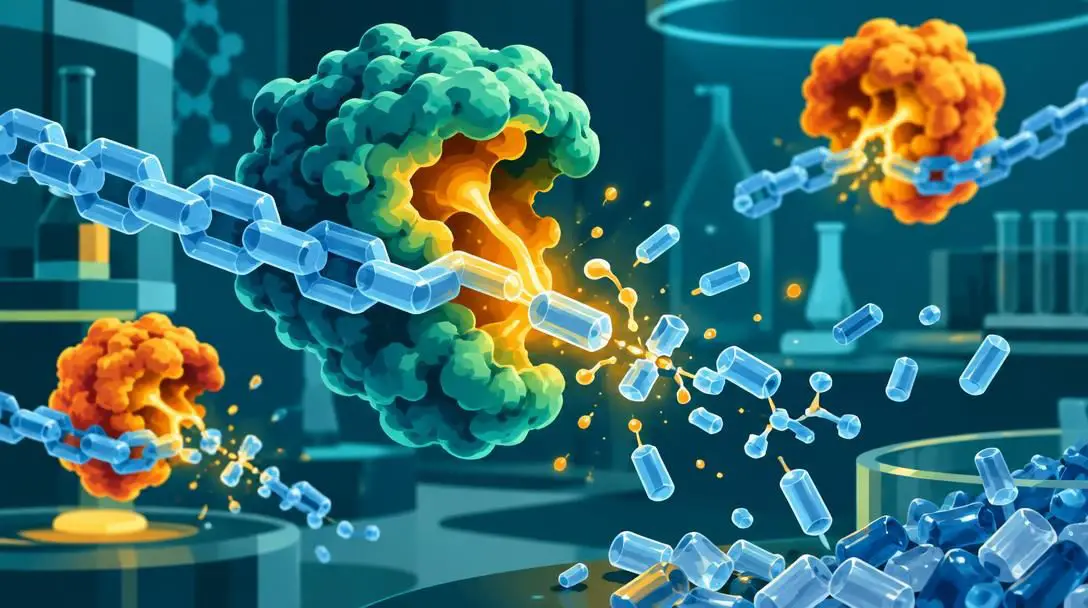
- Primary mechanism: Catalytic breakdown of polymer bonds
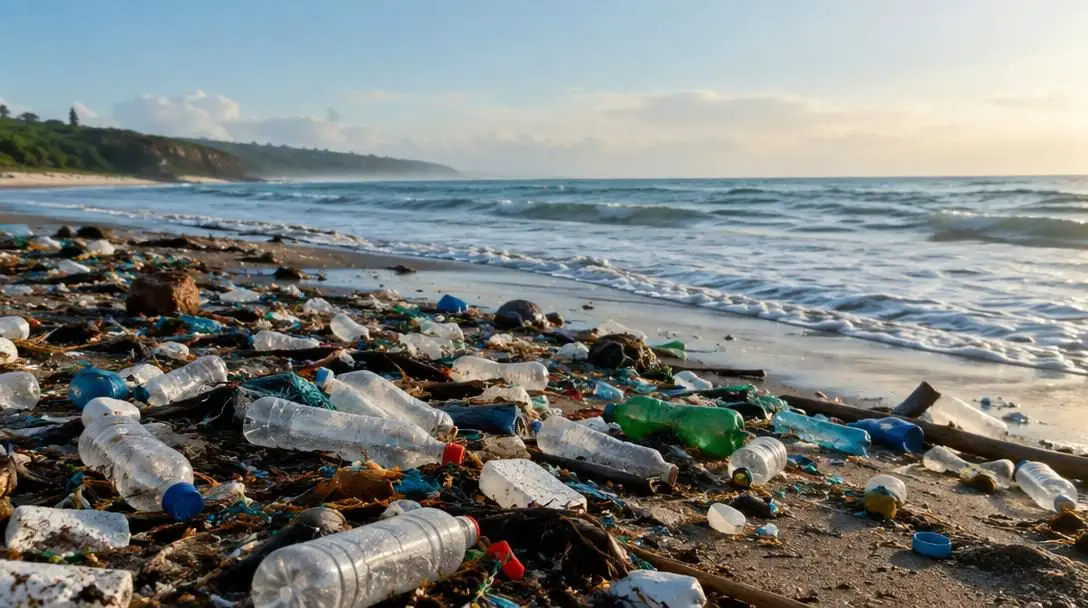
Synthetic plastics have saturated natural environments so thoroughly that microscopic particles now contaminate wild animal populations and have entered animal bloodstreams. Conventional plastics resist natural weathering, requiring hundreds of years to degrade through environmental exposure. A team of researchers in Japan altered this timeline through the accidental discovery of an enzyme capable of digesting plastic. Operating as a biological catalyst, the enzyme interacts with the rigid, synthetic polymer bonds that natural microbes cannot sever, breaking them down into simpler organic components within days. Applying this biochemical process at scale could drastically reduce the sheer volume of plastic refuse accumulating in natural habitats and waterways.
Biological catalysts can reduce the decomposition timeline of resilient synthetic polymers from hundreds of years to just a few days.
All-Weather Solar Panels

- Innovation hub: Research institutions in China
- Energy inputs: Direct sunlight and falling raindrops
- Deployment concepts: Rooftop arrays and full solar panel roads
- Operational goal: Continuous renewable power during overcast weather
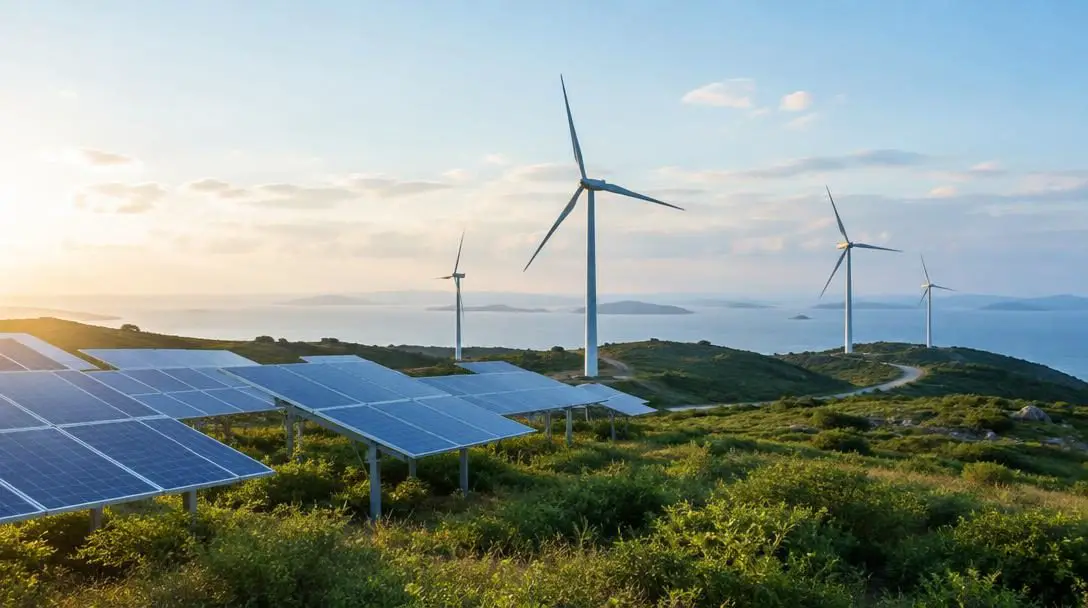
Expanding renewable power grids is essential for phasing out emissions-heavy fossil fuels. Standard photovoltaic cells depend solely on the photovoltaic effect, generating electricity when incoming photons knock electrons free from semiconductor materials. During overcast, rainy weather, typical power generation plummets. Researchers in China have developed panels that harvest kinetic and electrical energy from the physical impact and runoff of raindrops. When paired with ambitious civil engineering concepts like full solar panel roads, these dual-harvesting surfaces turn transit networks into power-generating infrastructure that produces clean electricity across diverse weather conditions.
Resilient Genetically Modified Crops
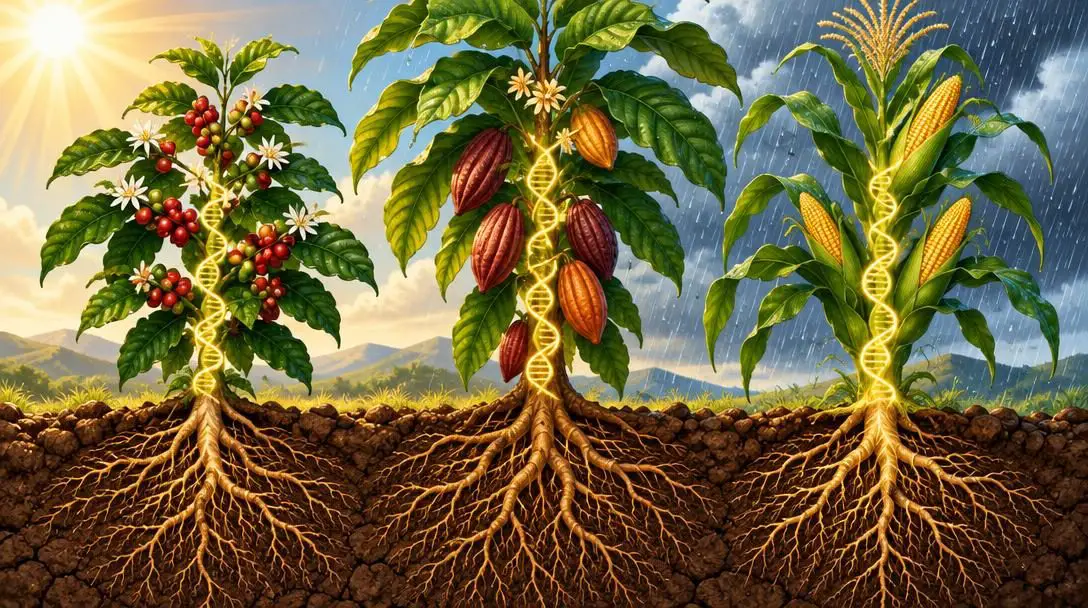
- Primary crops: Coffee, chocolate, and corn
- Target stressors: Extended drought, severe flooding, and invasive pests
- Direct benefit: Preserving food security and agricultural livelihoods
- Ecological role: Climate adaptation rather than emissions abatement
Shifting weather patterns disrupt farming regions responsible for major global staples, including corn, coffee, and chocolate. Drought conditions dry out soil systems, while unpredictable downpours overwhelm drainage, causing root rot and crop failure. Concurrently, warmer temperatures expand the ranges of destructive agricultural pests. By employing genetic modification techniques, researchers reinforce the natural defenses of vital crops. Genetic adjustments improve root architectures, optimize cellular water retention during droughts, increase survival during prolonged flooding, and enable plants to naturally repel pests without requiring intensive chemical pesticide applications.
Nanocellulose Carbon Capture
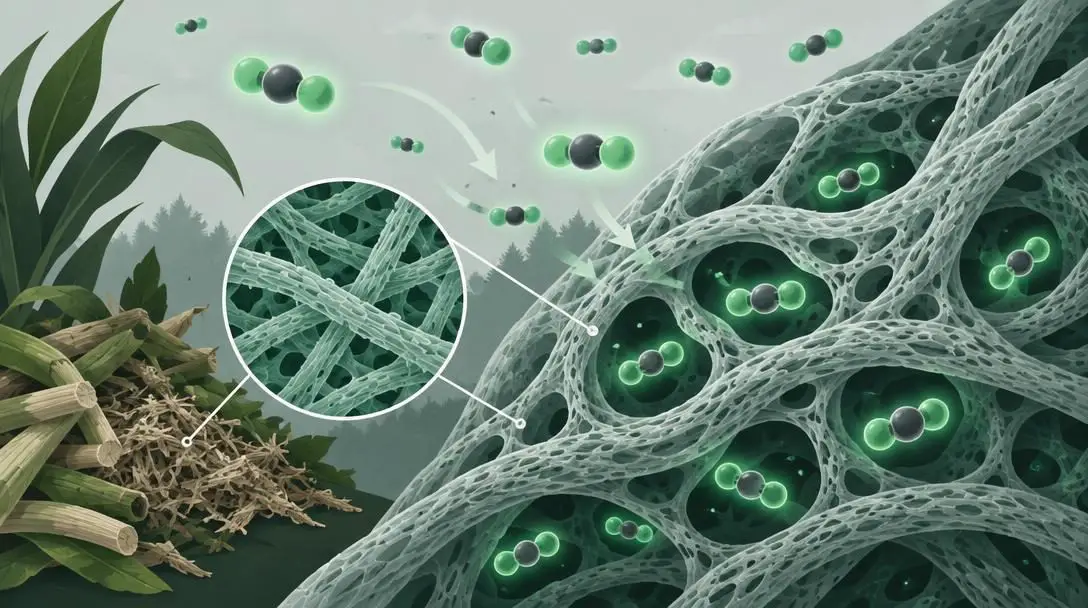
- Developing institution: Tuskegee University
- Base raw material: Repurposed agricultural plant waste
- Operational advantage: Captures, stores, and releases carbon dioxide without external influences
- Cost profile: Cheaper and cleaner than conventional chemical capture
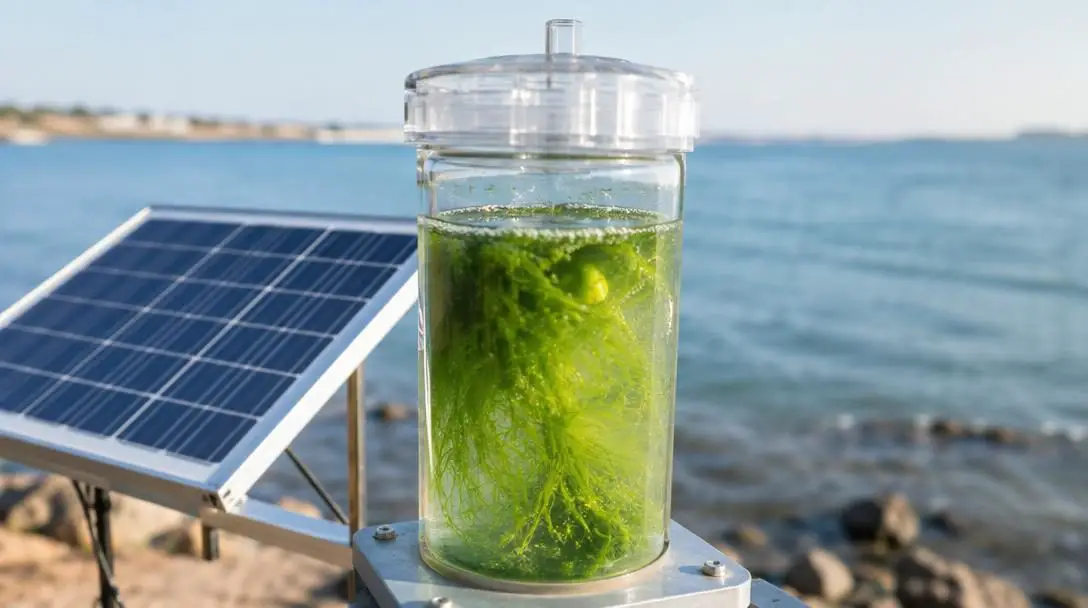
Trapped carbon dioxide remains the foremost contributor to rising global temperatures, making atmospheric carbon removal a high priority. At Tuskegee University, researchers formulated a carbon capture method that is less expensive, more effective, and environmentally friendly compared to standard industrial scrubbers. The material relies on nanocellulose extracted from agricultural waste. Nanocellulose features an expansive surface area packed with active binding sites that selectively capture, store, and release carbon dioxide directly from ambient air. Because it operates cleanly without demanding intensive chemical or energy-heavy interventions, the system turns discarded crop matter into an effective carbon sink.
Seaweed Livestock Supplements
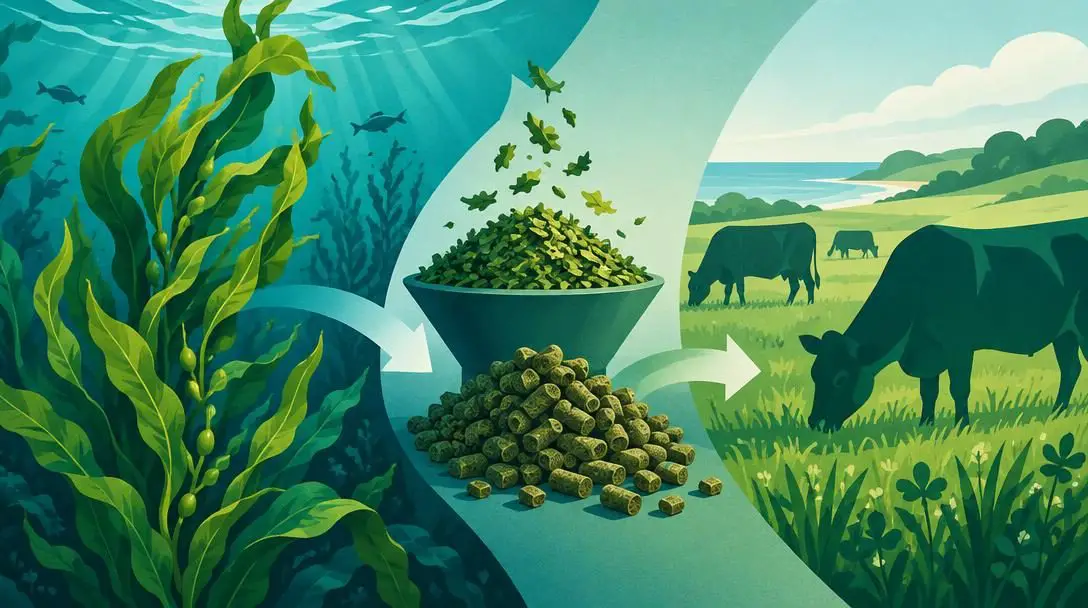
- Target gas: Enteric methane
- Emission reduction: Up to 80 percent reduction in livestock methane
- Application: Dietary supplement for cattle feed
- Major constraint: Inadequate global seaweed supply
Methane is an exceptionally potent greenhouse gas, and a significant portion of global methane originates within livestock digestion. Ruminant animals like cattle process fibrous grasses through enteric fermentation, a digestive process driven by internal microbes that produces heavy methane gas as a byproduct. Cattle expel this gas into the atmosphere through continuous burping. Scientists discovered that mixing small amounts of seaweed into cattle feed disrupts the specific digestive microbial pathways responsible for generating methane. This dietary supplement maintains normal animal nutrition while reducing livestock methane emissions by up to 80 percent, though a lack of sufficient seaweed production currently prevents universal agricultural adoption.
How communities and industries can implement climate solutions
Transitioning climate discoveries from academic laboratories into functional industrial workflows requires deliberate operational planning across multiple sectors. Stakeholders can implement these discoveries through targeted actions:
- Audit packaging materials: Packaging designers and logistics managers can review supply chains to identify non-recyclable polymers, preparing waste-handling infrastructure to integrate biological degradation solutions like plastic-eating enzymes as they become commercially viable.
- Invest in hybrid renewable infrastructure: Municipal planners and regional utility providers can pilot dual-harvesting surfaces and solar road infrastructure, maximizing renewable power capture across transit corridors in varying weather conditions.
- Adopt climate-adapted seed stocks: Commercial growers and smallholder farmers can monitor agricultural field trials of genetically modified corn, coffee, and cacao varieties to safeguard crop yields against unpredictable weather extremes.
- Funnel agricultural waste into carbon processing: Large-scale farming operations can establish partnerships with nanocellulose manufacturers, supplying residual crop biomass for conversion into atmospheric carbon capture media instead of leaving it to decompose.
- Support commercial seaweed aquaculture: Livestock operations and agricultural cooperatives can back regional seaweed farming initiatives, establishing localized supply chains to secure feed supplements that curtail enteric methane emissions.
Common pitfalls in evaluating climate technology
Enthusiasm for emerging technological solutions can sometimes overshadow practical limitations. Avoiding common analytical missteps is vital for building balanced, long-term environmental strategies:
- Confusing adaptation with emissions abatement: Genetically modified crops protect critical food systems from severe drought and flooding, but they do not reverse rising atmospheric temperatures. Relying on adaptation technologies while neglecting emissions cuts leaves the underlying driver untouched.
- Disregarding raw material supply bottlenecks: Promising discoveries often face severe production ceilings. Adding seaweed to livestock feed can cut methane burps by up to 80 percent, but attempting universal implementation without dramatically expanding seaweed farming creates massive distribution bottlenecks.
- Assuming future tech excuses current pollution: The existence of plastic-eating enzymes does not justify reckless plastic consumption and disposal. Because synthetic polymers have already settled in wildlife and animal bloodstreams, failing to manage existing waste streams deepens ecological harm while biological remedies remain in development.
- Treating carbon capture as a universal cure: Nanocellulose carbon capture offers an elegant, low-cost method for sequestering atmospheric carbon dioxide. However, relying on carbon extraction to solve the climate crisis without addressing fossil fuel consumption and agricultural methane generates an incomplete and ineffective strategy.
Practical challenges and future scaling
Moving forward, the primary hurdle for these five scientific discoveries lies in transitioning from small-scale demonstrations to robust, cost-effective industrial applications. Each innovation faces unique operational challenges that require coordinated investment and interdisciplinary collaboration.
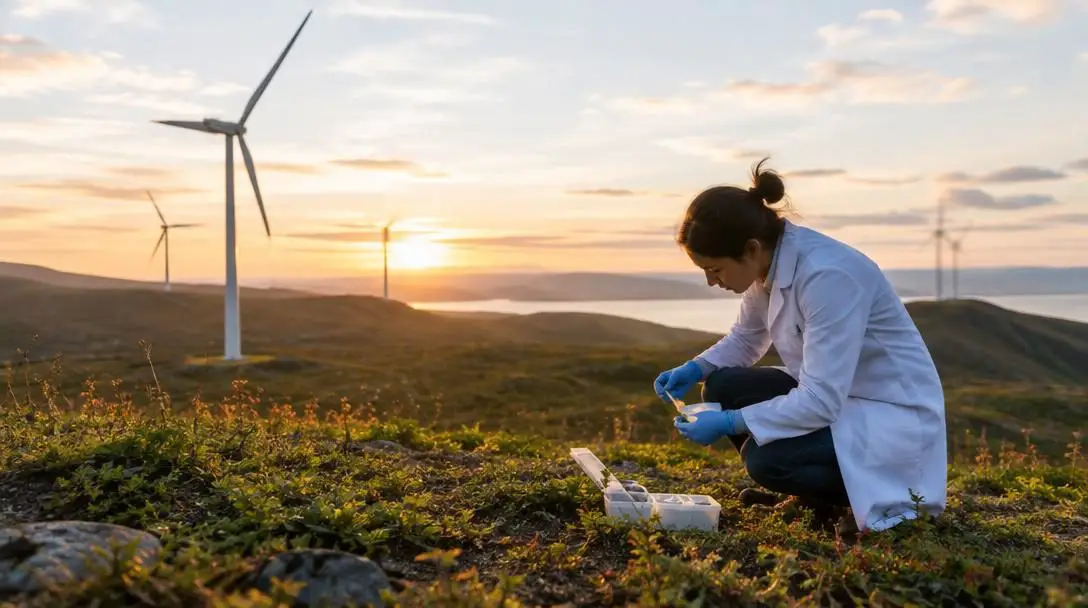
For biological plastic degradation, the enzyme discovered by the Japanese team must be stabilized for use outside controlled laboratory environments. Municipal composting plants and recycling facilities must design specialized processing systems capable of hosting enzymatic degradation at high volumes without letting unpredictable contamination disrupt the process.
In renewable infrastructure, the durability of dual-harvesting systems must be proven under harsh real-world conditions. Solar panel roads must withstand thousands of pounds of recurring vehicle traffic, winter freeze-thaw cycles, and continuous surface abrasion while maintaining efficient photovoltaic and kinetic capture. Simultaneously, production costs for rain-harvesting hardware developed in China must decline to compete with conventional rooftop panels.
Agricultural genetic modification will require equitable distribution models. Small-scale farmers throughout equatorial coffee- and cacao-producing belts are especially vulnerable to climate disruption, yet they often lack the capital to purchase patented, engineered seeds. Agricultural extension initiatives must ensure that climate-resilient traits are accessible to communities most vulnerable to food insecurity.
Finally, carbon capture scaling depends on building reliable processing pipelines. Tuskegee University's nanocellulose discovery provides a sustainable blueprint, but regional agricultural networks must organize collection pipelines to transport crop residue to processing facilities efficiently. When backed by sustainable supply chains, these five discoveries offer an actionable framework for protecting the planet against accelerating climate shifts.
Frequently asked questions
How fast does the plastic-eating enzyme work compared to natural degradation?
Standard synthetic plastics take hundreds of years to degrade through natural weathering in the environment. In contrast, the enzyme discovered by researchers in Japan can break down durable synthetic polymer bonds into simpler organic compounds in just a few days under proper conditions.
Can solar panels really produce electricity when it is raining?
Yes. While conventional photovoltaic panels experience a severe drop in power generation during cloudy and rainy weather, research from China has demonstrated systems that harvest kinetic and electrical energy from the physical impact and movement of raindrops across the panel's surface, supplementing solar energy generation.
Why does feeding seaweed to cows reduce greenhouse gas emissions?
Cattle produce methane as a natural byproduct of enteric fermentation, where microbes in their digestive tracts break down fibrous plants. This trapped gas is expelled into the atmosphere through burping. Bioactive compounds in seaweed disrupt this specific microbial fermentation pathway, cutting burping methane emissions by up to 80 percent without depriving the cow of critical nutrients.
What makes nanocellulose carbon capture different from traditional capture systems?
Traditional carbon capture systems often require energy-intensive mechanical processing or harsh chemicals. The nanocellulose technology developed at Tuskegee University uses nanomaterials isolated from agricultural plant waste. It captures, stores, and releases ambient atmospheric carbon dioxide cleanly, using natural binding sites without requiring intensive external interventions.
Do drought- and flood-resistant crops stop climate change?
No. Genetically modified crops such as climate-resilient corn, coffee, and chocolate are climate adaptation tools rather than mitigation tools. They protect global food security and farming stability against weather extremes, but they do not reduce atmospheric greenhouse gas concentrations or reverse global warming.
The bottom line
Halting climate change requires attacking the crisis from multiple fronts: cutting primary emissions, adapting vital agricultural systems, removing excess atmospheric carbon dioxide, and cleaning up persistent industrial pollutants. From plastic-eating enzymes discovered in Japan to nanocellulose carbon capture developed at Tuskegee University and methane-curbing seaweed supplements, these scientific discoveries showcase the power of technological innovation. By overcoming raw material bottlenecks, building durable infrastructure, and pairing adaptation measures with aggressive emissions reductions, global society can translate these lab breakthroughs into an enduring environmental defense.