5 Weather Changes We’re Likely To See Due To Climate Change
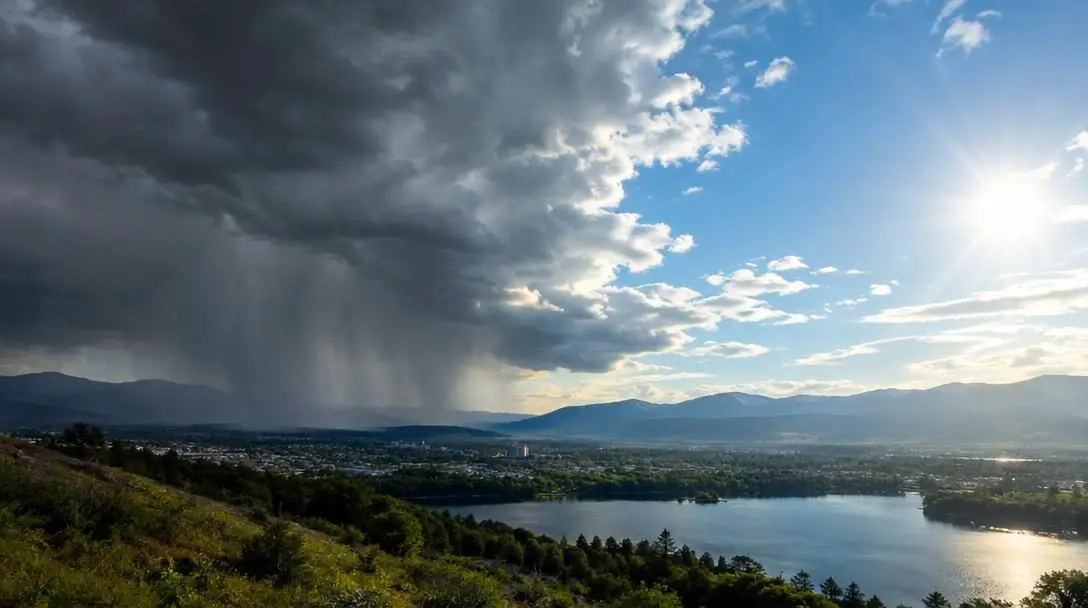
Public awareness surrounding shifts in our global climate has expanded rapidly, evolving from specialized scientific discourse into one of the most prominent topics of contemporary civic life. While the subject frequently sparks heated political debate, public opinion surveys reveal a broad consensus among everyday citizens: a clear majority of Americans believe the government is not doing enough to address climate challenges, and roughly three-quarters affirm that climate change is an established reality that will negatively alter the planet's future. As natural disasters intensify across continents, separating everyday weather fluctuations from systemic environmental trends has become impossible to ignore.
Observations collected by meteorologists and climatologists worldwide confirm that modern weather baselines are far from static. The planet is entering an era defined by accelerating volatility, where environmental extremes that once seemed exceptional are becoming regular occurrences. To anticipate how these environmental transformations will reshape daily life, municipal planning, and community resilience, we must examine the specific shifts actively developing across our skies, waterways, and landscapes.
Key takeaways
- Roughly three in four Americans recognize that climate change is real and anticipate that it will negatively affect the planet's trajectory.
- Global wildfire activity is projected to surge by more than 50 percent in less than a century, placing traditionally humid regions at unexpected risk.
- Out of the ten most hurricane-heavy years recorded since 1851, six have occurred after 2003, driven by warmer seas and atmosphere.
- Atmospheric warming compounds both sides of the hydrological cycle, causing destructive flash flooding alongside intensified regional droughts.
At a glance: five shifting weather phenomena
| Weather phenomenon | Primary environmental driver | Projected impact | Key historical data point |
|---|---|---|---|
| Wildfires | Parched soil and desiccated vegetation | Humid regions face heightened ignition risks | 50%+ projected increase in under 100 years |
| Heatwaves | Rising baseline global temperatures | Prolonged, life-threatening urban heat stress | Only 2 years since 2012 below 55°F global average |
| Increased Flooding | Elevated water vapor retention and sea-level rise | Compound storm surges and sudden inland flash floods | Severe historical inundation in coastal Louisiana |
| Drought | Peak evaporation rates and altered rain patterns | Depleted reservoirs and compromised agriculture | Major lakes and rivers losing critical volume globally |
| Hurricanes | Ocean thermal expansion and high atmospheric moisture | Greater proportion of intense Category 4 and 5 storms | 6 of top 10 most active years have occurred since 2003 |
Five major weather changes escalating across the globe
As the Earth's average temperature continues its steady upward march, standard seasonal weather behaviors are changing in measurable ways. These changes do not manifest as uniform temperature bumps everywhere at once; instead, they disrupt existing atmospheric systems, amplifying both moisture-starved and moisture-saturated weather fronts.
Wildfires
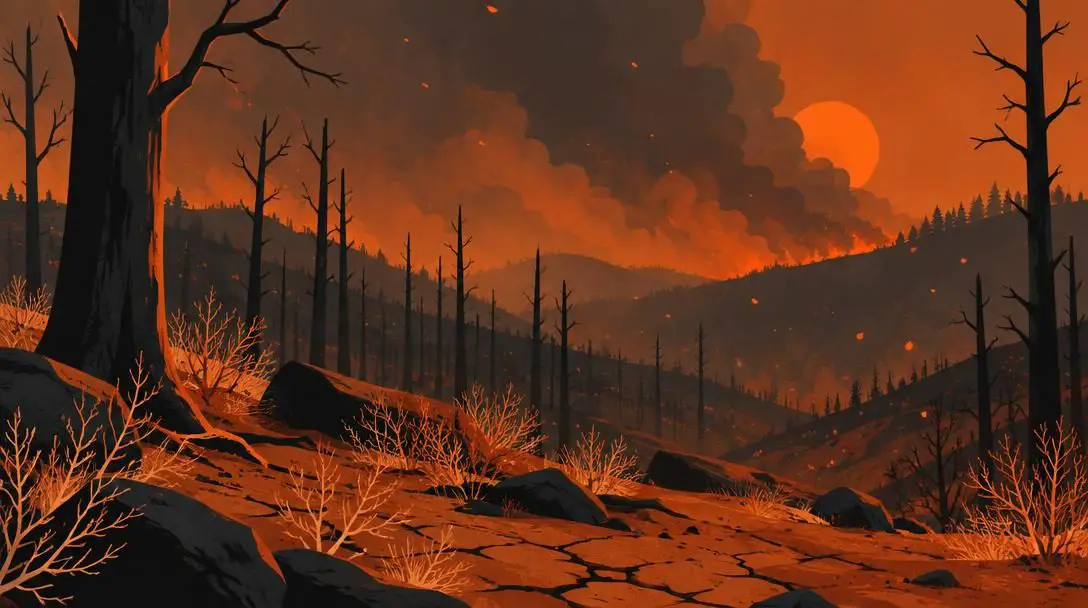
In recent years, dramatic wildfire seasons across the western United States and Australia have captured global attention, demonstrating the destructive power of uncontrolled blazes. As mean surface temperatures rise, topsoil and organic ground cover dry out far earlier in the warm season, transforming forests and scrublands into expansive tinderboxes. Scientific models indicate that our planet is standing on the precipice of a worldwide wildfire crisis, with forecasters projecting an increase of more than 50 percent in wildfire activity in under a century. Crucially, this threat is no longer limited to traditionally arid brushlands; geographic zones long considered comfortably humid are expected to see their baseline moisture margins degrade, putting them at serious risk of fire within the next 100 years.
Heatwaves

As aggregate planetary temperatures trend upward, sustained heatwaves naturally occur with greater regularity and prolonged intensity. A vivid reminder of this vulnerability occurred during the 2022 European heatwave, when persistent, scorching temperatures enveloped cities lacking widespread residential and commercial air conditioning infrastructure, leading to widespread disruption and tragic loss of life. Historical climatological data underscores how rapid this shift has been: roughly a century ago, the global average baseline temperature hovered around 50 degrees Fahrenheit. In stark contrast, during the modern period since 2012, there have been only two years where the average global temperature dipped below 55 degrees Fahrenheit, showing that elevated heat is our new operating normal.
Increased Flooding
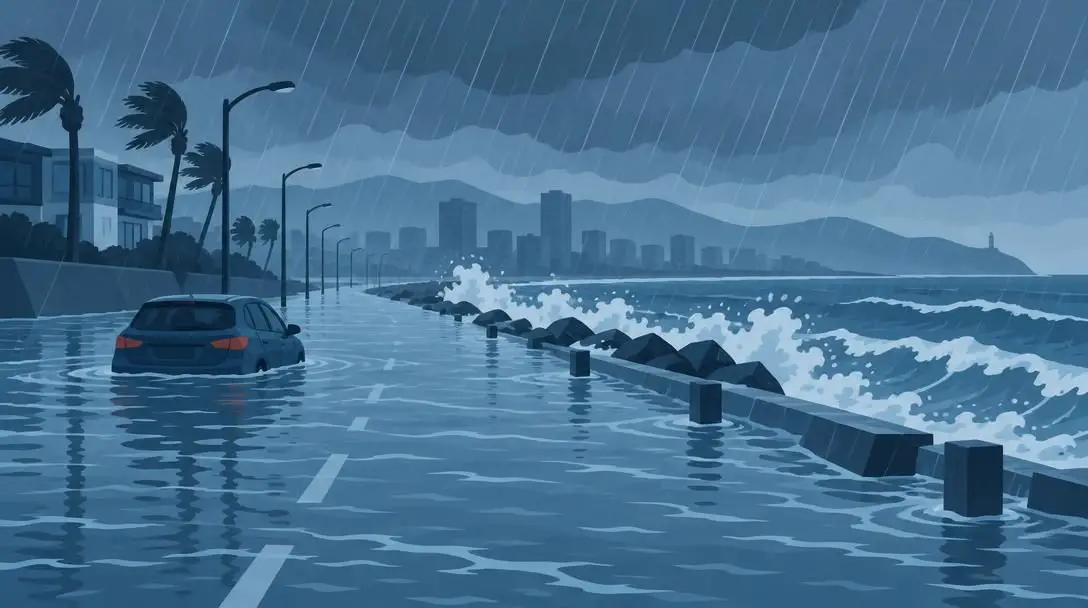
While extended drying trends afflict certain zones, other regions face the inverse hazard: violent, concentrated inundations. Coastal and low-lying communities are acutely vulnerable to rising sea levels caused by melting polar ice caps and glaciers, which push baseline tides higher and allow ocean surges to penetrate further into developed areas. Regions such as coastal Louisiana have already endured catastrophic infrastructure damage from hurricane-induced storm surges and slow-moving rainfall systems. Beyond coastlines, inland urban areas face a surging threat from sudden flash floods, as built environments paved with asphalt and concrete struggle to absorb the high-volume downpours generated by an atmosphere capable of carrying vast quantities of water vapor.
Drought
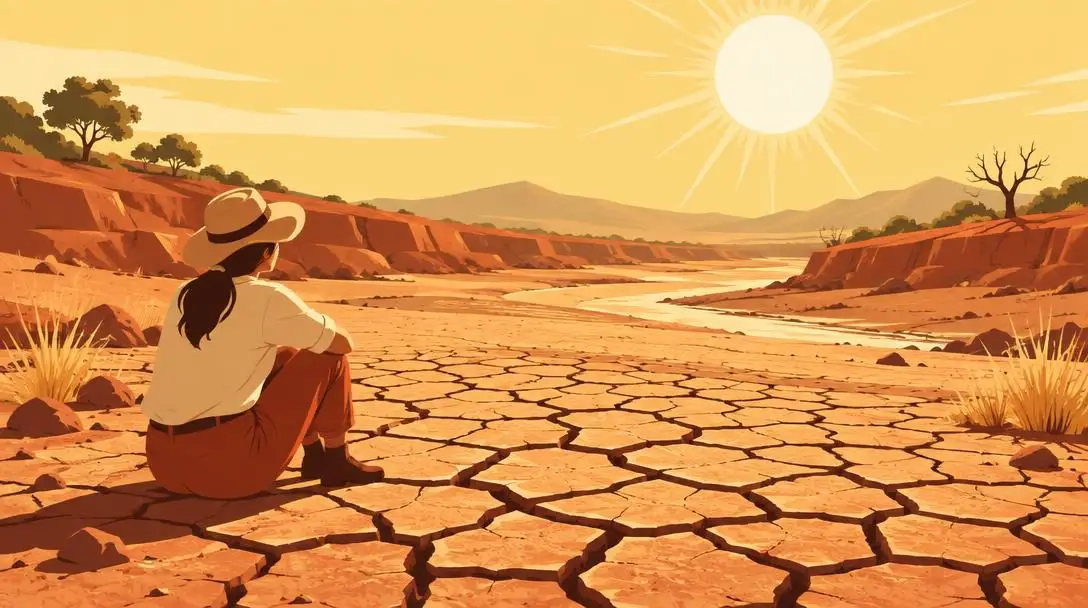
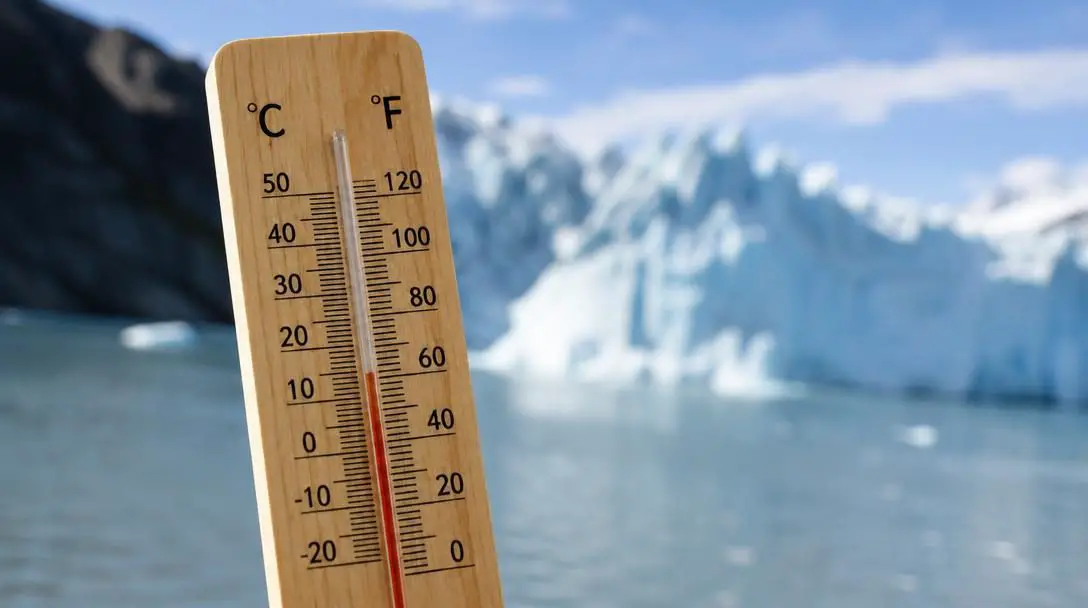
When atmospheric storm tracks shift away from certain geographies, the combination of high ambient temperatures and dry air creates severe precipitation deficits. Heightened surface temperatures push evaporation rates to historic highs, rapidly drawing moisture out of shallow reservoirs, local streams, and vital topsoil layers. Across multiple continents, major inland lakes and river networks are experiencing historic volume losses, threatening both drinking water reserves and critical hydroelectric supplies. When agricultural heartlands endure extended rainfall deficits, municipal systems must enforce restrictive water rationing, while crop yields decline, driving up food production costs worldwide.
A warmer atmosphere operates like a colossal sponge, drawing vast volumes of moisture out of parched soils in one region only to dump torrential downpours onto another.
Hurricanes

Tropical cyclones require warm ocean surface waters to form, organize, and intensify. As ocean surfaces absorb atmospheric warmth, this vast thermal energy acts as high-octane fuel for tropical depressions, resulting not just in a modest uptick in the total number of systems, but in a documented rise in the frequency of destructive Category 4 and Category 5 hurricanes. Warmer air holds significantly more water vapor, meaning modern storms release unprecedented amounts of torrential rain in addition to packing ferocious sustained winds capable of leveling robust buildings. Climatological records kept continuously since 1851 show this acceleration in real time: six of the ten most active hurricane seasons ever recorded have occurred since 2003.
The atmospheric and oceanic mechanisms driving severe weather
The escalation of severe weather is governed by straightforward physical principles of heat, evaporation, and fluid dynamics. By examining how these foundational mechanisms interact, the connection between a warming planet and violent weather patterns becomes clear.
- Moisture capacity: Basic physics dictates that warmer air holds more moisture. For every degree of warming, the atmosphere's capacity for water vapor expands significantly. When a storm system condenses this moisture-laden air, it unleashes sudden, high-volume cloudbursts that overwhelm civil drainage networks and trigger destructive flash floods.
- Surface evaporation rates: High surface heat pulls moisture directly out of soils, farm fields, rivers, and inland lakes. This elevated rate of evaporation parches the upper layers of earth, turning fertile ground into hard-baked crust that cannot readily absorb water when rains finally return.
- Fueling wildfires: When hot, dry air hovers over forested land for weeks, it strips moisture from standing timber, fallen branches, and underbrush. This dry biomass serves as instant fuel, allowing a single lightning strike or errant spark to ignite an uncontrollable wildfire that travels quickly across parched terrain.
- Oceanic thermal expansion and ice melt: As polar ice caps and high-altitude glaciers lose mass, their meltwater drains into the world's oceans. At the same time, water naturally expands in volume as it absorbs ambient heat—a process known as thermal expansion. Working together, these factors raise sea levels, making high tides higher and pushing destructive storm surges deeper into coastal communities.
Actionable steps for extreme weather preparedness
Given the rising frequency of heatwaves, intense storms, flash floods, and wildfires, relying on reactive measures during an emergency is no longer enough. Developing a forward-looking household emergency plan minimizes personal risk and safeguards property.
- Assess regional and household hazards: Determine your home's vulnerability to local risks, such as floodplains, low-lying coastal surge paths, or urban wildfire interfaces, so you can tailor your safety preparations to the specific hazards around you.
- Reinforce home infrastructure: Clear out roof gutters, secure downspouts to guide water away from foundations, prune overhanging tree limbs, and install high-efficiency particulate air filters to preserve clean indoor air during smoke events.
- Build a comprehensive emergency kit: Stock a go-bag with non-perishable food, potable water rations, battery-powered emergency flashlights, portable power banks, a battery-operated NOAA weather radio, and a multi-week supply of critical prescription medications.
- Establish clear communication and evacuation protocols: Map out multiple evacuation routes out of your neighborhood, agree on a designated meeting location outside your immediate area, and set up severe weather alerts through local emergency management agencies.
Common assumptions and missteps to avoid
Navigating modern weather hazards requires shedding outdated assumptions about seasonal safety. Avoiding these common mistakes can protect both lives and property:
- Assuming past weather guarantees future safety: Relying on the fact that a home or neighborhood has not flooded in several decades creates false confidence. Changing weather dynamics and urban development mean historical flood and fire maps are constantly shifting.
- Underestimating the physiological dangers of heat: Treating heatwaves as minor inconveniences rather than serious medical threats is a dangerous error. Heat exhaustion and heatstroke develop quickly, particularly for older adults, young children, and individuals without access to climate-controlled spaces.
- Postponing storm preparation until warnings are issued: Waiting for official severe weather watches or warnings before buying bottled water, batteries, or storm shutters often means facing cleared grocery shelves, long fuel lines, and dangerous supply shortages.
- Ignoring routine structural maintenance: Neglecting small home upkeep tasks—such as clearing yard debris, inspecting roof shingles, or checking sump pump operational readiness—can turn an otherwise manageable storm into a costly structural disaster.
- Overlooking wide-ranging smoke hazards: Wildfire smoke travels thousands of miles on upper-level winds, bringing dangerous levels of fine particulate matter to areas nowhere near active flames. Failing to monitor local air quality indices during fire season can exacerbate chronic respiratory illnesses.
Long-term planning and community resilience
Beyond individual and household readiness, addressing the realities of shifting weather patterns requires long-term planning and proactive financial management. Community resilience depends on public infrastructure investments and personal financial protections working in tandem.
Property owners and renters must carefully inspect their existing insurance coverage. Standard homeowners and renters insurance policies routinely exclude losses caused by surface flooding, storm surges, or wildfires. Reviewing policy declarations, understanding specialized riders, and purchasing standalone flood insurance through recognized providers helps prevent devastating out-of-pocket expenses following a disaster.
At the community level, supporting municipal investments in resilient infrastructure creates long-lasting protection against extreme weather. Upgrading stormwater drainage networks, building reinforced seawalls, elevating vulnerable electrical substations, and expanding urban tree canopies to reduce the "heat island" effect all strengthen a city's ability to weather climate-driven hazards.
Frequently asked questions
Why do warmer temperatures cause both droughts and floods?
Warmer air accelerates evaporation rates, pulling moisture rapidly out of soils, lakes, and reservoirs, which produces intense dry spells. At the same time, because warm air can hold significantly greater volumes of moisture, storms that form in these conditions drop heavier, more concentrated downpours, leading to severe flash flooding.
How much is global wildfire activity expected to increase?
Researchers project that global wildfire activity will increase by more than 50 percent in less than a century as prolonged heat and dryness continue to parch vegetation, transforming even historically humid regions into fire-vulnerable landscapes.
What makes modern hurricanes more dangerous than storms in the past?
While the overall increase in storm numbers is modest, hurricanes are growing significantly more intense, with a higher proportion reaching Category 4 and Category 5 strength. These storms hold greater volumes of water vapor and draw thermal energy from warmer ocean waters, producing catastrophic rainfall, severe wind damage, and deeper coastal storm surges.
How significant has the change in global average temperature been over the last century?
A century ago, the global average baseline temperature was approximately 50 degrees Fahrenheit. Demonstrating the rapid upward trend in modern heat, there have been only two years since 2012 where the global average temperature fell below 55 degrees Fahrenheit.
Does standard home insurance cover damages from extreme floods or fires?
Standard home and renters insurance policies typically exclude damage caused by overland flooding and storm surge, and some policies in high-risk zones also exclude wildfire destruction. Property owners must review specific policy riders or acquire specialized protection, such as dedicated flood insurance policies, well before extreme weather occurs.
The bottom line
The weather changes unfolding across our planet are no longer distant scientific projections—they are direct, observable realities reshaping communities worldwide. From intensifying wildfires and expanding droughts to punishing heatwaves, compound flooding, and powerful hurricanes, weather extremes are rewriting historical baselines. By understanding the physical drivers behind these phenomena, avoiding common preparedness mistakes, and investing in both household and municipal resilience, communities can meet an era of unprecedented environmental change with clear-eyed, practical action.