How Important Is Food In Stopping Climate Change
Addressing global warming often feels like an intimidating, technical challenge that requires sweeping personal sacrifices. Many everyday solutions presented to the public involve replacing gasoline vehicles with electric alternatives or undertaking costly retrofits to home heating and cooling systems. Because these changes demand substantial financial investments and run counter to deeply established routines, individuals frequently push back against being told how to live their everyday lives.
Fortunately, climate action does not rely entirely on how people commute or power their homes. Everyday dietary patterns represent one of the most accessible and effective mechanisms for curbing global emissions. Unlike long-term infrastructure upgrades, eating is a daily activity over which individuals exercise direct discretion. By understanding how agricultural production and kitchen habits intersect with the atmosphere, consumers can make incremental changes that meaningfully slow global warming without upending modern life.
Key takeaways
- Discarded food generates 11% of global greenhouse gases, with roughly 80 billion pounds discarded annually in the United States alone.
- The meat industry generates approximately 40% of all greenhouse gas emissions through land clearing, grazing, and digestive methane release.
- Cattle farming exerts a disproportionate environmental toll because cows require massive quantities of feed and produce elevated levels of methane.
- Cutting meat consumption just one day a week and managing household food waste delivers significant environmental benefits without requiring an all-or-nothing diet.
The Staggering Carbon Cost of Discarded Food
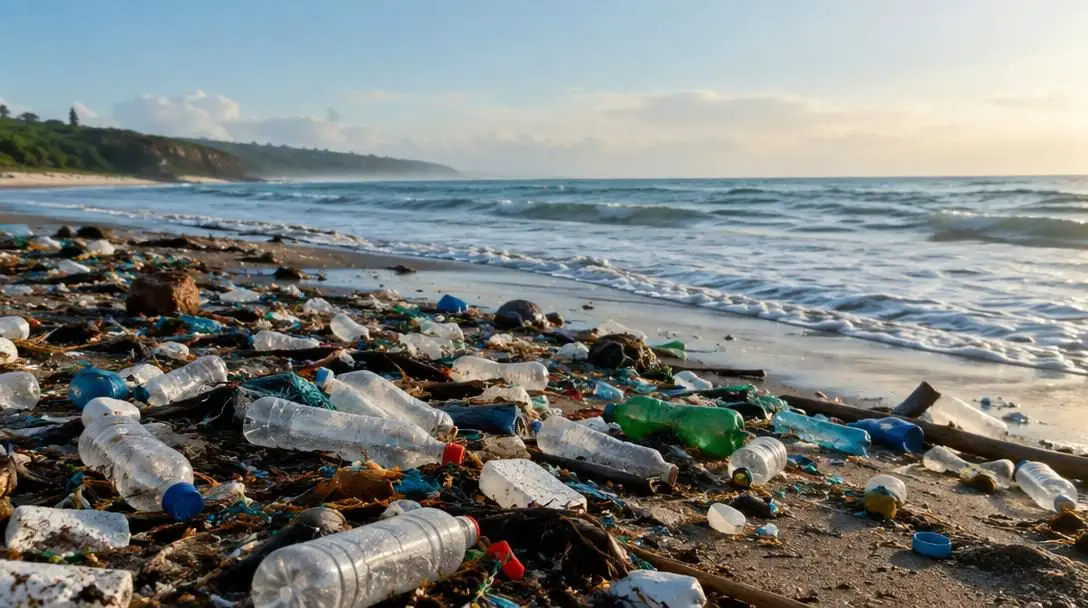
When analyzing how food affects the climate, the destination of uneaten meals is just as critical as the methods used to grow them. Across the United States, an estimated 80 billion pounds of food are discarded each year. This colossal volume accounts for roughly 40% of the entire national food supply, representing vast amounts of energy, water, and agricultural labor that ultimately yield no nutritional benefit.
When uneaten food is tossed into the garbage, it typically travels to municipal landfills. There, dense layers of refuse bury organic material, creating an environment that deprives it of oxygen. As discarded food breaks down in these conditions, it releases methane. Methane is an exceptionally potent greenhouse gas that exerts a far greater warming effect on the atmosphere than carbon dioxide produced by everyday human activities. On a planetary scale, the emissions from decomposing food waste account for 11% of all greenhouse gases today.
How the Meat Industry Drives 40% of Global Emissions
While waste at the end of the supply chain creates serious hazards, the front end of agricultural production accounts for an even larger share of atmospheric disruption. Approximately 40% of all greenhouse gases stem directly from the meat industry. This immense footprint results from a cascade of land-use changes, biological digestion, and resource consumption spanning several distinct areas.
Deforestation and Canopy Loss
To clear sufficient space for feed crops and animal pasture, commercial agricultural operations clear vast tracts of mature forest. In this deforestation process, millions of standing trees are cut down. Healthy trees and wild plants actively absorb atmospheric carbon dioxide and convert it back into oxygen through photosynthesis. When forests are erased, the planet loses the natural biological pumps that keep greenhouse gases in check, causing carbon dioxide to accumulate more rapidly in the atmosphere.
Land Degradation and Grazing
Once forests are cleared and converted into pastures, herds of grazing animals consume the native grasses and ground vegetation. As these animals continuously graze across designated parcels of land, they strip away supplementary plant life that would otherwise absorb carbon dioxide. The persistent disturbance of pasture soils and vegetation systematically suppresses the natural capacity of the land to sequester carbon dioxide and generate oxygen.
Enteric Fermentation and Digestive Methane
The biological mechanisms of livestock digestion pose an inherent challenge for atmospheric stability. As farm animals digest their fibrous feed, specialized internal fermentation processes cause them to release methane directly into the air. Much like the methane escaping from landfill refuse, animal-generated methane acts as an immediate accelerator of global warming, trapping thermal radiation within the atmosphere far more aggressively than standard carbon emissions.
The Disproportionate Impact of Cattle
Although livestock farming as a whole burdens the environment, cattle production has an impact far greater than other types of farming. Cows require immense quantities of grain and forage to grow to maturity, requiring extensive dedicated farmland, irrigation, and processing infrastructure. Compounding this resource demand, cattle produce and exhale methane at significantly higher volumes than smaller farm animals, making beef and dairy production singularly destructive drivers of climate change.
| Emission Driver | Primary Mechanism | Key Greenhouse Gas | Systemic Impact |
|---|---|---|---|
| Landfill Food Waste | Anaerobic breakdown of 80 billion pounds of uneaten food | Methane | Generates 11% of global emissions |
| Deforestation for Pasture | Clearing mature forest canopies for grazing and animal feed | Carbon dioxide | Eliminates natural conversion of CO2 into oxygen |
| Cattle Production | Intensive feed consumption and enteric fermentation | Methane | Drives a major portion of the meat sector's 40% emissions share |
Changing the way we eat—even just a little bit—can go a very long way toward slowing global warming down.
Practical Steps to Curb Emissions in the Kitchen
Because the scale of industrial agriculture is vast, individuals often assume their household habits have no meaningful weight. Yet consumer choices dictate agricultural production schedules. Adopting deliberate shopping routines and plant-forward meals creates an immediate reduction in overall demand for high-emission agricultural goods.
- Audit existing pantry and refrigerator stock: Before heading out to purchase groceries, take a detailed inventory of items already on hand to prevent duplicate purchases of items that will spoil.
- Designate one meatless day each week: Replace animal proteins with legumes, whole grains, and fresh vegetables for a single 24-hour period to ease direct demand on livestock operations.
- Target perishable items first: Arrange ingredients by expiration date, ensuring that delicate greens, berries, and dairy alternatives are eaten before shelf-stable items.
- Batch-cook plant-centered recipes: Prepare plant-forward soups, curries, or grain bowls in advance so that satisfying meals are readily available during busy weekdays.
- Share successful meals with your community: Introduce friends and family to flavorful meat-free dishes to normalize plant-based cooking across your personal network.
Common Dietary Mistakes to Avoid
When attempting to make environmentally conscious adjustments to meal planning, consumers often fall into habits that undermine their efforts. Recognizing these common pitfalls helps maintain consistency and prevents kitchen burnout over time.
Falling Into the All-or-Nothing Trap
A frequent error is assuming that climate stewardship requires an immediate conversion to strict veganism or complete vegetarianism. When people believe that partial efforts are pointless, they often abandon sustainable eating entirely when perfection proves difficult. Cutting back meat intake incrementally, such as adopting a single meatless day per week, yields meaningful ecological relief and establishes habits that remain practical over the course of years.
Ignoring Kitchen Waste While Buying Green
Shoppers often invest considerable effort into selecting sustainable ingredients while overlooking the volume of food rotting in their own crisper drawers. Purchasing organic or plant-based items offers diminished environmental returns if those products end up discarded in a trash bag. Preventing edible groceries from reaching a municipal landfill remains just as vital as choosing plant-based proteins at the checkout counter.
Using Judgmental Advocacy With Others
Attempting to compel friends, relatives, or coworkers to alter their eating habits through confrontation routinely triggers defensiveness. Food choices are tied to cultural backgrounds, family traditions, and personal comforts. Sharing tasty, satisfying recipes or publishing positive updates on social media inspires voluntary curiosity far more effectively than lecturing others about the environmental cost of their plates.
Shopping Without an Organized Meal Plan
Entering a grocery store without an explicit weekly meal structure frequently results in impulse buying, over-purchasing perishables, and abandoning dinner plans in favor of convenient meat-heavy takeout. Simple weekly menu mapping ensures that every purchased ingredient has a designated purpose before it passes its prime.
Deepening Your Long-Term Impact
Once basic habits like meal planning and weekly vegetarian days become second nature, consumers can explore more targeted interventions. One logical progression involves assessing the exact varieties of meat that remain in your diet. Because cattle farming generates significantly more methane and consumes vastly more feed than other forms of animal agriculture, choosing to reduce or eliminate beef delivers an immediate environmental return without demanding a total departure from animal products.
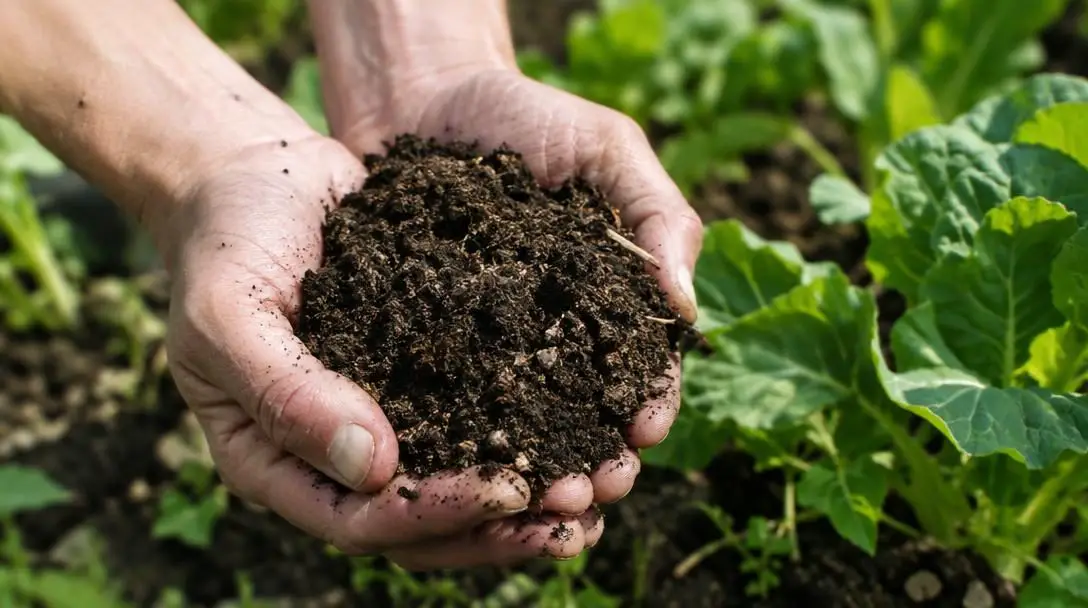
Another meaningful step involves investigating community-level diversion for organic material. Because food scraps smothered beneath landfill trash decompose without oxygen to form methane, participating in municipal composting or neighborhood drop-off programs ensures that organic waste breaks down under aerobic conditions. Refining your kitchen routines to keep standard trash bins free of organic matter tackles the 11% slice of global greenhouse gases linked to discarded food at its source.
Frequently asked questions
Do I need to become a strict vegetarian to help fight climate change?
No. You do not need to eliminate all animal products to make an impact. Incremental steps, such as choosing to go vegetarian just one day a week, reduce direct demand on the livestock sector, preserve carbon-absorbing vegetation, and lower emissions without requiring an all-or-nothing dietary shift.
Why is food waste so harmful to the atmosphere?
When food waste is buried in landfills, it decomposes in an oxygen-deprived environment. This anaerobic breakdown releases methane, a greenhouse gas with a far greater warming effect than carbon dioxide. Globally, food waste accounts for 11% of all greenhouse gas emissions.
How does the meat industry generate 40% of all greenhouse gases?
The meat industry generates emissions through a combination of extensive deforestation to clear pastures, the loss of vegetation from animal grazing, and the direct release of methane during animal digestion. Together, these processes diminish natural carbon absorption while adding large volumes of heat-trapping gases to the atmosphere.
Why does cattle farming have a worse impact than other farming?
Cattle require substantially larger quantities of agricultural feed and land to grow to maturity compared to other farm animals. In addition, their digestive systems generate and emit methane at significantly higher levels, making beef production uniquely disruptive to climate stability.
How much food is wasted in the United States every year?
Approximately 80 billion pounds of food are discarded in the United States each year, which accounts for roughly 40% of the nation's entire food supply.
The bottom line
Every meal represents a direct vote for the type of agricultural system the world maintains. While altering industrial transit and energy grids takes time and capital, adjusting kitchen routines offers an immediate lever for personal climate action. By curbing household food waste and cutting back on resource-intensive meats like beef, everyday consumers can substantially lower their environmental footprint while fostering healthier, more resilient food systems for the future.